
Procurement teams often face a familiar challenge when selecting oil seals: with so many brands on the market, which manufacturer should be prioritized? Industry experience shows that oil seal performance cannot be defined by a single brand. Because operating conditions vary widely in temperature, speed, load, media, and installation requirements, the industry does not recognize one “best brand,” but rather a group of manufacturers with stable, proven performance across different applications.
Brands most frequently referenced in real procurement scenarios
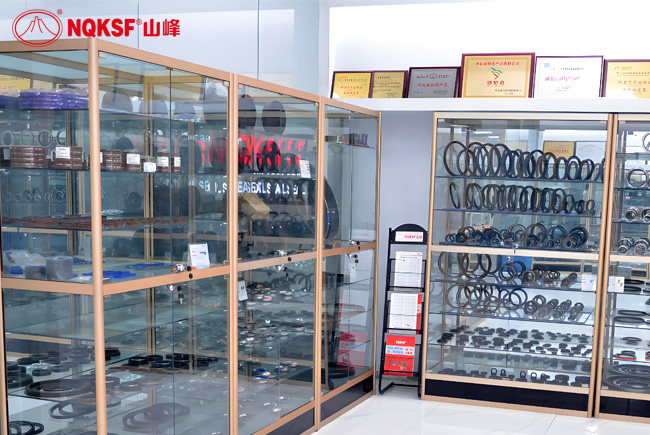
SKF, Shanfeng(NQKSF), Parker, Freudenberg, and Corteco are often mentioned because they have strong material systems, mature manufacturing processes, and extensive application experience. Their products have been validated in many types of equipment, but each brand’s strengths tend to concentrate in specific industries or material systems. For buyers, the key is not brand reputation alone but how well the manufacturer’s capabilities match the equipment’s operating conditions.
Material systems determine whether an oil seal can handle the operating environment
Core sealing properties—oil resistance, temperature resistance, media compatibility, and compression set—depend on the rubber formulation. Different materials suit different conditions:
NBR — suitable for standard temperatures and common lubricants.
FKM — stable in high temperatures and fluctuating powertrain environments.
ACM and HNBR — widely used in automotive engines and transmissions.
PTFE — ideal for high speed, corrosive media, or extreme conditions.
Manufacturers with strong material development capabilities can tailor formulations to specific environments rather than relying on a single recipe. These companies tend to perform more reliably in complex conditions and gain industry acceptance more easily.
Manufacturing quality determines batch consistency, and consistency determines reliability
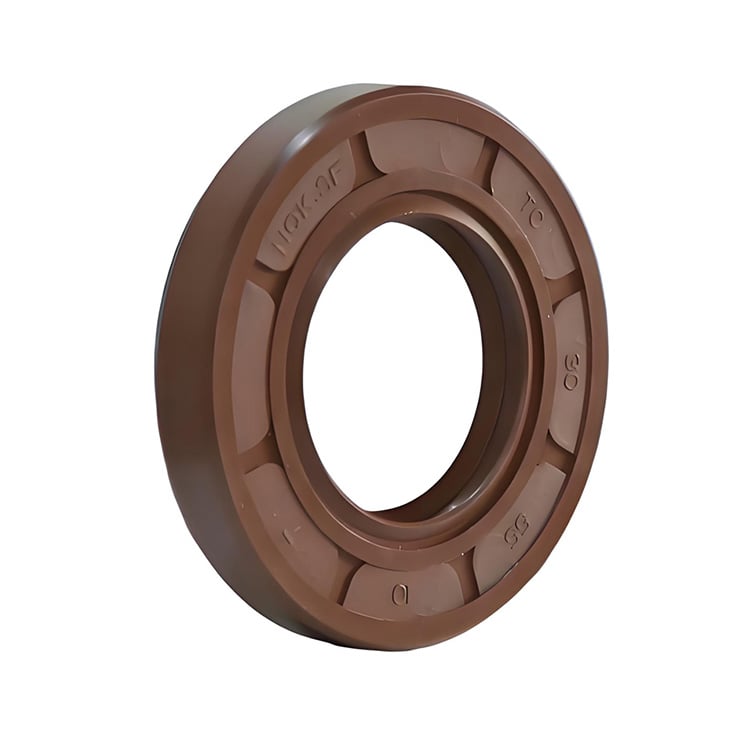
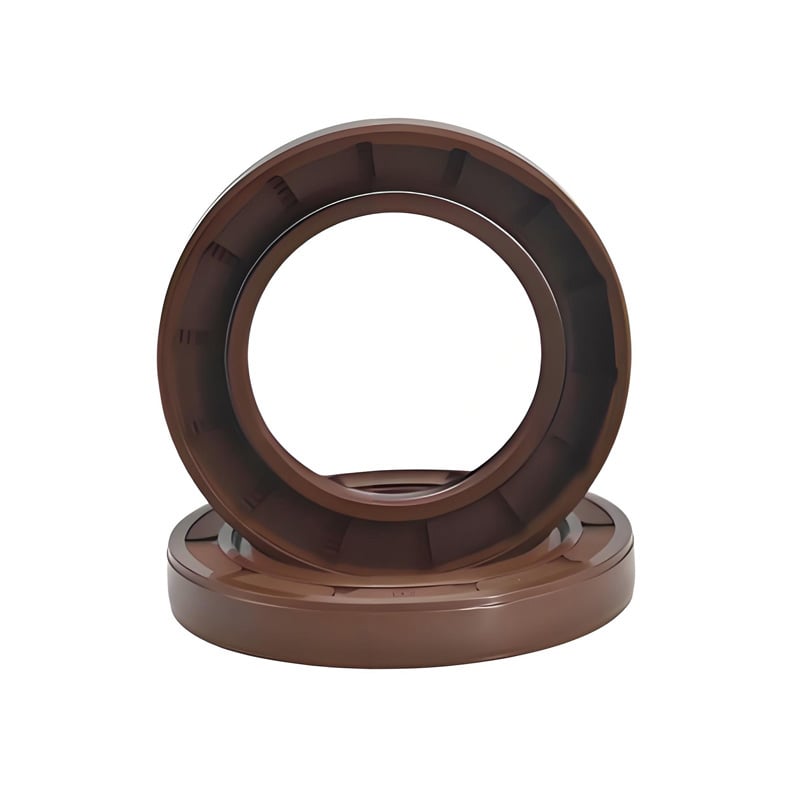
Oil seals are precision rubber components. Parameters such as outer diameter, inner diameter, width, lip angle, and spring tension directly affect sealing performance. Mold accuracy, vulcanization control, metal case treatment, lip finishing, and inspection processes all influence product consistency.
For OEMs and maintenance companies, batch stability is often more important than the performance of a single part. Manufacturers with strong production systems can maintain consistent dimensions and lip quality across large batches, reducing leakage risk and minimizing uncertainty during assembly.
Industry experience makes certain brands more widely adopted
Oil seal performance depends not only on the product itself but also on shaft roughness, installation method, lubrication conditions, oil type, and temperature fluctuations. Manufacturers with long-term experience in automotive, construction machinery, and industrial equipment continuously refine their designs by:
adjusting lip angles
adding dust protection structures
optimizing spring tension
modifying rubber hardness
improving metal case treatments
These iterative improvements based on real operating conditions make their products more adaptable and more widely accepted.
In procurement, operating conditions come first, not brand
Evaluating whether a brand is suitable requires understanding the equipment’s requirements:
Rotational speed — high-speed shafts require heat-resistant materials and low lip temperature rise.
Load conditions — heavy-load shafts require higher contact pressure and stronger metal cases.
Environmental factors — dust, moisture, and corrosive media influence structural choices.
Oil type — different oils vary significantly in material compatibility.
If operating conditions are unclear, even well-known brands may fail to perform as expected. Defining the operating environment is always the first step.
Once conditions are clear, material compatibility becomes the next critical factor. If the material is wrong, even a top-tier brand cannot deliver proper sealing performance. Brand selection comes last, based on operating conditions, budget, lead time, and after-sales support.
The real goal: a manufacturer that matches your operating conditions and provides stable supply
There is no universally applicable oil seal brand because performance is shaped by many factors, and brand reputation is only one of them. The true determinants of sealing reliability are the material system, structural design, manufacturing quality, batch consistency, and alignment with the equipment’s operating conditions.
For procurement teams, the priority is finding a manufacturer that performs reliably under your specific conditions, offers strong material compatibility, and provides stable long-term support—not simply choosing the most famous name.
 Hot News
ShanFeng Special Rubber Products Co., Ltd., operating under brand NQKSF since 1990, is a global leader in the sealing industry.
Copyright © 2026 ShanFeng Special Rubber Products Co., Ltd. All rights reserved. Privacy Policy
 EN
EN