Premium Oil Seal Hydraulic Solutions - Advanced Sealing Technology for Industrial Applications

All Categories

oil seal hydraulic

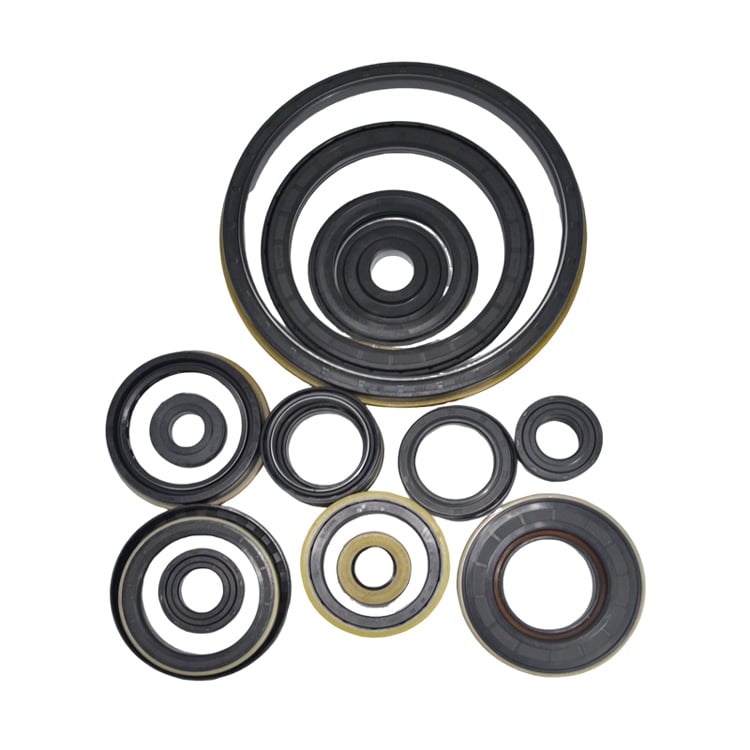
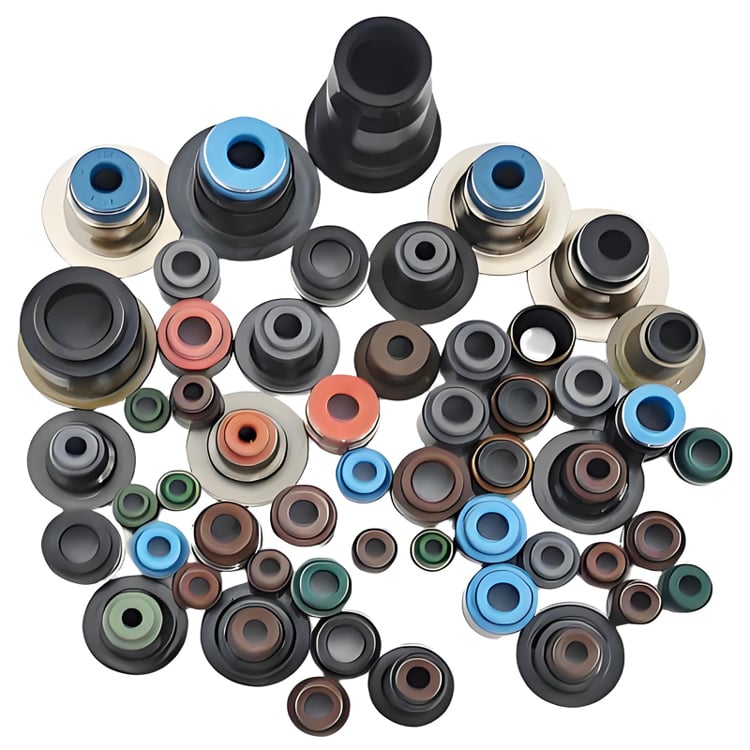
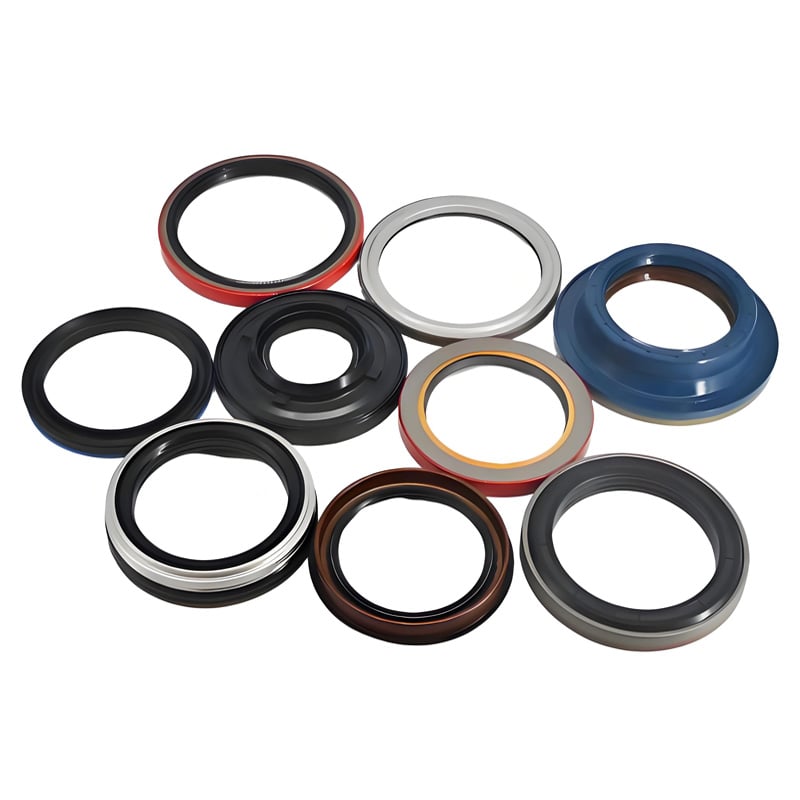
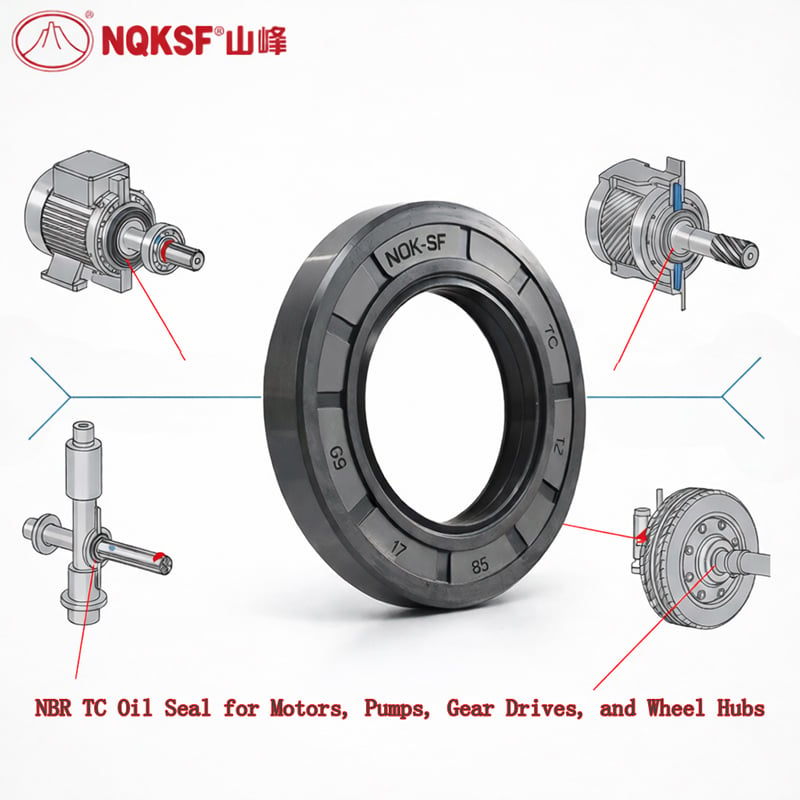
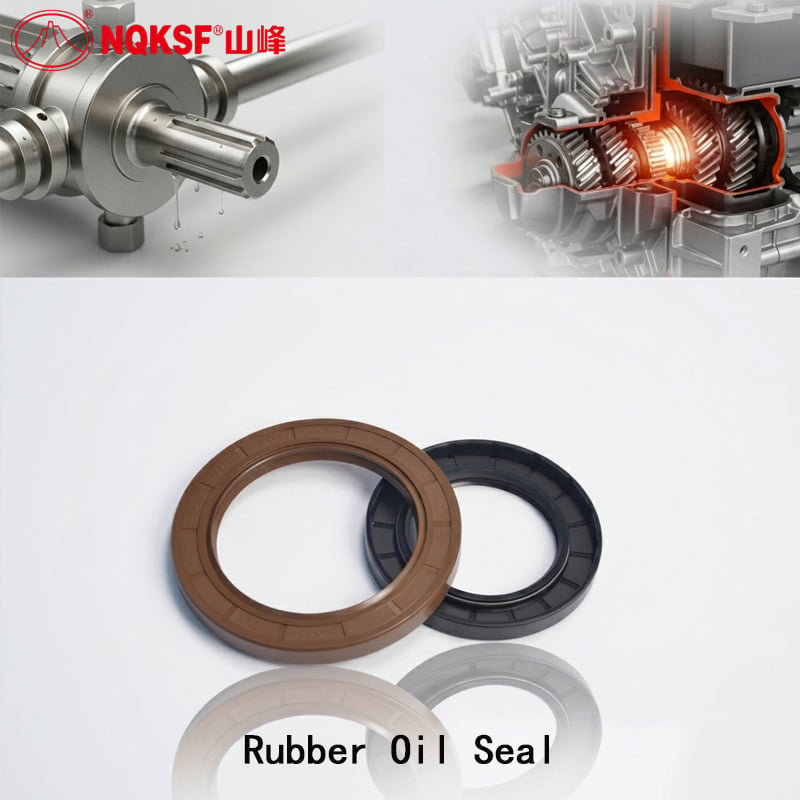
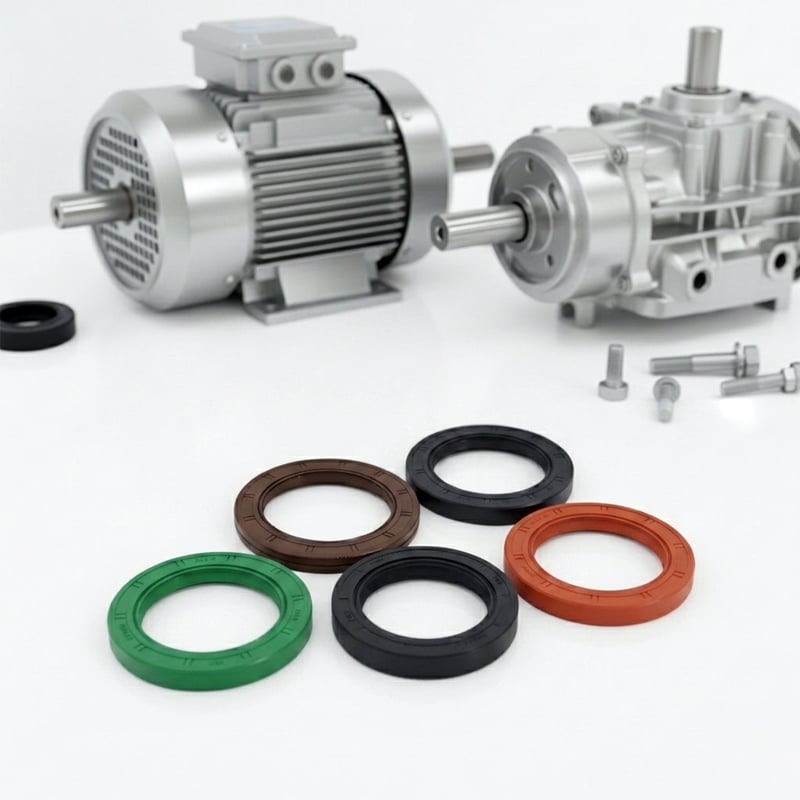
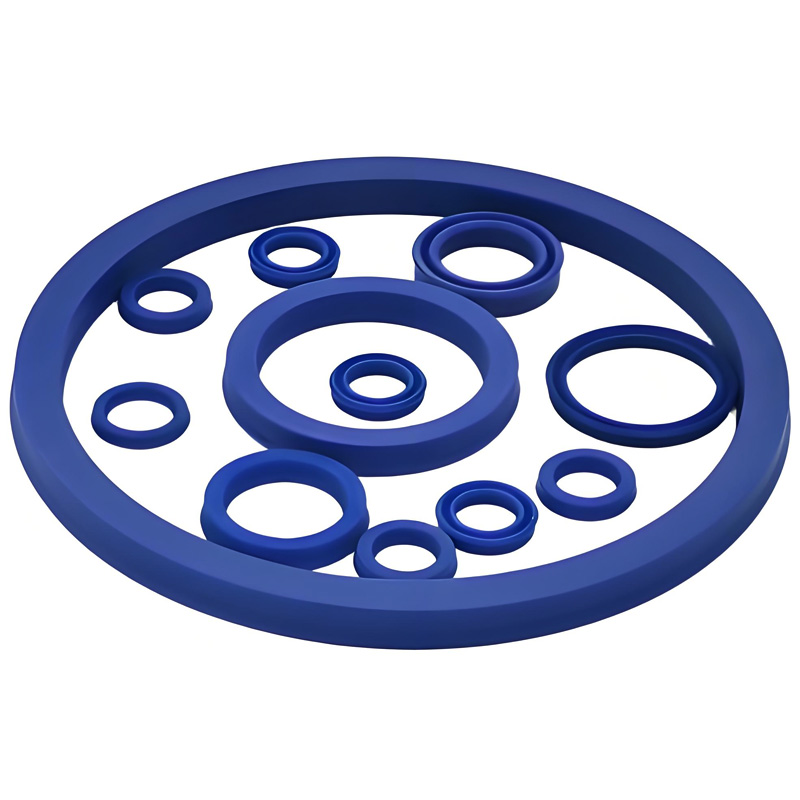
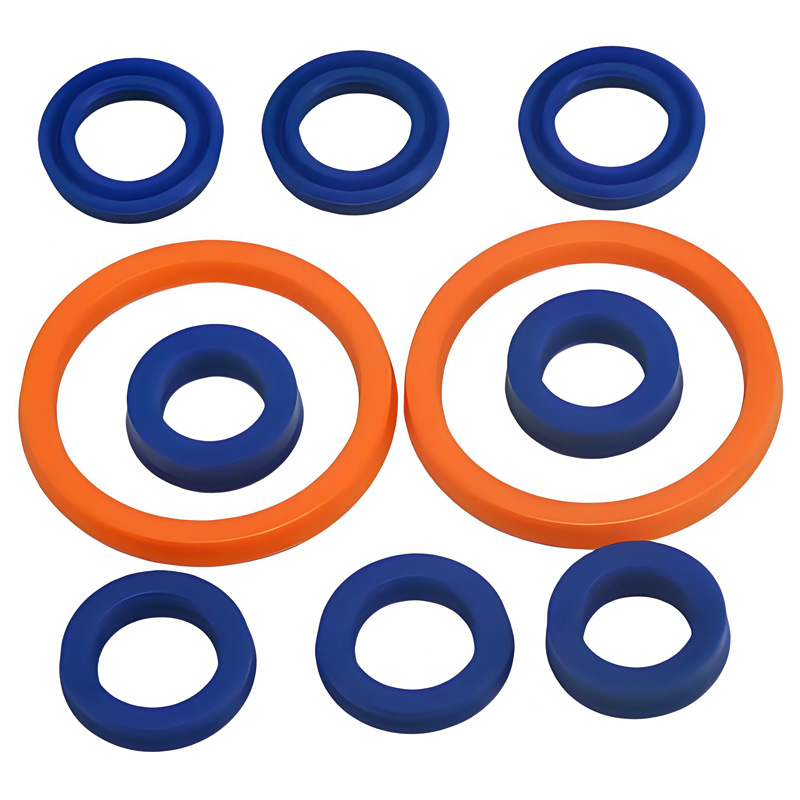
Oil seal hydraulic systems represent a critical component in modern industrial machinery, serving as the backbone for reliable fluid power transmission and containment. An oil seal hydraulic is a specialized sealing mechanism designed to prevent fluid leakage while maintaining optimal pressure levels within hydraulic systems. These essential components combine advanced elastomeric materials with precision engineering to create barriers that withstand extreme operating conditions. The primary function of oil seal hydraulic components involves containing hydraulic fluid within designated chambers while preventing contamination from external elements such as dirt, moisture, and debris. This dual protection ensures system longevity and maintains consistent performance across various applications. Technological features of oil seal hydraulic systems include advanced polymer compounds that resist chemical degradation, temperature fluctuations, and mechanical wear. Modern oil seal hydraulic designs incorporate multi-lip configurations that provide enhanced sealing capabilities under dynamic and static conditions. The manufacturing process utilizes computer-controlled molding techniques to achieve precise tolerances and consistent quality across production batches. Applications for oil seal hydraulic components span numerous industries including automotive manufacturing, construction equipment, agricultural machinery, aerospace systems, and industrial automation. In automotive applications, oil seal hydraulic systems protect transmission components, power steering mechanisms, and brake systems from fluid loss and contamination. Construction equipment relies heavily on oil seal hydraulic technology for excavator arms, bulldozer blades, and crane operations where heavy loads demand reliable sealing performance. Agricultural machinery utilizes these sealing solutions in tractors, harvesters, and irrigation systems where exposure to harsh environmental conditions requires superior protection. The aerospace industry depends on oil seal hydraulic components for landing gear systems, flight control mechanisms, and hydraulic actuators where failure is not an option. Industrial automation systems incorporate oil seal hydraulic technology in robotic arms, press machines, and material handling equipment where precision and reliability directly impact productivity and safety standards.

New Product Recommendations

Oil seal hydraulic systems deliver exceptional performance benefits that directly translate into cost savings and operational efficiency for businesses across multiple sectors. The primary advantage lies in superior leak prevention capabilities that maintain system integrity and reduce fluid replacement costs. Unlike traditional sealing methods, oil seal hydraulic components create multiple barrier points that effectively contain pressurized fluids even under extreme operating conditions. This enhanced containment reduces environmental contamination risks while ensuring compliance with increasingly strict regulatory requirements. Maintenance requirements decrease significantly when implementing quality oil seal hydraulic solutions, as these components resist wear and degradation over extended operating periods. The robust construction materials used in oil seal hydraulic manufacturing withstand temperature extremes ranging from sub-zero conditions to high-heat environments without compromising sealing effectiveness. This temperature resistance eliminates frequent replacement cycles and reduces downtime associated with seal failures. Chemical compatibility represents another significant advantage, as modern oil seal hydraulic designs resist degradation from hydraulic fluids, cleaning solvents, and environmental contaminants that would destroy conventional sealing materials. Installation simplicity provides additional value, as oil seal hydraulic components feature standardized dimensions that facilitate quick replacement without extensive system modifications. This compatibility reduces labor costs and minimizes equipment downtime during maintenance procedures. Pressure handling capabilities exceed those of alternative sealing solutions, allowing oil seal hydraulic systems to operate reliably under high-pressure conditions that would cause other seals to fail catastrophically. Dynamic sealing performance enables oil seal hydraulic components to maintain effectiveness during continuous motion applications such as reciprocating cylinders and rotating shafts. This dynamic capability prevents premature wear and extends component lifespan significantly. Energy efficiency improvements result from reduced friction coefficients inherent in properly designed oil seal hydraulic systems, leading to lower power consumption and reduced operating costs. Quality oil seal hydraulic components also provide contamination protection that prevents expensive system damage caused by dirt, moisture, and debris infiltration. This protective function maintains fluid cleanliness standards essential for optimal hydraulic system performance. Long-term reliability ensures consistent operation over thousands of operating cycles, providing predictable maintenance schedules and budget planning advantages for facility managers and equipment operators.

Latest News

Why Do Automotive Systems Rely Heavily on Shaft Oil Seals?

27

Nov

Why Do Automotive Systems Rely Heavily on Shaft Oil Seals?

Modern automotive systems operate under extreme conditions, requiring precise engineering solutions to maintain optimal performance and longevity. Among the most critical components ensuring system reliability are shaft oil seals, which serve as the ...
View More
How to Select O Ring Based on Equipment Parameters?

22

Apr

How to Select O Ring Based on Equipment Parameters?

Selecting the right o ring for specific equipment parameters requires a systematic approach that considers multiple technical factors simultaneously. Equipment manufacturers and maintenance professionals must evaluate material compatibility, dimensio...
View More
How to Choose the Right O Ring for Industrial Equipment?

22

Apr

How to Choose the Right O Ring for Industrial Equipment?

Selecting the appropriate o ring for industrial equipment requires careful consideration of multiple technical factors that directly impact system performance and operational reliability. The wrong o ring choice can lead to catastrophic seal failure,...
View More
What Are O Rings? Where and Why Are They Used?

29

Apr

What Are O Rings? Where and Why Are They Used?

An o ring is a mechanical gasket designed in the shape of a torus that sits in a groove and is compressed during assembly between two or more parts, creating a reliable seal at the interface. These simple yet highly effective sealing devices consist ...
View More

Get a Free Quote

Our representative will contact you soon.
Email
Telephone
Name
Company Name
Message
0/1000

oil seal hydraulic

Advanced Multi-Lip Sealing Technology

Advanced Multi-Lip Sealing Technology

The revolutionary multi-lip design featured in modern oil seal hydraulic systems represents a significant breakthrough in sealing technology that addresses the complex challenges of industrial fluid containment. This innovative configuration incorporates multiple sealing surfaces that work in tandem to create redundant barriers against fluid leakage, ensuring maximum protection even under the most demanding operating conditions. The primary lip maintains constant contact with the sealing surface, providing the main barrier against fluid escape, while secondary lips serve as backup protection and contamination barriers. Each lip is precisely engineered with specific angles and contact pressures that optimize sealing performance while minimizing friction and wear. The oil seal hydraulic multi-lip design utilizes advanced computer modeling to determine optimal geometry that balances sealing effectiveness with operational longevity. Material selection for each lip involves careful consideration of hardness, elasticity, and chemical compatibility to ensure consistent performance across varying operating parameters. The spring-loaded design maintains proper contact pressure throughout the component's service life, automatically compensating for normal wear patterns and thermal expansion. This self-adjusting capability eliminates the need for frequent adjustments and ensures consistent sealing performance over extended periods. Manufacturing precision plays a crucial role in multi-lip oil seal hydraulic effectiveness, with tolerances measured in thousandths of inches to ensure proper fitment and function. Quality control procedures verify lip geometry, surface finish, and material properties before components leave the manufacturing facility. Field testing demonstrates that multi-lip oil seal hydraulic systems provide up to 300% longer service life compared to single-lip alternatives while maintaining superior leak prevention capabilities. The technology particularly excels in applications involving reciprocating motion where traditional seals experience accelerated wear due to changing contact patterns and varying pressure conditions.
Superior Chemical and Temperature Resistance

Superior Chemical and Temperature Resistance

Oil seal hydraulic components engineered with advanced polymer compounds deliver unmatched resistance to chemical attack and temperature extremes that would rapidly degrade conventional sealing materials. This exceptional durability stems from carefully formulated elastomeric compounds that maintain molecular stability across wide temperature ranges while resisting degradation from hydraulic fluids, cleaning agents, and environmental contaminants. The chemical resistance properties enable oil seal hydraulic systems to operate reliably in contact with synthetic hydraulic fluids, mineral oils, water-glycol mixtures, and specialized high-performance fluids without experiencing swelling, hardening, or molecular breakdown. Laboratory testing confirms that quality oil seal hydraulic materials maintain their sealing properties after extended exposure to aggressive chemicals that would cause rapid failure in standard rubber compounds. Temperature performance represents another critical advantage, with premium oil seal hydraulic designs operating effectively from -40°F to +400°F without losing flexibility or sealing capability. This broad temperature range accommodates applications in arctic conditions, high-temperature industrial processes, and environments with extreme thermal cycling. The molecular structure of advanced oil seal hydraulic materials incorporates cross-linking technologies that prevent thermal degradation while maintaining elasticity across temperature variations. Field experience demonstrates that these temperature-resistant oil seal hydraulic components maintain consistent performance in applications such as steel mill hydraulics, automotive engine systems, and outdoor construction equipment where temperature extremes are common. UV resistance built into modern oil seal hydraulic compounds prevents degradation from sunlight exposure, ensuring reliable performance in outdoor applications where equipment operates under direct sunlight for extended periods. The combination of chemical and temperature resistance significantly extends service intervals, reducing maintenance costs and improving equipment reliability. Accelerated aging tests simulate years of service exposure in compressed timeframes, validating the long-term stability of oil seal hydraulic materials under realistic operating conditions.
Precision Engineering for Dynamic Applications

Precision Engineering for Dynamic Applications

The precision engineering incorporated into modern oil seal hydraulic designs addresses the unique challenges presented by dynamic sealing applications where continuous motion, varying pressures, and changing contact conditions demand exceptional performance reliability. Dynamic sealing differs significantly from static applications, requiring oil seal hydraulic components that maintain effectiveness while accommodating shaft rotation, reciprocating motion, and oscillating movement patterns. Advanced manufacturing techniques ensure that oil seal hydraulic components achieve the precise tolerances necessary for optimal dynamic performance, with surface finishes measured in microinches and dimensional accuracy maintained within tight specifications. The engineering process begins with comprehensive analysis of operating conditions including shaft speeds, pressure variations, fluid properties, and environmental factors that influence sealing performance. Computer-aided design tools simulate dynamic contact conditions to optimize oil seal hydraulic geometry for specific applications, ensuring proper contact pressure distribution and minimizing heat generation. Material selection for dynamic oil seal hydraulic applications involves careful evaluation of friction coefficients, wear characteristics, and heat dissipation properties to ensure long-term reliability under continuous motion conditions. The hydrodynamic effects created by shaft rotation are carefully considered in oil seal hydraulic design, with lip profiles engineered to maintain proper lubrication while preventing fluid leakage. Quality control procedures for dynamic oil seal hydraulic components include specialized testing equipment that simulates actual operating conditions including rotational speeds, pressure cycling, and temperature variations. Field performance data confirms that precision-engineered oil seal hydraulic systems maintain sealing effectiveness through millions of operating cycles while experiencing minimal wear or performance degradation. The economic benefits of precision engineering become apparent through extended service intervals, reduced maintenance requirements, and improved equipment reliability that translates directly into lower operating costs. Installation procedures for precision oil seal hydraulic components emphasize proper handling and mounting techniques that preserve critical dimensional relationships and surface finishes essential for optimal dynamic performance.

Get a Free Quote

Our representative will contact you soon.
Email
Telephone
Name
Company Name
Message
0/1000