
 EN
EN
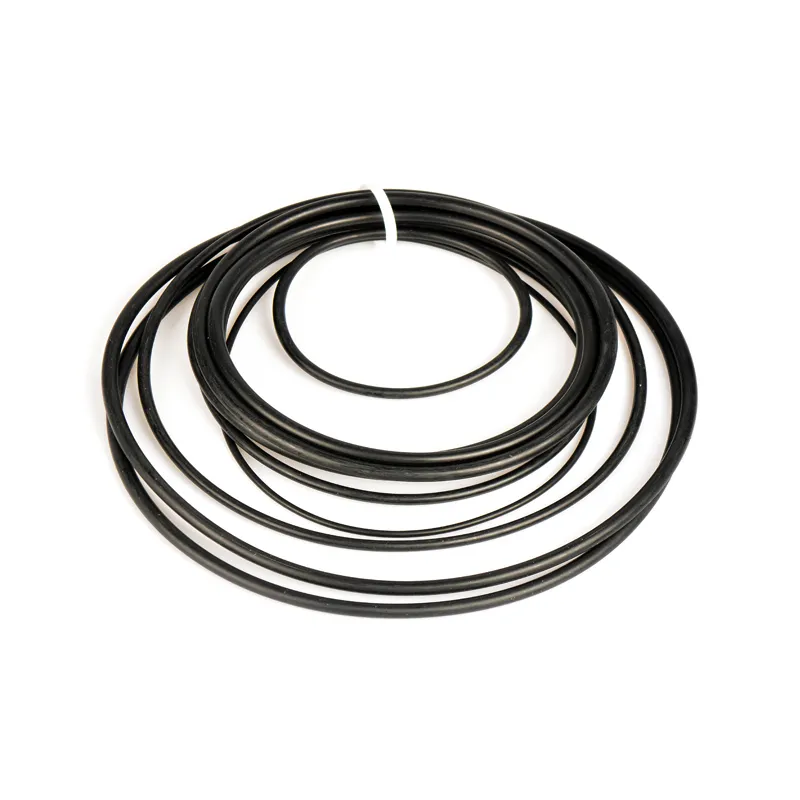
يتطلب اختيار الحشية الدائرية (O-ring) المناسبة لمعدات الصناعية مراعاة دقيقة لعدة عوامل فنية تؤثر مباشرةً على أداء النظام وموثوقيته التشغيلية. ويمكن أن يؤدي الاختيار الخاطئ للحشية الدائرية إلى فشل كارثي في الإغلاق، وتوقف مكلف عن التشغيل، ومخاطر محتملة على السلامة في التطبيقات الصناعية. ويضمن فهم معايير الاختيار تحقيق أداء إغلاقي مثالي مع زيادة عمر المعدات إلى أقصى حدٍ وتقليل تكاليف الصيانة.
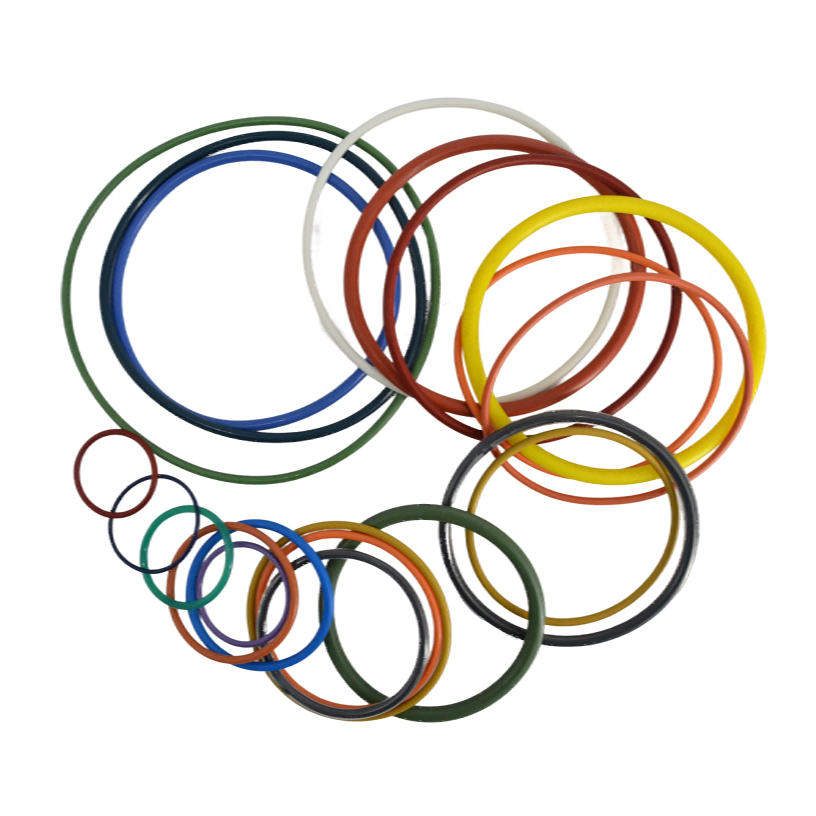
ويشمل عملية اختيار الحشية الدائرية المناسبة تحليل ظروف التشغيل، وتوافق المواد، والمتطلبات البُعدية، ومتطلبات الأداء الخاصة بالتطبيق. وتتعرَّض المعدات الصناعية لظروف تشغيل متنوعة تتراوح بين درجات الحرارة القصوى والبيئات الكيميائية العدائية، ما يجعل دقة اختيار المادة والأبعاد أمراً حاسماً لتنفيذ إغلاق ناجح. ويضمن هذا النهج الشامل لاختيار الحشية الدائرية تحقيق أداء إغلاقي موثوق به عبر مختلف التطبيقات الصناعية.
فهم خصائص مواد الحلقات المطاطية (O-Rings) للتطبيقات الصناعية
فئات مواد المطاط الصلب وخصائص الأداء
توفر مواد المطاط الصلب المختلفة خصائص أداء مُميَّزة تحدد مدى ملاءمتها للتطبيقات الصناعية المحددة. ويتميَّز مطاط النتريل بمقاومته الممتازة للسوائل القائمة على البترول ومدى درجات الحرارة المعتدل، ما يجعله مثاليًّا لأنظمة الهيدروليك والمعدات الصناعية العامة. أما المطاط الفلوروكربوني فيقدِّم مقاومة كيميائية فائقة وأداءً ممتازًا عند درجات الحرارة المرتفعة، وهو مناسب جدًّا للبيئات التي تتضمَّن معالجة كيميائية عدوانية.
وتتفوَّق مواد الحلقات المطاطية السيليكونية في التطبيقات التي تتطلَّب درجات حرارة قصوى، لكنها تقدِّم مقاومة كيميائية محدودة مقارنةً بأنواع المطاط الصلب الأخرى. أما مطاط الإيثيلين بروبيلين ثنائي المونومر (EPDM) فيتميَّز بمقاومته الاستثنائية للأوزون والتآكل الجوي وبخار الماء، ما يجعله مثاليًّا للمعدات الخارجية وتطبيقات البخار. ويساعد فهم هذه الخصائص المادية في اختيار الحلقات المطاطية المناسبة استنادًا إلى متطلبات التشغيل المحددة.
يشير تصنيف الصلابة إلى مدى صلابة مادة الحلقة المطاطية، مما يؤثر على قدرتها على التكيف مع تضاريس السطح والحفاظ على إحكام الإغلاق تحت الضغط. توفر الصلابة الأقل قدرة أفضل على إحكام الإغلاق على الأسطح الخشنة، بينما تقاوم المواد الأكثر صلابة الانضغاط تحت ظروف الضغط العالي. يضمن اختيار الصلابة المناسبة أداءً مثاليًا لإحكام الإغلاق وفقًا لمتطلبات الضغط ونوعية السطح.
عوامل التوافق الكيميائي والمقاومة
يمثّل التوافق الكيميائي أحد العوامل الحاسمة في اختيار الحشية الدائرية (O-ring)، إذ يمكن أن تتسبب التعرّض للمواد الكيميائية غير المتوافقة في انتفاخ المادة أو تصلّبها أو حتى تحلّلها بالكامل. ولكل مادة مطاطية خصائص مقاومة محددة تجاه عائلات كيميائية مختلفة، ما يستلزم تقييمًا دقيقًا لجميع السوائل والمواد الكيميائية الموجودة في بيئة التشغيل.
يمكن للمذيبات القوية، والأحماض، والقواعد أن تُسبب تدهورًا سريعًا في مواد حشوات الـ O-Ring غير المتوافقة، مما يؤدي إلى فشل الختم واحتمال حدوث أضرار بالمعدات. وتؤثر تركيز المواد الكيميائية ودرجة حرارتها تأثيرًا كبيرًا على التوافق، حيث إن التركيزات الأعلى ودرجات الحرارة الأعلى عادةً ما تُسرّع عمليات التدهور. وتوفّر جداول التوافق الكيميائي الشاملة إرشاداتٍ أساسيةً لاختيار المادة المناسبة في البيئات الكيميائية المعقدة.
وتُشكّل البيئات الكيميائية المختلطة تحديات إضافية، إذ يجب أن تقاوم حشوة الـ O-Ring جميع المواد الكيميائية الموجودة في النظام في الوقت نفسه. وبعض التركيبات الكيميائية قد تُحدث تأثيرات تآزرية تُسرّع التدهور أكثر مما تسببه كل مادة كيميائية على حدة. ويُثبت الاختبار المناسب للمواد في ظل ظروف التشغيل الفعلية مدى توافقها، ويضمن موثوقية الختم على المدى الطويل.
التحليل البُعدي ومتطلبات التحجيم
قطر المقطع العرضي وتصميم الحفرة
يجب أن يتطابق قطر المقطع العرضي لحلقة الـ O مع أبعاد الحفرة لضمان ضغط مناسب وفعالية إحكام ممتازة. ويؤدي الضغط غير الكافي إلى قوة إحكام غير كافية، في حين أن الضغط الزائد قد يتسبب في فشل مبكر بسبب تركّز الإجهادات وزيادة الحرارة. وتتبع الأقطار القياسية للمقاطع العرضية مواصفات صناعية راسخة تتوافق مع أبعاد حفرة محددة.
يُعادل عمق الأخدود عادةً 75-85% من قطر المقطع العرضي للحلقة المطاطية، مما يوفر ضغطًا مثاليًا مع السماح بالتمدد الحراري والتشوه الناتج عن الضغط. يجب أن يتسع عرض الأخدود للحلقة المطاطية مع أقل قدر من الخلوص لمنع بروزها تحت الضغط، مع السماح بتركيبها دون تلف. تضمن هذه الأبعاد أداءً موثوقًا لإحكام الغلق في مختلف ظروف التشغيل.
تؤثر متطلبات تشطيب السطح لأخاديد الحشية الدائرية (O-ring) بشكل مباشر على فعالية الإغلاق، حيث توفر التشطيبات الأملس عمومًا قدرة إغلاق أفضل. ويمكن أن تتسبب الأسطح الخشنة في تلف الحشية الدائرية (O-ring) خاتم O أثناء التركيب أو تكوين مسارات تسرب دقيقة تُضعف سلامة الإغلاق. وتضمن التحملات المناسبة لآلات تشغيل الأخاديد ضغطًا متسقًا للحشية الدائرية (O-ring) وتمنع صعوبات التركيب.
مواصفات القطر الداخلي والخارجي
يجب أن يوفّر القطر الداخلي للحشية الدائرية (O-ring) مقدار تمدد مناسب عند تركيبها في الخندق، وعادةً ما يتراوح هذا المقدار بين ١٪ و٥٪ حسب حجم المقطع العرضي ومتطلبات التطبيق. وقد يؤدي التمدد المفرط إلى تشققات ناتجة عن الإجهاد وفشل مبكر، بينما قد يؤدي التمدد غير الكافي إلى ضعف التثبيت واحتمال انزياح الحشية أثناء التشغيل. وتضمن حسابات التمدد المناسبة خصائص تركيب مثلى وأداءً ممتازًا في الإغلاق.
يجب أخذ تأثيرات درجة الحرارة على أبعاد الحلقة التوصيلية (O-Ring) في الاعتبار أثناء تحديد الأبعاد، لأن التمدد والانكماش الحراريين يمكن أن يؤثرا تأثيرًا كبيرًا على فعالية الإغلاق. ويتطلب استخدام مواد ذات معاملات تمدد حراري عالية اعتبارات إضافية للحفاظ على ضغط مناسب عبر نطاق درجات الحرارة التشغيلية. ويكتسب الاستقرار البُعدي أهمية خاصة في التطبيقات التي تتسم بتقلبات واسعة في درجات الحرارة.
تؤثر التسامحات التصنيعية لأبعاد الحلقة التوصيلية (O-Ring) مباشرةً على اتساق أداء الإغلاق عبر التركيبات المتعددة. وتضمن التسامحات الضيقة خصائص ضغط قابلة للتنبؤ بها، لكنها قد ترفع التكلفة، بينما قد تؤدي التسامحات الواسعة إلى تباين في الأداء. ويعمل تحقيق التوازن بين متطلبات التسامح والاعتبارات التكلفة على تحسين كلٍّ من الأداء والعوامل الاقتصادية في عملية اختيار الحلقة التوصيلية (O-Ring).
تقييم الظروف التشغيلية ومتطلبات الأداء
نطاق درجات الحرارة وتأثيرات التغيرات الحرارية الدورية
تؤثر درجة حرارة التشغيل مباشرةً على خصائص مادة حلقة التوصيل (O-Ring)، مما ينعكس على مرونتها ومقاومتها للاستطالة الدائمة (Compression Set) وقدرتها الإجمالية على الإحكام. فقد تؤدي درجات الحرارة المنخفضة إلى هشاشة المواد المطاطية وفقدانها فعاليتها في الإحكام، بينما تُسرّع درجات الحرارة المرتفعة عمليات الشيخوخة والتحلل الكيميائي. وتتميز كل مادة تُستخدم في تصنيع حلقات التوصيل بحدود حرارية محددة تُعرِّف نطاق تشغيلها التشغيلي.
يؤدي التغير الدوري في درجة الحرارة (Thermal Cycling) إلى إحداث إجهاد إضافي على مواد حلقات التوصيل عبر عمليات التمدد والانكماش المتكررة، ما قد يؤدي إلى التشقق أو التشوه الدائم. كما أن معدل التغير في درجة الحرارة يؤثر في شدة الإجهاد الحراري، حيث تُسبِّب التقلبات السريعة في درجة الحرارة ظروفاً أكثر حدةً مقارنةً بالتغيرات التدريجية. ويُمكِّن الفهم الجيد لتأثيرات التغير الدوري في درجة الحرارة من اختيار المواد ذات الخصائص الملائمة للاستقرار الحراري.
يؤدي التعرض المستمر لدرجات الحرارة مقابل التعرض المتقطع لها إلى أنماط مختلفة من الشيخوخة في مواد الحشيات الدائرية (O-rings)، حيث يؤدي التعرض المستمر عمومًا إلى معدلات تدهور أكثر قابلية للتنبؤ بها. ويؤثر مدة التعرض لأعلى درجة حرارة على شدة الضرر الحراري، إذ قد تكون الانبعاثات القصيرة ذات درجات الحرارة المرتفعة مُحتملة، بينما قد يؤدي التعرض المستمر لنفس درجة الحرارة إلى الفشل. وتساعد تحليلات تاريخ درجات الحرارة في التنبؤ بعمر الخدمة المتبقي للحشيات الدائرية وفترات استبدالها.
ظروف الضغط والأحمال الديناميكية
يحدد ضغط النظام القوى الانضغاطية المؤثرة على الحشية الدائرية (O-ring) ويؤثر على احتمال حدوث ظاهرة الانسحاب (Extrusion) بين الأسطح المتلامسة. وتتطلب التطبيقات العالية الضغط استخدام مواد ذات صلادة أعلى (Durometer) أو حلقات دعم (Backup Rings) لمنع تلف الانسحاب، في حين يمكن لأنظمة الضغط المنخفض الاستفادة من مواد أكثر ليونة لتحسين الإحكام على الأسطح غير المنتظمة. كما أن تكرار تغيرات الضغط يُحدث إجهادات إرهاقية قد تؤدي إلى انتشار الشقوق والفشل النهائي.
التطبيقات الديناميكية التي تتعرّض فيها الحلقة التوصيلية (O-ring) لحركة نسبية بين أسطح الإغلاق تُحدث مخاوف إضافية تتعلق بالبلى والتوليد الحراري. وينعكس نوع الحركة — سواء كانت دورانية أو ترددية أو اهتزازية — في أنماط البلى ومتطلبات التشحيم. وعادةً ما تتطلب التطبيقات الديناميكية للحلقات التوصيلية (O-rings) تركيبات مواد محددة مصممة لتقليل الاحتكاك والبلى مع الحفاظ على فعالية الإغلاق.
يؤدي فرق الضغط عبر الحلقة التوصيلية (O-ring) إلى ظهور قوى تشوه قد تؤثر في هندسة الإغلاق وتوزيع الإجهادات داخل المادة. ويمكن أن تسبب التغيرات المفاجئة في الضغط تشوهًا سريعًا يولّد حرارةً وتراكيز إجهادية، مما قد يؤدي إلى فشل مبكر. ويُمكّن فهم ملفات الضغط من اختيار المواد المناسبة وتصاميم الأخاديد الملائمة للظروف الضغطية المحددة.
اعتبارات التركيب وعوامل الصيانة
إجراءات التركيب ومنع التلف
إجراءات التركيب السليمة ضرورية لتحقيق أداء مثالي لحلقات الأختام (O-rings) ومنع تلفها أثناء التجميع. ويمكن أن تقطع الحواف الحادة والأسطح المُخَشَّبة والتشطيبات الخشنة سطح حلقة الإحكام أو تُحدث بها شقوقًا، مما يُنشئ مسارات للتسرب أو نقاط تركيز إجهادية تؤدي إلى فشل مبكر.
يقلل التشحيم أثناء التركيب من الاحتكاك ويمنع دوران حلقة الإحكام أو الالتوائها، وهي ظواهر قد تؤدي إلى ضغط غير منتظم ومشاكل في الإحكام. ويجب أن يكون المادة التشحيمية متوافقة مع مادة حلقة الإحكام ومع سوائل النظام لتجنب التلوث أو التدهور الكيميائي. وتضمن تقنيات التشحيم السليمة تركيباً سلساً مع الحفاظ على التوافق بين المواد.
تؤثر ظروف التخزين قبل التركيب على أداء حلقات الأختام (O-Rings)، إذ يمكن أن تؤدي التعرُّض للأوزون أو أشعة فوق البنفسجية أو درجات الحرارة القصوى إلى تدهور خصائص المادة قبل الاستخدام. ويحافظ التخزين السليم في ظروف باردة ومظلمة وجافة على الخصائص المادية ويضمن الأداء الأمثل عند التركيب. وتأخذ اعتبارات العمر الافتراضي (Shelf life) في الحسبان منع تركيب الأختام المتدهورة التي قد تُضعف موثوقية النظام.
التنبؤ بالعمر التشغيلي وتخطيط الاستبدال
يتطلب التنبؤ بالعمر التشغيلي لأختام الـ O-Ring فهم التفاعل بين خصائص المادة والظروف التشغيلية ومتطلبات التطبيق. وتوفِّر اختبارات الشيخوخة المُسرَّعة بياناتٍ لتقدير عمر الختم تحت ظروف محددة، مما يمكِّن من تخطيط استبدال استباقي ويقلل من حدوث أعطال غير متوقعة. وتساعد بروتوكولات الفحص الدورية في اكتشاف العلامات المبكرة للتدهور قبل وقوع الفشل الكامل.
تشمل مؤشرات الاستبدال التغيرات في مقدار الانضغاط المتبقي، وتشقق السطح، والتصلب، أو الانتفاخ المرئي الذي يوحي بتدهور المادة. ويُمكّن رصد هذه المعايير من تبني استراتيجيات الصيانة القائمة على الحالة، مما يحسّن توقيت الاستبدال ويقلل من وقت التوقف عن التشغيل إلى أدنى حدٍّ ممكن. كما أن توثيق فترات الاستبدال يساعد في وضع جداول الصيانة والتنبؤ باحتياجات الخدمة المستقبلية.
يشمل تحليل التكلفة الخاص باستبدال الحلقات التوصيلية (O-rings) كلًّا من تكاليف المواد وتكاليف وقت التوقف المرتبطة بها، ما يجعل الاختيار السليم أمراً حاسماً للحد الأدنى من إجمالي تكلفة الملكية. وقد تبرر المواد ذات الأداء الأعلى ارتفاع تكلفتها الأولية بفضل طول عمرها التشغيلي وانخفاض تكرار عمليات الصيانة. أما تحقيق الأمثل الاقتصادي فيتطلب الموازنة بين أداء المادة والتكاليف الإجمالية على مدى دورة حياتها للوصول إلى أفضل قيمة ممكنة.
الأسئلة الشائعة
ما أكثر الأخطاء شيوعاً عند اختيار حلقة توصيلية (O-ring) لمعدات صناعية؟
تشمل الأخطاء الأكثر شيوعًا اختيار المواد بناءً على التكلفة وحدها بدلًا من التوافق الكيميائي، وإهمال تأثيرات التغير الدوري في درجة الحرارة، وعدم أخذ مسافات التركيب الكافية في الاعتبار بشكل كافٍ. وتنجم العديد من حالات الفشل عن استخدام مواد نتريل قياسية في تطبيقات تتطلب مطاطيات متخصصة، أو عن اختيار درجات صلادة (دووميتر) غير مناسبة للظروف المحددة للضغط. ويمنع إجراء الاختبارات المناسبة للمواد وتحليل التطبيق بدقة هذه الأخطاء الشائعة في عملية الاختيار.
كيف أُحدِّد مقاس الحشية الدائرية (O-Ring) الصحيح لمعداتي؟
يتطلب التحديد الصحيح للمقاس قياس أبعاد الحفرة (الأخدود) وحساب مقاس الحشية الدائرية المناسب من حيث القطر الداخلي والمقاطع العرضية. ويجب أن يوفِّر المقاطع العرضية ضغطًا بنسبة تتراوح بين ١٠٪ و٢٥٪ عند التركيب، بينما يجب أن يمتد القطر الداخلي بنسبة تتراوح بين ١٪ و٥٪ أثناء التركيب. ويضمن استخدام جداول المقاسات القياسية والاستشارة مع مصنِّعي الحشيات اختيار الأبعاد المناسبة للتطبيقات المحددة.
هل يمكنني استخدام نفس مادة الحشية الدائرية (O-Ring) لمختلف المواد الكيميائية في نظامي؟
يجب أن تأخذ عملية اختيار المادة بعين الاعتبار جميع المواد الكيميائية الموجودة في النظام، لأن بعض المواد التي تقاوم مواد كيميائية معينة قد تتدهور عند التعرض لمخاليط كيميائية. وتُعد الاختبارات الخاصة بالتوافق الكيميائي في ظل ظروف التشغيل الفعلية هي الدليل الأوثق للاستخدام في البيئات المتعددة الكيميائيات. وعند الشك، يُرجى الرجوع إلى جداول التوافق الكيميائي والنظر في استخدام مواد أكثر شمولاً مثل المطاطيات الفلوروكربونية لتحقيق مقاومة واسعة النطاق للمواد الكيميائية.
ما التكرار الموصى به لاستبدال الحشيات الدائرية (O-Rings) الصناعية؟
تعتمد وتيرة الاستبدال على ظروف التشغيل واختيار المادة ومتطلبات التطبيق، وعادةً ما تتراوح بين عدة أشهر وسنوات عديدة. ويتطلب التعرض لبيئات كيميائية قاسية أو درجات حرارة مرتفعة استبدالًا أكثر تكرارًا، في حين قد تسمح الظروف المعتدلة بفترات تشغيل أطول قبل الاستبدال. ويُمكّن وضع بروتوكولات فحصٍ ومراقبة مؤشرات الأداء من اعتماد استراتيجيات استبدال تعتمد على حالة المعدّة، مما يحسّن كلًّا من الموثوقية والتكلفة.