
 EN
EN
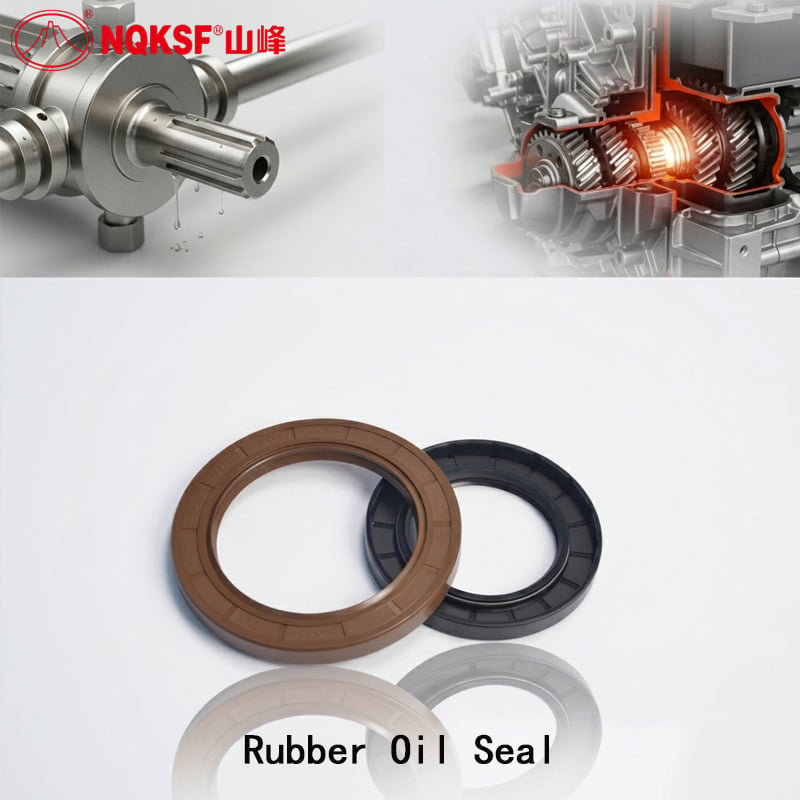
تُقدِّم أختام الزيت المصنوعة من مطاط NBR أداءً استثنائيًّا تجعلها مناسبةً جدًّا للتطبيقات التي تتضمَّن بيئات تحتوي على مواد زيتية. وعندما تعمل المعدات الصناعية في ظروفٍ تكون فيها مواد التشحيم القائمة على البترول، والسوائل الهيدروليكية، ومختلف تركيبات الزيوت موجودةً، يصبح اختيار تقنية الإغلاق أمرًا حاسم الأهمية للحفاظ على سلامة التشغيل. وتوفِّر البنية الجزيئية الفريدة لمطاط النتريل بوتادين مزايا جوهريةً تعالج مباشرةً التحديات الناجمة عن التعرُّض الطويل الأمد للمواد الزيتية.

تتمثّل مزايا أختام الزيت المصنوعة من مطاط نيترايل بوتادين (NBR) في الوسائط الزيتية في توافقها الكيميائي، ومتانتها الميكانيكية، وملف أدائها الفعّال من حيث التكلفة. وتُظهر هذه الحلول الختمية مقاومةً فائقة للتورّم والانحلال والتصلّب عند التعرّض للزيوت المعدنية والمواد التشحيمية الاصطناعية ومشتقات البترول التي توجد عادةً في تطبيقات المركبات الآلية، وأنظمة الهيدروليك، والآلات الصناعية. ويُمكّن فهم هذه المزايا المحددة المهندسين وفنيي الصيانة من اتخاذ قراراتٍ مستنيرةٍ بشأن اختيار تقنيات الختم المناسبة للبيئات التشغيلية الغنية بالزيت.
فوائد المقاومة الكيميائية والتوافق
مقاومة فائقة لامتصاص الزيت
تتميز أختام الزيت المصنوعة من مطاط NBR بمقاومة استثنائية لامتصاص الزيت، وهي ميزة أساسية في التطبيقات التي تستخدم وسائط زيتية. ويتراوح محتوى الأكريلونيتريل في تركيبات مطاط NBR عادةً بين ١٨٪ و٥٠٪، حيث توفر التركيزات الأعلى من الأكريلونيتريل مقاومةً محسَّنةً للزيت. وتمنع هذه البنية الكيميائية التورُّم المفرط الذي قد يُخلُّ بهندسة الختم ويؤدي إلى فشله المبكر في البيئات الزيتية القاسية.
عندما تتعرَّض المواد المطاطية التقليدية لوسائط مبنية على البترول، فإنها غالبًا ما تشهد تمدُّدًا حجميًّا يغيِّر الأبعاد الحرجة للختم. أما تركيبات مطاط NBR ختم زيت المطاط فتحافظ على ثبات الأبعاد حتى أثناء التعرُّض الطويل للزيوت المعدنية والمواد التشحيمية الاصطناعية وسوائل الهيدروليك. ويضمن هذا الثبات أداءً ثابتًا للختم طوال دورة التشغيل الكاملة.
تُنشئ التوافقية الجزيئية بين مطاط النتريل (NBR) والوسائط القائمة على الهيدروكربون تأثير حاجز يمنع اختراق هذه الوسائط إلى مادة الختم. ويحافظ هذا الميكانيكيّة المقاومة على الخصائص الفيزيائية لختم الزيت المطاطي، مع منع تأثيرات التليّن التي تحدث عادةً عند استخدام مواد ختم غير متوافقة في التطبيقات الزيتية.
نطاق توافقية سوائل الهيدروكربون
يتميز ختم زيت المطاط من نوع نتريل بوتادين (NBR) بتوافق واسع مع مختلف سوائل الهيدروكربون المستخدمة في التطبيقات الصناعية والسيارات. ويشمل هذا التوافق الزيوت المعدنية ذات مدى اللزوجة من الزيوت الآلية الخفيفة إلى مواد تشحيم التروس الثقيلة، ما يجعل مطاط NBR خيارًا مثاليًّا للبيئات المتعددة السوائل، حيث يكون استبدال الختم غير عملي.
توفر البنية الكيميائية لمركب نتريل بوتادين (NBR) أداءً فعالاً في إحكام الإغلاق ضد الهيدروكربونات الأليفاتية، وزيوت البارافين، والزيوت النفتينية المستخدمة عادةً في تركيبات المواد التشحيمية. وتتيح هذه التوافقية الواسعة الاستغناء عن مواد الإغلاق المتخصصة عند تشغيل المعدات بأنواع مختلفة من الزيوت أو عند تغيُّر مواصفات السوائل خلال فترات الخدمة.
تحافظ المواد التشحيمية الاصطناعية، ومنها التركيبات القائمة على البولي ألفا أوليفين (PAO) والأسماك، على توافقها مع مركبات حشوات زيت المطاط من نوع نتريل بوتادين (NBR) المصمَّمة بشكلٍ مناسب. ويسمح هذا التوافق بإجراء انتقالات سلسة بين المواد التشحيمية التقليدية والاصطناعية دون الحاجة إلى استبدال الحشوات أو إدخال تعديلات على النظام.
مزايا الأداء الميكانيكي
متانة محسَّنة في الظروف الديناميكية
توفر أختام الزيت المصنوعة من مطاط النتريل (NBR) متانة استثنائية عند التعرض لظروف التحميل الديناميكي في البيئات الزيتية. وتُحافظ الخصائص المطاطية لمطاط النتريل على مرونته ومقاومته حتى عند امتلائه بوسائط قائمة على البترول، مما يضمن أداءً موثوقًا للإغلاق تحت أنماط الحركة الترددية والدائرية والاهتزازية.
تولِّد التطبيقات الديناميكية الحرارة عبر الاحتكاك والعمل الميكانيكي، ما يخلق إجهادًا حراريًّا داخل أنظمة الإغلاق. وتظل تركيبات مطاط النتريل (NBR) تحافظ على خصائصها الميكانيكية ضمن نطاقات درجات الحرارة المعتدلة، عادةً ما تضمن الإغلاق الفعّال في نطاق يتراوح بين -٣٠°م و+١٢٠°م في التطبيقات التي تشمل الوسائط الزيتية. ويمنع هذا الاستقرار الحراري التصلب أو التليين اللذين قد يُضعفان سلامة الختم أثناء التقلبات الحرارية.
توفر مواد أختام الزيت المصنوعة من مطاط نتريل بيوتادين (NBR) مقاومة عالية للتمزق، مما يوفر حماية ضد التلف الميكانيكي أثناء التركيب والتشغيل. وتؤدي هذه الميزة في المتانة إلى تقليل متطلبات الصيانة وزيادة فترات الخدمة في التطبيقات التي تتطلب استبدال الختم وتكبّد تكاليف كبيرة نتيجة توقف التشغيل.
قدرات مقاومة الضغط
تحافظ موانع التسرب الزيتية المصنوعة من مطاط النتريل بوتادين (NBR) والمصممة بشكل صحيح على أداء منع التسرب الفعال في ظل ظروف الضغط المتوسطة إلى العالية الشائعة في الأنظمة الهيدروليكية والهوائية التي تعمل بالسوائل الزيتية. يوفر معامل المرونة لمطاط النتريل بوتادين صلابة كافية لمقاومة الانضغاط مع الحفاظ على المرونة اللازمة لتطبيقات منع التسرب الديناميكية.
تُدار تأثيرات التدوير الضاغط، التي قد تؤدي إلى فشل التعب في مواد الإغلاق الصلبة، بشكلٍ فعّالٍ بفضل الخصائص اللزوجية-المرونية لمجمعات نتريل المطاطية (NBR). وتتيح هذه المقاومة للضغط التشغيل الموثوق به في الأنظمة ذات الظروف المتغيرة للضغط، مثل الدوائر الهيدروليكية التي تتغير فيها مستويات الضغط تبعًا للحمل.
يتيح قدرة أختام زيت المطاط النتريلي (NBR) على الحفاظ على ضغط التلامس مع الأسطح المتقابلة تحت تقلبات ضغط النظام احتواءً ثابتًا للسوائل. وتحvents هذا السلوك الاستجابة للضغط من تشكُّل مسارات التسرب المجهرية التي قد تظهر عند استخدام مواد إغلاق أقل مرونة.
الفوائد الاقتصادية والتشغيلية
ملف أداء اقتصادي التكلفة
توفر أختام الزيت المصنوعة من مطاط NBR نسبة ممتازة بين التكلفة والأداء في التطبيقات التي تتضمن وسائط زيتية، لا سيما عند مقارنتها بمواد الإلاستومر المتخصصة أكثر. ويساهم توافر مركبات NBR على نطاق واسع والعمليات التصنيعية الراسخة في تحقيق أسعار تنافسية مع تقديم أداء موثوق في إحكام التسرب في البيئات الغنية بالزيت.
تظل تكاليف تصنيع أختام الزيت المصنوعة من مطاط NBR مستقرة نسبيًّا بفضل تقنيات الإنتاج الناضجة وسهولة توفر المواد الخام. ويُمكِّن هذا الاستقرار في التكاليف من إجراء حساب دقيق لتكاليف دورة الحياة لتخطيط الصيانة وإدارة المخزون في المرافق التي تستخدم وسائط زيتية على نطاق واسع.
يؤدي العمر التشغيلي الطويل الذي تحققه أختام NBR المُختارة بشكل مناسب في التطبيقات الزيتية إلى خفض تكرار الاستبدال والتكاليف المرتبطة باليد العاملة. وعند دمج هذه الميزة المتعلقة بالمتانة مع انخفاض تكلفة المادة الأولية، فإن ذلك يخلق فوائد كبيرة في إجمالي تكلفة الملكية للعمليات الصناعية.
مزايا الصيانة والاستبدال
تُبسِّط أختام الزيت المصنوعة من مطاط NBR إجراءات الصيانة من خلال التوحيد في الأحجام والتوافر السهل لقطع الغيار. وقد أدى الاعتماد الواسع على مطاط NBR في التطبيقات التي تتضمن وسائط زيتية إلى توفر مخزونٍ واسعٍ لهذه الأختام وتقليل فترات التوريد اللازمة لاستبدالها عبر مختلف القطاعات الصناعية.
تتبع إجراءات تركيب أختام الزيت المصنوعة من مطاط NBR الممارسات القياسية التي يستطيع موظفو الصيانة تنفيذها دون الحاجة إلى تدريب متخصص أو أدوات خاصة. ويؤدي هذا البساطة التشغيلية إلى خفض تعقيد عمليات الصيانة وتقليل احتمال وقوع أخطاء أثناء التركيب، والتي قد تُضعف أداء الختم.
تتيح أنماط الفشل المتوقعة لأختام NBR في البيئات الزيتية جدولة صيانة استباقية استنادًا إلى عدد ساعات التشغيل أو فترات تغيير السوائل. وتدعم هذه القابلية للتنبؤ استراتيجيات الصيانة القائمة على الحالة، مما يحسّن توقيت الاستبدال ويمنع حدوث أعطال غير متوقعة.
التطبيق - مزايا الأداء المحددة
تطبيقات ناقل الحركة في المركبات
تتفوق أختام الزيت المصنوعة من مطاط النتريل بوتادين (NBR) في تطبيقات ناقل الحركة في المركبات، حيث يجب أن توفر إغلاقًا موثوقًا ضد زيوت التروس ومواد تشحيم التفاضلية وسوائل نواقل الحركة. وتتماشى ظروف التشغيل في هذه التطبيقات — ومنها درجات الحرارة المعتدلة والأحمال الديناميكية والتعرض المستمر للزيوت — تمامًا مع الخصائص الأداءية لمطاط النتريل بوتادين (NBR).
تستخدم أختام عمود المرفق وأختام مخرج ناقل الحركة وأختام تفاضلية الترس المُسنَّن مركبات مطاط النتريل بوتادين (NBR) المصممة خصيصًا لتوافقها مع زيوت السيارات. ويجب أن تحافظ هذه الأختام على سلامتها خلال ملايين الدورات الدورانية، مع منع تسرب الزيت الذي قد يؤدي إلى تلف المكونات أو التلوث البيئي.
تُعد قدرة أختام الزيت المصنوعة من مطاط NBR على التكيف مع الانحراف الطفيف في عمود الدوران والعُيوب السطحية جعلها مناسبةً بشكل خاص لمكونات السيارات التي تُنتج بكميات كبيرة، حيث قد لا تكون التحملات التصنيعية الضيقة مجدية اقتصاديًّا. ويضمن هذا التكيُّف مع التحملات أداءً موثوقًا للإغلاق عبر التغيرات الإنتاجية.
فوائد الأنظمة الهيدروليكية الصناعية
تستفيد الأنظمة الهيدروليكية الصناعية العاملة بالسوائل القائمة على البترول بشكل كبير من مقاومة أختام الزيت المطاطية من نوع NBR للضغط وقدرتها على الإغلاق الديناميكي. وعادةً ما تعمل هذه الأنظمة عند ضغوط تتراوح بين ١٠٠٠ و٥٠٠٠ رطل لكل بوصة مربعة (PSI)، مما يخلق متطلبات إغلاق صعبة يمكن لمكونات NBR تلبيتها بكفاءة.
يجب أن تتحمل أختام الأسطوانة وأختام عمود المضخة وأختام ساق الصمام في التطبيقات الهيدروليكية كلًا من الأحمال الساكنة والحركية مع الحفاظ على احتواء السائل. وتتيح خصائص الاسترجاع المرن لمطاط النتريل بوتادين (NBR) لهذه الأختام الحفاظ على ضغط التلامس الفعّال حتى مع حدوث التمدد الحراري والتآكل الميكانيكي لمكونات النظام.
توفر أختام الزيت المصنوعة من مطاط النتريل بوتادين (NBR) مقاومةً للتلوث، مما يحميها من الجسيمات الدقيقة الشائعة في السوائل الهيدروليكية الصناعية. وتسهم هذه القدرة على التحمل أمام التلوث في إطالة عمر الختم وتقليل تكرار غسل النظام اللازم للحفاظ على ظروف التشغيل النظيفة.
الأسئلة الشائعة
ما المدة الزمنية التي تدومها عادةً أختام الزيت المصنوعة من مطاط النتريل بوتادين (NBR) في التطبيقات التي تتعرض فيها لوسائط زيتية؟
توفّر أختام الزيت المصنوعة من مطاط NBR في التطبيقات التي تستخدم وسائط زيتية عادةً عمر خدمة يتراوح بين ٢٠٠٠ و١٠٠٠٠ ساعة تشغيل، وذلك حسب ظروف التشغيل المحددة مثل درجة الحرارة والضغط وسرعة العمود وتوافق السائل. ويمكن أن يُطيل التثبيت والصيانة السليمةان من عمر الخدمة هذا بشكل ملحوظ، بينما قد تؤدي ظروف التشغيل القصوى إلى تقليل العمر الافتراضي المتوقع.
هل يمكن لأختام الزيت المصنوعة من مطاط NBR التعامل مع الزيوت الاصطناعية بكفاءة مماثلة لتلك الخاصة بالزيوت المعدنية التقليدية؟
تتميّز أختام الزيت المصنوعة من مطاط NBR بتوافق ممتاز مع معظم الزيوت الاصطناعية، بما في ذلك التركيبات المستندة إلى البولي ألفا أوليفين (PAO) والesters. ومع ذلك، ينبغي التحقق من التوافق مع التركيبات الزيتية الاصطناعية المحددة، لأن بعض السوائل الاصطناعية قد تحتوي على إضافات أو مواد أساسية قد تؤثر على أداء مطاط NBR. ويضمن الاختيار المناسب لمكوّن المطاط الأداء الأمثل مع مواد التشحيم الاصطناعية.
ما هي القيود المتعلقة بدرجة الحرارة التي يجب أخذها في الاعتبار عند استخدام أختام الزيت المصنوعة من مطاط NBR في البيئات الزيتية؟
تُستخدم أختام الزيت المصنوعة من مطاط NBR عادةً بكفاءة في وسائط زيتية ضمن نطاق درجة حرارة يتراوح بين -30°م إلى +120°م (-22°ف إلى +248°ف). وقد يؤدي التعرُّض المطوَّل لدرجات الحرارة أعلى من هذا النطاق إلى تصلُّب الختم وانخفاض مرونته، بينما قد تتسبّب درجات الحرارة المنخفضة جدًّا في تصلُّب مؤقَّت. وتتوافر صيغ خاصة من مطاط NBR منخفضة الحرارة للاستخدامات التي تتطلَّب أداءً محسَّنًا في الأجواء الباردة.
هل توجد اعتبارات محددة تتعلَّق بتثبيت أختام الزيت المصنوعة من مطاط NBR في البيئات الزيتية عالية التلوُّث؟
تتطلب تركيب أختام الزيت المطاطية المصنوعة من مطاط النتريل (NBR) في البيئات الزيتية الملوثة اهتمامًا دقيقًا بنظافة السطح والتشحيم المناسب أثناء التجميع. وينبغي حماية شفة الختم من الحواف الحادة والتلوث أثناء التركيب، كما يجب أن يتوافق سطح العمود مع متطلبات الخشونة المحددة. ويضمن استخدام أدوات تركيب نظيفة والالتزام بمواصفات العزم المناسبة أداءً مثاليًّا للختم ويمنع التآكل المبكر الناجم عن التعرُّض للتلوث.
جدول المحتويات
- فوائد المقاومة الكيميائية والتوافق
- مزايا الأداء الميكانيكي
- الفوائد الاقتصادية والتشغيلية
- التطبيق - مزايا الأداء المحددة
-
الأسئلة الشائعة
- ما المدة الزمنية التي تدومها عادةً أختام الزيت المصنوعة من مطاط النتريل بوتادين (NBR) في التطبيقات التي تتعرض فيها لوسائط زيتية؟
- هل يمكن لأختام الزيت المصنوعة من مطاط NBR التعامل مع الزيوت الاصطناعية بكفاءة مماثلة لتلك الخاصة بالزيوت المعدنية التقليدية؟
- ما هي القيود المتعلقة بدرجة الحرارة التي يجب أخذها في الاعتبار عند استخدام أختام الزيت المصنوعة من مطاط NBR في البيئات الزيتية؟
- هل توجد اعتبارات محددة تتعلَّق بتثبيت أختام الزيت المصنوعة من مطاط NBR في البيئات الزيتية عالية التلوُّث؟