
 EN
EN
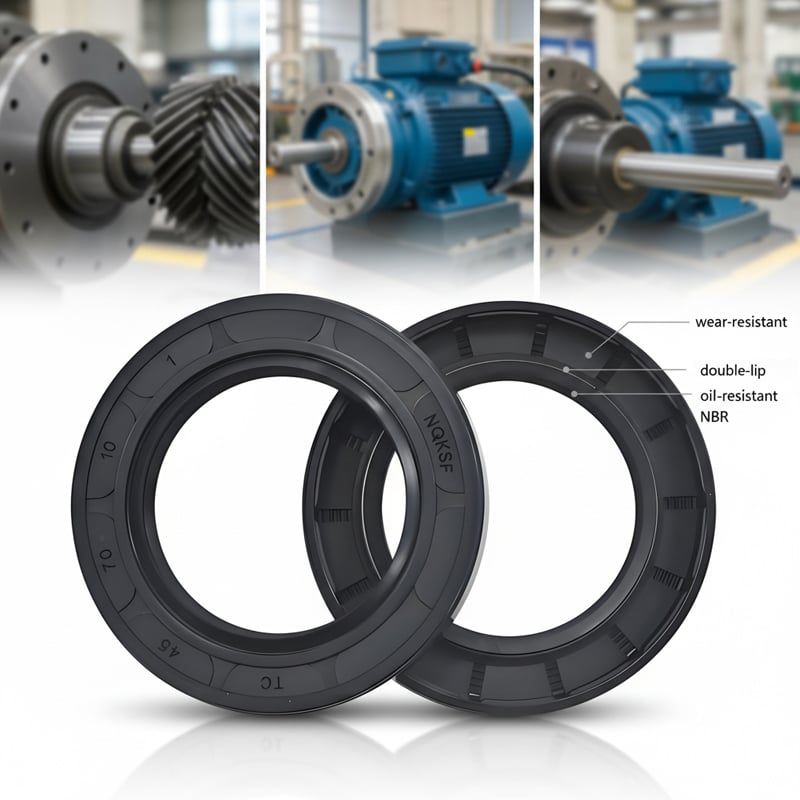
When selecting the right sealing solution for rotating equipment, understanding the distinctions between different seal technologies is critical. A tc oil seal represents one of the most widely used sealing options in industrial machinery, but many engineers and procurement professionals remain unclear about how it compares to alternative seal types. The choice between a tc oil seal and other sealing technologies can significantly impact equipment reliability, maintenance costs, and operational lifespan. This guide provides a comprehensive comparison that will help you make informed decisions about which sealing solution best fits your specific application requirements.
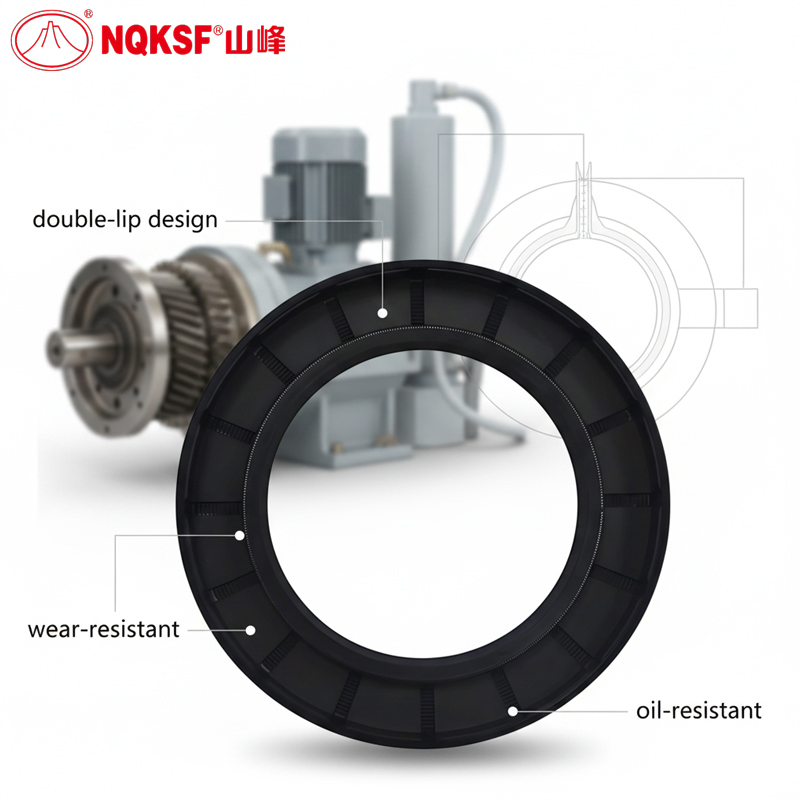
The tc oil seal is fundamentally designed to prevent lubricant leakage while protecting internal components from contamination in rotating shaft applications. Understanding how a tc oil seal functions and how it differs from competing technologies will enable you to optimize your sealing strategy and reduce unexpected downtime. Whether you operate in automotive, industrial machinery, or heavy equipment sectors, this comparison will clarify the practical advantages and limitations of tc oil seals relative to other seal types available in the marketplace today.
Understanding TC Oil Seal Fundamentals and Design Characteristics
Core Design Elements of the TC Oil Seal
A tc oil seal is a rotary shaft seal featuring a specific construction that combines elastomeric materials with metal reinforcement components. The typical tc oil seal includes a metal spring, a housing element, and a wear ring, all designed to work together in maintaining consistent contact with rotating shafts. This integrated design allows a tc oil seal to accommodate minor shaft runout while maintaining effective sealing performance across varying operational conditions. The name 'tc' itself refers to the standardized metric dimensions and performance ratings established by international sealing standards, making the tc oil seal instantly recognizable across global industrial markets.
Material Composition and Performance Range
The tc oil seal typically employs nitrile or fluorocarbon elastomers to achieve compatibility with various mineral oils, synthetic fluids, and petroleum-based lubricants commonly found in industrial equipment. A properly specified tc oil seal can operate effectively across temperature ranges from approximately minus forty to one hundred twenty degrees Celsius, depending on the elastomer compound selected. The metal reinforcement in a tc oil seal provides structural integrity while the spring maintains contact pressure against the rotating shaft, creating a dynamic seal that adapts to minor variations in shaft diameter and surface conditions. This combination makes the tc oil seal a remarkably versatile solution for countless rotating machinery applications.
Comparative Analysis of TC Oil Seals versus Alternative Seal Technologies
TC Oil Seal Performance Against Mechanical Seals
Mechanical seals represent a fundamentally different sealing approach compared to a tc oil seal, utilizing two flat sealing surfaces held in contact by springs and hydraulic pressure rather than relying on elastomeric deformation. While a mechanical seal offers superior performance in high-speed, high-temperature, or caustic chemical environments, it requires more sophisticated installation and significantly higher capital investment. A tc oil seal, conversely, provides simpler design, lower cost, and easier maintenance in moderate-duty applications typical of automotive engines and standard industrial pumps. The choice between a tc oil seal and mechanical seal ultimately depends on application severity, budget constraints, and acceptable maintenance intervals rather than any universal superiority of one technology over another.
TC Oil Seal Advantages Over Labyrinth and Felt Seals
Labyrinth seals and felt-type seals represent older sealing technologies that continue to appear in certain applications, yet they offer substantially less effective contaminant exclusion compared to a modern tc oil seal. A tc oil seal actively prevents lubricant escape through dynamic contact, whereas labyrinth seals merely restrict flow through geometric complexity and felt seals rely on absorption and capillary action. In terms of actual performance metrics, a tc oil seal demonstrates dramatically lower leakage rates, superior contamination exclusion, and extended equipment operating life compared to these alternative technologies. Equipment manufacturers have progressively replaced labyrinth and felt solutions with tc oil seal technology specifically because a tc oil seal delivers measurable performance advantages that directly extend maintenance intervals and reduce environmental contamination.
Comparing TC Oil Seals to Magnetic and Liquid Seals
Magnetic seals and specialized liquid sealing systems represent emerging technologies designed for applications where traditional elastomeric seals prove inadequate, such as high-temperature or chemically aggressive environments. A tc oil seal cannot function effectively in applications exceeding approximately one hundred twenty degrees Celsius or involving strong solvents that degrade elastomer materials, which explains the necessity for alternative technologies in those specific scenarios. However, for the overwhelming majority of industrial rotating machinery, a tc oil seal delivers superior cost-effectiveness, proven reliability, and established service histories compared to emerging seal technologies that carry higher costs and less operational experience. The comparison clearly demonstrates that while specialized seals serve niche applications, the tc oil seal remains the dominant choice for general-purpose shaft sealing across global manufacturing.
Practical Selection Criteria and Application Guidance
Identifying When a TC Oil Seal Represents the Optimal Choice
Selecting a tc oil seal proves most appropriate when your application involves shaft speeds below approximately three thousand revolutions per minute, operating temperatures within moderate ranges, and standard petroleum-based or synthetic mineral lubricants. A tc oil seal performs exceptionally well in automotive engine applications, gearbox assemblies, pump housings, and general industrial rotating equipment where reliability and cost-effectiveness drive purchasing decisions. The tc oil seal's established track record across millions of applications globally provides substantial confidence in performance predictability and supply chain availability. If your application parameters fall within these typical ranges and budget considerations are important, specifying a tc oil seal will almost certainly prove to be the most economically rational selection.
Recognizing Application Scenarios Requiring Alternative Seal Technologies
Your application may require sealing technologies beyond a standard tc oil seal if operating speeds exceed five thousand revolutions per minute, temperatures rise above one hundred twenty degrees Celsius, or your lubricant includes aggressive chemical solvents incompatible with elastomer materials. High-speed spindle bearings, aerospace hydraulic systems, and applications involving specialized synthetic fluids often demand mechanical seals, ceramic seals, or proprietary sealing solutions instead of a tc oil seal. Equipment operating in extreme environments such as deep-water exploration or high-temperature industrial processing typically cannot rely on a tc oil seal alone. Accurately assessing these application parameters before seal selection prevents costly failures and ensures you choose either a tc oil seal or an appropriate alternative technology matched to your specific operational requirements.
Installation, Maintenance, and Total Cost Considerations
Installation Simplicity and Maintenance Advantages of TC Oil Seals
One of the most compelling practical advantages of using a tc oil seal rather than competing technologies is the straightforward installation process requiring only basic mechanical skills and standard tooling. A tc oil seal installation typically requires removing the shaft, pressing the seal into position, and reassembling the equipment, a task that most maintenance technicians can complete within minutes. Maintenance of equipment using a tc oil seal involves only periodic inspection and lubricant replenishment, whereas mechanical seals demand careful adjustment, potential alignment verification, and more complex troubleshooting when performance degrades. The simplicity of a tc oil seal translates directly into lower labor costs, reduced downtime during seal replacement, and decreased likelihood of installation errors that might compromise performance. This maintenance accessibility represents a significant competitive advantage particularly for smaller manufacturers and facilities with limited technical support resources.
Total Cost of Ownership and Economic Justification
When performing comprehensive economic analysis comparing a tc oil seal against alternative sealing technologies, the total cost of ownership demonstrates clear advantages for most general-purpose applications. A tc oil seal typically costs ten to thirty percent of the price of an equivalent mechanical seal, creating immediate capital savings while delivering adequate performance for standard industrial applications. The straightforward installation process for a tc oil seal reduces labor expenses during initial assembly and future maintenance compared to specialized seals requiring expert technician certification or complex alignment procedures. Over a five to ten year equipment lifecycle, an organization deploying tc oil seals across standard machinery applications will typically achieve total cost of ownership thirty to fifty percent lower than would result from selecting premium sealing technologies for all applications indiscriminately. This economic reality explains why the tc oil seal has maintained market dominance for several decades despite emergence of advanced alternative technologies in specialized sectors.
FAQ
What makes a TC oil seal different from a mechanical seal?
A tc oil seal uses elastomeric contact with a rotating shaft to create a dynamic seal, whereas a mechanical seal employs two flat sealing surfaces pressed together by springs and hydraulic force. The tc oil seal is simpler, less expensive, and easier to install in moderate-duty applications, while mechanical seals excel in high-speed, high-temperature, or severely demanding environments that would cause premature failure of a tc oil seal. Mechanical seals typically cost five to ten times more than a tc oil seal but deliver superior performance in extreme operating conditions.
Can a TC oil seal be used in high-temperature applications?
A tc oil seal performs reliably up to approximately one hundred twenty degrees Celsius with standard nitrile elastomers, or up to one hundred forty degrees with fluorocarbon compounds, but it cannot operate effectively at temperatures exceeding one hundred fifty degrees Celsius. Applications involving sustained temperatures above one hundred twenty degrees Celsius should consider mechanical seals, ceramic seals, or specialized elastomer compounds formulated for extreme thermal environments. Specifying the wrong seal type for high-temperature service will result in elastomer degradation and seal failure within hours or days rather than the years-long service life expected from a properly matched tc oil seal.
How long does a TC oil seal typically last?
A tc oil seal typically delivers functional service life between three to seven years in normal industrial applications, with some installations achieving eight to ten years under ideal conditions involving proper installation, clean lubricant, and stable operating parameters. Harsh operating conditions, contaminated lubricants, improper installation, or excessive shaft runout can reduce tc oil seal life to less than one year, while well-maintained applications with moderate speeds and temperatures often see the tc oil seal exceed design expectations. Regular maintenance including lubricant monitoring, contamination control, and periodic inspection will significantly extend tc oil seal service life and improve overall equipment reliability.