
 EN
EN
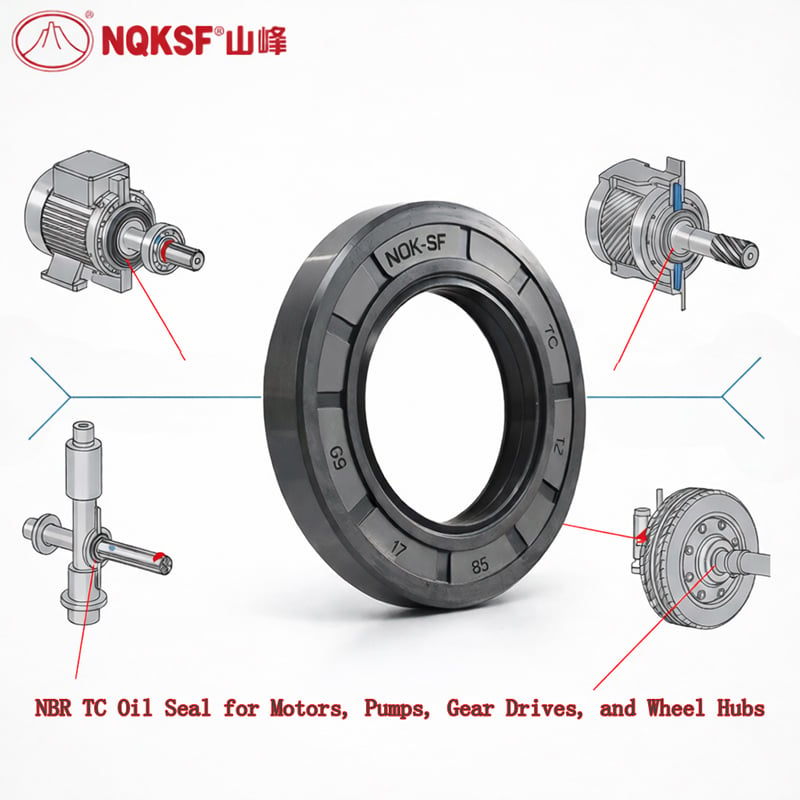
The selection of materials for a tc oil seal directly determines its operational longevity, pressure handling capacity, and resistance to fluid degradation. Industrial machinery, pumps, compressors, and hydraulic systems depend on properly engineered tc oil seal solutions to prevent fluid leakage, contamination, and catastrophic equipment failure. Choosing the right material composition for your tc oil seal is not merely a technical specification decision but a critical investment in equipment reliability and operational cost control.
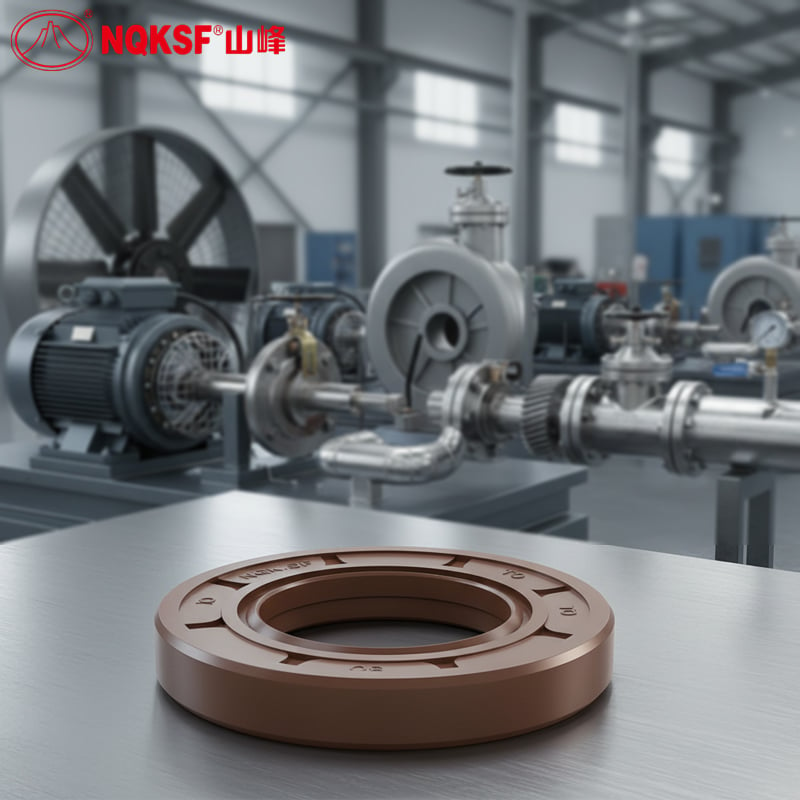
Every tc oil seal operates within a complex environment of temperature fluctuations, mechanical stress, and exposure to mineral oils, synthetic fluids, or aggressive chemical compounds. The material science behind a high-performance tc oil seal involves careful balance between elasticity, thermal stability, chemical compatibility, and mechanical strength. Understanding which materials excel in different operational contexts allows engineers and procurement teams to specify tc oil seal products that deliver superior performance while optimizing total cost of ownership across equipment lifecycle.
Core Material Composition in TC Oil Seal Design
Nitrile Rubber and Synthetic Elastomers
Nitrile rubber remains the most widely deployed material for tc oil seal applications across automotive, industrial, and mobile equipment sectors. The tc oil seal constructed from nitrile elastomer offers exceptional resistance to mineral oils, fuels, and conventional hydraulic fluids while maintaining stable dimensional integrity across moderate temperature ranges from minus forty to approximately one hundred thirty degrees Celsius. Nitrile-based tc oil seal formulations provide reliable performance at competitive cost, making them the default choice for standard industrial applications where operating conditions remain within predictable parameters.
Synthetic elastomers, including fluorocarbon and polyacrylate compounds, extend the performance envelope of a tc oil seal when exposed to elevated temperatures, aggressive chemical environments, or synthetic lubricants. A tc oil seal manufactured from fluorocarbon material delivers superior chemical compatibility with synthetic fluids and demonstrates enhanced resistance to thermal degradation compared to nitrile alternatives. For applications requiring a tc oil seal to function reliably above one hundred twenty degrees Celsius or in contact with ester-based or polyol ester fluids, fluorocarbon or polyacrylate elastomers provide the material durability necessary to prevent premature failure and fluid leakage.
Polyurethane and High-Performance Variants
Polyurethane elastomers offer distinct advantages when a tc oil seal must tolerate extreme mechanical loading, high-speed rotation, or severe pressure cycling. The tc oil seal made from polyurethane demonstrates exceptional resistance to abrasion, extrusion, and mechanical tear compared to conventional nitrile compounds, making it ideal for high-speed pump seals, compressor applications, and heavy-duty industrial equipment. Polyurethane-based tc oil seal designs excel in applications where wear resistance directly impacts service intervals and maintenance costs.
Specialized high-performance elastomers, including PTFE-infused compounds and perfluoroelastomers, represent the premium material tier for tc oil seal applications. These advanced formulations enable a tc oil seal to withstand extreme temperature excursions, aggressive chemical exposure, and demanding pressure conditions that would compromise standard elastomer performance. A tc oil seal engineered from perfluoroelastomer material can operate reliably in environments reaching two hundred degrees Celsius or above while maintaining contact with strongly polar solvents, chlorinated hydrocarbons, or other chemically aggressive fluids that degrade conventional elastomers.
Material Selection Criteria and Performance Trade-offs
Temperature Resistance and Thermal Stability
Temperature performance stands as the primary driver differentiating tc oil seal material choices across industrial applications. A tc oil seal operating in a low-temperature environment, such as refrigeration compressors or cold climate equipment, demands elastomer materials that remain flexible and maintain seal integrity as viscosity changes and material hardness increases. Conversely, a tc oil seal specified for high-temperature service in turbocharged engines, exhaust applications, or process heating systems requires elastomer compounds that resist thermal degradation, crosslinking, and permanent deformation above normal operating ranges.
Material thermal stability directly correlates with the upper temperature limit at which a tc oil seal maintains functional sealing performance. Nitrile-based tc oil seal formulations typically operate effectively to approximately one hundred thirty degrees Celsius before material softening and fluid permeability become problematic. A tc oil seal manufactured from fluorocarbon or polyacrylate elastomer extends this thermal ceiling to roughly one hundred sixty to one hundred eighty degrees Celsius, while perfluoroelastomer-based tc oil seal designs can sustain two hundred degrees Celsius or higher without losing critical sealing characteristics. Selecting the appropriate material grade ensures a tc oil seal delivers reliable performance throughout the entire expected operating temperature range without safety margins that result in oversizing and unnecessary cost.
Chemical Compatibility and Fluid Resistance
The fluid environment surrounding a tc oil seal exerts profound influence on material selection and long-term reliability. A tc oil seal exposed to mineral-based hydraulic oils benefits from nitrile elastomer compatibility, which has been proven across decades of industrial service. However, a tc oil seal subject to synthetic ester fluids, polyalphaolefin lubricants, or high-performance gear oils may experience swelling, hardening, or accelerated degradation if specified in standard nitrile material. Fluorocarbon and polyacrylate elastomers provide superior resistance to synthetic fluid formulations, allowing a tc oil seal to maintain dimensional stability and sealing effectiveness across extended service intervals.
Environmental and chemical contact scenarios demand careful material analysis before finalizing a tc oil seal specification. A tc oil seal must resist not only the primary working fluid but also cleaning solvents, corrosion inhibitors, additives within the fluid, and any potential contamination that might accumulate over equipment service life. Polyurethane-based tc oil seal designs offer particular value when fluid compatibility concerns emerge, as this elastomer material demonstrates broad resistance to many chemical families while maintaining excellent mechanical properties. Advanced material certifications and compatibility matrices help engineers identify the optimal tc oil seal material composition for any specific fluid or chemical environment.
Mechanical Performance and Durability Factors
Pressure Rating and Extrusion Resistance
The mechanical demands imposed on a tc oil seal during operation strongly influence which elastomer material and formulation delivers acceptable service life. A tc oil seal experiencing moderate pressure cycling in standard pump applications can function reliably with conventional nitrile elastomer, whereas a tc oil seal exposed to severe pressure transients, high-pressure spikes, or continuous high-pressure operation demands materials with superior extrusion resistance and deformation tolerance. Polyurethane and specialized high-performance elastomers provide enhanced pressure handling compared to nitrile, enabling a tc oil seal to maintain sealing geometry even under peak pressure conditions that would permanently deform lower-grade materials.
Extrusion risk becomes critical when a tc oil seal must tolerate pressure differentials exceeding fifty to one hundred bar. A tc oil seal designed for high-pressure service incorporates material properties and support ring geometry that work together to prevent gap extrusion that leads to catastrophic leakage. Fluorocarbon and polyacrylate elastomers, combined with appropriate backup ring support, enable a tc oil seal to reliably contain pressures reaching two hundred bar or beyond without permanent deformation or failure. Specifying a tc oil seal with material grade appropriate to the actual pressure environment prevents premature replacement while ensuring equipment protection against costly fluid loss and contamination.
Speed Capability and Rotational Performance
Rotational speed directly influences the thermal load within a tc oil seal and the frictional heating that occurs at the elastomer-shaft interface. A tc oil seal operating at moderate speeds up to approximately five thousand revolutions per minute functions adequately with standard nitrile elastomer, as material temperature rise remains manageable and elastomer thermal stability remains sufficient. High-speed applications, including turbocharged engine seals or high-velocity pump designs operating above ten thousand rpm, generate significant frictional heat that requires elastomer materials with superior thermal conductivity and resistance to heat-induced degradation.
Polyurethane and advanced synthetic elastomers provide enhanced speed capability compared to nitrile, enabling a tc oil seal to function reliably at elevated rotational speeds while dissipating frictional heat more effectively and maintaining stable performance characteristics. The material selection for a tc oil seal destined for high-speed service must account for sustained temperature rise, elastomer thermal cycling resistance, and the synergistic effects of speed, temperature, and chemical exposure acting simultaneously on elastomer material integrity throughout extended service intervals.
FAQ
What material makes the most durable tc oil seal for industrial pumps?
Polyurethane and fluorocarbon elastomers deliver superior durability for industrial pump tc oil seal applications, providing exceptional resistance to abrasion, extrusion, and thermal cycling. A tc oil seal manufactured from these advanced materials typically delivers fifty to one hundred percent longer service life compared to standard nitrile formulations, particularly in high-pressure or high-speed pump environments where mechanical stress and frictional heating accelerate material degradation. Fluorocarbon-based tc oil seal designs excel when synthetic fluids are present, while polyurethane dominates when mechanical wear resistance takes priority in the material selection decision.
Can a tc oil seal material change affect equipment performance?
Material composition directly impacts tc oil seal performance, affecting leakage rates, thermal response, pressure containment, and service life reliability. Upgrading from nitrile to fluorocarbon elastomer in a tc oil seal specification improves thermal stability and chemical compatibility, potentially eliminating performance issues related to fluid incompatibility or thermal degradation. Conversely, specifying an over-engineered tc oil seal material grade in applications with moderate demands unnecessarily increases costs without performance benefit, making proper material selection critical to both operational success and economic efficiency.
How does temperature affect tc oil seal material selection?
Temperature range directly determines which elastomer material delivers acceptable tc oil seal performance across equipment operating life. Applications operating below one hundred thirty degrees Celsius typically employ nitrile-based tc oil seal materials, while service temperatures between one hundred thirty and one hundred eighty degrees Celsius require fluorocarbon or polyacrylate elastomer composition. Extreme temperature environments exceeding one hundred eighty degrees Celsius demand perfluoroelastomer or specialized high-performance compounds to ensure a tc oil seal maintains sealing integrity, dimensional stability, and mechanical properties throughout expected service intervals.