 EN
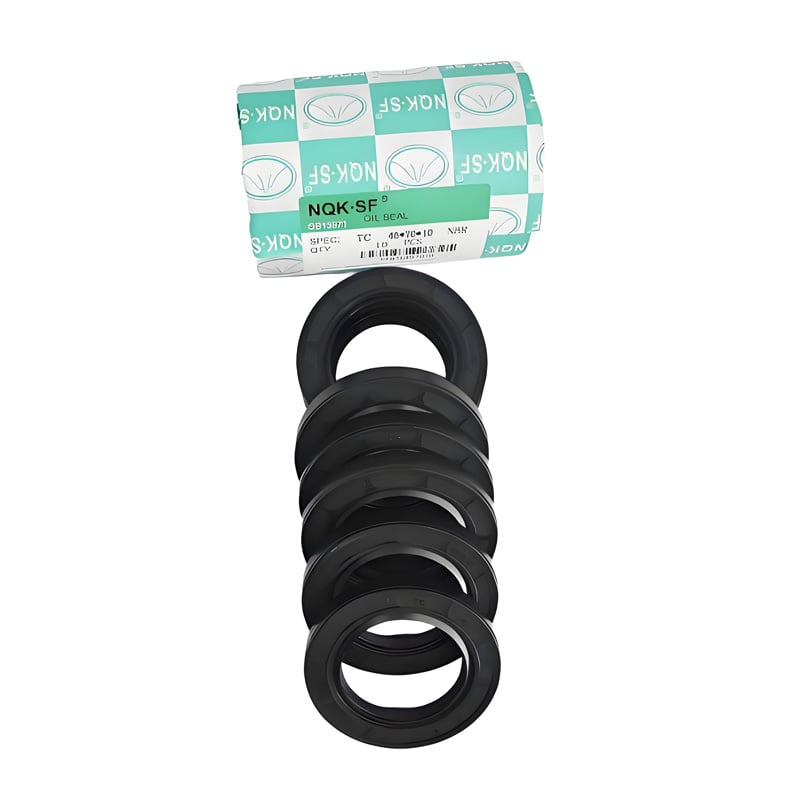
Selecting the right oil seal requires understanding how material composition directly impacts performance, longevity, and cost-effectiveness in your specific application. An oil seal is engineered to contain fluid, prevent contamination, and withstand environmental stresses, yet no single material excels in every scenario. The decision to choose one oil seal material over another depends on fluid compatibility, operating temperature, pressure conditions, rotational speed, and budget constraints. Industrial machinery, automotive engines, hydraulic systems, and pumps all demand different oil seal performance profiles. Understanding material properties helps you avoid premature failure, reduce maintenance costs, and extend equipment life.
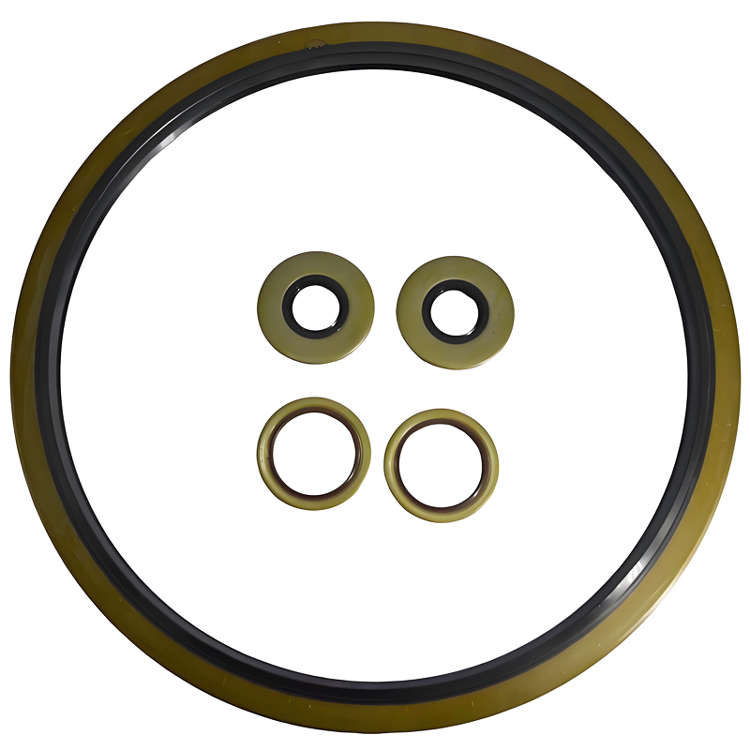
Every oil seal application presents unique challenges, and choosing the correct oil seal material is fundamental to system reliability. Fluid chemistry, temperature cycling, mechanical wear, and environmental exposure all test material durability continuously. Engineers and procurement teams must weigh elastomer characteristics, synthetic options, and hybrid designs against performance requirements and total cost of ownership. This guide walks through material selection logic, helping you identify which oil seal composition best suits your operational demands.
Understanding Core Oil Seal Materials
Elastomer Properties and Performance
Elastomers form the foundation of most oil seal designs because they flex, seal under pressure, and tolerate thermal cycling. Nitrile rubber, also called NBR, remains the industry standard for general-purpose oil seal applications due to robust fluid resistance, cost efficiency, and temperature tolerance between -40°C and 100°C. Nitrile oil seal formulations handle mineral oils, synthetic oils, and many industrial fluids without degradation. Silicone elastomer offers superior high-temperature performance, extending oil seal operating ranges to 200°C or higher, making silicone oil seal designs essential for automotive engines, industrial ovens, and extreme-heat machinery. Fluorocarbon, or Viton, delivers exceptional chemical resistance across aggressive fluids including biodiesel, harsh solvents, and specialty lubricants, positioning fluorocarbon oil seal materials as premium choices for demanding chemical processing and aviation applications.
Synthetic and Specialized Alternatives
Polyurethane oil seal materials provide excellent abrasion resistance and load-bearing capacity, making them suitable for high-speed rotational equipment where friction wear threatens conventional elastomers. Polyurethane oil seal compositions maintain rigidity across temperature variations and resist hardening in extreme cold, serving niche applications in compressors and hydraulic cylinders. PTFE, or polytetrafluoroethylene, represents a non-elastomeric option embedded in hybrid oil seal designs, combining low friction characteristics with chemical inertness. These PTFE-based oil seal solutions minimize drag losses, critical in fuel pumps and precision machinery. Ethylene Propylene Diene Monomer, known as EPDM, functions effectively in water-based applications and steam environments, though EPDM oil seal materials show weaker compatibility with petroleum products than nitrile or fluorocarbon alternatives.
Key Selection Criteria for Choosing Your Oil Seal Material
Fluid Compatibility and Chemical Resistance
The fluid circulating through your system dictates the minimum material requirements for your oil seal. Mineral oil applications typically accommodate nitrile oil seal materials without issues, but synthetic PAO, ester-based fluids, or biodiesel fuels demand upgraded elastomers. Choosing an oil seal material incompatible with your working fluid causes swelling, softening, or hardening within weeks of operation, leading to leakage and system failure. Fluorocarbon oil seal designs handle the broadest spectrum of fluids, including aggressive solvents, corrosive additives, and specialty lubricants. Always review material compatibility charts and conduct small-scale testing before deploying a new oil seal material in production environments. Temperature extremes interact with fluid chemistry; hot, caustic fluids demand more robust oil seal material selections than mild conditions.
Temperature Range and Thermal Stability
Operating temperature profoundly influences oil seal material selection and service life. Standard nitrile oil seal materials remain stable between -40°C and 100°C, covering most automotive and industrial baseline applications. Equipment running above 100°C requires silicone oil seal materials, which tolerate continuous exposure to 150–200°C without losing elasticity or seal integrity. Conversely, sub-zero environments demand low-temperature oil seal materials like polyurethane or specialized EPDM formulations that resist brittleness in deep cold. Thermal cycling—repeated heating and cooling—accelerates material degradation faster than steady-state operation; selecting an oil seal material with broader temperature tolerance provides insurance against this cycling stress. Oversizing the thermal capability of your chosen oil seal material adds reliability margins at modest cost premiums.
Balancing Performance, Cost, and Application Fit
Durability Versus Total Cost of Ownership
Nitrile oil seal materials represent the cost baseline, typically 30–50% cheaper than fluorocarbon or silicone alternatives, making them attractive for high-volume, standard applications. However, if your nitrile oil seal fails prematurely in aggressive duty, replacement labor, equipment downtime, and secondary damage often dwarf the initial material savings. Fluorocarbon or silicone oil seal investments justify themselves through extended intervals between replacements, reduced unplanned maintenance, and maintained equipment performance. Calculate total cost of ownership by projecting expected oil seal lifespan, replacement frequency, labor expense, and production loss, then compare against material cost differences. Premium oil seal materials often deliver superior economic value in critical systems, continuous-operation equipment, or remote installations where maintenance access remains costly or dangerous.
Application-Specific Recommendations
Automotive engines benefit from silicone or fluorocarbon oil seal selections due to high-temperature exposure, synthetic fluid compatibility, and extended service intervals manufacturers demand. Hydraulic systems and pumps typically thrive with nitrile oil seal materials, unless synthetic fluids or high-temperature requirements necessitate upgrades to fluorocarbon. Food and beverage processing industries often specify food-grade nitrile or silicone oil seal materials to meet regulatory compliance and contamination prevention. Refrigeration compressors require specialized oil seal materials—often polyol ester-compatible silicone or fluorocarbon—that withstand refrigerant interaction. Heavy industrial machinery, mining equipment, and construction vehicles endure dust, temperature extremes, and contamination, calling for robust fluorocarbon or reinforced nitrile oil seal compositions. Marine and offshore applications expose oil seal materials to saltwater, corrosive humidity, and intense pressure fluctuations, favoring premium fluorocarbon selections.
Implementation and Verification
Material Selection Workflow
Begin oil seal material selection by documenting operating conditions: fluid type, temperature range, pressure, rotational speed, and duty cycle. Cross-reference these parameters against manufacturer compatibility matrices to shortlist viable oil seal material options. Request samples or conduct pilot trials in non-critical applications before committing to full-scale deployment. Monitor pilot oil seal performance for leakage, thermal response, and dimensional stability over several weeks. Engage equipment manufacturers or seal specialists to validate your oil seal material choice against original design intent and any system modifications made since initial installation. Document the selection rationale and test results for traceability, supporting future maintenance decisions and troubleshooting if performance issues emerge.
Quality Assurance and Long-Term Monitoring
Sourcing your oil seal material from certified suppliers ensures consistency and compliance with industry standards like ISO or ASTM specifications. Inspect incoming oil seal components for visual defects, proper dimensions, and material certifications before installation. After deployment, establish routine monitoring schedules—checking fluid levels, inspecting for external leakage, and recording temperature trends. Early detection of oil seal degradation or leakage allows planned replacement rather than catastrophic system failure. Keep detailed maintenance records linking specific oil seal materials to longevity performance in your facilities, building institutional knowledge that refines future material selections and validates cost-benefit assumptions.
FAQ
What is the most common oil seal material used in industrial applications?
Nitrile rubber, or NBR, dominates industrial oil seal applications due to its balance of performance, cost, and broad fluid compatibility. Nitrile oil seal materials handle standard mineral oils, moderate temperature ranges, and typical pressure conditions across pumps, motors, gearboxes, and hydraulic systems. While fluorocarbon and silicone oil seal options offer superior properties, their higher cost restricts use to applications requiring extreme temperatures, aggressive chemicals, or extended service intervals where premium oil seal material investments deliver measurable value.
How do I know if my chosen oil seal material is compatible with my working fluid?
Consult material compatibility charts provided by oil seal manufacturers, cross-referencing your fluid type against tested elastomers. Most reputable suppliers publish detailed compatibility matrices covering nitrile, silicone, fluorocarbon, and polyurethane oil seal materials against mineral oils, synthetics, biodiesel, solvents, and specialty fluids. If your fluid is uncommon or contains aggressive additives, request immersion testing from the oil seal supplier or conduct a small trial before full deployment. Incompatibility manifests as swelling, softening, cracking, or hardening of the oil seal material within days or weeks, causing leakage and system damage.
Should I always choose the most expensive oil seal material available?
No. Premium oil seal materials like fluorocarbon justify their cost only when your application genuinely requires their enhanced properties. Specifying a high-end oil seal material for a standard, mild-duty application wastes capital without performance benefit. Instead, select the oil seal material meeting your minimum performance requirements—temperature range, fluid compatibility, pressure, and rotational speed—then evaluate total cost of ownership including replacement labor, downtime, and secondary damage risks to confirm the material choice balances performance and economics optimally.