
 EN
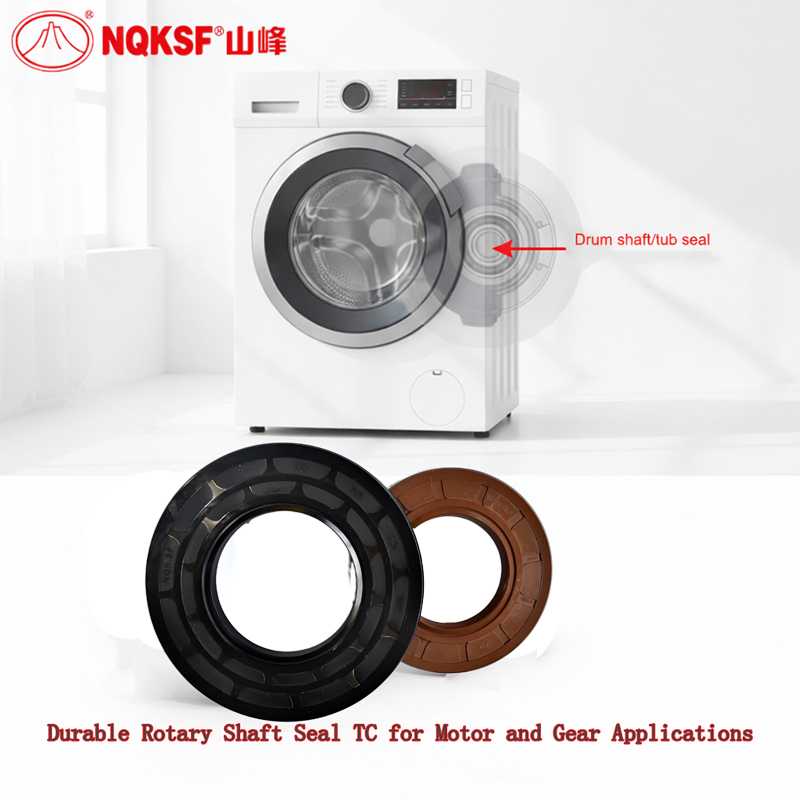
The tc oil seal with a garter spring represents a critical advancement in rotary shaft sealing technology that delivers measurable performance advantages across industrial machinery and equipment. A tc oil seal is engineered to create a dynamic seal between rotating and stationary components while maintaining consistent contact pressure throughout the component's operational life. The addition of a garter spring to a tc oil seal design ensures that seal lip contact remains steady even as operating conditions fluctuate, making this configuration increasingly essential for manufacturers seeking reliability and longevity in demanding environments.
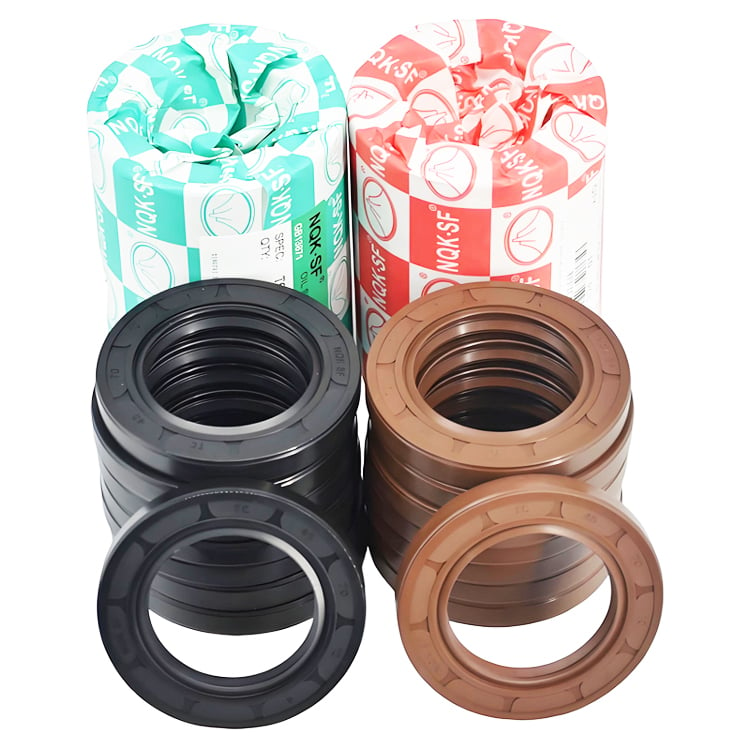
Industrial applications from automotive powertrains to heavy machinery rely on the consistent performance characteristics that a tc oil seal provides. Equipment operators and maintenance teams recognize that seal failures lead to costly downtime, environmental spillage, and accelerated component degradation. Understanding the specific performance benefits of a tc oil seal with integrated garter spring technology enables engineers to make informed decisions about seal selection and maintenance strategies that maximize equipment uptime and minimize total cost of ownership.
Superior Sealing Pressure and Consistent Contact
How Garter Springs Maintain Optimal Seal Lip Load
The primary performance benefit of a tc oil seal equipped with a garter spring lies in maintaining uniform sealing pressure across the entire contact interface. A garter spring is a helical coil that encircles the elastomer body, providing radial force that keeps the seal lip pressed firmly against the rotating shaft. Without this spring component, seal lip contact pressure would gradually diminish as the elastomer relaxes or as wear occurs during operation. With the garter spring integrated into a tc oil seal design, the contact force remains constant, ensuring that lubricant retention and contaminant exclusion remain effective throughout the seal's service life.
Dynamic Pressure Response During Thermal Cycling
Temperature fluctuations are among the most common stressors affecting seal performance in real-world machinery. A tc oil seal benefits significantly from garter spring technology because the spring compensates for material expansion and contraction that naturally occurs when equipment heats up or cools down. Rather than experiencing unpredictable changes in sealing effectiveness, a tc oil seal maintains its baseline contact pressure even as thermal conditions shift. This dynamic response capability means that a tc oil seal remains effective across wide operating temperature ranges, eliminating the performance dips that would otherwise occur with spring-less designs during thermal cycling events.
Enhanced Lubrication Retention and Reduced Leakage
Controlled Fluid Film Maintenance
A tc oil seal's performance advantage in fluid retention stems from its ability to establish and maintain a precise lubricant film between the seal lip and shaft surface. The garter spring ensures that the seal lip maintains optimal contact pressure, allowing the tc oil seal to generate a controlled micro-film of lubricant that prevents direct solid-to-solid contact while minimizing leakage past the seal interface. This equilibrium between retention and minimal leakage is critical in automotive engines, gearboxes, and hydraulic systems where fluid loss directly impacts performance and environmental compliance. A tc oil seal configured with a garter spring achieves this balance more reliably than designs without spring tension, translating to measurable reductions in fluid consumption and environmental spillage over time.
Contaminant Exclusion and Extended Drain Intervals
Beyond retaining valuable lubricants, a tc oil seal with garter spring technology actively excludes external contaminants—dust, moisture, and particulates—from entering the sealed component. The consistent sealing pressure that a tc oil seal maintains through garter spring design creates an effective barrier against particle ingress. Equipment maintenance teams have documented extended lubrication drain intervals when using a tc oil seal in place of simpler sealing solutions, because the lubricant remains cleaner and less degraded when contamination is actively prevented. This contaminant exclusion capability directly extends component service life and reduces scheduled maintenance frequency, delivering significant operational cost savings.
Wear Resistance and Extended Service Life
Reduced Friction and Lower Operating Temperatures
The optimized sealing pressure maintained by a tc oil seal's garter spring design reduces friction losses at the seal interface compared to over-tensioned or poorly designed sealing solutions. Lower friction means less heat generation, which helps equipment operate within safer thermal ranges and reduces stress on surrounding components. A tc oil seal achieves this efficiency because the garter spring applies precisely calibrated contact force—enough to seal effectively, but not so much that it creates excessive drag on the rotating shaft. This balanced tension approach results in measurably lower operating temperatures around the seal zone, which in turn slows elastomer degradation and extends the time until seal replacement becomes necessary.
Elastomer Durability Under Variable Operating Conditions
The seal lip material in a tc oil seal undergoes continuous stress during equipment operation—compression, shear, and temperature cycling all accelerate elastomer fatigue and degradation. A tc oil seal with garter spring technology distributes these stresses more evenly across the lip profile because the spring maintains consistent contact geometry. Variable-tension sealing solutions, by contrast, create stress concentration points that accelerate localized material failure. Testing and field data show that a tc oil seal consistently outlasts designs without garter springs when subjected to identical operating conditions, often extending service intervals by 30 to 50 percent. This durability advantage translates directly to reduced seal replacement frequency, lower spare parts inventory requirements, and improved equipment availability for manufacturers and operators.
FAQ
Why is a garter spring necessary in a tc oil seal design?
A garter spring in a tc oil seal provides consistent radial force that maintains optimal seal lip contact pressure throughout the seal's operating life. Without the spring, a tc oil seal would experience declining sealing effectiveness as elastomer relaxation and wear occur. The garter spring compensates for material changes, thermal effects, and normal wear, ensuring that sealing performance remains stable and predictable. This consistency is essential for preventing fluid leakage and contaminant ingress across varying operating conditions and extended service intervals.
How does a tc oil seal with a garter spring compare to conventional sealing methods?
A tc oil seal with garter spring technology delivers superior performance compared to simpler sealing designs because the spring actively maintains contact pressure and adapts to changing conditions. Conventional seals without springs rely on static interference fits that degrade over time, leading to performance loss. A tc oil seal's garter spring design ensures consistent sealing pressure, lower operating temperatures, reduced friction, and extended service life. Equipment operators consistently report measurable reductions in fluid consumption and maintenance frequency when transitioning from conventional designs to a tc oil seal with garter spring integration.
What industries benefit most from implementing a tc oil seal with garter spring technology?
A tc oil seal is widely deployed across automotive engines, transmissions, and drivetrain components where reliability and fluid retention are critical. Heavy machinery, construction equipment, and agricultural implements also rely heavily on a tc oil seal because these applications operate under variable loads and harsh environmental conditions. Industrial pumps, compressors, and hydraulic systems benefit from a tc oil seal's superior contaminant exclusion and extended service intervals. Any industry where seal failure leads to significant downtime, environmental liability, or fluid loss finds compelling value in a tc oil seal's performance advantages and operational cost benefits.