
 EN
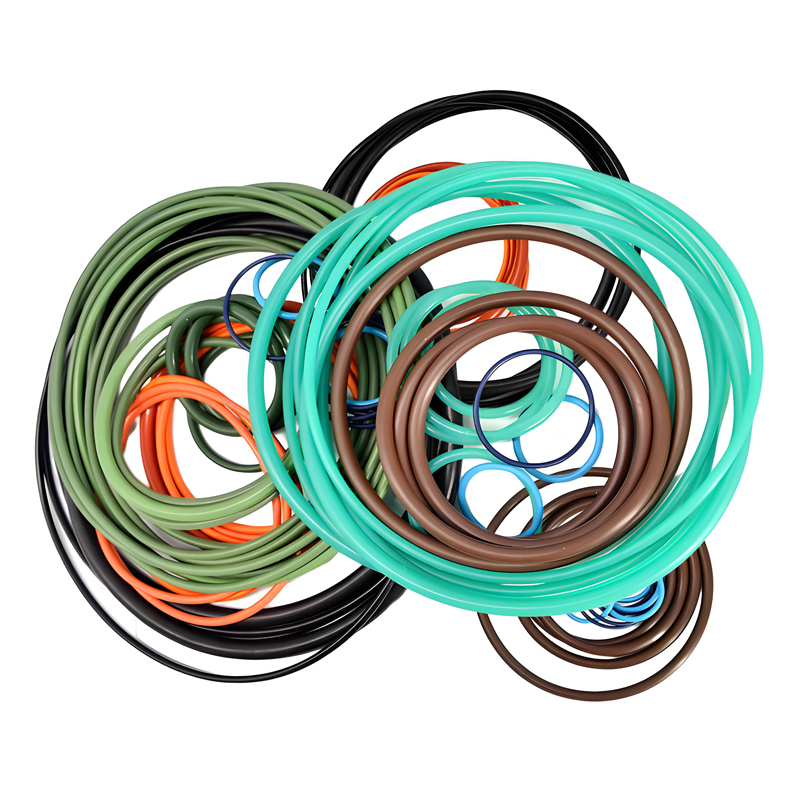
An oil seal is a critical component in virtually every rotating machinery application, from automotive engines to industrial pumps and compressors. The primary function of an oil seal is to prevent lubricating oil from escaping the bearing housing or gearbox while simultaneously keeping contaminants and moisture out of the sealed chamber. Understanding the main types of oil seals available is essential for engineers, maintenance professionals, and equipment manufacturers who need to select the right sealing solution for their specific operational requirements.
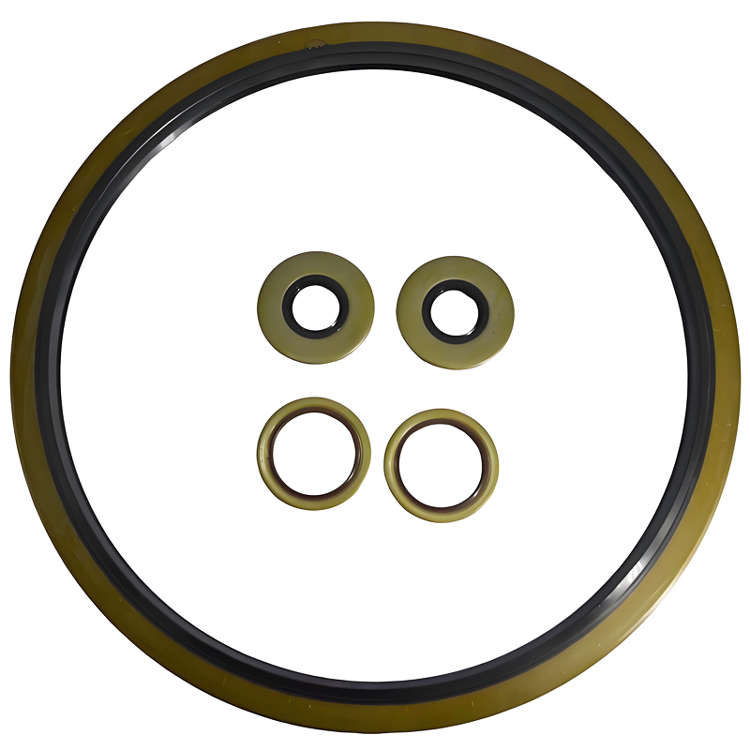
The diversity of oil seal designs reflects the wide range of industrial demands and operating conditions across different sectors. Each type of oil seal is engineered to handle specific speed ranges, temperature extremes, pressure conditions, and contamination levels. Selecting an inappropriate oil seal design can result in premature failure, costly downtime, and environmental concerns related to oil leakage.
Radial Shaft Seals and Their Applications
Understanding Radial Shaft Seals
The radial shaft seal, commonly referred to as an oil seal, is the most widely used sealing device in rotating machinery. This type of oil seal features a flexible elastomer lip that presses against the rotating shaft, creating a seal that acts radially from the shaft center. The oil seal's elastomer material, typically nitrile rubber, fluorocarbon, or polyacrylate, maintains contact with the shaft surface through a combination of spring tension and fluid pressure differential.
Radial oil seals function by forming a microscopic oil film between the seal lip and the shaft surface. This oil seal design allows the shaft to rotate freely while preventing bulk oil leakage. The oil seal operates on the principle that a thin layer of lubricant provides superior sealing compared to a dry contact, which would generate excessive heat and wear. When an oil seal is properly installed and maintained, it can operate continuously for extended periods with minimal leakage.
Variants of Radial Oil Seal Designs
Single-lip oil seal designs represent the most common and economical choice for many applications where the operating environment is relatively clean. However, double-lip oil seal configurations provide enhanced protection by incorporating a secondary energized lip that serves as a wiper, removing debris before it reaches the primary sealing surface. This oil seal variant is particularly valuable in dusty or contaminated industrial environments where airborne particles pose a constant threat to equipment reliability.
Cassette-type oil seal assemblies combine the elastomer seal element with a metal case that simplifies installation and removal. This oil seal format is especially popular in automotive applications and high-volume manufacturing scenarios where standardization reduces assembly complexity and replacement time.
Mechanical Seals and Specialized Oil Seal Systems
Dual and Triple Cartridge Seals
Mechanical oil seals represent a more sophisticated approach to preventing leakage in demanding applications where conventional oil seals cannot maintain adequate performance. A mechanical oil seal employs a combination of rotating and stationary seal faces, typically made from hard-facing materials such as tungsten carbide or silicon carbide, that create a hydraulic seal. Unlike a simple oil seal that relies on elastomer deformation, a mechanical oil seal seal faces ride on an extremely thin fluid film that prevents direct contact between surfaces.
Dual oil seal arrangements are deployed in applications where contamination ingress or loss of product is unacceptable, such as in pharmaceutical pumps or food processing equipment. The dual oil seal configuration uses two mechanical seal stages with a buffer chamber between them, providing superior protection compared to a single oil seal. Triple oil seal systems extend this concept further for the most critical applications requiring absolute containment.
Magnetic Seals and Advanced Variations
Magnetic oil seals represent an emerging technology that uses ferrofluid to create a seal without direct contact between seal components and the rotating shaft. This type of oil seal is gaining adoption in applications requiring extremely low leakage rates or where conventional oil seal materials are incompatible with the process fluid. A magnetic oil seal operates by maintaining a barrier of magnetized fluid that conforms to the shaft surface.
Tandem oil seal configurations employ multiple oil seal elements arranged sequentially along the shaft to provide progressive contamination removal. This oil seal arrangement is particularly effective in applications with high levels of abrasive dust, such as those found in mining equipment or agricultural machinery.
Specialized Oil Seal Designs for Extreme Conditions
High-Temperature Oil Seal Materials
Applications involving high-temperature environments demand oil seal materials that maintain elasticity and sealing effectiveness beyond the capabilities of standard nitrile rubber formulations. Perfluoroelastomer oil seals can operate continuously at temperatures exceeding 200 degrees Celsius, making this type of oil seal essential for steam-driven equipment, hot oil circulation systems, and furnace drive motors. The oil seal's material selection directly impacts its maximum operating temperature and chemical compatibility.
Fluorocarbon elastomer oil seals represent a middle ground between standard nitrile and high-performance perfluoroelastomer formulations, offering extended temperature capability and superior resistance to a broad range of mineral and synthetic oils. This oil seal option provides cost-effective performance enhancement for moderately elevated temperature applications.
Pressure-Resistant and High-Speed Oil Seal Designs
High-pressure applications require oil seal designs engineered to prevent extrusion of the seal lip under extreme hydraulic pressure. A reinforced oil seal incorporates backup rings or metal support structures that prevent elastic deformation beyond design parameters. The oil seal's pressure rating must match or exceed the maximum pressure differential across the sealing interface to ensure reliable performance.
High-speed applications present different challenges, as rotational speeds approaching and exceeding 10,000 revolutions per minute generate significant frictional heating and wear. An oil seal designed for high-speed service must balance frictional characteristics with adequate load capacity to prevent lip collapse. The oil seal's spring force, lip geometry, and material composition must all be optimized for the specific speed range and operating duty cycle.
FAQ
What factors determine which oil seal type to select for a specific application?
Selecting the correct oil seal requires evaluation of multiple interdependent factors including shaft diameter and surface finish, operating speed range, temperature environment, pressure differential, fluid compatibility, contamination exposure, and duty cycle requirements. An oil seal designed for a particular application balances cost, reliability, leakage rate, and maintenance frequency against equipment design constraints and performance expectations. Consulting with an oil seal manufacturer and reviewing equipment specifications ensures optimal seal selection.
How long does a typical oil seal last before replacement becomes necessary?
The service life of an oil seal varies dramatically depending on operating conditions, material quality, installation accuracy, and maintenance practices. A well-maintained oil seal in stable operating conditions might provide three to five years of service, while an oil seal operating in extreme temperatures or contaminated environments might require replacement annually or more frequently. Monitoring for gradual increases in oil leakage provides an early warning that oil seal replacement is approaching.
Can an oil seal be reused after removal, or must it always be replaced?
An oil seal should never be reused after removal, as the removal process typically damages the elastomer lip and spring components beyond repair. Once an oil seal is removed from service, the seal material becomes deformed and loses its ability to maintain proper contact pressure against the shaft. Installing a new oil seal during any maintenance requiring seal removal prevents early failure and ensures optimal sealing performance.