 EN
EN
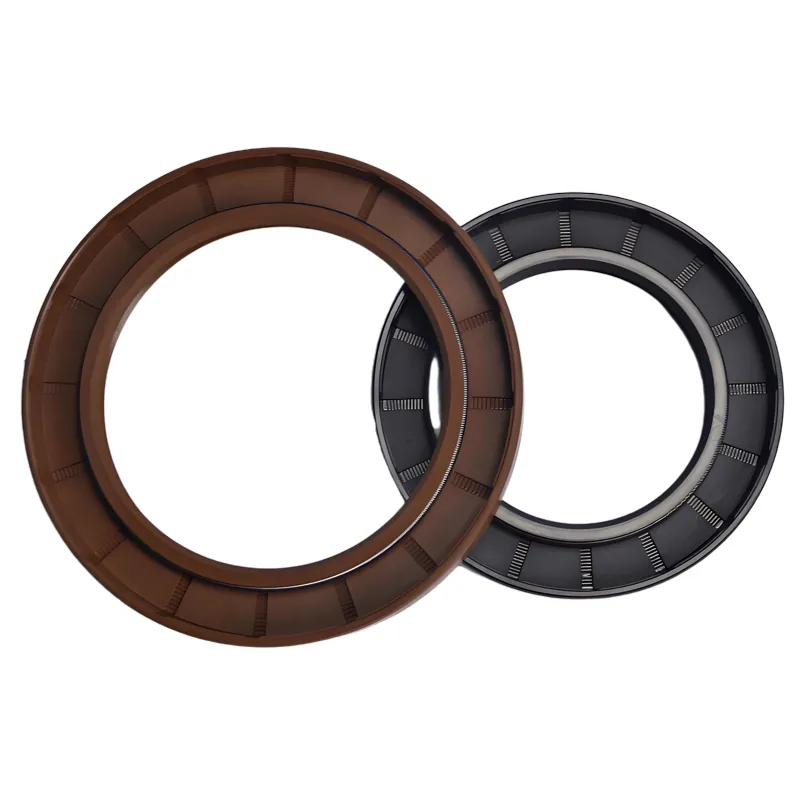
Selecting the appropriate skeleton oil seal models for industrial machinery requires understanding the unique operational demands of your equipment and matching them to specific seal characteristics. The choice directly impacts equipment reliability, maintenance costs, and overall operational efficiency across manufacturing processes.
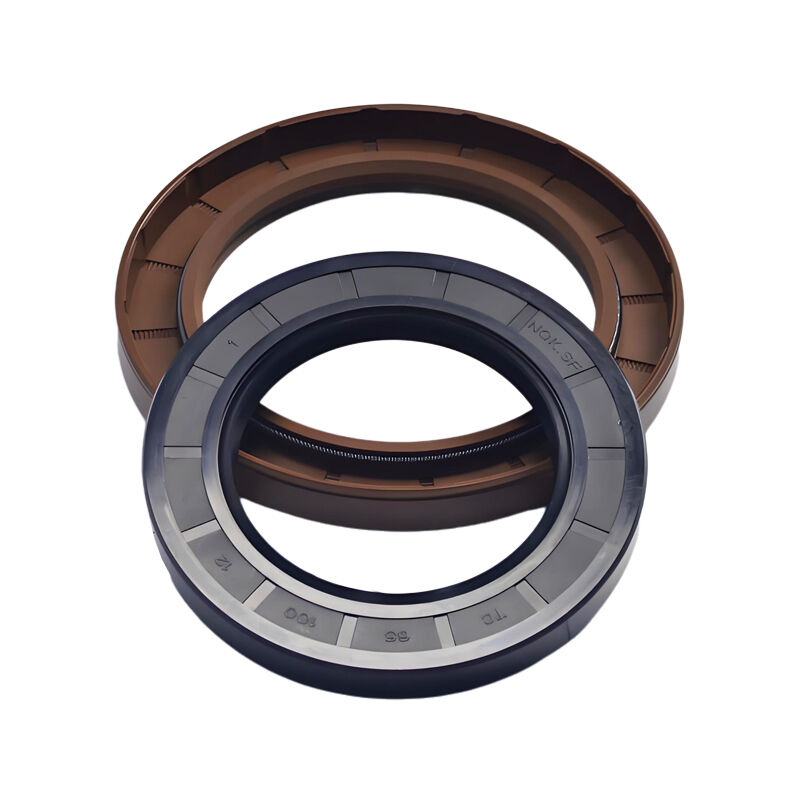
Industrial machinery operates under diverse conditions that place varying demands on sealing components. An incorrectly specified oil seal can lead to premature failure, contamination issues, and expensive downtime. This comprehensive guide examines the critical factors and systematic approach needed to select skeleton oil seal models that deliver optimal performance in your specific industrial application.
Understanding Skeleton Oil Seal Design Fundamentals
Construction Elements and Material Composition
Skeleton oil seal designs incorporate a metal case that provides structural support and precise positioning within the housing bore. The metal framework typically consists of carbon steel or stainless steel, depending on the corrosion resistance requirements of the application. This skeletal structure houses the elastomeric sealing lip, which maintains contact with the rotating shaft to prevent fluid leakage.
The elastomeric component represents the critical sealing interface and must be selected based on chemical compatibility with the sealed fluid and operating temperature range. Common elastomer options include nitrile rubber for petroleum-based fluids, fluoroelastomer for aggressive chemicals, and polyacrylate for high-temperature applications. The oil seal effectiveness depends on maintaining proper lip contact pressure while accommodating shaft runout and thermal expansion.
Spring-loaded designs incorporate a garter spring that maintains consistent lip pressure across varying operating conditions. This spring element compensates for elastomer wear and thermal effects that could otherwise compromise sealing performance. The spring material and tension must align with the expected service life and maintenance intervals of the machinery.
Sealing Mechanism and Performance Characteristics
The sealing mechanism relies on controlled fluid film formation between the lip and shaft surface. This thin film provides lubrication while preventing bulk fluid passage. The lip geometry and surface finish directly influence this critical balance between sealing effectiveness and friction generation.
Dynamic sealing performance depends on maintaining optimal lip contact pressure throughout the operating cycle. Excessive pressure increases friction and heat generation, leading to premature wear. Insufficient pressure allows fluid leakage and contamination ingress. The oil seal design must accommodate shaft surface finish variations and maintain sealing integrity across the expected speed range.
Temperature effects significantly impact elastomer properties and sealing performance. High temperatures reduce elastomer hardness and can cause permanent deformation, while low temperatures increase stiffness and reduce conformability. Selecting appropriate elastomer compounds ensures consistent sealing performance across the anticipated temperature range of industrial operations.
Critical Selection Parameters for Industrial Applications
Operating Environment Assessment
Industrial machinery operates in demanding environments that require careful evaluation of external conditions affecting oil seal performance. Temperature extremes, chemical exposure, and contamination levels directly influence material selection and seal design requirements. Manufacturing environments often present combinations of these challenges that demand robust sealing solutions.
Fluid compatibility represents a fundamental selection criterion that determines elastomer choice and overall seal longevity. Petroleum-based lubricants, hydraulic fluids, and synthetic alternatives each present distinct chemical challenges. The oil seal material must resist swelling, hardening, and degradation when exposed to the specific fluid composition used in the machinery.
Contamination sources include airborne particles, process chemicals, and wash-down procedures common in industrial facilities. External contaminants can damage sealing lips and accelerate wear if not properly addressed through appropriate lip design and auxiliary protection measures. The selection process must account for both the type and concentration of expected contaminants.
Dimensional and Operational Requirements
Shaft diameter, housing bore, and installation space constraints establish the basic dimensional parameters for oil seal selection. Standard metric and imperial sizing must accommodate manufacturing tolerances while ensuring proper fit and sealing effectiveness. Custom dimensions may be necessary for unique machinery configurations or replacement applications.
Operating speed directly affects heat generation, lip wear rates, and fluid film formation characteristics. High-speed applications require specialized lip geometries and materials to minimize friction while maintaining sealing integrity. Low-speed applications may present challenges with inadequate fluid film formation, requiring alternative lip designs or surface treatments.
Pressure differentials across the seal influence lip loading and potential for extrusion damage. Standard radial oil seal designs typically accommodate pressures up to 50 PSI, while higher pressures may require backup rings or alternative seal configurations. Understanding the maximum operating pressure ensures appropriate seal selection and prevents premature failure.
Material Selection Strategy for Different Industries
Chemical Process and Petroleum Applications
Chemical processing equipment requires oil seal materials with exceptional chemical resistance and thermal stability. Fluoroelastomer compounds provide superior performance in aggressive chemical environments where standard nitrile rubber would quickly degrade. These applications often involve elevated temperatures that further challenge elastomer performance and require careful material selection.
Petroleum refining and processing equipment typically operates with hydrocarbon-based fluids at elevated temperatures and pressures. The oil seal selection must account for aromatic hydrocarbon exposure, which can cause severe swelling in incompatible elastomers. Nitrile rubber with appropriate acrylonitrile content provides excellent petroleum resistance while maintaining cost-effectiveness for these applications.
Steam and hot water exposure in cleaning and sterilization processes creates unique challenges for seal materials. High-temperature water can cause hydrolysis in certain elastomer types, leading to rapid degradation and failure. Perfluoroelastomer materials offer the highest resistance to steam and hot water exposure but require careful cost-benefit analysis for each application.
Heavy Manufacturing and Mining Equipment
Mining and construction equipment operates in harsh environments with high contamination levels and extreme temperature variations. The oil seal must resist abrasive wear from dust and debris while maintaining sealing effectiveness across wide temperature ranges. Specialized lip designs with enhanced contamination resistance become critical for these applications.
Heavy manufacturing equipment often involves high shock loads and vibration that can cause seal displacement or damage. Robust skeleton designs with secure mounting provisions help maintain seal position and integrity under these demanding conditions. The material selection must also account for the dynamic loading effects on elastomer performance.
Extended maintenance intervals in remote or difficult-to-access equipment require oil seal designs with exceptional durability and wear resistance. Premium elastomer compounds and advanced lip geometries justify their higher cost through reduced maintenance frequency and improved equipment availability in these critical applications.
Performance Optimization Through Proper Installation
Installation Procedures and Quality Control
Proper installation techniques directly impact oil seal performance and service life regardless of the quality of the selected model. Surface preparation, alignment, and installation tooling must meet manufacturer specifications to achieve optimal sealing results. Many seal failures result from installation damage rather than inappropriate selection or material defects.
Shaft surface finish and roundness tolerances significantly affect sealing performance and wear characteristics. Excessive roughness accelerates lip wear and can cause leakage, while insufficient roughness may prevent proper fluid film formation. The oil seal selection process must verify shaft condition and specify any necessary surface preparation or reconditioning requirements.
Housing bore preparation includes verifying dimensional tolerances, surface finish, and the absence of damage that could compromise seal performance. Lead-in chamfers and proper bore finish prevent installation damage and ensure uniform contact pressure distribution around the seal outer diameter. These preparation steps are essential regardless of the selected seal design.
Monitoring and Maintenance Considerations
Establishing baseline performance metrics enables early detection of seal degradation and prevents catastrophic failures. Temperature monitoring, vibration analysis, and periodic visual inspections help identify developing problems before they result in equipment damage or environmental contamination. The oil seal selection should consider accessibility for monitoring and maintenance activities.
Predictive maintenance programs benefit from understanding the expected wear patterns and failure modes of specific oil seal designs. Different elastomer compounds and lip geometries exhibit characteristic wear signatures that trained technicians can recognize during routine inspections. This knowledge enables optimized replacement timing and inventory management.
Documentation of seal performance, including installation dates, operating conditions, and failure analysis results, provides valuable feedback for future selection decisions. This historical data helps refine selection criteria and identify opportunities for performance improvement through alternative seal designs or operating parameter modifications.
FAQ
What are the most important factors to consider when selecting skeleton oil seal models for heavy industrial machinery?
The most critical factors include operating temperature range, chemical compatibility with the sealed fluid, shaft speed, pressure differential, and contamination exposure. These parameters directly influence material selection, lip design, and overall seal performance. Additionally, consider installation space constraints, maintenance accessibility, and expected service life requirements when making the final selection.
How do I determine the correct elastomer material for my specific industrial application?
Elastomer selection depends primarily on the chemical composition of the sealed fluid and operating temperature range. Nitrile rubber works well with petroleum-based fluids at moderate temperatures, while fluoroelastomer provides superior chemical resistance for aggressive fluids or high-temperature applications. Consult chemical compatibility charts and consider long-term exposure effects when making this critical decision.
What installation mistakes commonly cause premature oil seal failure in industrial equipment?
Common installation errors include damage to sealing lips during installation, improper shaft surface preparation, misalignment between shaft and housing, and contamination introduction during the installation process. Using appropriate installation tools, following manufacturer procedures, and ensuring clean working conditions significantly reduce the risk of installation-related failures.
How can I extend the service life of skeleton oil seals in demanding industrial applications?
Extending oil seal service life requires proper material selection for the specific operating conditions, correct installation procedures, and regular monitoring for early problem detection. Additionally, maintaining proper fluid levels, using recommended lubricants, controlling contamination exposure, and operating within design parameters all contribute to maximizing seal performance and longevity in industrial machinery applications.
Table of Contents
- Understanding Skeleton Oil Seal Design Fundamentals
- Critical Selection Parameters for Industrial Applications
- Material Selection Strategy for Different Industries
- Performance Optimization Through Proper Installation
-
FAQ
- What are the most important factors to consider when selecting skeleton oil seal models for heavy industrial machinery?
- How do I determine the correct elastomer material for my specific industrial application?
- What installation mistakes commonly cause premature oil seal failure in industrial equipment?
- How can I extend the service life of skeleton oil seals in demanding industrial applications?