
 EN
EN
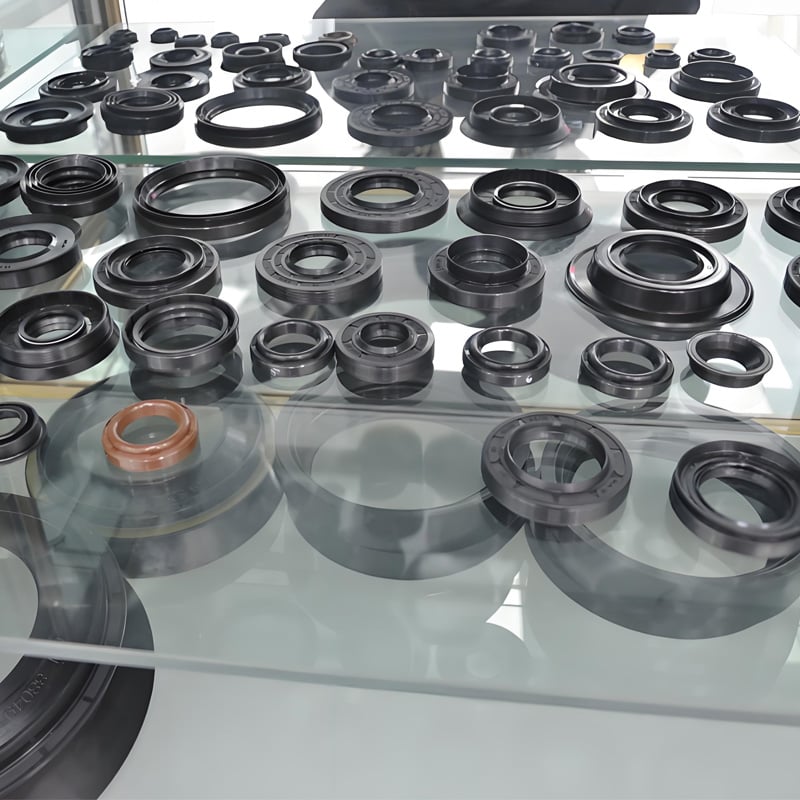
When sourcing components for critical industrial applications, evaluating a rubber seals manufacturer's global supply chain is essential to ensure reliability, quality, and long-term partnership viability. A rubber seals manufacturer operates across multiple geographies, managing raw material procurement, production facilities, quality assurance, and distribution networks. Understanding how a rubber seals manufacturer manages these interconnected systems directly impacts your supply security, cost structure, and product performance. This comprehensive evaluation framework helps procurement teams, engineers, and supply chain managers make informed decisions when selecting or renewing partnerships with a rubber seals manufacturer.
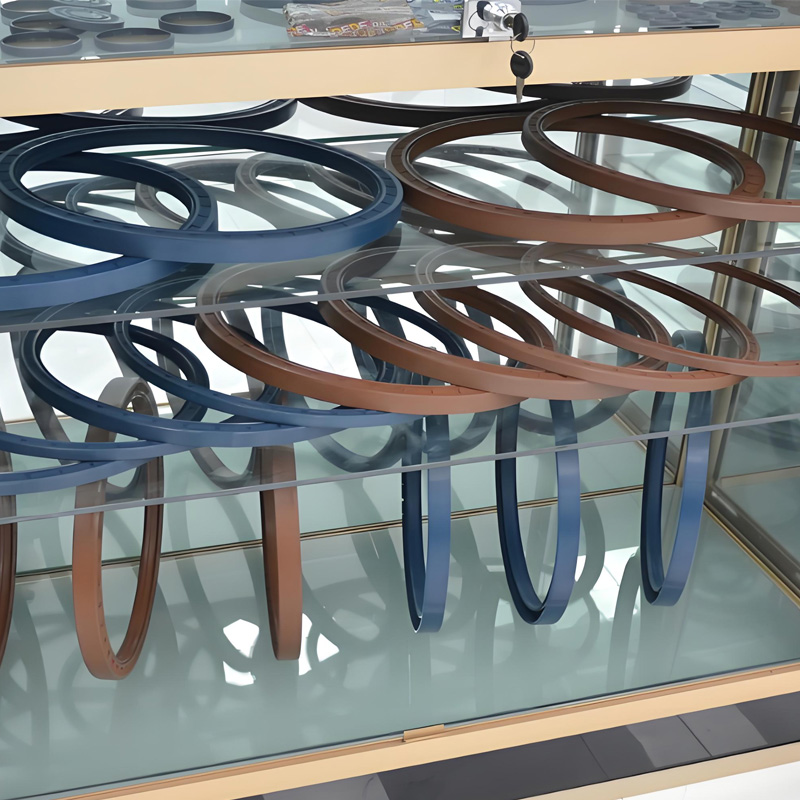
A rubber seals manufacturer's supply chain encompasses raw material sourcing, processing, manufacturing, quality testing, and logistics. Evaluating this supply chain requires examining supplier relationships, production capacity, inventory management, and distribution capabilities. The robustness of a rubber seals manufacturer's supply chain directly influences your ability to meet delivery commitments, maintain product quality standards, and respond to market fluctuations. This article provides practical guidance on assessing the key dimensions of a rubber seals manufacturer's global operations.
Raw Material Sourcing and Supplier Relationships
Evaluating Supplier Network Strength
A rubber seals manufacturer's supply chain begins with reliable access to elastomers, additives, and specialized compounds. Assess whether the rubber seals manufacturer maintains multiple suppliers for critical materials or depends on single sources. Diversification reduces risk; if a rubber seals manufacturer relies on one elastomer supplier, production disruptions could cascade across their operations. Request documentation showing supplier qualification processes, long-term contracts, and backup arrangements. A well-managed rubber seals manufacturer typically maintains contracts with 2–3 qualified suppliers per material category, ensuring continuity during supplier disruptions or demand spikes.
Material Quality and Compliance Standards
Examine the rubber seals manufacturer's material testing protocols and compliance certifications. The rubber seals manufacturer should demonstrate that incoming materials meet industry specifications such as ASTM, ISO, or FDA standards depending on your application. Ask the rubber seals manufacturer for certificates of analysis, material safety data sheets, and traceability documentation. A credible rubber seals manufacturer maintains batch records linking finished products back to raw material suppliers, enabling rapid response if contamination or quality issues occur. Verify that the rubber seals manufacturer performs regular supplier audits and maintains written agreements requiring adherence to quality standards.
Manufacturing Capacity and Production Flexibility
Production Facility Assessment
Understanding a rubber seals manufacturer's production capacity helps you forecast lead times and plan inventory. Evaluate the rubber seals manufacturer's current utilization rate, installed equipment, and capacity expansion roadmap. A rubber seals manufacturer operating at 85–95% capacity has limited flexibility to absorb your volume growth, whereas one at 60–75% capacity can accommodate increased orders. Request details about production equipment age, maintenance schedules, and modernization investments. A rubber seals manufacturer with well-maintained, updated equipment typically achieves better consistency and shorter changeover times. Ask the rubber seals manufacturer to document production throughput rates, batch sizes, and whether they can handle custom formulations or specifications unique to your requirements.
Flexibility and Lead Time Management
Supply chain resilience depends on how quickly a rubber seals manufacturer can adjust production. Evaluate whether the rubber seals manufacturer offers rush orders, emergency stock, or consignment inventory options. The rubber seals manufacturer should have documented procedures for expedited production, even if it incurs premium costs. Assess the rubber seals manufacturer's inventory policy for high-demand products and whether they maintain safety stock aligned with your seasonal patterns or business cycles. Discuss inventory turnover rates and aging policies; a rubber seals manufacturer with excessive old stock may face quality degradation, while insufficient inventory creates stock-out risk. A responsive rubber seals manufacturer typically commits to lead times of 4–8 weeks for standard orders and 2–3 weeks for expedited requests.
Quality Control Systems and Regulatory Compliance
Quality Assurance Process Integration
A rubber seals manufacturer's quality control framework must encompass raw material inspection, in-process monitoring, and finished product testing. Evaluate the rubber seals manufacturer's quality management system certification level (ISO 9001, ISO 13485, ISO 14001, or equivalent). Request access to quality metrics such as defect rates, first-pass yield, and customer complaint trends. The rubber seals manufacturer should maintain statistical process control charts and conduct regular audits of their quality systems. Ask the rubber seals manufacturer for the structure of their quality department, including staffing, training, and reporting relationships to senior management. A well-resourced rubber seals manufacturer invests in automated inspection equipment, material testing laboratories, and continuous improvement programs.
Regulatory and Environmental Compliance
Depending on your industry, the rubber seals manufacturer must comply with sector-specific regulations. For automotive applications, evaluate whether the rubber seals manufacturer holds IATF 16949 certification and follows OEM specifications. For pharmaceutical or food-contact applications, verify that the rubber seals manufacturer meets FDA CFR Part 177 or equivalent food-grade requirements. The rubber seals manufacturer should document environmental management practices, including waste reduction, recycling programs, and emissions monitoring. Ask the rubber seals manufacturer about their supply chain mapping regarding conflict minerals and sustainability commitments. Request evidence of regulatory inspection records, audit results, and corrective action documentation from the past 2–3 years. A compliant rubber seals manufacturer maintains transparent relationships with regulatory authorities and proactively addresses emerging requirements.
Logistics, Inventory, and Risk Mitigation
Distribution Network and Lead Time Performance
Evaluate the rubber seals manufacturer's distribution capabilities and geographic footprint. Determine whether the rubber seals manufacturer operates warehouses near your facilities or major markets, reducing transit time and cost. Review the rubber seals manufacturer's shipping partners, packaging standards, and order fulfillment accuracy rates. The rubber seals manufacturer should maintain performance metrics on on-time delivery, shipment damage rates, and order accuracy. Ask the rubber seals manufacturer about their logistics technology, such as real-time tracking, electronic data interchange (EDI) capabilities, and integration with your supply chain planning systems. A well-connected rubber seals manufacturer typically partners with reliable freight forwarders and maintains agreements ensuring priority handling during peak demand periods.
Business Continuity and Risk Resilience
Assess the rubber seals manufacturer's disaster recovery planning and backup production capacity. Inquire whether the rubber seals manufacturer has backup facilities in geographically diverse locations to mitigate single-site risk. The rubber seals manufacturer should maintain business continuity documentation, including emergency contact procedures, crisis communication protocols, and recovery timelines. Examine the rubber seals manufacturer's financial stability, reviewing recent financial statements or credit ratings if available. Request information about the rubber seals manufacturer's insurance coverage, including product liability, general liability, and business interruption insurance. A prudent rubber seals manufacturer maintains adequate reserves, diversified supply sources, and documented contingency plans activated during disruptions. Ask the rubber seals manufacturer about their experience managing past crises, such as supply shortages or logistical delays, and how they responded.
FAQ
What should I prioritize when evaluating a rubber seals manufacturer's supply chain?
Start with supplier diversification and material sourcing stability, then assess production capacity and quality systems. A rubber seals manufacturer with reliable raw material suppliers, adequate production flexibility, and robust quality controls provides the foundation for dependable supply. Verify compliance certifications, regulatory alignment, and business continuity planning to ensure long-term partnership viability.
How do I verify a rubber seals manufacturer's quality standards?
Request ISO 9001 certification and industry-specific certifications such as IATF 16949 or FDA compliance documentation. Ask the rubber seals manufacturer for third-party audit results, quality metrics, and defect rate trends. A transparent rubber seals manufacturer provides statistical process control evidence and allows facility visits to inspect testing equipment and quality documentation firsthand.
What red flags indicate a weak rubber seals manufacturer supply chain?
Warning signs include single-source material suppliers, high capacity utilization exceeding 95%, lack of quality certifications, poor on-time delivery history, and reluctance to share supply chain transparency. A rubber seals manufacturer unwilling to disclose supplier relationships, quality metrics, or business continuity plans indicates operational risk. Avoid partnerships with rubber seals manufacturer entities that cannot demonstrate regulatory compliance or regulatory inspection records.