
 EN
EN
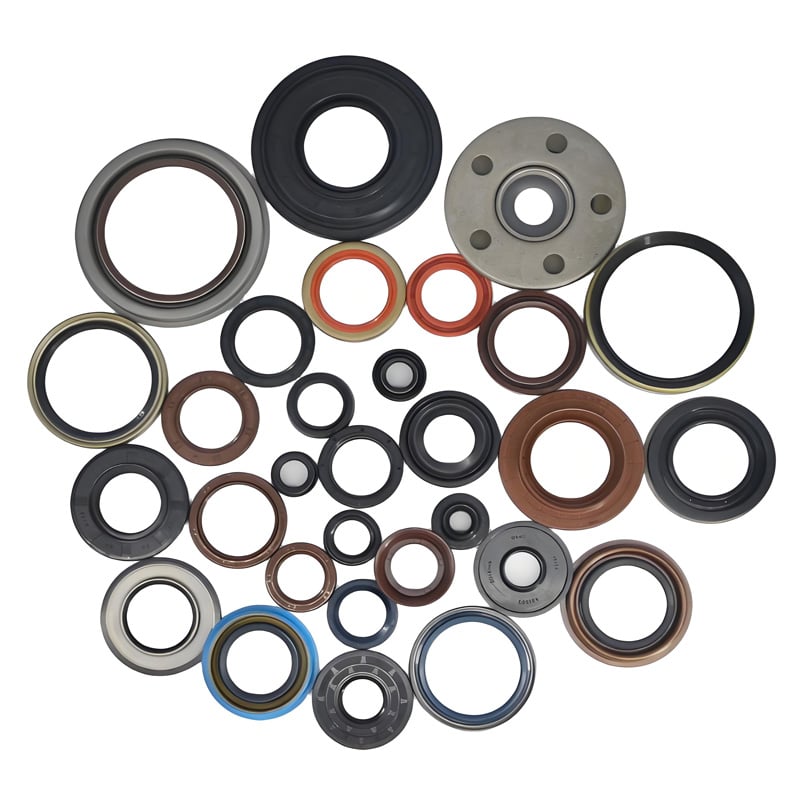
An auto oil seal is one of the most critical yet often overlooked components in modern vehicle engines. The durability of an auto oil seal directly impacts not only engine performance but also overall car safety and longevity. Without a reliable auto oil seal, engines face catastrophic failures that compromise both driver security and vehicle integrity. Understanding why auto oil seal quality matters is essential for any vehicle owner or fleet manager seeking to maintain safe, dependable transportation.
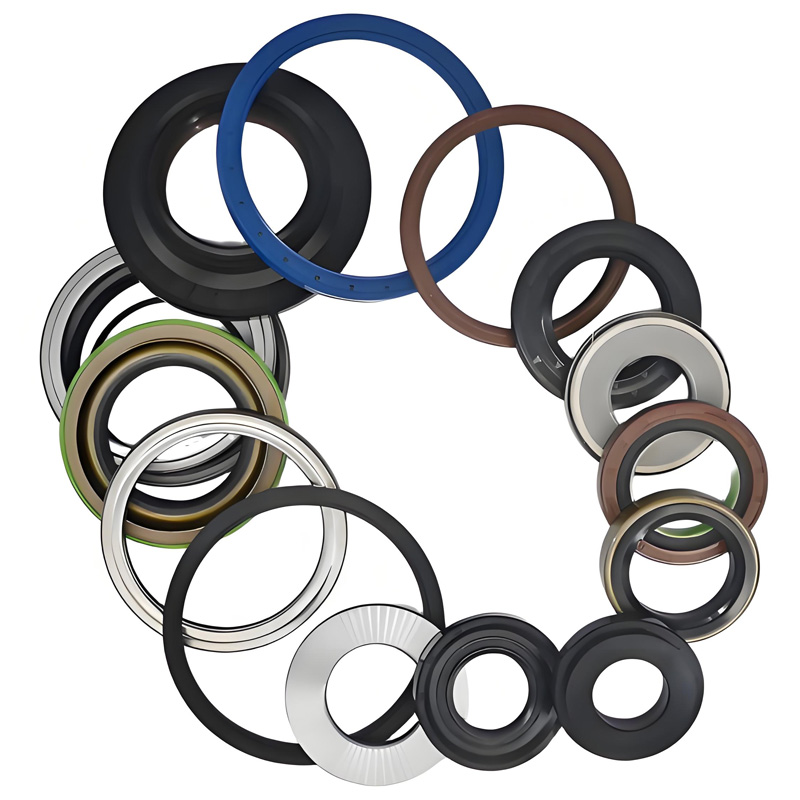
The role of an auto oil seal extends far beyond simple lubrication containment. An auto oil seal prevents engine oil from leaking into areas where it causes serious damage, contamination, or safety hazards. When an auto oil seal fails, the consequences ripple throughout the engine system, affecting performance, fuel efficiency, and driver safety. Investing in high-quality auto oil seal products and understanding their importance can prevent expensive repairs and dangerous roadside failures.
Why Auto Oil Seal Durability Prevents Engine Damage
Containing Oil Under High Pressure
Modern engines operate under extreme pressure and temperature conditions. An auto oil seal must withstand these forces consistently without degradation. A durable auto oil seal maintains its elasticity and sealing capability across thousands of operating hours, preventing oil leakage that would otherwise degrade engine bearings, gaskets, and other precision components. When an auto oil seal deteriorates prematurely, oil seeps into unintended areas, causing accelerated wear of critical engine parts and potentially triggering catastrophic mechanical failure.
The materials used in a premium auto oil seal determine its resistance to thermal cycling, chemical exposure, and mechanical stress. High-performance elastomers and composite materials ensure that an auto oil seal maintains its sealing integrity even as temperature fluctuates between startup and full operating conditions. Inferior auto oil seal products often use lower-grade materials that harden, crack, or lose elasticity over time, leading to gradual oil loss and engine damage that accumulates silently until failure occurs.
Preventing Cross-Contamination Between Engine Systems
An auto oil seal isolates engine oil from other critical systems such as transmission fluid, coolant circuits, and fuel lines. When an auto oil seal degrades, mixing of incompatible fluids can occur, creating sludge, reducing lubricant effectiveness, and damaging pump components and injectors. This cross-contamination triggered by a failing auto oil seal can cascade into multiple system failures requiring comprehensive engine rebuild rather than simple seal replacement.
Fleet operators and maintenance professionals recognize that a durable auto oil seal protects not just the immediate engine compartment but the entire vehicle ecosystem. A compromised auto oil seal that allows coolant to contact engine oil, for instance, can cause hydro-lock situations, bearing corrosion, and sludge buildup that eventually forces complete powertrain replacement. Preventive maintenance focused on auto oil seal integrity therefore becomes a cost-effective strategy for avoiding exponentially higher repair expenses.
Auto Oil Seal Durability and Driver Safety Implications
Preventing Loss of Engine Power and Control
When an auto oil seal fails gradually, oil levels drop without the driver's immediate awareness. Insufficient engine oil from a leaking auto oil seal reduces lubrication film strength, increasing metal-to-metal contact and internal friction. This degradation causes power loss, rough running, and unpredictable engine behavior that compromises vehicle handling and acceleration response. In critical driving situations such as highway merging or emergency braking maneuvers, an engine affected by auto oil seal failure may not respond predictably, creating genuine safety hazards for the driver and surrounding traffic.
A robust auto oil seal ensures consistent oil pressure, preventing fluctuations that cause engine knock, hesitation, or stalling. Drivers depend on predictable engine behavior for safe operation, and any degradation caused by an failing auto oil seal introduces uncertainty into vehicle dynamics. Maintaining a durable auto oil seal through quality component selection and regular inspection protocols directly translates into reliable engine performance and driver confidence on the road.
Avoiding Roadside Breakdowns and Stranded Situations
Complete failure of an auto oil seal can trigger sudden engine shutdown, leaving drivers stranded in dangerous locations such as busy highways or isolated areas. A comprehensive auto oil seal failure may result in oil starvation so severe that engine seizure occurs, rendering the vehicle immobile and potentially trapping occupants in hazardous conditions. This risk is particularly acute for commercial drivers, ride-share operators, and families traveling on extended trips who depend on vehicle reliability for income or safety.
Investing in a quality auto oil seal that resists degradation reduces the probability of unexpected failure. Preventive maintenance protocols that monitor auto oil seal condition through visual inspection and oil level checks help identify problems before complete failure occurs, allowing planned service rather than emergency repair situations that compromise safety.
Selecting and Maintaining Durable Auto Oil Seals
Material Quality and Engineering Standards
Not all auto oil seal products offer equivalent durability and reliability. Premium auto oil seal designs incorporate advanced elastomer compounds formulated to resist thermal degradation, oxidation, and mechanical wear across extended service intervals. A quality auto oil seal engineered to OEM specifications ensures compatibility with engine design, operating parameters, and fluid formulations specific to each vehicle platform. Lesser-grade auto oil seal alternatives may fit initially but degrade prematurely under the actual thermal and pressure conditions encountered during normal operation.
The manufacturing precision of an auto oil seal directly influences its sealing effectiveness and longevity. Tight tolerances in lip geometry, material density consistency, and surface finish determine whether an auto oil seal maintains its sealing contact under varying engine speeds and loads. Auto oil seal products manufactured to stringent quality standards demonstrate measurably longer service life and lower failure rates compared to commodity alternatives, justifying the investment in recognized quality brands and OEM-equivalent components.
Maintenance Practices Extending Auto Oil Seal Life
Regular oil changes represent the most effective maintenance practice for protecting auto oil seal durability. Fresh engine oil contains detergents that remove sludge and varnish deposits that can harden auto oil seal materials and compromise sealing surfaces. Degraded oil becomes corrosive and loses its protective properties, accelerating auto oil seal deterioration through chemical attack and increased friction. Adhering to manufacturer-recommended oil change intervals directly preserves auto oil seal integrity and extends overall engine service life.
Temperature management also influences auto oil seal durability significantly. Engine overheating stresses auto oil seal elastomers, reducing their flexibility and sealing capability. Maintaining proper coolant levels, inspecting cooling system function, and addressing thermostat issues protects auto oil seal materials from thermal degradation. Similarly, avoiding extended periods of engine idling and allowing sufficient warm-up time before aggressive acceleration reduces thermal cycling stress that prematurely ages auto oil seal compounds.
FAQ
What are the warning signs of an auto oil seal failure?
Common indicators include visible oil puddles beneath parked vehicles, a burning oil smell during or after driving, low engine oil warning lights on the dashboard, and visible oil residue around the engine block or crankshaft area. A failing auto oil seal may also cause rough idle behavior, reduced engine power, or white smoke from the exhaust. Any combination of these symptoms warrants immediate inspection to confirm auto oil seal integrity and prevent further engine damage.
How often should auto oil seals be replaced?
Most auto oil seal components are designed to last the lifetime of an engine under normal operating conditions, typically 100,000 to 200,000 miles or more. However, premature auto oil seal failure can occur due to manufacturing defects, improper installation, extreme operating conditions, or inadequate maintenance. Following manufacturer recommendations for oil changes and coolant flushes significantly extends auto oil seal longevity and reduces the frequency of replacement interventions.
Can a leaking auto oil seal be repaired without complete engine disassembly?
Minor auto oil seal leaks sometimes can be addressed through oil additive treatments or sealant products that temporarily restore sealing capability. However, a severely compromised auto oil seal typically requires removal and replacement to restore proper sealing and prevent ongoing engine damage. Professional mechanics can assess auto oil seal condition and determine whether repair or replacement is the appropriate solution for specific failure scenarios.