 EN
EN
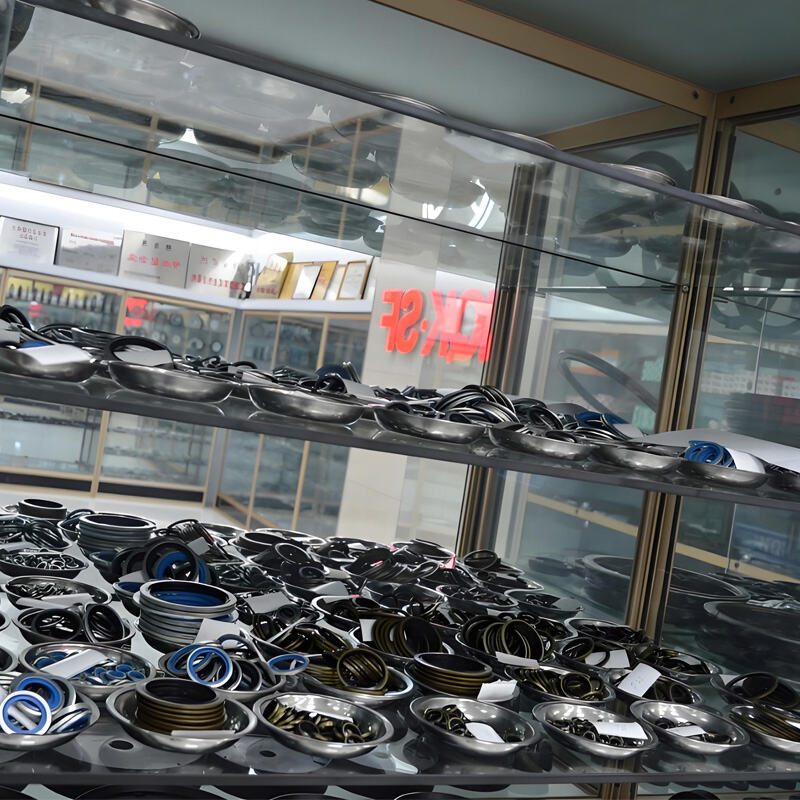
Distributors operating in industrial markets face a critical challenge when selecting oil seals suppliers that can consistently deliver quality products while meeting demanding delivery schedules and technical specifications. The selection process requires careful evaluation of multiple factors that directly impact distributor profitability, customer satisfaction, and long-term business relationships. Understanding the essential criteria that separate exceptional oil seals suppliers from mediocre ones becomes fundamental for distributors who want to build a competitive advantage in their markets.
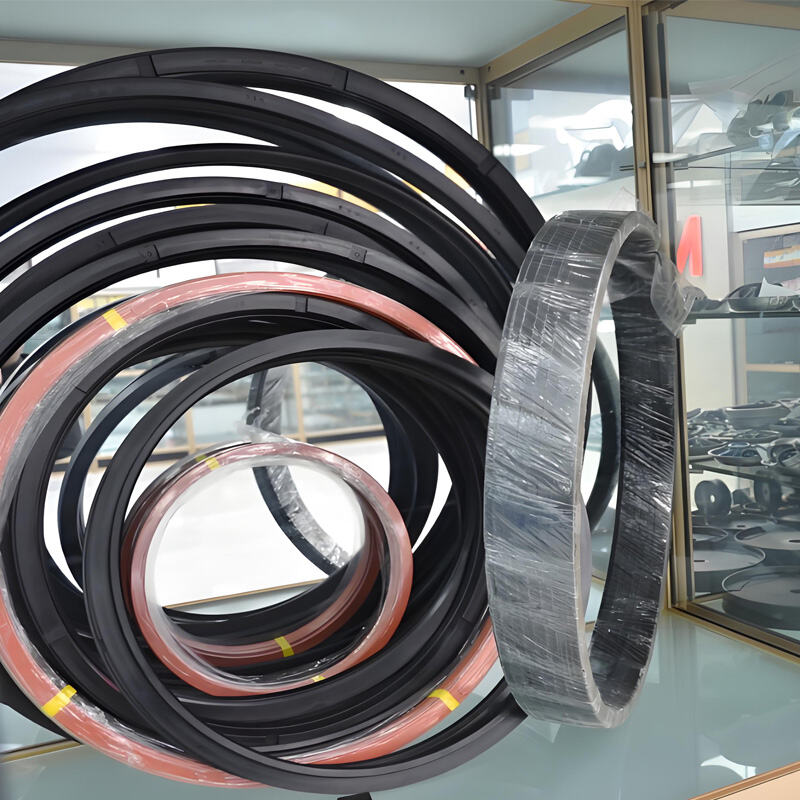
The complexity of modern industrial applications demands that distributors work with oil seals suppliers who possess deep technical expertise, robust manufacturing capabilities, and comprehensive quality control systems. Each criterion serves as a foundation for successful distributor partnerships, ensuring that end customers receive reliable sealing solutions that perform under demanding operational conditions. The best suppliers demonstrate excellence across manufacturing quality, technical support, logistics efficiency, and business partnership practices that collectively define their suitability for distributor networks.
Manufacturing Excellence and Quality Standards
Production Capabilities and Manufacturing Infrastructure
Leading oil seals suppliers distinguish themselves through advanced manufacturing facilities equipped with precision tooling, automated production lines, and comprehensive testing equipment. These suppliers invest in state-of-the-art rubber mixing systems, molding technologies, and finishing equipment that ensure consistent product quality across large production volumes. The manufacturing infrastructure should include clean room environments for critical applications, temperature-controlled storage areas, and sophisticated quality control laboratories.
Distributors should evaluate potential oil seals suppliers based on their production capacity, machinery age and maintenance protocols, and ability to scale manufacturing volumes according to market demand. Suppliers with modern equipment demonstrate commitment to technological advancement and typically deliver superior product consistency. The best manufacturers maintain detailed production records, implement preventive maintenance schedules, and continuously upgrade their equipment to meet evolving industry standards.
Manufacturing flexibility represents another crucial aspect where top-tier oil seals suppliers excel by accommodating custom specifications, prototype development, and rapid production schedule adjustments. Suppliers should demonstrate capability to handle both standard product lines and specialized requirements that distributors encounter in diverse industrial applications.
Quality Control Systems and Certifications
Exceptional oil seals suppliers implement comprehensive quality management systems that extend from raw material inspection through final product testing and packaging. These systems typically include incoming material verification, in-process monitoring, statistical process control, and final inspection protocols that ensure every seal meets specified performance criteria. Quality control laboratories should feature dimensional measurement equipment, durometer testing capabilities, and environmental simulation chambers.
Industry certifications such as ISO 9001, TS 16949, or API specifications provide objective validation of supplier quality systems and manufacturing processes. Distributors should prioritize oil seals suppliers who maintain current certifications relevant to their target markets and demonstrate continuous improvement in quality metrics. These certifications indicate systematic approaches to quality management and commitment to industry best practices.
The most reliable suppliers provide detailed quality documentation including material certifications, dimensional reports, and performance test data with each shipment. This documentation enables distributors to maintain complete traceability and provides technical support for customer applications requiring quality verification.
Technical Expertise and Product Development
Engineering Support and Application Knowledge
Superior oil seals suppliers provide comprehensive technical support through experienced application engineers who understand sealing challenges across diverse industries. These technical teams should possess deep knowledge of material science, fluid compatibility, temperature effects, and dynamic sealing principles that enable them to recommend optimal solutions for specific applications. Technical support capabilities should include application analysis, failure investigation, and custom design services.
The best suppliers maintain extensive databases of application-specific solutions and can quickly identify appropriate seal designs based on operating parameters such as pressure, temperature, fluid type, and shaft speed. Their technical teams should be accessible for consultation during the sales process and available for ongoing support after product delivery. This technical partnership becomes invaluable for distributors serving customers with complex or demanding applications.
Leading oil seals suppliers invest in research and development programs that advance sealing technology and expand their product capabilities. These suppliers stay current with industry trends, emerging applications, and new material technologies that benefit distributor customers. Their technical expertise should encompass both traditional sealing applications and innovative solutions for emerging market segments.
Material Technology and Product Innovation
Outstanding oil seals suppliers demonstrate mastery of diverse elastomer technologies including nitrile, fluorocarbon, polyacrylate, and specialty compounds designed for extreme service conditions. Their material expertise should encompass formulation chemistry, additive systems, and processing techniques that optimize seal performance for specific applications. The best suppliers develop proprietary compounds that offer superior performance characteristics compared to standard materials.
Innovation capabilities distinguish top-tier oil seals suppliers through their ability to develop new products, improve existing designs, and adapt to changing market requirements. These suppliers should demonstrate track records of successful product launches, patent development, and technology leadership within their market segments. Innovation extends to manufacturing processes, testing methods, and quality improvement initiatives.
Suppliers should maintain comprehensive material selection guides, compatibility charts, and performance data that help distributors make informed product selections. Access to technical literature, application guides, and training materials enables distributors to provide better customer service and expand their market penetration.
Supply Chain Management and Logistics Excellence
Inventory Management and Availability
Reliable oil seals suppliers maintain substantial finished goods inventories that enable rapid order fulfillment and minimize distributor stockout situations. Effective inventory management requires sophisticated demand forecasting, production planning, and warehouse management systems that ensure product availability while minimizing carrying costs. The best suppliers provide real-time inventory visibility and automated replenishment programs that streamline distributor operations.
Distributors should evaluate potential suppliers based on their order fill rates, delivery performance metrics, and ability to accommodate emergency orders or unexpected demand spikes. Superior suppliers maintain safety stock levels, implement demand planning processes, and coordinate production schedules to ensure consistent product availability. These capabilities become particularly important for distributors serving customers with critical applications where seal failures result in costly equipment downtime.
Leading oil seals suppliers offer vendor-managed inventory programs, consignment arrangements, or dedicated stocking programs that reduce distributor inventory investment while ensuring product availability. These value-added services demonstrate supplier commitment to distributor success and provide competitive advantages in the marketplace.
Distribution Network and Delivery Performance
Exceptional oil seals suppliers operate efficient distribution networks with strategically located warehouses, reliable transportation partnerships, and advanced logistics management systems. These networks should provide consistent delivery performance, accurate order processing, and comprehensive shipment tracking capabilities that enable distributors to provide superior customer service. Distribution capabilities should include both standard freight services and expedited delivery options for urgent requirements.
The best suppliers implement electronic data interchange systems, automated order processing, and integrated logistics platforms that streamline distributor operations and reduce administrative overhead. These technological capabilities should include online ordering systems, shipment tracking portals, and automated invoicing processes that improve operational efficiency.
Global oil seals suppliers should demonstrate international shipping capabilities, customs clearance expertise, and compliance with export regulations that enable distributors to serve international markets. These capabilities become increasingly important as distributors expand their geographic reach and serve multinational customers with global operations.
Business Partnership and Commercial Practices
Pricing Strategy and Commercial Terms
Leading oil seals suppliers develop pricing strategies that balance competitive market positioning with sustainable business models that support long-term partnerships. Pricing structures should provide distributors with adequate margins while remaining competitive in end-user markets. The best suppliers offer volume-based pricing tiers, rebate programs, and performance incentives that reward distributor growth and market development activities.
Commercial terms including payment schedules, credit arrangements, and return policies should support distributor cash flow requirements and risk management objectives. Superior suppliers provide flexible payment terms, reasonable credit limits, and fair return policies for defective products or inventory adjustments. These commercial practices demonstrate supplier commitment to distributor success and partnership development.
Transparency in pricing changes, product modifications, and policy updates enables distributors to plan effectively and maintain customer relationships. The best oil seals suppliers provide advance notice of changes, phase-in periods for new policies, and collaborative discussions about market conditions that affect pricing strategies.
Marketing Support and Brand Development
Outstanding oil seals suppliers provide comprehensive marketing support including technical literature, product catalogs, application guides, and digital marketing materials that help distributors promote products effectively. Marketing support should include co-branded materials, trade show participation opportunities, and sales training programs that enhance distributor capabilities. These resources enable distributors to position themselves as technical experts and trusted advisors in their markets.
Brand reputation and market recognition significantly impact distributor success by influencing customer purchasing decisions and enabling premium pricing strategies. Distributors should evaluate potential suppliers based on brand strength, market position, and customer recognition within relevant industry segments. Established brands with positive market reputations provide distributors with competitive advantages and facilitate market penetration.
The best suppliers invest in brand development through advertising campaigns, industry publications, and digital marketing initiatives that create market awareness and generate demand for their products. These marketing investments benefit distributors by creating pull-through demand and supporting sales efforts.
FAQ
What minimum certifications should oil seals suppliers maintain for industrial distribution?
Oil seals suppliers should maintain ISO 9001 quality management certification as a baseline requirement, with additional industry-specific certifications such as TS 16949 for automotive applications or API specifications for oil and gas markets depending on the distributor's target segments. These certifications provide objective validation of quality systems and manufacturing processes.
How can distributors evaluate the technical capabilities of potential oil seals suppliers?
Distributors should assess technical capabilities through facility tours, technical staff interviews, review of engineering resources, and evaluation of product development track records. Request examples of custom solutions, technical literature quality, and application support case studies that demonstrate the supplier's technical expertise and problem-solving capabilities.
What inventory management practices indicate reliable oil seals suppliers?
Reliable suppliers maintain substantial safety stock levels, provide real-time inventory visibility, offer automated replenishment programs, and demonstrate consistent order fill rates above 95%. They should also have contingency plans for supply disruptions and the ability to accommodate emergency orders or unexpected demand fluctuations.
How important is geographic proximity when selecting oil seals suppliers for distribution?
While geographic proximity can reduce transportation costs and delivery times, it should be balanced against other critical factors such as product quality, technical support, and commercial terms. Many leading suppliers operate efficient distribution networks that provide excellent service regardless of physical location, making supplier capabilities more important than proximity alone.
Table of Contents
- Manufacturing Excellence and Quality Standards
- Technical Expertise and Product Development
- Supply Chain Management and Logistics Excellence
- Business Partnership and Commercial Practices
-
FAQ
- What minimum certifications should oil seals suppliers maintain for industrial distribution?
- How can distributors evaluate the technical capabilities of potential oil seals suppliers?
- What inventory management practices indicate reliable oil seals suppliers?
- How important is geographic proximity when selecting oil seals suppliers for distribution?