 EN
EN
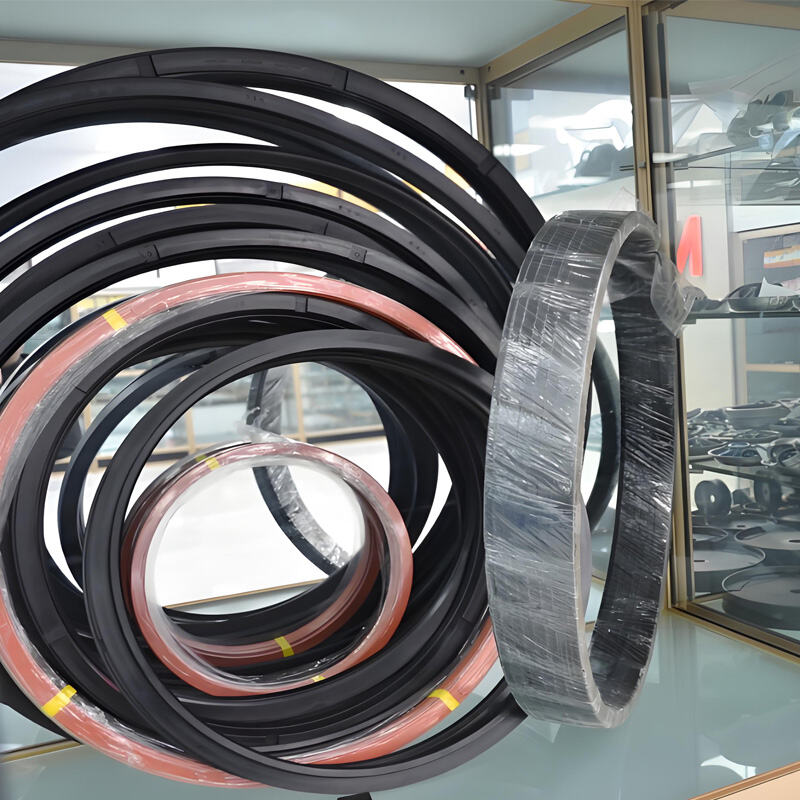
Selecting the right oil seals suppliers for industrial operations requires careful evaluation of multiple factors, with global logistics support emerging as a critical differentiator in today's interconnected marketplace. Modern manufacturing facilities and maintenance operations span multiple countries and time zones, making reliable international supply chain capabilities essential for maintaining operational continuity and minimizing downtime costs.
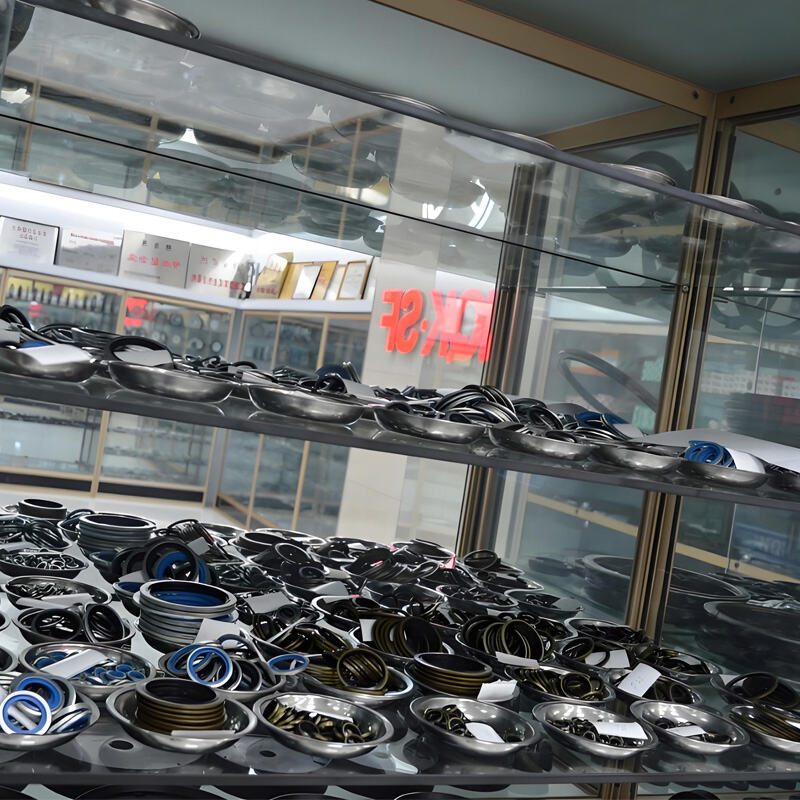
The process of choosing oil seals suppliers with robust global logistics networks involves assessing their distribution infrastructure, shipping capabilities, inventory management systems, and customer service protocols across different geographical regions. Companies that prioritize these logistics capabilities can significantly reduce lead times, lower total cost of ownership, and ensure consistent product availability regardless of project location or operational demands.
Evaluating Global Distribution Network Coverage
Regional Warehouse and Distribution Center Analysis
When assessing oil seals suppliers for global logistics support, the geographic spread of their distribution centers serves as a fundamental indicator of their ability to serve international markets effectively. Suppliers with strategically located warehouses across major industrial regions can provide faster delivery times and reduced shipping costs compared to those operating from a single location.
Effective distribution networks typically include facilities in key manufacturing hubs such as North America, Europe, and Asia-Pacific regions. These regional centers enable oil seals suppliers to maintain adequate inventory levels closer to end users, reducing dependency on long-distance shipping and minimizing the risk of supply disruptions due to transportation delays or customs issues.
The proximity of distribution centers to major industrial clusters also impacts emergency delivery capabilities, which become crucial during unplanned maintenance situations. Suppliers with comprehensive regional coverage can often provide same-day or next-day delivery services within their local markets, offering significant advantages over competitors with limited geographic presence.
International Shipping and Customs Expertise
Professional oil seals suppliers with genuine global logistics support demonstrate extensive experience in international shipping procedures, customs documentation, and trade compliance requirements. This expertise becomes particularly valuable when dealing with time-sensitive shipments or specialized industrial applications that may require specific import classifications or certifications.
Suppliers should maintain established relationships with international freight forwarders and customs brokers to ensure smooth cross-border transactions. Their logistics teams should be knowledgeable about harmonized tariff codes, country-specific import requirements, and documentation procedures that can affect delivery timelines and total landed costs.
Additionally, experienced suppliers often provide detailed tracking systems that allow customers to monitor shipments from origin to destination, including customs clearance status and estimated delivery windows. This transparency helps maintenance managers and procurement teams plan their operations more effectively and communicate accurate timelines to internal stakeholders.
Assessing Inventory Management and Stock Availability
Global Inventory Visibility and Planning Systems
Modern oil seals suppliers with effective global logistics support utilize sophisticated inventory management systems that provide real-time visibility into stock levels across all distribution locations. These systems enable customers to check product availability at specific regional warehouses and make informed decisions about order placement and delivery expectations.
Advanced inventory planning capabilities allow suppliers to anticipate demand patterns across different markets and maintain appropriate safety stock levels to prevent stockouts during peak demand periods or supply chain disruptions. This proactive approach to inventory management directly benefits customers by ensuring consistent product availability and reducing the likelihood of production delays.
Some leading suppliers also offer vendor-managed inventory programs for high-volume customers, where they monitor usage patterns and automatically replenish stock based on predetermined consumption rates and reorder points. These programs can significantly reduce administrative burden while ensuring continuous availability of critical sealing components.
Emergency Stock and Expedited Service Capabilities
The ability to provide emergency stock and expedited shipping services distinguishes exceptional oil seals suppliers from standard vendors. Emergency situations in industrial operations often require immediate access to replacement components, making rapid response capabilities a valuable differentiator when evaluating potential suppliers.
Reliable suppliers maintain dedicated emergency inventory reserves and established procedures for prioritizing urgent orders through their logistics networks. This includes access to express shipping options, dedicated customer service lines for emergency situations, and flexible payment terms that accommodate urgent procurement needs.
The cost structure for emergency services should be clearly defined and reasonable, considering the value proposition of minimizing downtime costs. Suppliers who can provide transparent pricing for expedited services and realistic delivery commitments demonstrate professional logistics management and customer-focused service orientation.
Technology Integration and Digital Logistics Platforms
Online Ordering and Customer Portal Systems
Contemporary oil seals suppliers with sophisticated global logistics support offer comprehensive digital platforms that streamline the ordering process and provide enhanced visibility into order status, shipping information, and account management features. These platforms should integrate seamlessly with common enterprise resource planning systems and procurement software used by industrial customers.
Effective customer portals typically include features such as product catalogs with detailed specifications, pricing information, real-time inventory status, order history, and shipment tracking capabilities. The platform should support multiple languages and currencies to accommodate international users and facilitate local market preferences.
Advanced systems may also include predictive analytics features that help customers optimize their ordering patterns based on historical usage data and seasonal demand trends. This capability supports better inventory planning and can reduce total procurement costs through improved order timing and quantity optimization.
Supply Chain Transparency and Communication Tools
Leading oil seals suppliers implement communication tools that provide customers with proactive updates about order status, potential delays, and alternative solutions when supply chain disruptions occur. This transparency builds trust and enables customers to make informed decisions about their operational planning.
Automated notification systems should alert customers about key milestones in the fulfillment process, including order confirmation, shipment dispatch, customs clearance, and delivery confirmation. Additionally, suppliers should provide direct access to logistics coordinators who can address specific questions or concerns about complex shipments.
Some suppliers also offer integration with third-party logistics tracking systems and provide application programming interfaces that allow customers to incorporate supplier data into their own operational dashboards and reporting systems. This level of integration supports more sophisticated supply chain management and performance monitoring.
Quality Assurance and Compliance in Global Operations
International Quality Standards and Certifications
Professional oil seals suppliers with global logistics support maintain consistent quality standards across all distribution locations and ensure compliance with relevant international certifications and industry specifications. This consistency is crucial for multinational operations that require standardized components across different facilities and regulatory environments.
Suppliers should demonstrate compliance with quality management systems such as ISO 9001 and industry-specific standards relevant to their target markets. Additionally, they should provide documentation and certificates that support product traceability and meet regulatory requirements in different countries where their products are distributed.
The logistics network should include proper handling procedures that maintain product integrity during storage and transportation, including appropriate environmental controls and packaging standards that protect sensitive sealing materials from contamination or damage during international shipping.
Regulatory Compliance and Documentation Management
Experienced suppliers understand the regulatory landscape in different markets and maintain appropriate documentation to support customs clearance and regulatory compliance requirements. This includes material safety data sheets, certificates of conformity, and country-specific product registrations where applicable.
Effective documentation management systems ensure that all required paperwork accompanies international shipments and that customers receive appropriate certificates and compliance documentation for their records. This capability becomes particularly important in highly regulated industries such as aerospace, automotive, and pharmaceutical manufacturing.
Suppliers should also demonstrate knowledge of export control regulations and trade restrictions that might affect product availability or shipping methods to specific destinations. This expertise helps prevent delays and ensures compliance with international trade laws and security requirements.
Cost Structure and Value Analysis for Global Logistics
Total Landed Cost Evaluation Methods
When selecting oil seals suppliers with global logistics support, procurement professionals must evaluate the total landed cost rather than focusing solely on unit prices. This comprehensive cost analysis includes product pricing, shipping charges, customs duties, handling fees, and any additional logistics services required for successful delivery.
Transparent suppliers provide detailed cost breakdowns that allow customers to understand all components of their pricing structure and make informed comparisons between different supply options. This transparency enables better budgeting and helps identify opportunities for cost optimization through alternative shipping methods or order consolidation strategies.
Some suppliers offer logistics consulting services to help customers optimize their supply chain costs through improved ordering patterns, alternative shipping methods, or strategic inventory positioning. These value-added services demonstrate a commitment to long-term partnership rather than transactional relationships.
Service Level Agreements and Performance Metrics
Professional oil seals suppliers establish clear service level agreements that define performance expectations for delivery times, order accuracy, and customer service response standards. These agreements should include specific metrics for different types of orders and geographic regions, with appropriate accountability measures for performance monitoring.
Key performance indicators typically include on-time delivery rates, order fill rates, shipping damage rates, and customer service response times. Suppliers should provide regular performance reports that demonstrate their achievement against these metrics and identify areas for continuous improvement.
Additionally, suppliers should offer flexible service options that allow customers to choose appropriate delivery speeds and service levels based on their specific requirements and budget constraints. This flexibility enables customers to optimize their logistics costs while maintaining appropriate service levels for different types of purchases.
FAQ
What are the key indicators of reliable global logistics support from oil seals suppliers?
Reliable global logistics support is indicated by multiple regional distribution centers, established international shipping partnerships, real-time inventory visibility systems, comprehensive tracking capabilities, and documented service level agreements. Suppliers should demonstrate consistent delivery performance across different geographic markets and provide transparent communication about order status and potential delays.
How do oil seals suppliers handle emergency orders for international customers?
Professional oil seals suppliers maintain dedicated emergency inventory reserves and expedited shipping procedures for urgent orders. They typically offer express delivery options through established courier networks, provide priority processing for emergency orders, and maintain dedicated customer service resources to handle urgent requests outside normal business hours when necessary.
What documentation should oil seals suppliers provide for international shipments?
International shipments from oil seals suppliers should include commercial invoices, packing lists, certificates of origin, material safety data sheets when applicable, and any required product certifications or compliance documentation. Suppliers should also provide detailed tracking information and customs documentation to facilitate smooth clearance processes in destination countries.
How can customers evaluate the total cost of global logistics from oil seals suppliers?
Total cost evaluation should include product pricing, international shipping charges, customs duties and taxes, handling fees, insurance costs, and any expedited service charges. Customers should request detailed cost breakdowns from oil seals suppliers and consider factors such as delivery reliability, order accuracy, and customer service quality when making cost comparisons between different supplier options.
Table of Contents
- Evaluating Global Distribution Network Coverage
- Assessing Inventory Management and Stock Availability
- Technology Integration and Digital Logistics Platforms
- Quality Assurance and Compliance in Global Operations
- Cost Structure and Value Analysis for Global Logistics
-
FAQ
- What are the key indicators of reliable global logistics support from oil seals suppliers?
- How do oil seals suppliers handle emergency orders for international customers?
- What documentation should oil seals suppliers provide for international shipments?
- How can customers evaluate the total cost of global logistics from oil seals suppliers?