 EN
EN
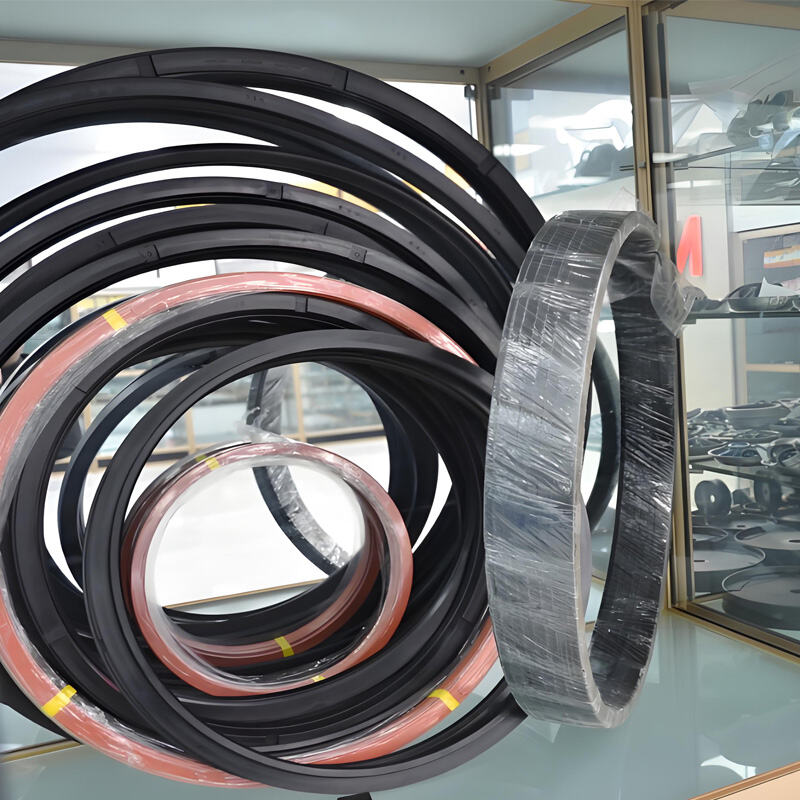
Negotiating long-term contracts with oil seals suppliers requires a strategic approach that balances cost optimization with quality assurance and reliable supply chain management. Industrial businesses that depend on consistent oil seal performance must develop negotiation frameworks that secure favorable pricing while maintaining stringent quality standards and delivery reliability. The complexity of oil seal applications across various industries demands that procurement professionals understand both the technical specifications and market dynamics that influence supplier relationships and contract terms.
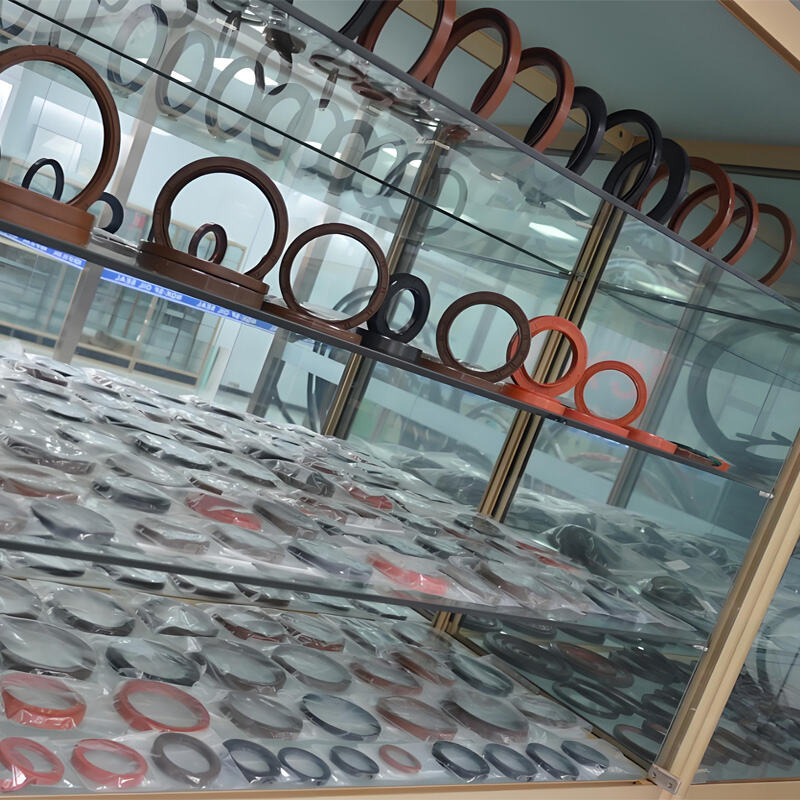
Successful contract negotiations with oil seals suppliers extend beyond simple price discussions to encompass comprehensive partnership agreements that address quality control protocols, technical support provisions, inventory management strategies, and performance guarantees. These negotiations establish the foundation for long-term business relationships that can significantly impact operational efficiency, maintenance costs, and equipment reliability across manufacturing operations, automotive applications, and industrial machinery installations.
Understanding Supplier Assessment and Selection Criteria
Technical Capability Evaluation
When evaluating oil seals suppliers for long-term contracts, technical capability assessment forms the cornerstone of successful partnerships. Suppliers must demonstrate comprehensive manufacturing capabilities that include precision molding, material compound expertise, and quality control systems that meet or exceed industry standards. The evaluation process should examine the supplier's ability to produce oil seals across various material specifications, including nitrile rubber, fluorocarbon, silicone, and polyurethane compounds, ensuring they can meet diverse application requirements throughout the contract duration.
Manufacturing facility assessments should focus on equipment modernization, production capacity scaling capabilities, and process control systems that guarantee consistent product quality. Oil seals suppliers with advanced manufacturing technologies, such as automated molding systems and real-time quality monitoring, typically offer better long-term value propositions through improved product consistency and reduced defect rates. Additionally, suppliers should demonstrate investment in research and development capabilities that enable them to adapt to evolving seal design requirements and emerging material technologies.
Quality certification standards serve as critical indicators of supplier reliability and manufacturing excellence. ISO 9001 certification, automotive quality standards like TS 16949, and industry-specific certifications demonstrate the supplier's commitment to systematic quality management. These certifications provide assurance that oil seals suppliers maintain documented processes, continuous improvement protocols, and customer satisfaction measurement systems that support long-term contract performance.
Financial Stability and Market Position
Financial stability analysis of potential oil seals suppliers protects against supply chain disruptions and ensures contract fulfillment capabilities throughout extended partnership periods. Comprehensive financial assessments should examine revenue stability, debt-to-equity ratios, cash flow patterns, and credit ratings that indicate the supplier's ability to maintain operations and invest in necessary improvements. Suppliers with strong financial foundations can better weather market fluctuations and continue meeting contract obligations during challenging economic conditions.
Market position evaluation reveals the supplier's competitive advantages, customer base diversity, and growth trajectory that influence their long-term viability. Oil seals suppliers with established market presence, diverse industry exposure, and proven track records in similar long-term contracts demonstrate reduced risk profiles for extended partnerships. Understanding the supplier's strategic positioning within the sealing industry helps predict their ability to maintain competitive pricing while continuing technological advancement and service quality improvements.
Supply chain resilience assessment examines the supplier's raw material sourcing strategies, backup manufacturing capabilities, and risk management protocols that ensure continuous production capacity. Suppliers with diversified material sourcing, multiple production facilities, and established contingency plans offer greater security for long-term contract performance, particularly during supply chain disruptions or capacity constraints that affect the broader sealing industry.
Structuring Competitive Pricing and Volume Commitments
Volume-Based Pricing Strategies
Effective pricing negotiations with oil seals suppliers leverage volume commitments to secure substantial cost reductions while establishing predictable procurement expenses over extended contract periods. Volume-based pricing structures typically offer tiered pricing schedules that provide incremental cost savings as annual purchase quantities increase, incentivizing buyers to consolidate their seal requirements with fewer suppliers. These arrangements benefit both parties by providing suppliers with guaranteed sales volumes and offering buyers reduced unit costs through economies of scale.
Annual minimum purchase commitments establish the foundation for volume-based pricing negotiations, requiring careful analysis of historical consumption patterns, projected growth rates, and potential application expansions. Buyers should structure these commitments with flexibility mechanisms that account for market fluctuations, production changes, and unforeseen circumstances while maintaining the volume thresholds necessary for favorable pricing. Progressive volume tiers with corresponding price reductions create incentives for increased consolidation while providing cost optimization opportunities.
Multi-year volume agreements offer additional negotiation leverage by providing oil seals suppliers with extended revenue visibility and planning certainty. These agreements typically include annual price adjustment mechanisms that balance inflationary pressures with productivity improvements, ensuring fair pricing adjustments throughout the contract duration. Suppliers often provide enhanced pricing concessions for multi-year commitments, recognizing the reduced sales costs and improved production planning that result from stable, long-term customer relationships.
Cost Transparency and Market Indexing
Cost transparency negotiations establish open-book pricing arrangements that provide visibility into material costs, manufacturing expenses, and supplier margins, enabling more informed pricing discussions and adjustment mechanisms. Oil seals suppliers willing to share detailed cost breakdowns demonstrate confidence in their pricing structures and commitment to fair partnership arrangements. These transparent pricing models facilitate collaborative cost reduction efforts and provide frameworks for addressing material cost fluctuations that impact seal production expenses.
Market indexing mechanisms link contract pricing to relevant commodity indices, such as rubber and polymer raw material costs, providing automatic adjustment formulas that reflect actual market conditions without requiring frequent renegotiation. These indexing arrangements protect both parties from significant material cost variations while maintaining competitive pricing relationships. Proper indexing formulas include appropriate lag periods, adjustment thresholds, and maximum adjustment limits that prevent extreme price volatility while ensuring fair cost pass-through arrangements.
Value engineering collaboration opportunities enable joint cost reduction initiatives that benefit both buyers and oil seals suppliers through design optimization, material substitution analysis, and manufacturing process improvements. These collaborative approaches often yield greater cost savings than traditional adversarial pricing negotiations while improving product performance and quality characteristics. Suppliers committed to value engineering partnerships typically offer additional pricing concessions in exchange for opportunities to optimize designs and manufacturing processes.
Establishing Quality Assurance and Performance Standards
Quality Control Protocol Development
Comprehensive quality control protocols form essential components of long-term contracts with oil seals suppliers, establishing measurable standards and verification procedures that ensure consistent product performance throughout the contract duration. These protocols should define specific quality metrics, including dimensional tolerances, material property requirements, surface finish specifications, and performance testing procedures that align with application requirements. Clear quality standards eliminate ambiguity and provide objective criteria for accepting or rejecting delivered products.
Incoming inspection procedures define the scope and frequency of quality verification activities required upon product delivery, including statistical sampling plans, testing equipment specifications, and acceptance criteria that maintain quality standards while minimizing inspection costs. Oil seals suppliers should provide detailed inspection reports, material certificates, and test data that support streamlined receiving processes and reduce the buyer's inspection burden. Standardized documentation formats facilitate efficient quality verification and create audit trails for traceability requirements.
Supplier quality auditing schedules establish regular assessment intervals that monitor manufacturing processes, quality systems, and continuous improvement initiatives at supplier facilities. These audits verify adherence to agreed quality protocols, identify potential improvement opportunities, and ensure ongoing compliance with quality standards throughout the contract period. Oil seals suppliers should welcome quality audits as collaborative improvement opportunities rather than adversarial oversight activities, demonstrating their commitment to quality excellence and partnership development.
Performance Guarantee and Remedy Frameworks
Performance guarantee structures define specific reliability standards, service life expectations, and failure rate limits that oil seals suppliers must maintain throughout the contract duration, providing buyers with recourse mechanisms when products fail to meet agreed performance criteria. These guarantees should include measurable performance metrics, such as maximum allowable failure rates, minimum service life requirements, and specific application performance standards that reflect actual operating conditions and customer expectations.
Warranty and remedy provisions establish comprehensive frameworks for addressing product failures, quality defects, and performance shortfalls that may occur during the contract period. These provisions should define supplier responsibilities for product replacement, labor costs associated with seal changes, consequential damage limitations, and expedited delivery requirements for critical applications. Clear warranty terms provide certainty for both parties while ensuring appropriate risk allocation and remedy availability when issues arise.
Continuous improvement requirements mandate ongoing quality enhancement initiatives and defect reduction programs that drive long-term performance improvements throughout the contract duration. Oil seals suppliers should commit to regular performance reviews, root cause analysis for quality issues, and implementation of corrective actions that prevent recurring problems. These improvement commitments ensure that supplier performance evolves positively over time rather than remaining static or deteriorating during extended contract periods.
Managing Supply Chain Security and Risk Mitigation
Delivery Performance and Inventory Management
Delivery performance standards establish critical service level requirements that ensure oil seals suppliers maintain adequate inventory levels and meet customer demand schedules throughout long-term contract periods. These standards should define specific metrics, including on-time delivery rates, order fill rates, and lead time consistency that support smooth production operations and minimize stockout risks. Suppliers should demonstrate capacity planning capabilities and inventory management systems that maintain service levels while optimizing working capital requirements.
Strategic inventory positioning arrangements enable oil seals suppliers to maintain dedicated stock levels for long-term contract customers, providing enhanced delivery responsiveness and supply security. These arrangements may include consignment inventory programs, vendor-managed inventory systems, or dedicated safety stock commitments that ensure product availability during demand fluctuations or supply chain disruptions. Proper inventory agreements define ownership responsibilities, carrying cost allocations, and obsolescence risk sharing that create win-win inventory management solutions.
Demand forecasting collaboration improves supply chain efficiency by sharing production schedules, maintenance planning information, and market demand projections with oil seals suppliers. Accurate forecasting enables suppliers to optimize production planning, maintain appropriate inventory levels, and provide superior delivery performance while minimizing excess inventory costs. Regular forecasting reviews and collaborative planning sessions ensure alignment between customer requirements and supplier capacity planning throughout the contract duration.
Business Continuity and Risk Management
Business continuity planning addresses potential supply chain disruptions and establishes contingency procedures that maintain product availability during unexpected events, such as natural disasters, labor disputes, or facility shutdowns. Oil seals suppliers should maintain documented business continuity plans that include alternate production capabilities, backup supplier arrangements, and emergency inventory positions that ensure continued supply during crisis situations. These plans provide supply chain resilience and minimize business impact when disruptions occur.
Risk sharing mechanisms allocate various supply chain risks between buyers and oil seals suppliers in fair and reasonable arrangements that encourage appropriate risk management activities. These mechanisms may include force majeure provisions, material cost escalation sharing, and capacity allocation agreements that address specific risk scenarios. Proper risk allocation ensures that each party assumes responsibility for risks they can best control or manage while providing protection against uncontrollable external factors.
Insurance and financial protection requirements ensure that oil seals suppliers maintain adequate coverage for product liability, professional liability, and business interruption risks that could impact contract performance. These requirements provide additional security for long-term partnerships while ensuring suppliers have financial resources to address potential claims or performance issues. Insurance verification and certificate management processes maintain ongoing coverage confirmation throughout the contract period.
FAQ
What minimum annual volume typically qualifies for long-term contract pricing with oil seals suppliers?
Most oil seals suppliers consider annual volumes of $50,000 to $100,000 as minimum thresholds for long-term contract discussions, though specific requirements vary based on product complexity and supplier size. Larger suppliers may require higher minimum volumes, while specialized suppliers might offer long-term arrangements for smaller volumes in niche applications. The key factor is demonstrating predictable, sustained demand that justifies the supplier's investment in dedicated resources and preferential pricing arrangements.
How should pricing adjustment mechanisms be structured in multi-year oil seal supply contracts?
Effective pricing adjustment mechanisms typically include annual review periods with adjustments based on material cost indices, labor cost changes, and productivity improvements. Many contracts use formulas that pass through 50-75% of material cost increases while sharing productivity gains between buyer and supplier. Maximum adjustment limits, such as 5-10% annually, prevent excessive price volatility while ensuring fair cost recovery for suppliers during periods of significant material cost inflation.
What quality standards should be mandatory in long-term contracts with oil seals suppliers?
Mandatory quality standards should include ISO 9001 certification as a baseline, with additional industry-specific certifications such as TS 16949 for automotive applications or API specifications for oil and gas applications. Contracts should specify maximum defect rates (typically 0.1-0.5%), dimensional tolerance requirements, material property specifications, and performance testing protocols. Regular supplier audits, statistical process control requirements, and continuous improvement commitments ensure sustained quality throughout the contract period.
How can buyers protect against supplier consolidation or business closure risks in long-term oil seal contracts?
Protection strategies include diversifying suppliers across multiple vendors, requiring business continuity plans from primary suppliers, and establishing backup supplier qualifications before signing long-term contracts. Contracts should include change of control notification requirements, performance bonds for critical applications, and detailed product specifications that enable alternative sourcing. Financial monitoring, regular supplier assessments, and maintaining relationships with secondary oil seals suppliers provide additional security against supply chain disruptions.
Table of Contents
- Understanding Supplier Assessment and Selection Criteria
- Structuring Competitive Pricing and Volume Commitments
- Establishing Quality Assurance and Performance Standards
- Managing Supply Chain Security and Risk Mitigation
-
FAQ
- What minimum annual volume typically qualifies for long-term contract pricing with oil seals suppliers?
- How should pricing adjustment mechanisms be structured in multi-year oil seal supply contracts?
- What quality standards should be mandatory in long-term contracts with oil seals suppliers?
- How can buyers protect against supplier consolidation or business closure risks in long-term oil seal contracts?