 EN
EN
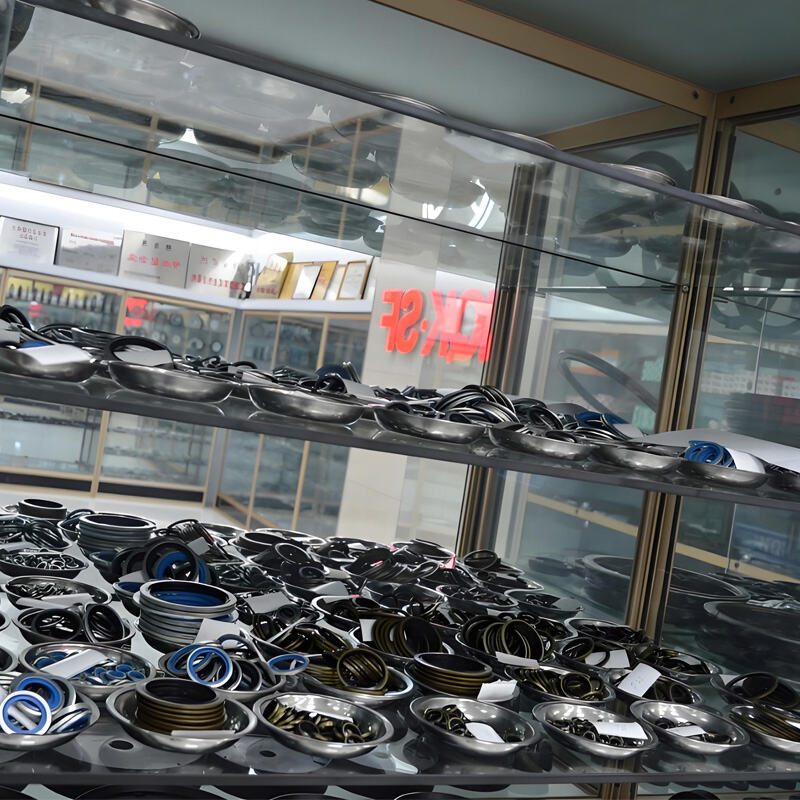
Modern industrial operations rely heavily on efficient inventory management systems, particularly when dealing with critical components like oil seals. Understanding what inventory management solutions oil seals suppliers provide can significantly impact procurement efficiency, operational continuity, and cost optimization. These specialized suppliers have developed sophisticated approaches to inventory management that extend far beyond simple stock tracking, incorporating advanced technologies and strategic partnerships to ensure seamless supply chain operations.
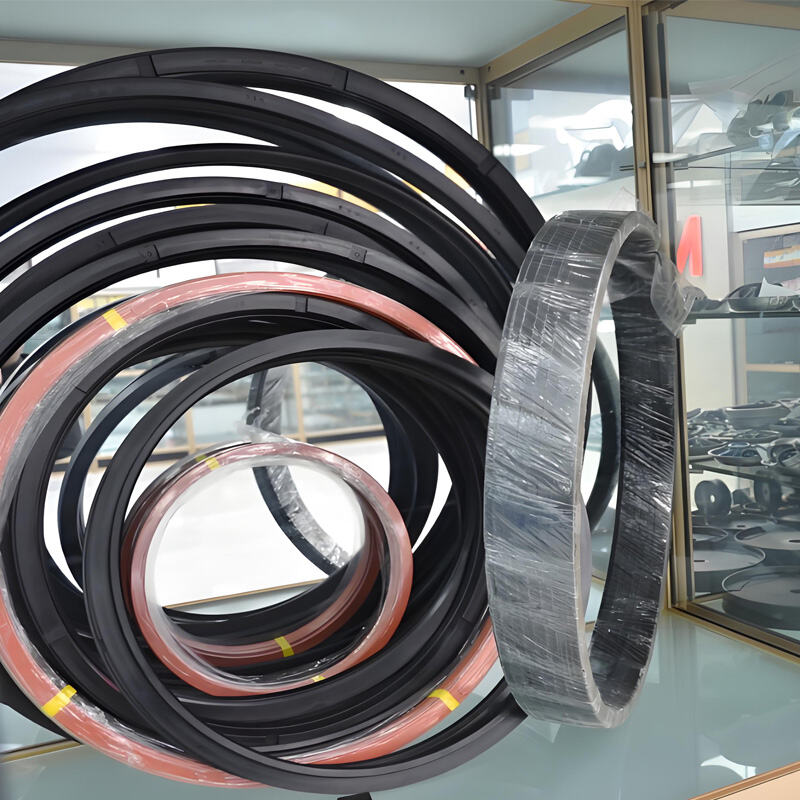
The complexity of oil seal applications across diverse industries has driven suppliers to implement comprehensive inventory solutions that address varying demand patterns, technical specifications, and delivery requirements. These solutions encompass everything from automated stock monitoring systems to customized warehousing arrangements, designed to meet the specific needs of manufacturers, maintenance departments, and distributors who depend on reliable access to quality sealing solutions.
Digital Inventory Management Platforms
Real-Time Stock Monitoring Systems
Leading oil seals suppliers have invested in sophisticated digital platforms that provide real-time visibility into inventory levels across multiple warehouses and distribution centers. These systems track stock movements, monitor consumption patterns, and generate automated alerts when inventory levels approach predetermined thresholds. The technology enables both suppliers and customers to access accurate inventory data through web-based dashboards, mobile applications, and integrated ERP systems.
These monitoring systems incorporate barcode scanning, RFID tracking, and automated data capture technologies to maintain precise inventory records. The platforms can handle thousands of different oil seal specifications, tracking everything from standard O-rings to complex custom-engineered sealing solutions. Advanced algorithms analyze historical usage patterns to predict future demand and optimize stock levels accordingly.
The real-time nature of these systems allows for immediate response to inventory changes, enabling proactive replenishment and preventing stockouts that could disrupt critical operations. Integration with customer procurement systems further streamlines the ordering process and reduces administrative overhead.
Automated Replenishment Programs
Progressive oil seals suppliers offer automated replenishment programs that eliminate the guesswork from inventory planning. These programs utilize machine learning algorithms to analyze consumption patterns, seasonal variations, and operational changes to automatically generate purchase orders when stock levels reach optimized reorder points. The systems can adjust replenishment parameters based on changing business conditions, equipment modifications, or maintenance schedule alterations.
Customers can configure these programs to accommodate their specific operational requirements, including minimum and maximum stock levels, lead time considerations, and budget constraints. The automation reduces manual intervention while ensuring continuous availability of critical sealing components. Suppliers often provide detailed reporting and analytics to help customers understand their consumption patterns and optimize their inventory strategies.
These programs frequently include exception management capabilities that flag unusual consumption patterns or potential supply chain disruptions, allowing for proactive intervention and alternative sourcing when necessary. The integration of supplier capacity planning with customer demand forecasting creates a more resilient and responsive supply chain ecosystem.
Warehousing and Distribution Solutions
Strategic Location Networks
Sophisticated oil seals suppliers maintain strategically positioned warehouse networks designed to minimize delivery times and transportation costs while maximizing service levels. These facilities are typically located near major industrial centers, key customer concentrations, and transportation hubs to ensure rapid response to urgent requirements. The warehouse networks often incorporate regional distribution centers, local service points, and customer-specific inventory locations.
Each warehouse location is equipped with climate-controlled storage environments specifically designed for rubber and polymer materials, ensuring that oil seals maintain their physical properties and performance characteristics throughout the storage period. Advanced inventory rotation protocols follow first-in-first-out principles to prevent age-related degradation of sealing materials.
The distribution network design incorporates redundancy and flexibility to handle supply chain disruptions, seasonal demand variations, and emergency requirements. Multiple sourcing points for critical items ensure continuity of supply even when individual facilities experience operational challenges.
Consignment and Vendor-Managed Inventory Programs
Many oil seals suppliers offer consignment programs where they maintain inventory at customer facilities while retaining ownership until the products are consumed. This approach reduces customer working capital requirements while ensuring immediate availability of critical sealing components. Suppliers typically monitor these consignment stocks through IoT sensors, periodic audits, or integrated inventory management systems.
Vendor-managed inventory programs extend this concept by having oil seals suppliers take full responsibility for maintaining optimal stock levels at customer locations. These programs involve detailed analysis of usage patterns, maintenance schedules, and operational requirements to establish appropriate inventory targets and replenishment triggers.
The success of these programs depends on robust communication systems and data sharing agreements that allow suppliers to access consumption data and operational information necessary for effective inventory management. Regular business reviews and performance assessments ensure that the programs continue to meet evolving customer needs and operational requirements.
Specialized Product Category Management
Technical Specification Tracking
Professional oil seals suppliers maintain comprehensive databases that track the technical specifications, applications, and cross-reference information for thousands of different sealing products. These systems enable precise matching of customer requirements with available inventory, reducing the risk of incorrect product selection and ensuring optimal sealing performance. The databases typically include dimensional data, material properties, temperature ratings, pressure capabilities, and chemical compatibility information.
Advanced search and filtering capabilities allow customers and supplier personnel to quickly identify suitable alternatives when primary product choices are unavailable. The systems often include application guides, installation instructions, and troubleshooting resources to support proper product selection and implementation.
Integration with computer-aided design systems and technical documentation platforms enables seamless product specification and ordering processes. Many suppliers provide technical support services that leverage these databases to assist customers with complex sealing challenges and application-specific requirements.
Custom and Engineered Solutions Management
Leading oil seals suppliers have developed specialized inventory management approaches for custom-engineered and application-specific sealing solutions. These systems track design specifications, manufacturing requirements, testing protocols, and approval processes for bespoke products. The management approach often includes prototype inventory, production scheduling integration, and quality assurance tracking.
Custom product inventory management requires close coordination between engineering, manufacturing, and supply chain teams to ensure that specialized tooling, materials, and production capacity are available when needed. Suppliers often maintain strategic inventory of raw materials and semi-finished components to reduce lead times for custom solutions.
The tracking systems for engineered solutions include revision control, change management, and traceability features that ensure consistent product quality and regulatory compliance. Documentation management capabilities maintain detailed records of design specifications, testing results, and application performance data.
Digital Integration and Connectivity
ERP System Integration
Modern oil seals suppliers provide sophisticated integration capabilities that connect their inventory management systems with customer enterprise resource planning platforms. These integrations enable seamless data exchange for purchase orders, inventory levels, shipping notifications, and invoice processing. The connectivity reduces manual data entry, minimizes errors, and accelerates transaction processing.
API-based integration solutions allow for real-time synchronization of inventory data between supplier and customer systems. This connectivity enables automated purchasing workflows, exception reporting, and performance analytics that support informed decision-making. Standard integration protocols ensure compatibility with major ERP systems while custom integration options accommodate unique operational requirements.
The integration platforms often include data mapping tools, transformation capabilities, and error handling features that ensure reliable and accurate data exchange. Security protocols protect sensitive business information while maintaining the connectivity necessary for effective supply chain collaboration.
Mobile and Remote Access Solutions
Progressive oil seals suppliers offer mobile applications and remote access solutions that enable customers to manage their inventory requirements from any location. These platforms provide real-time access to stock levels, order status, pricing information, and technical documentation through smartphones, tablets, and laptop computers. The mobile solutions are particularly valuable for maintenance personnel, procurement professionals, and operations managers who need immediate access to inventory information.
The mobile platforms typically include barcode scanning capabilities, photo documentation features, and offline synchronization options that support field operations and remote locations. Push notifications and alert systems keep users informed of critical inventory events, urgent orders, and supply chain disruptions.
Cloud-based architecture ensures that mobile solutions remain current with inventory changes and system updates. User authentication and authorization controls protect sensitive information while providing appropriate access levels for different organizational roles and responsibilities.
FAQ
How do oil seals suppliers handle emergency inventory requirements?
Oil seals suppliers typically maintain emergency inventory protocols that include expedited sourcing, alternative product identification, and rapid delivery options. Many suppliers keep safety stock of critical items and have established relationships with multiple manufacturing sources to ensure availability during urgent situations. Emergency procedures often include 24-hour customer support, same-day shipping capabilities, and alternative product recommendations when primary items are unavailable.
What inventory visibility do customers have into supplier stock levels?
Most professional oil seals suppliers provide customers with real-time or near-real-time visibility into relevant inventory levels through web portals, mobile applications, or integrated ERP connections. This visibility typically includes stock quantities, location information, expected delivery dates, and alternative product availability. The level of detail and access depends on the customer relationship and specific service agreements in place.
Can oil seals suppliers manage inventory for multiple plant locations?
Yes, experienced oil seals suppliers often manage inventory across multiple customer locations through centralized planning systems and distributed fulfillment networks. These multi-site programs can include location-specific stocking strategies, consolidated reporting, standardized products across facilities, and coordinated replenishment schedules. The approach requires sophisticated logistics coordination and communication systems to ensure effective service delivery to all locations.
What reporting and analytics do suppliers provide for inventory management?
Professional oil seals suppliers typically offer comprehensive reporting and analytics including consumption analysis, inventory turnover metrics, cost trends, supplier performance measurements, and demand forecasting. These reports help customers optimize their inventory strategies, identify cost reduction opportunities, and improve operational efficiency. Advanced analytics may include predictive modeling, exception reporting, and benchmarking against industry standards or best practices.