
 EN
EN
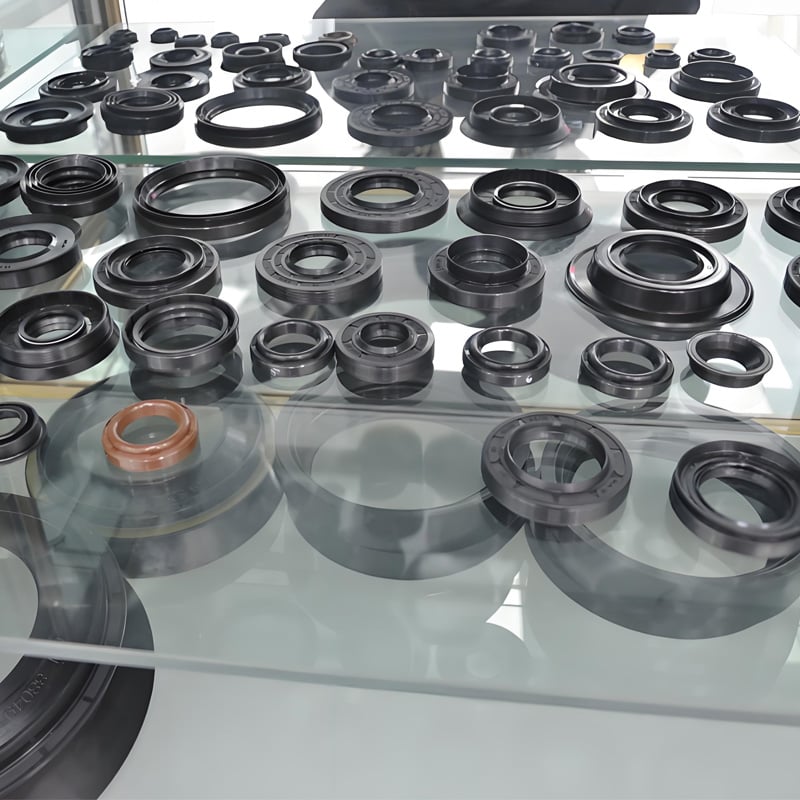
A successful rubber seals manufacturer must invest in comprehensive testing equipment to ensure product quality, durability, and regulatory compliance. Testing equipment is not merely a regulatory checkbox—it directly impacts customer satisfaction, reduces costly recalls, and establishes market credibility. As a rubber seals manufacturer, your testing capabilities become a competitive differentiator that demonstrates commitment to excellence and technical rigor in seal production and performance validation.
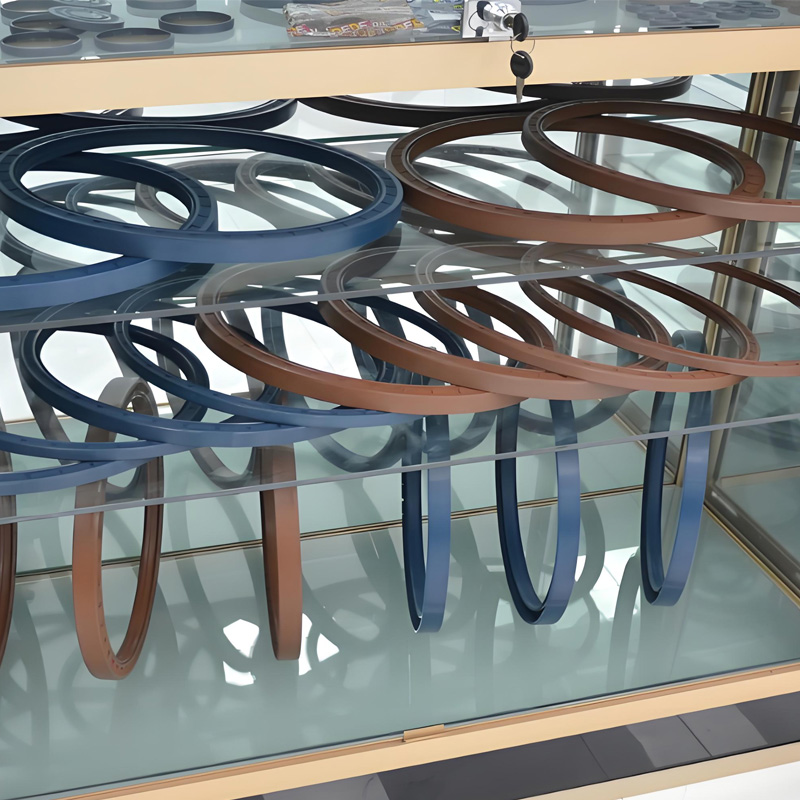
Every rubber seals manufacturer faces the challenge of proving seal performance across diverse operating conditions—extreme temperatures, chemical exposure, pressure cycles, and environmental stress. Without proper testing infrastructure, a rubber seals manufacturer cannot reliably validate that products meet industry standards such as ISO 3384, ASTM D395, or customer-specific requirements. This article outlines the critical testing equipment that defines operational excellence and ensures your rubber seals manufacturer reputation remains strong in competitive markets.
Core Testing Equipment Categories for Rubber Seals Manufacturers
Tensile and Compression Testing Systems
Tensile strength and compression set are fundamental properties every rubber seals manufacturer must measure. A universal tensile testing machine applies controlled force to seal samples, measuring how much stress the rubber withstands before failure. Compression set testers, equally vital for any rubber seals manufacturer, determine how well a seal retains its shape after prolonged compression—a critical performance indicator for applications requiring long-term contact pressure. These machines generate data that directly influences material selection and design decisions within your rubber seals manufacturer operations.
For a rubber seals manufacturer, compression testing validates whether seals maintain dimensional stability under load cycles. Modern compression testers apply precise pressure while monitoring recovery, producing quantifiable data that satisfies customer specifications and regulatory audits. A rubber seals manufacturer investing in automated compression testing systems can process higher sample volumes, reduce human error, and generate consistent documentation for quality assurance records and customer compliance portfolios.
Thermal and Environmental Chambers
Temperature cycling chambers are indispensable for any rubber seals manufacturer validating thermal stability and aging resistance. Rubber materials degrade differently across temperature ranges—accelerated aging chambers simulate months or years of environmental exposure in compressed timeframes. A rubber seals manufacturer using thermal chambers can test seal performance across operational extremes, from cryogenic conditions to high-heat industrial environments, ensuring products perform reliably in real-world customer applications.
Environmental chambers also enable humidity and chemical immersion testing, critical for rubber seals manufacturer products exposed to oil, coolant, refrigerants, or corrosive fluids. These chambers measure dimensional changes, hardness shifts, and material degradation when seals contact aggressive chemical environments. Every professional rubber seals manufacturer incorporates environmental simulation into quality protocols, reducing the risk of field failures and protecting brand reputation.
Advanced Analytical and Compliance Testing Equipment
Hardness Testers and Durometer Systems
Durometer testing remains fundamental for rubber seals manufacturer quality assurance. Hardness directly correlates to seal performance—too soft and the seal cannot maintain compression; too hard and it becomes brittle and prone to cracking. A rubber seals manufacturer employs Shore A and Shore D durometers to verify incoming material batches and finished products meet specification ranges. Consistent hardness measurement across production runs ensures every rubber seals manufacturer maintains uniform quality and prevents customer complaints related to seal inconsistency.
Modern digital durometers provide faster readings and automated data logging, allowing a rubber seals manufacturer to establish statistical trends and detect material drift. Automated systems capture hundreds of hardness measurements, creating quality baselines that inform production adjustments and supplier material performance. This level of documentation is essential for a rubber seals manufacturer supplying regulated industries such as automotive, aerospace, or medical devices.
Permeability and Gas Diffusion Testing
Gas permeability is critical for rubber seals manufacturer applications requiring hermetic sealing or low-leakage performance. Permeability testing chambers measure how quickly gases or vapors diffuse through the seal material under controlled temperature and pressure. A rubber seals manufacturer producing seals for fuel systems, refrigeration, or pressurized vessels must validate permeability rates against specification limits. This testing prevents catastrophic failures where seal permeability compromises system integrity or allows hazardous substance escape.
A rubber seals manufacturer operating advanced permeability analyzers can quantify diffusion coefficients and verify that material formulations meet regulatory requirements for contained substances. This capability directly supports customer approvals and regulatory certifications, positioning your rubber seals manufacturer as a technically rigorous supplier worthy of critical applications.
Quality Control Documentation and Compliance Systems
Dimensional Measurement and Inspection Equipment
Precision dimensional measurement is essential for any rubber seals manufacturer ensuring products fit customer assemblies without gaps or excessive tolerances. Vision inspection systems, coordinate measuring machines (CMMs), and laser measurement devices allow a rubber seals manufacturer to validate inner diameter, outer diameter, cross-section thickness, and groove compatibility with customer specifications. Automated inspection reduces human error and provides high-speed throughput suitable for high-volume production environments.
A rubber seals manufacturer using optical or laser inspection can detect surface defects, improper molding, flash residue, and dimensional drift before products ship. Statistical process control (SPC) software integrates measurement data, alerting a rubber seals manufacturer to trending issues that require mold adjustment or material recipe changes. This proactive approach minimizes scrap rates and prevents quality failures in customer applications.
Documentation and Traceability Systems
Every rubber seals manufacturer must maintain comprehensive testing records tied to production batches. Laboratory information management systems (LIMS) and electronic quality management systems (QMS) document all testing results, material certifications, and compliance data. A rubber seals manufacturer with robust documentation systems can quickly trace root causes of quality issues, respond to customer complaints, and demonstrate compliance during supplier audits.
Digital traceability allows a rubber seals manufacturer to link specific seal batches to raw material suppliers, cure dates, testing results, and shipping destinations. This capability is essential for regulated industries where rubber seals manufacturer accountability extends across extended supply chains. Comprehensive record-keeping transforms testing data into strategic compliance assets that protect customer relationships and market standing.
FAQ
What is the minimum testing equipment a new rubber seals manufacturer should invest in?
A startup rubber seals manufacturer should prioritize universal tensile testers, durometers, compression set equipment, and environmental chambers. These core systems validate basic material properties and thermal stability, meeting most customer quality expectations. Add dimensional inspection equipment and a quality documentation system, and your rubber seals manufacturer has established credible testing infrastructure. Expanding to advanced permeability and chemical resistance testing follows as production volumes and customer requirements grow.
How does testing equipment improve a rubber seals manufacturer's competitive advantage?
Testing infrastructure differentiates a rubber seals manufacturer by demonstrating technical capability, quality assurance rigor, and regulatory compliance commitment. Customers increasingly require certifications and test data; a rubber seals manufacturer offering comprehensive third-party validated testing reports wins contracts over competitors lacking such capabilities. Additionally, robust testing reduces field failures, protecting a rubber seals manufacturer's reputation and enabling premium pricing justified by proven product performance.
What testing standards must a rubber seals manufacturer comply with?
A rubber seals manufacturer typically complies with ASTM D395 (compression set), ASTM D412 (tensile properties), ISO 3384 (aging resistance), and ISO 6072 (dimensional requirements). Industry-specific standards apply to automotive seals (SAE J200), aerospace seals (AS568), medical seals (ISO 10993), and chemical compatibility testing. Your rubber seals manufacturer should align testing protocols with customer contracts and applicable regulations. Third-party certification labs can supplement in-house capabilities for specialized testing that exceeds your rubber seals manufacturer equipment portfolio.