
 EN
EN
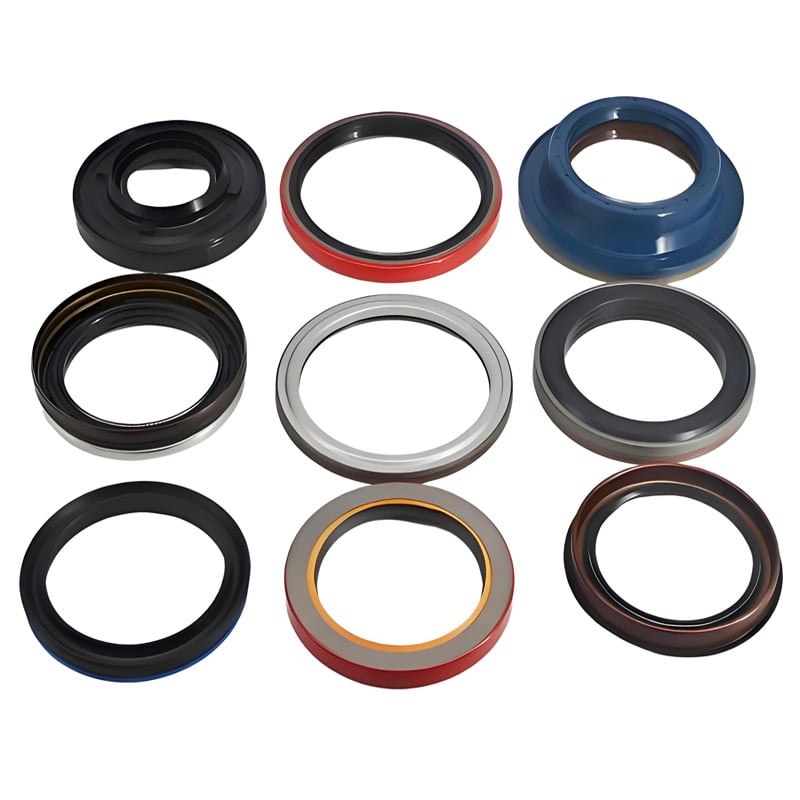
The service life of a rotary shaft seal directly impacts operational efficiency, maintenance costs, and overall system reliability in industrial applications. Understanding the factors that determine how long a rotary shaft seal performs is essential for equipment managers, maintenance teams, and engineers who need to optimize asset performance and reduce unexpected downtime. A rotary shaft seal's ability to maintain effectiveness depends on multiple interconnected variables, ranging from material composition to environmental stressors, making it crucial to address each factor systematically.
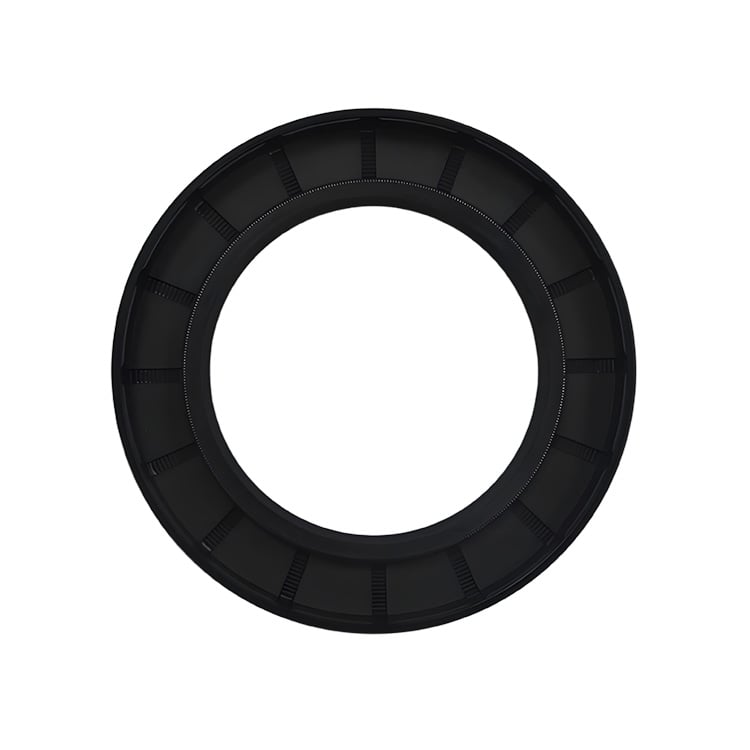
Industrial operations depend on reliable sealing solutions to prevent fluid leakage, contamination ingress, and equipment degradation. The rotary shaft seal operates under challenging conditions, continuously resisting pressure differentials, temperature fluctuations, and mechanical wear. By examining the specific factors that influence rotary shaft seal longevity, organizations can make informed decisions about seal selection, installation procedures, and preventive maintenance strategies that extend equipment lifespan and reduce total cost of ownership.
Material Composition and Elastomer Selection
Elastomer Type and Performance Characteristics
The elastomer material used in a rotary shaft seal fundamentally determines its compatibility with process fluids and resistance to environmental degradation. Different elastomer formulations exhibit varying resistance to temperature extremes, chemical exposure, and mechanical stress. Nitrile, fluorocarbon, and silicone elastomers represent common choices, each offering distinct advantages for specific applications. A rotary shaft seal manufactured from fluorocarbon elastomer, for instance, typically provides superior chemical resistance and temperature stability compared to standard nitrile options, though at higher material cost.
The elastomer's tensile strength, elongation at break, and hardness rating directly affect how well a rotary shaft seal can withstand operational pressures and dynamic loading. Harder elastomer compounds may resist extrusion but often sacrifice flexibility and conformability to the shaft surface. Conversely, softer elastomers provide better sealing contact but may wear more rapidly under high-speed conditions. Engineers must select a rotary shaft seal formulation that balances these competing properties based on specific duty cycle requirements and fluid compatibility needs.
Surface Treatment and Coating Technologies
Modern rotary shaft seal designs often incorporate specialized surface treatments that enhance sealing performance and extend operational life. Polytetrafluoroethylene (PTFE) coatings reduce friction between the seal lip and shaft surface, minimizing heat generation and wear rates. A rotary shaft seal with advanced coating technology can achieve significantly lower leakage rates and extended intervals between maintenance procedures. These surface enhancements also improve compatibility with aggressive fluids and reduce the coefficient of friction, which directly correlates with reduced elastomer degradation.
Hard-anodized and electroless nickel-plated shaft surfaces work synergistically with optimized rotary shaft seal formulations to create durable sealing interfaces. The shaft surface finish quality must meet specified roughness parameters to ensure consistent rotary shaft seal contact pressure and prevent micro-leakage paths. Poor shaft surface preparation can render even premium rotary shaft seal materials ineffective, leading to accelerated wear and premature failure.
Operating Conditions and Environmental Stressors
Temperature Effects on Seal Performance
Temperature represents one of the most critical factors influencing rotary shaft seal service life and reliability. Elevated temperatures cause elastomer materials to soften, lose resilience, and increase diffusion rates of process fluids into the seal material. A rotary shaft seal exposed to sustained high-temperature operation experiences accelerated hardening and brittleness, reducing its ability to maintain dynamic sealing contact. Each elastomer type has a maximum continuous operating temperature limit beyond which rotary shaft seal performance deteriorates rapidly.
Thermal cycling, where operating temperature fluctuates between extreme values, presents additional challenges for rotary shaft seal longevity. These temperature swings cause differential expansion between the seal material, shaft, and housing components, generating mechanical stress that can crack the elastomer or create micro-gaps in the sealing interface. Maintaining stable operating temperatures within the rotary shaft seal's rated range significantly extends service life and prevents catastrophic failures. Thermal management systems that regulate process temperature directly protect the rotary shaft seal and improve overall equipment reliability.
Speed and Friction-Induced Heat Generation
Rotary shaft seal performance degrades under high-speed operation due to friction heat generation at the sealing interface. As shaft rotational speed increases, friction forces intensify, raising local temperatures around the seal lip contact zone. This frictional heating can cause a rotary shaft seal to exceed its temperature rating even when bulk process temperature remains within acceptable limits. Speed-related heat generation represents a primary failure mode in high-performance applications, necessitating careful seal design and material selection.
Pressure differentials across the rotary shaft seal create additional loading that compounds friction effects at elevated speeds. The combination of pressure, speed, and temperature—often expressed as the 'PVT factor'—provides a practical metric for predicting rotary shaft seal performance limits. Engineers must verify that proposed operating conditions fall within acceptable PVT ranges to ensure adequate rotary shaft seal longevity. Lubrication quality and cooling effectiveness become increasingly important variables when operating near maximum speed specifications.
Fluid Compatibility and Chemical Attack
Process fluids directly contact rotary shaft seal elastomers, and chemical incompatibility accelerates material degradation through swelling, softening, or embrittlement. Mineral oils, synthetic fluids, and aqueous solutions exhibit different interaction profiles with various elastomer types. A rotary shaft seal selected without proper fluid compatibility analysis may fail within weeks rather than years, making material matching an essential design step. Fluid analysis and elastomer compatibility testing should precede any rotary shaft seal application in new or modified systems.
Contaminated or degraded process fluids can attack rotary shaft seal materials more aggressively than virgin fluids, introducing corrosive compounds and reactive species that compromise seal integrity. Regular fluid analysis programs help identify contamination trends before they damage the rotary shaft seal. Fluid filtration improvements and scheduled fluid changes protect rotary shaft seal investment and maintain system reliability over extended service intervals.
Installation Quality and Maintenance Practices
Proper Installation Procedures and Shaft Fit Specifications
Correct installation of a rotary shaft seal fundamentally determines whether the component can achieve its rated service life. Improper shaft fit—either too loose or too tight—creates abnormal loading conditions that accelerate rotary shaft seal wear. A rotary shaft seal installed with inadequate interference may migrate axially during operation, misaligning the seal lip and creating leakage paths. Conversely, excessive interference generates extreme radial loads that cause premature elastomer failure and elevated friction heat.
Installation technique significantly affects rotary shaft seal performance and longevity. Using proper installation tools, protecting elastomer surfaces from damage, and respecting torque specifications ensure the rotary shaft seal achieves optimal sealing contact geometry. Damage during installation—such as cuts, nicks, or twisted elastomer sections—creates immediate weakness points that lead to rapid rotary shaft seal failure. Many premature failures attributed to material or design defects actually result from improper installation practices.
Preventive Maintenance and Condition Monitoring
Proactive maintenance strategies directly extend rotary shaft seal service life and prevent catastrophic failures. Regular inspection for visible leakage, unusual noise, or temperature rise around the rotary shaft seal housing provides early warning of developing problems. Implementing condition-based maintenance triggers—such as oil analysis results or vibration signatures—enables timely intervention before rotary shaft seal failure occurs. Scheduled maintenance procedures should include shaft cleanliness verification and bearing condition assessment, as these factors significantly impact rotary shaft seal performance.
Documentation of rotary shaft seal performance data across equipment populations identifies patterns and informs future specification decisions. Tracking replacement intervals, failure modes, and operating conditions creates institutional knowledge that improves seal selection accuracy. Organizations that systematically analyze rotary shaft seal failure data achieve consistently longer service intervals and reduced maintenance costs compared to reactive maintenance approaches.
FAQ
What is the typical service life of a rotary shaft seal?
Typical rotary shaft seal service life ranges from two to five years under normal operating conditions, though this varies significantly based on material selection, operating speed, temperature environment, and fluid chemistry. Premium rotary shaft seal formulations with advanced coatings may achieve extended intervals of five to seven years or longer. Some high-duty applications require annual rotary shaft seal replacement regardless of visible degradation, based on reliability requirements. Consulting manufacturer specifications and historical performance data for comparable applications provides the most accurate service life estimates.
Can rotary shaft seal service life be extended through better cooling?
Yes, temperature management significantly impacts rotary shaft seal service life, and improved cooling systems can substantially extend longevity. Each 10-degree Celsius reduction in steady-state operating temperature can approximately double the effective rotary shaft seal lifespan, depending on the elastomer type and duty cycle. Enhanced cooling through better heat dissipation, thermostatic control, or liquid cooling systems reduces friction-induced heat generation at the seal interface and keeps elastomer materials within optimal operating ranges. However, cooling improvements must be evaluated economically against seal replacement costs and system complexity.
How do contaminants affect rotary shaft seal durability?
Contaminants in process fluids accelerate rotary shaft seal degradation through abrasive wear and chemical attack on elastomer materials. Particulate contamination creates micro-scratches that propagate into failure paths, while dissolved corrosive species weaken elastomer structure chemically. Implementing robust fluid filtration systems and maintaining fluid cleanliness standards protects rotary shaft seal integrity and extends service intervals significantly. Regular fluid sampling and analysis identify contamination trends early, enabling corrective action before rotary shaft seal failure occurs.