
 EN
EN
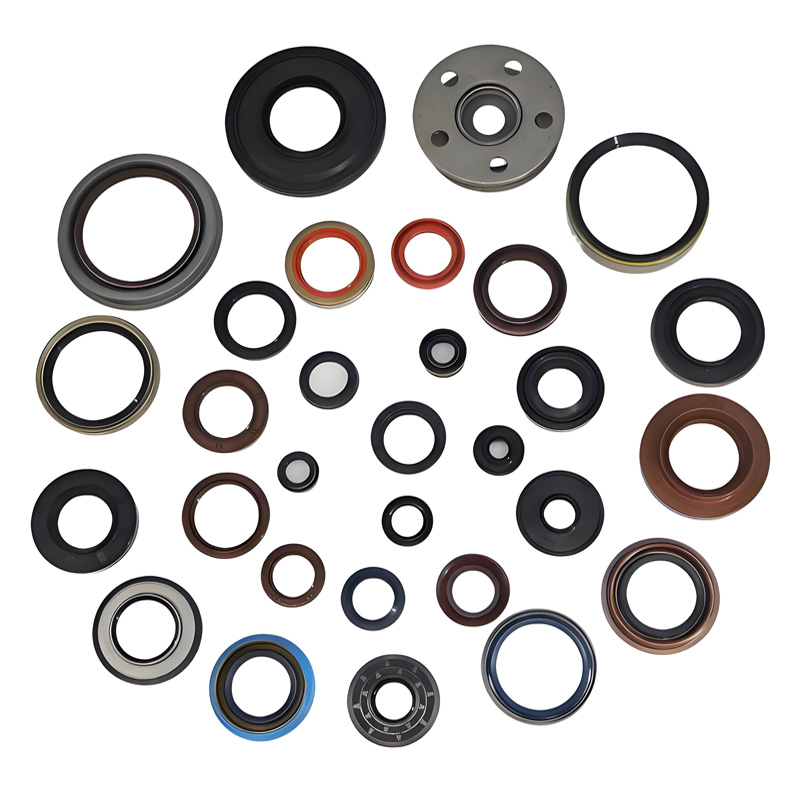
A rotary shaft seal is an indispensable component in thousands of industrial operations worldwide. These precision seals prevent fluid leakage and contamination in equipment where rotating shafts pass through stationary housing. Understanding which industries depend most heavily on rotary shaft seal technology reveals how critical these components are to modern manufacturing, energy production, and transportation systems. The rotary shaft seal market continues to grow as industries recognize the operational and financial benefits of proper shaft sealing solutions.
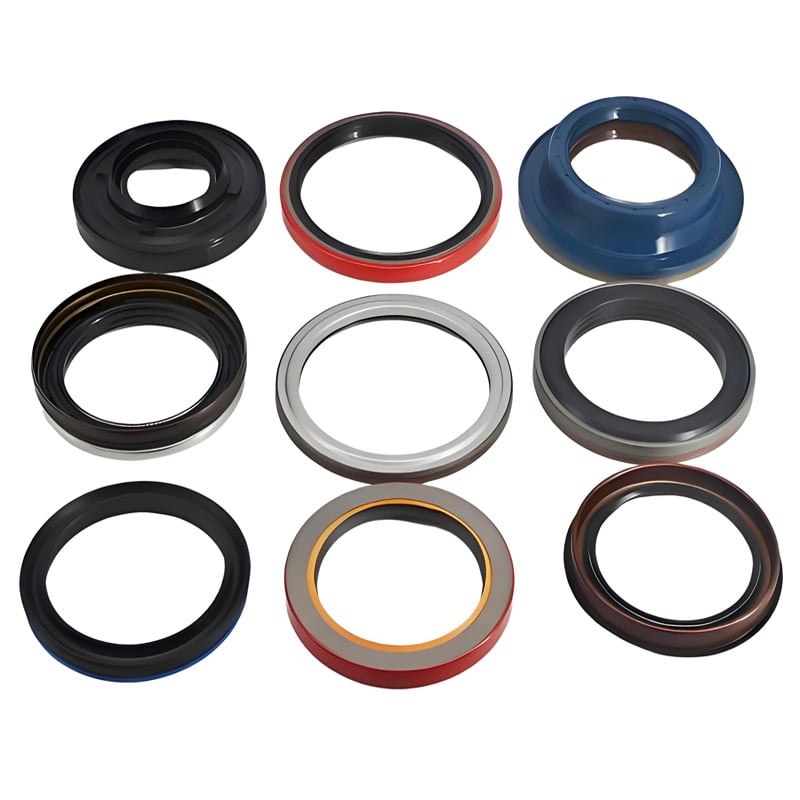
Across diverse industrial sectors, the rotary shaft seal serves a fundamental purpose: maintaining system integrity under demanding conditions. Whether equipment operates in harsh petrochemical environments, high-speed automotive applications, or precision food processing facilities, selecting the right rotary shaft seal determines equipment reliability and operational efficiency. Industries that understand the role and specification of rotary shaft seals gain competitive advantages through reduced downtime, extended equipment lifespan, and improved environmental compliance.
Petroleum and Energy Sector Reliance on Rotary Shaft Seals
Oil and Gas Production
The oil and gas industry represents one of the largest consumers of rotary shaft seal products globally. Crude oil extraction equipment, pipeline transfer systems, and downhole pump systems all require specialized rotary shaft seal configurations. The harsh chemical environment, extreme pressures, and temperature fluctuations in oil and gas operations demand rotary shaft seal materials that resist corrosion and maintain integrity over extended service intervals. A single rotary shaft seal failure in offshore drilling equipment can halt operations and create catastrophic environmental and financial consequences, making seal selection critical for operational safety.
Hydroelectric and Power Generation
Power generation facilities rely extensively on rotary shaft seal technology in turbine systems, generator assemblies, and coolant circulation pumps. Hydroelectric installations face unique challenges because rotary shaft seal components must function reliably in water-heavy environments while resisting erosive particles suspended in flowing water. Thermal power plants operating with steam-driven turbines require rotary shaft seals capable of withstanding temperature extremes and high-velocity shaft rotation. The renewable energy sector has similarly adopted rotary shaft seal solutions in wind turbine gearboxes and direct-drive generator systems.
Automotive and Transportation Manufacturing
Automotive Engine and Transmission Systems
Automotive manufacturers depend fundamentally on rotary shaft seal performance in engines, transmissions, and differential assemblies. Modern vehicles incorporate multiple rotary shaft seal locations, each engineered to contain oils and fluids while allowing shaft rotation at speeds exceeding 6,000 revolutions per minute. The automotive industry demands rotary shaft seal solutions that provide consistent performance across millions of operating cycles while meeting stringent environmental regulations. Electric vehicle development has created new challenges for rotary shaft seal specifications as thermal profiles and operating conditions differ significantly from traditional combustion engine requirements.
Commercial Vehicle and Rail Applications
Heavy commercial vehicles, including trucks, buses, and construction equipment, incorporate numerous rotary shaft seal installations throughout drive systems, hydraulic equipment, and auxiliary assemblies. Rail transportation systems employ rotary shaft seal components in locomotive gearboxes, axle assemblies, and traction motor housings. These transportation applications demand rotary shaft seal reliability because failure during operation creates public safety hazards and generates substantial operational costs. Manufacturers continuously improve rotary shaft seal designs to meet increasing vehicle performance standards while reducing maintenance requirements.
Chemical Processing and Food Manufacturing Industries
Chemical Production Facilities
Chemical processing plants represent a critical industrial sector where rotary shaft seal selection directly impacts environmental compliance and worker safety. Pump systems handling corrosive, toxic, or volatile chemicals require specialized rotary shaft seal materials and designs that prevent leakage into surrounding environments. The chemical industry utilizes rotary shaft seal solutions in centrifuge systems, reactors, and transfer equipment where chemical compatibility and leak prevention are paramount. Regulatory requirements governing hazardous material containment have driven innovation in rotary shaft seal technology, resulting in increasingly sophisticated sealing solutions for aggressive chemical applications.
Food and Beverage Processing
Food processing operations depend on rotary shaft seal integrity to maintain hygiene standards and prevent product contamination. Dairy equipment, beverage bottling systems, and meat processing machinery all incorporate rotary shaft seals designed for frequent cleaning and sanitation protocols. The rotary shaft seal must resist food acids, cleaning solutions, and thermal cycling while maintaining absolute cleanliness standards. Compliance with food safety regulations mandates rotary shaft seal materials that withstand aggressive cleaning agents without degradation, driving manufacturers to develop specialized rotary shaft seal compounds for food industry applications.
Pharmaceutical, Textile, and Equipment Manufacturing
Pharmaceutical Production Systems
Pharmaceutical manufacturers employ rotary shaft seal technology in equipment systems that must operate under strict contamination control protocols. Tablet presses, centrifuges, and solution transfer equipment incorporate specialized rotary shaft seals designed for validated pharmaceutical environments. The rotary shaft seal must maintain integrity while withstanding frequent validation procedures, cleaning cycles, and sterilization processes. Pharmaceutical-grade rotary shaft seal specifications have become increasingly complex as regulatory standards demand comprehensive material documentation and performance verification.
Textile Production and General Manufacturing
Textile mills utilize rotary shaft seals in spinning equipment, weaving machinery, and finishing systems where equipment operates continuously at high temperatures and speed. General manufacturing facilities incorporate rotary shaft seal solutions across diverse machinery platforms including compressors, pumps, and rotating equipment assemblies. The textile industry particularly values rotary shaft seal durability because production schedules demand minimal downtime and extended equipment service intervals. Manufacturers serving these sectors recognize that rotary shaft seal performance directly impacts production efficiency and equipment return on investment.
FAQ
What characteristics make a rotary shaft seal suitable for specific industrial applications?
Selecting an appropriate rotary shaft seal requires matching material composition, pressure rating, temperature range, and shaft speed capabilities to application requirements. Industries evaluate rotary shaft seal options based on the specific fluids handled, environmental conditions, regulatory compliance requirements, and maintenance accessibility. A rotary shaft seal designed for food processing applications differs significantly from one engineered for petroleum production because the chemical compatibility, sanitation protocols, and operational parameters are fundamentally different. Consulting technical specifications ensures the chosen rotary shaft seal meets performance demands and extends equipment service life.
How do industries reduce failures associated with rotary shaft seal performance issues?
Industries minimize rotary shaft seal failures through proper installation procedures, regular maintenance programs, and environmental condition monitoring. Preventive replacement of rotary shaft seals before expected service life expiration prevents catastrophic failures that interrupt production schedules. Training maintenance personnel on correct rotary shaft seal handling, installation depth, and alignment procedures significantly reduces premature failures. Many industries now implement condition monitoring systems that detect rotary shaft seal degradation before failure occurs, enabling planned maintenance interventions rather than emergency repairs.
Are rotary shaft seal requirements evolving across industrial sectors?
Yes, rotary shaft seal technology continues advancing as industries face increasingly demanding operational requirements and regulatory pressures. Climate change concerns drive development of rotary shaft seal solutions with reduced environmental impact and improved efficiency characteristics. Emerging industries including renewable energy, electric vehicle manufacturing, and advanced battery production create novel rotary shaft seal application scenarios. Material science innovations enable rotary shaft seals to operate under conditions previously considered impossible, expanding the technology's reach across new industrial sectors and specialized applications.