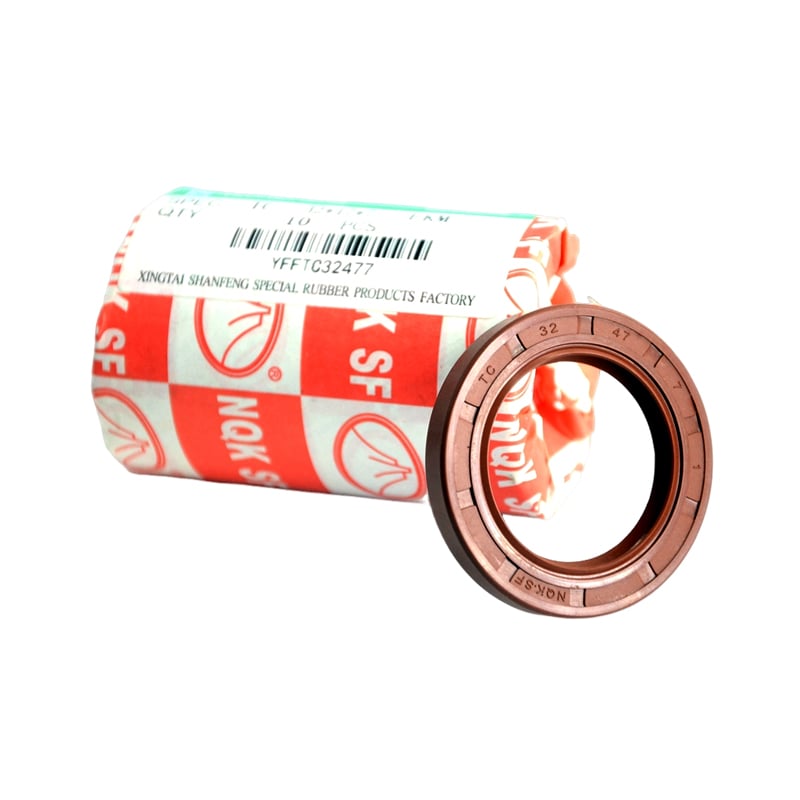

Many purchasing managers assume that an unused oil seal remains in perfect condition indefinitely. Unfortunately, rubber materials continue to change over time, even while sitting on a warehouse shelf.
So the answer is simple: improper storage can shorten the service life of an oil seal before it ever reaches a machine.
The good news is that most storage-related failures are preventable.
Why Rubber Ages in Storage
An oil seal is not just a shaped piece of rubber. It is an engineered material designed to maintain elasticity, resilience, and sealing pressure.
Over time, environmental factors slowly affect its structure.
Heat accelerates oxidation. Ultraviolet light can harden the surface. Ozone may create fine cracks. Continuous compression can deform the sealing lip.
These changes happen gradually, which is why a seal can appear normal while its performance has already declined.
The Hidden Damage Caused by Incorrect Storage
Warehouse personnel often focus on inventory quantity while overlooking storage conditions.
Several common practices can unintentionally damage seals:
Direct sunlight
Sunlight introduces ultraviolet exposure that may lead to surface hardening and loss of flexibility.
Storage near heaters or hot machinery
Elevated temperatures can accelerate aging and reduce the elasticity needed for effective sealing.
Heavy stacking
When cartons are compressed for long periods, sealing lips may deform and fail to recover their original shape.
Exposure to electric motors or generators
These devices can generate ozone, which gradually attacks certain elastomer compounds.
None of these issues may be visible immediately, but they can appear as leakage after installation.
How Should Oil Seals Be Stored?
Experienced warehouses often follow a simple principle: store seals in conditions similar to those preferred by the rubber itself.
Practical recommendations include:
Keep products in a cool, dry location.
Avoid direct sunlight.
Store in original packaging whenever possible.
Prevent contact with chemicals and solvents.
Do not suspend seals on hooks for extended periods.
Avoid excessive stacking pressure.
A stable environment generally supports longer storage life than frequent temperature fluctuations.
How Long Can an Oil Seal Be Stored?
There is no universal answer because shelf life depends on material type, storage conditions, and packaging quality.
An NBR seal stored in a controlled warehouse may remain usable for years, while the same seal stored beside a heat source may degrade much sooner.
Instead of relying only on manufacturing date, users should evaluate the actual condition of the seal.
How to Decide Whether an Old Seal Is Still Usable
Before installation, examine several indicators:
Is the rubber still flexible?
Are there visible cracks?
Does the sealing lip maintain its shape?
Are there signs of hardening or stickiness?
Is the garter spring free from corrosion?
A seal that remains elastic and visually intact may still be suitable for service. One that shows aging symptoms should be evaluated carefully before use.
Smart Inventory Management Saves More Than Product Cost
When oil seals fail because of storage conditions, the loss often extends beyond the seal itself.
Equipment downtime, labor costs, production delays, and repeat maintenance can easily exceed the value of the component.
Proper storage is therefore not simply a warehouse task. It is part of equipment reliability management.
 Hot News
ShanFeng Special Rubber Products Co., Ltd., operating under brand NQKSF since 1990, is a global leader in the sealing industry.
Copyright © 2026 ShanFeng Special Rubber Products Co., Ltd. All rights reserved. Privacy Policy
 EN
EN