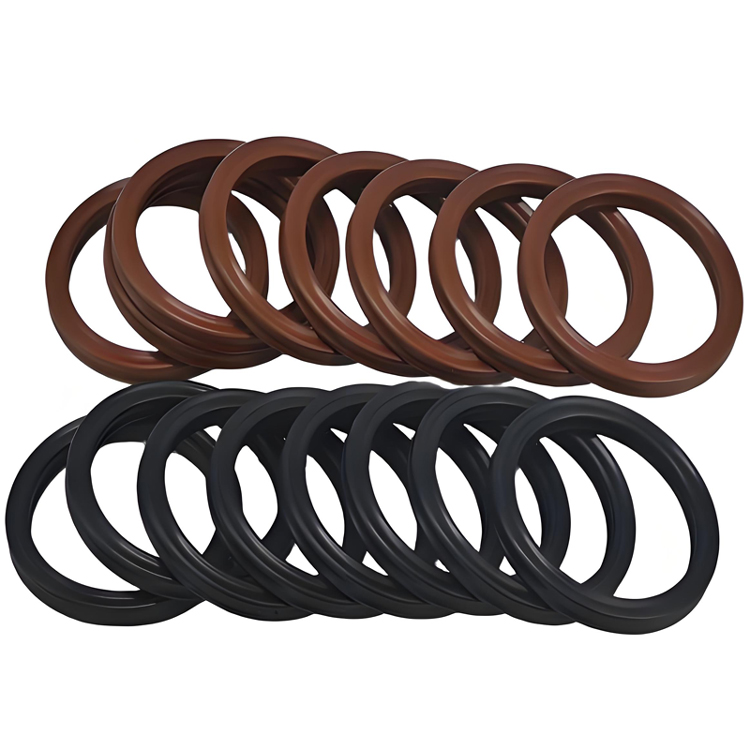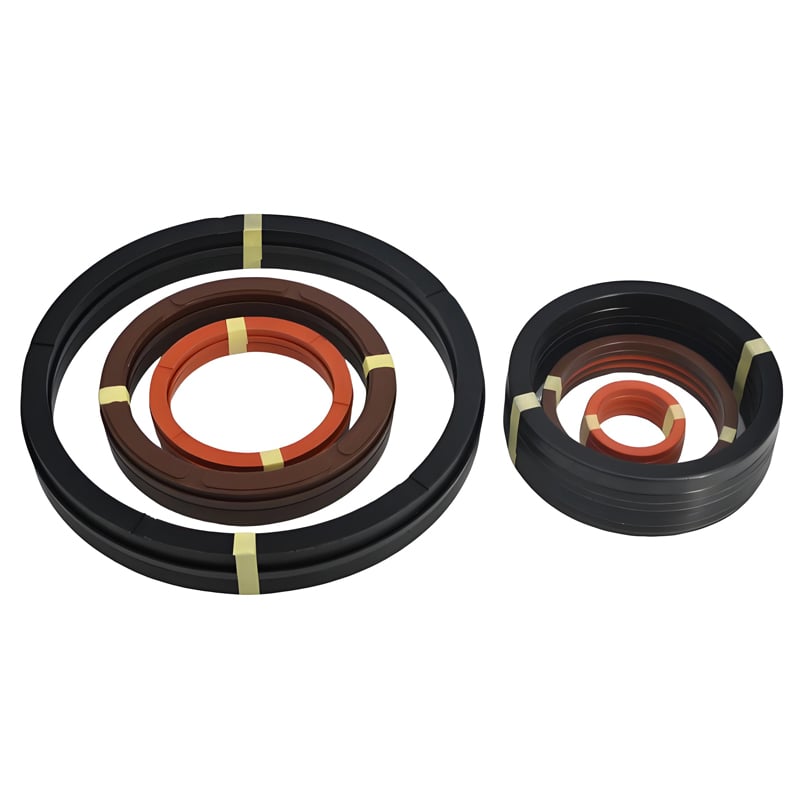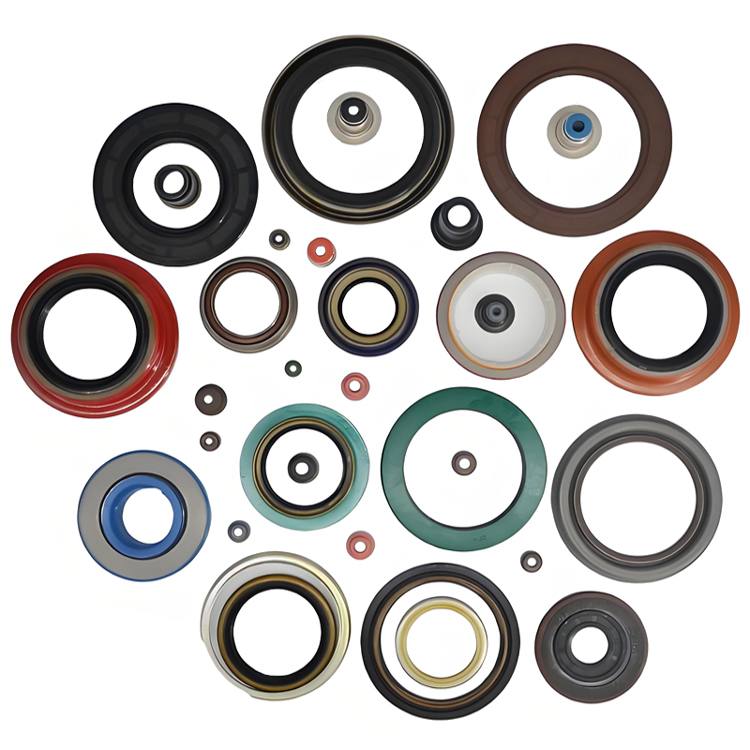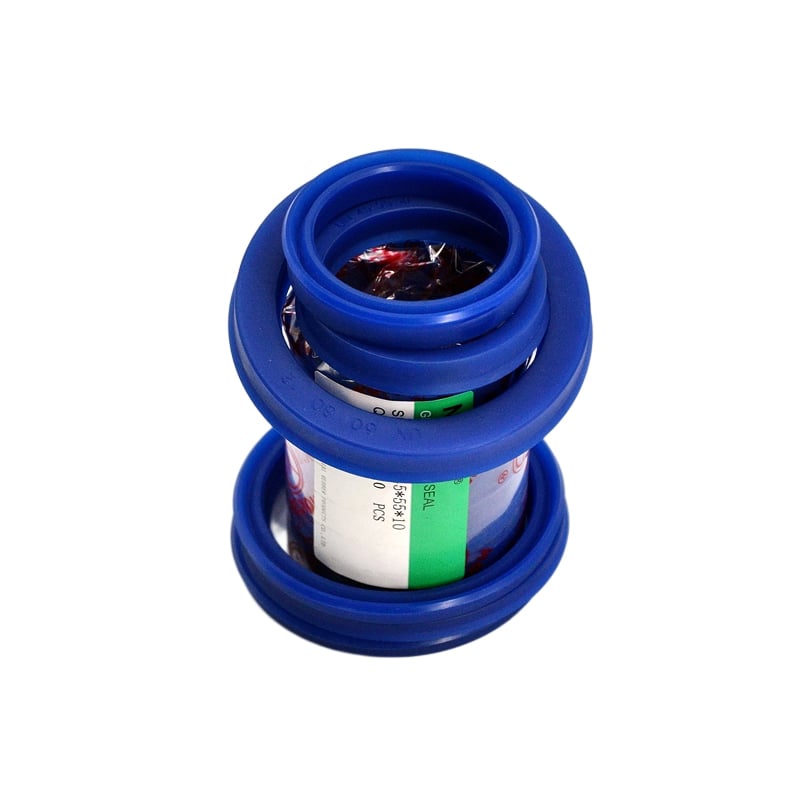

Choosing a rubber material is often more important than choosing the oil seal design itself.
Two oil seals may have identical dimensions and nearly identical appearances, yet their service life can vary dramatically simply because the material does not match the operating environment.
The first factor to consider is temperature. Every elastomer has a temperature range within which it performs effectively. A material that works perfectly in a standard industrial gearbox may become too rigid in cold storage equipment. Likewise, prolonged exposure to elevated temperatures can accelerate aging and reduce elasticity.
The second consideration is media compatibility. Lubricants, fuels, hydraulic fluids, chemicals, and cleaning agents interact differently with rubber compounds. A material that resists mineral oils may react poorly when exposed to aggressive chemicals. Understanding what the seal will contact is essential before making a selection.
Mechanical demands also influence material choice. Some applications require excellent abrasion resistance. Others place greater emphasis on flexibility, compression recovery, or resistance to dynamic movement. The operating environment determines which characteristics deserve priority.
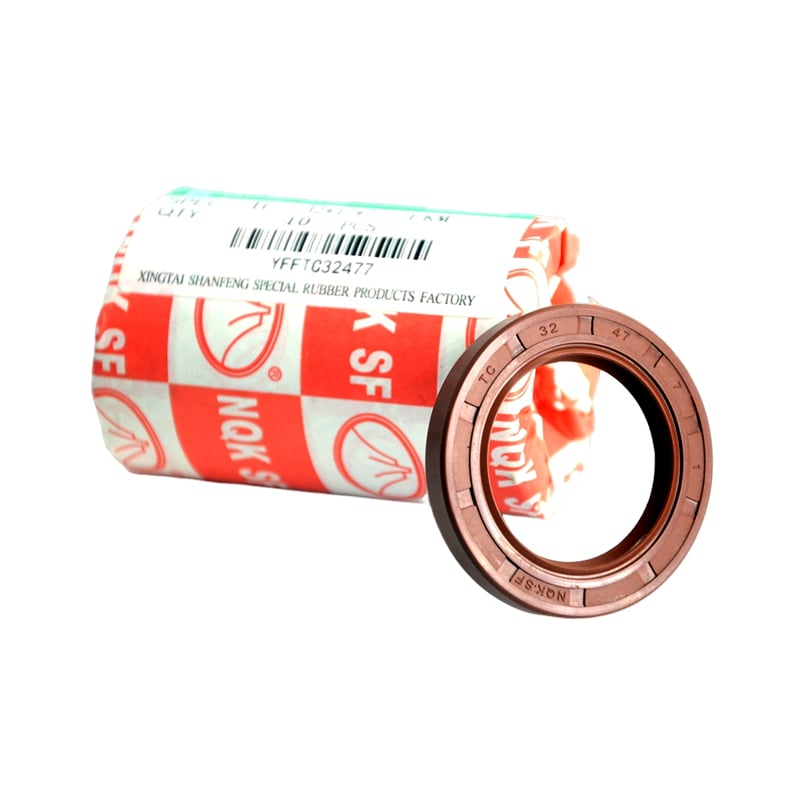
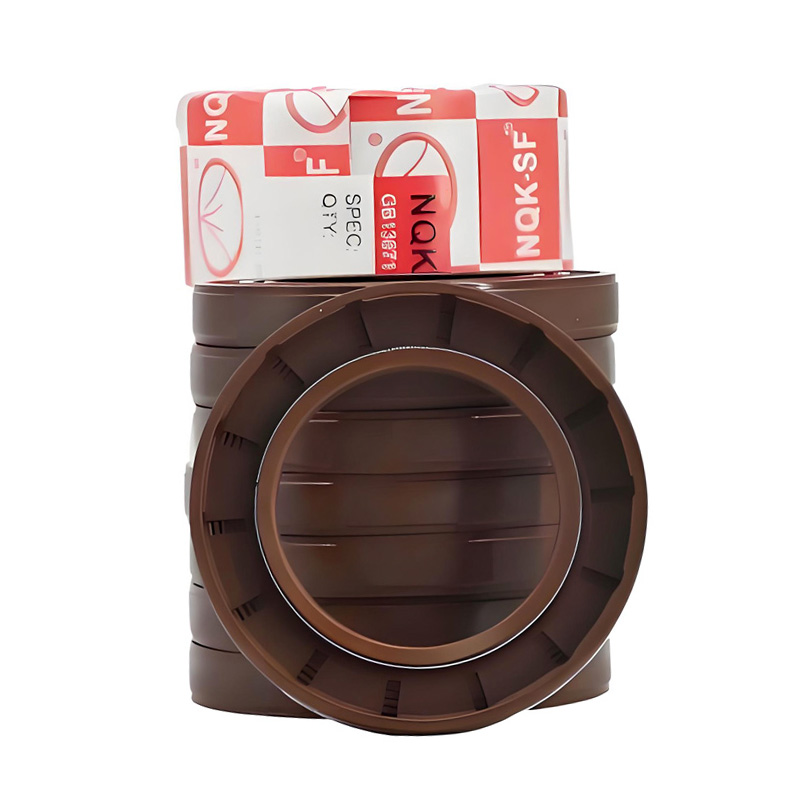
For general industrial equipment operating with conventional lubricants, NBR remains a widely used option due to its balanced performance and economic practicality. Where higher temperatures or more aggressive media are present, FKM often becomes a consideration because of its enhanced thermal and chemical resistance. Applications involving particularly demanding chemicals may require PTFE-based sealing solutions or specialized compounds designed for extreme environments.
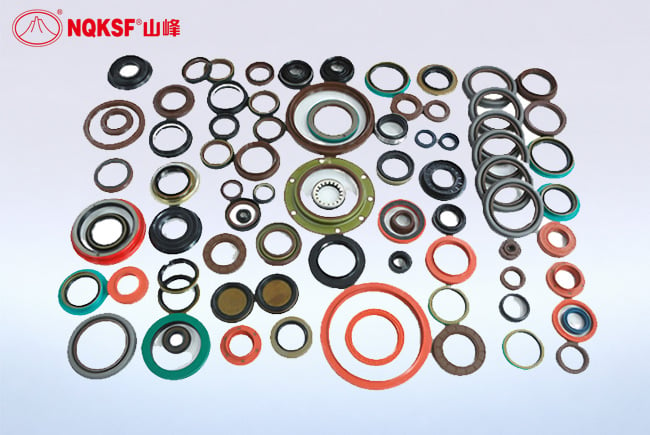
Another common mistake is choosing material solely based on what was installed previously. Equipment operating conditions often change over time. New lubricants, different duty cycles, environmental variations, or process modifications can alter sealing requirements without changing component dimensions.
Successful material selection begins with asking the right questions. What temperatures will the seal experience? What fluids will it contact? Is the application static or dynamic? Are contaminants present? Will the equipment operate continuously or intermittently?
Once those answers are clear, material selection becomes a process of matching properties to real operating conditions rather than relying on assumptions.
In sealing technology, material choice is not simply a specification detail. It often determines whether the seal performs reliably throughout its intended service life.
 Hot News
ShanFeng Special Rubber Products Co., Ltd., operating under brand NQKSF since 1990, is a global leader in the sealing industry.
Copyright © 2026 ShanFeng Special Rubber Products Co., Ltd. All rights reserved. Privacy Policy
 EN