Hydraulic Oil Seals Types: Complete Guide

All Categories

hydraulic oil seals types

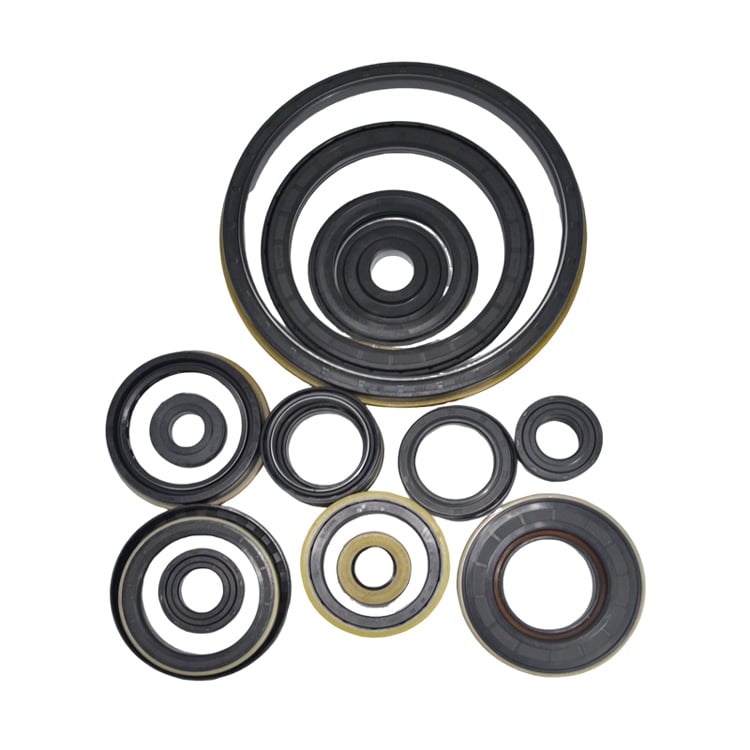
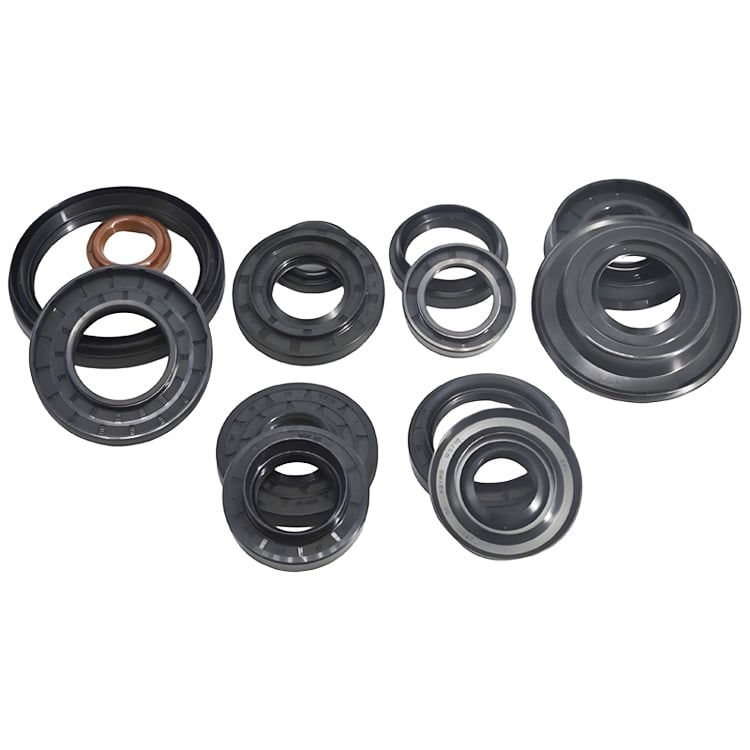
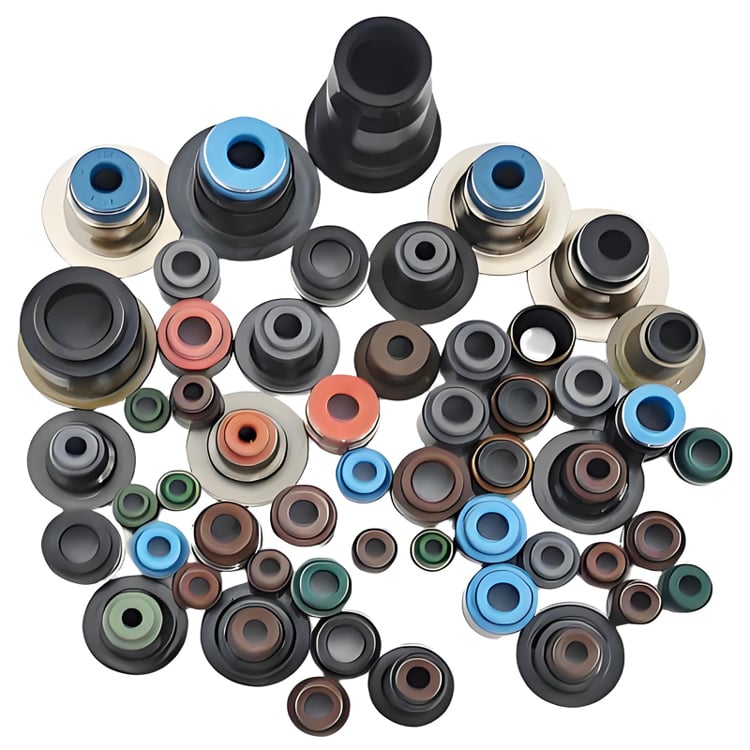
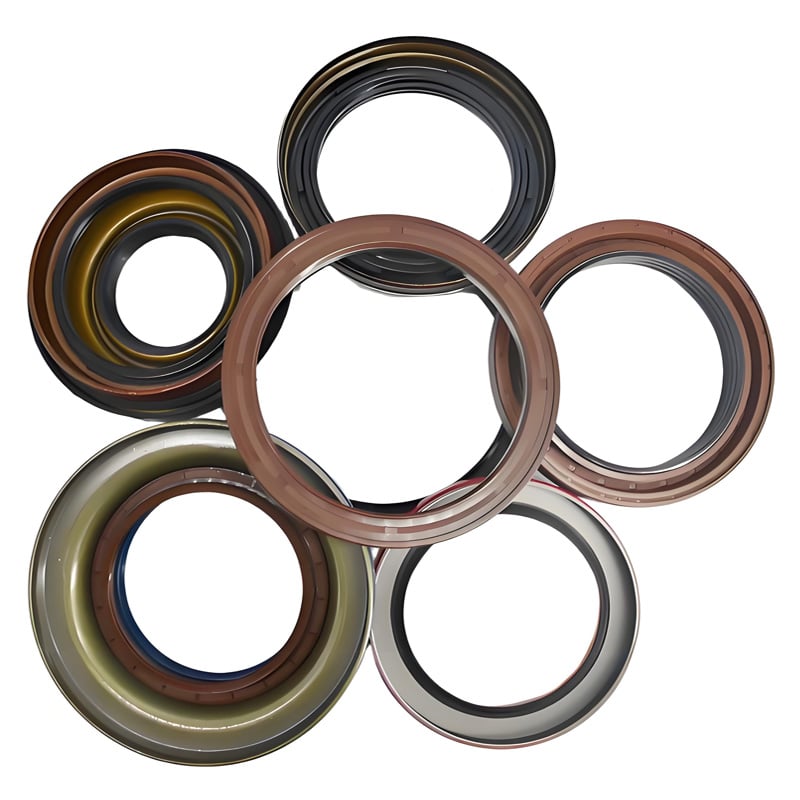
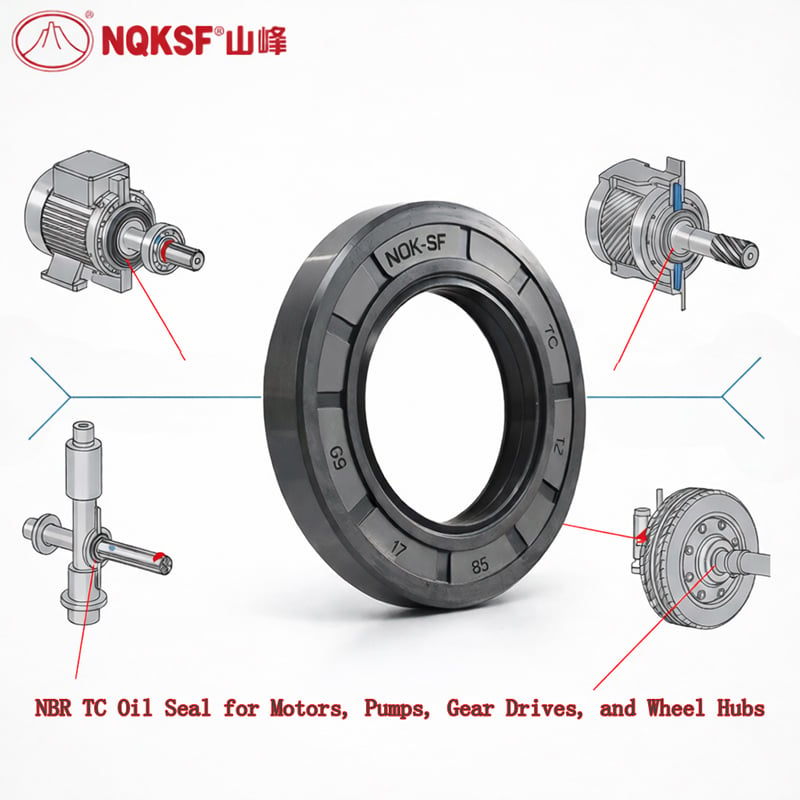
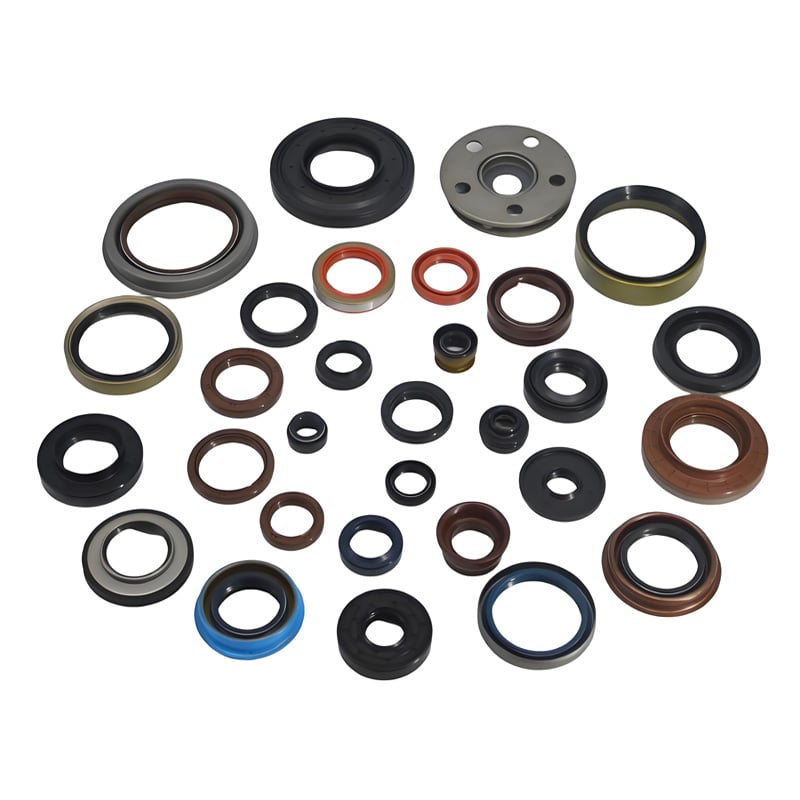
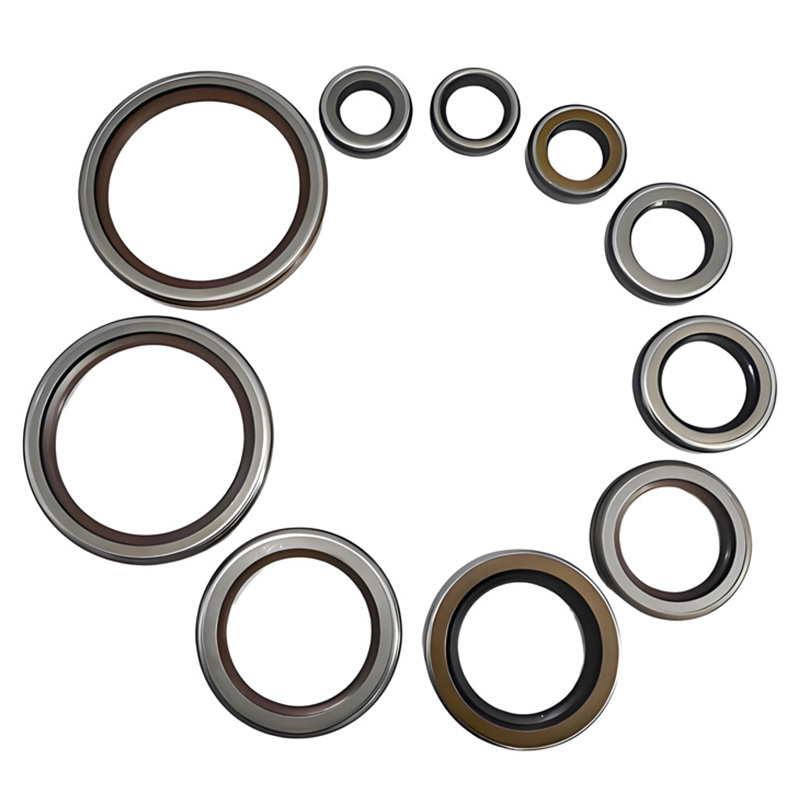
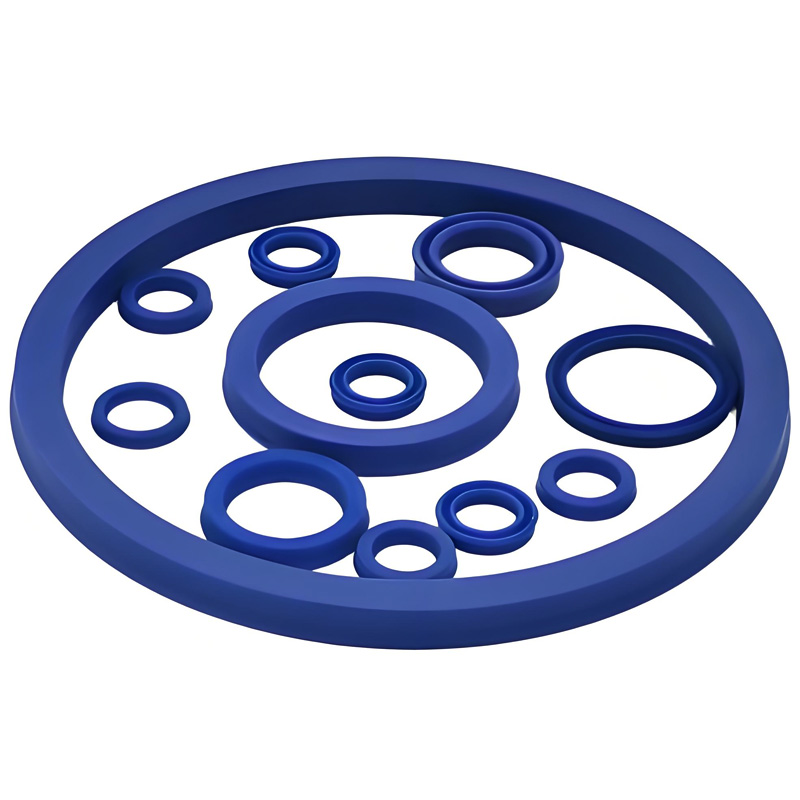
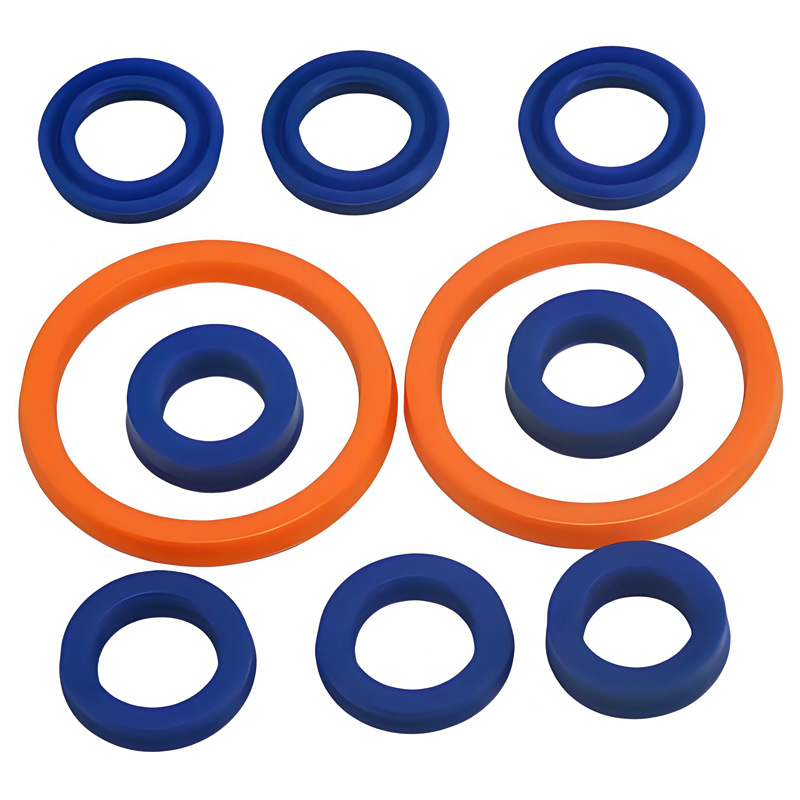
Hydraulic oil seals types represent essential components in hydraulic systems, designed to prevent fluid leakage and maintain system integrity. These seals function as barriers between moving and stationary parts, containing pressurized hydraulic fluid while preventing external contaminants from entering the system. Understanding the different hydraulic oil seals types is crucial for selecting appropriate solutions for specific applications. The main function of hydraulic oil seals types involves creating a reliable barrier that withstands high pressures, extreme temperatures, and constant mechanical stress. These seals maintain system efficiency by reducing fluid loss and preventing costly downtime. Different hydraulic oil seals types include rod seals, piston seals, wear rings, and backup rings, each serving distinct purposes within hydraulic equipment. Technologically, modern hydraulic oil seals types incorporate advanced elastomer materials, precision engineering, and innovative design features. These materials provide superior chemical resistance, durability, and performance stability across demanding operational conditions. The technological features of hydraulic oil seals types enable them to accommodate various fluid types, pressure ratings, and temperature ranges. Applications for hydraulic oil seals types span across industrial machinery, construction equipment, agricultural systems, automotive applications, and aerospace components. Mobile equipment such as excavators, loaders, and hydraulic presses rely heavily on quality hydraulic oil seals types. Manufacturing facilities utilize these seals in injection molding machines, hydraulic presses, and automated production systems. The versatility of hydraulic oil seals types makes them indispensable across multiple industries requiring reliable fluid containment and system protection.

New Products

Hydraulic oil seals types deliver substantial operational benefits that directly impact system performance and cost-effectiveness. These seals prevent catastrophic fluid leakage, maintaining optimal pressure levels and system efficiency throughout extended operational periods. By selecting appropriate hydraulic oil seals types, operators reduce unplanned maintenance interruptions and extend equipment lifecycle significantly. The practical advantages of hydraulic oil seals types include enhanced system reliability and reduced environmental contamination. Quality seals prevent hydraulic fluid from escaping into the environment, meeting regulatory compliance standards and protecting surrounding ecosystems. This environmental protection translates into lower disposal costs and improved corporate sustainability profiles. From an economic perspective, investing in proper hydraulic oil seals types prevents expensive equipment damage and fluid replacement costs. Degraded seals compromise system performance, causing increased energy consumption and operational strain on connected components. Quality hydraulic oil seals types minimize these inefficiencies, reducing overall operational expenses and improving return on investment. Operational suitability represents another critical advantage of selecting correct hydraulic oil seals types for specific applications. Different equipment demands unique seal specifications, pressure ratings, and material compositions. Understanding hydraulic oil seals types enables facility managers to match seals precisely to equipment requirements, ensuring optimal performance and reliability. Decision-useful product context shows that hydraulic oil seals types vary in performance characteristics, material composition, and price points. Premium seals offer extended service life and superior performance in extreme conditions, justifying higher initial investment through reduced replacement frequency. Budget-conscious operations can select standard hydraulic oil seals types that meet basic requirements while maintaining acceptable reliability standards for routine applications.

Practical Tips

Which rotary shaft seal design is best for heavy-duty construction?

25

Aug

Which rotary shaft seal design is best for heavy-duty construction?

Selecting the right rotary shaft seal for heavy-duty construction environments requires understanding how different designs perform under extreme pressure, temperature fluctuations, and contamination exposure. Heavy-duty equipment operates in conditi...
View More
What makes the tc oil seal the preferred choice for motor gearboxes?

29

May

What makes the tc oil seal the preferred choice for motor gearboxes?

The tc oil seal stands as the most widely adopted sealing solution for motor gearboxes across industrial applications, earning its reputation through decades of proven performance in demanding operational environments. This preference stems from a un...
View More
Which auto oil seal materials are best for modern transmission fluids?

03

Jun

Which auto oil seal materials are best for modern transmission fluids?

Modern automotive transmissions demand exceptional sealing performance to maintain fluid integrity and prevent costly leakage failures. The selection of appropriate auto oil seal materials has become increasingly critical as transmission fluids evolv...
View More
What are the safety factors to consider for a high pressure oil seal?

22

Jul

What are the safety factors to consider for a high pressure oil seal?

When working with industrial hydraulic systems and high-pressure applications, the safety factors surrounding a high pressure oil seal become critical considerations that directly impact operational reliability, equipment longevity, and personnel saf...
View More

Get a Free Quote

Our representative will contact you soon.
Email
Telephone
Name
Company Name
Message
0/1000

hydraulic oil seals types

Superior Pressure Containment and System Integrity

Superior Pressure Containment and System Integrity

Hydraulic oil seals types are engineered specifically to contain extreme pressures without compromising system integrity. Modern hydraulic oil seals types withstand pressures exceeding 5,000 PSI, maintaining reliable performance in the most demanding industrial applications. This superior pressure containment capability prevents fluid leakage that would otherwise compromise equipment efficiency and create safety hazards. The advanced design of hydraulic oil seals types incorporates precision-engineered surfaces and specialized material compounds that distribute pressure evenly across sealing surfaces. This uniform pressure distribution extends seal lifespan and reduces wear rates significantly. Equipment operators benefit from longer intervals between seal replacements, reducing maintenance costs and minimizing operational downtime. Different hydraulic oil seals types accommodate varying pressure requirements across industrial sectors. High-performance seals serve aerospace and specialized manufacturing applications, while standard hydraulic oil seals types suit general industrial purposes. This pressure-handling versatility makes hydraulic oil seals types essential for maintaining system performance across diverse operational scenarios and equipment types.
Extended Service Life and Reduced Maintenance Requirements

Extended Service Life and Reduced Maintenance Requirements

Selecting appropriate hydraulic oil seals types dramatically extends equipment service life and reduces expensive maintenance interventions. Premium hydraulic oil seals types incorporate advanced elastomer materials that resist degradation from thermal stress, chemical exposure, and mechanical wear. These durable materials ensure hydraulic oil seals types maintain their sealing properties over extended operational periods. The extended service life of quality hydraulic oil seals types translates into reduced replacement frequency and lower overall maintenance budgets. Facility managers can schedule preventive maintenance on extended intervals, improving production scheduling and reducing operational disruptions. Modern hydraulic oil seals types often deliver service lives exceeding 10,000 operating hours under proper conditions. Thermal stability represents a key advantage of advanced hydraulic oil seals types, allowing them to function reliably across temperature ranges from minus 40 degrees to plus 100 degrees Celsius. This thermal resilience prevents seal degradation in challenging environmental conditions common in manufacturing and construction industries. Quality hydraulic oil seals types maintain consistent performance regardless of seasonal variations or extreme operating environments.
Enhanced Environmental Protection and Regulatory Compliance

Enhanced Environmental Protection and Regulatory Compliance

Modern hydraulic oil seals types protect environmental integrity by preventing hydraulic fluid contamination of soil and water resources. Quality seals eliminate leakage that would otherwise compromise surrounding ecosystems and violate environmental regulations. Organizations utilizing appropriate hydraulic oil seals types demonstrate corporate environmental responsibility while avoiding costly fines and remediation expenses. Compliance with environmental regulations drives selection of proper hydraulic oil seals types across industries subject to strict environmental oversight. Agricultural operations, manufacturing facilities, and construction companies all benefit from regulatory compliance achieved through quality seal implementation. Hydraulic oil seals types that eliminate fluid leakage reduce disposal costs associated with contaminated materials and cleanup procedures. The preventive environmental protection offered by hydraulic oil seals types supports sustainable business practices and corporate social responsibility initiatives. By eliminating leakage sources, organizations reduce their environmental footprint while protecting local ecosystems and communities. This environmental stewardship enhances corporate reputation and demonstrates commitment to sustainable industrial practices that benefit society broadly.

Get a Free Quote

Our representative will contact you soon.
Email
Telephone
Name
Company Name
Message
0/1000