Complete Guide to Hydraulic Oil Seals Types: Advanced Sealing Solutions for Industrial Applications

All Categories

hydraulic oil seals types

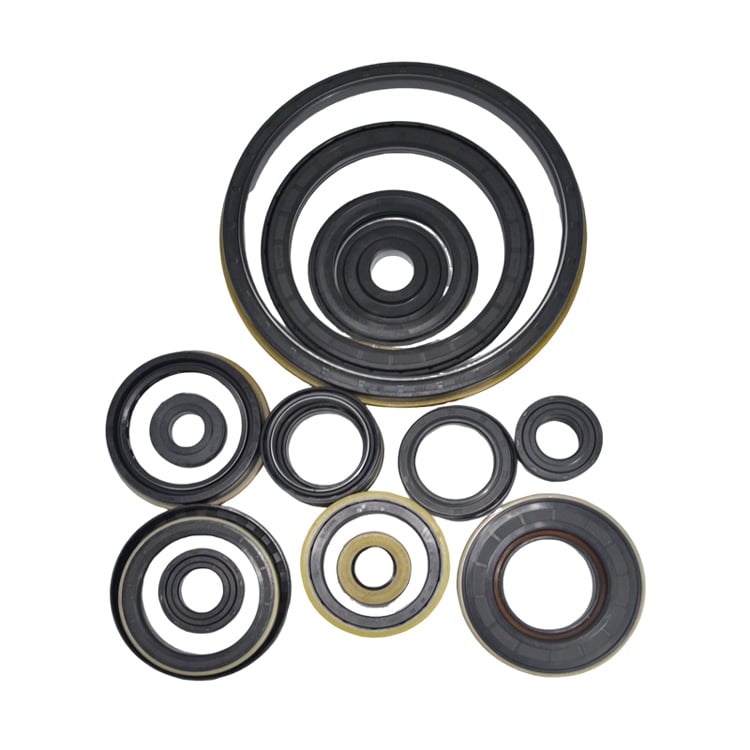
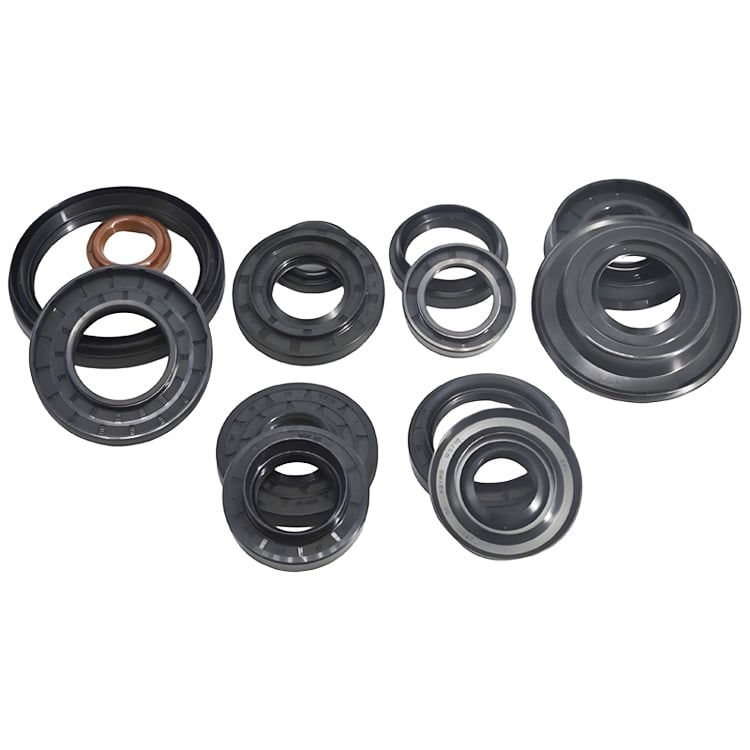
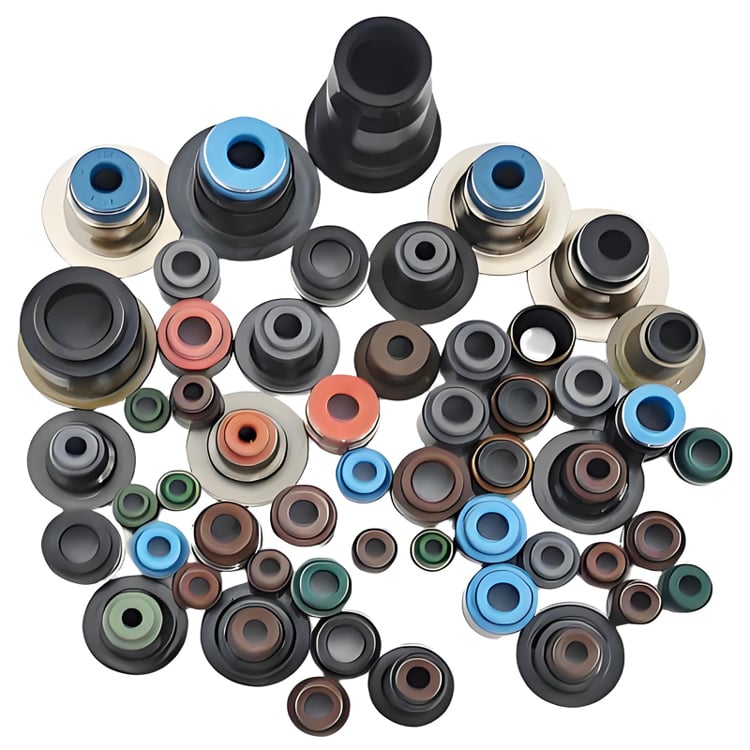
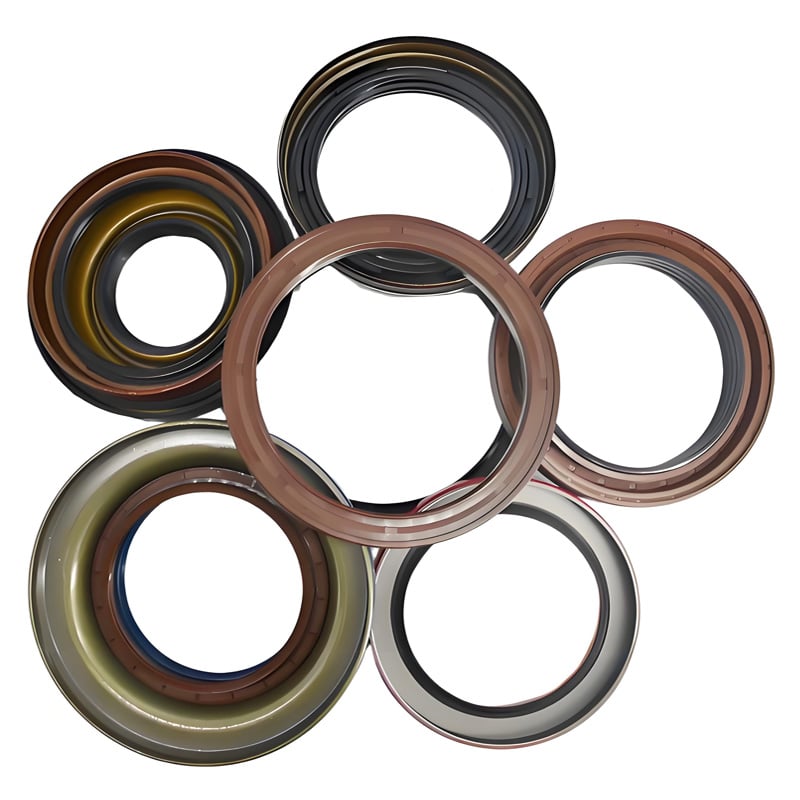
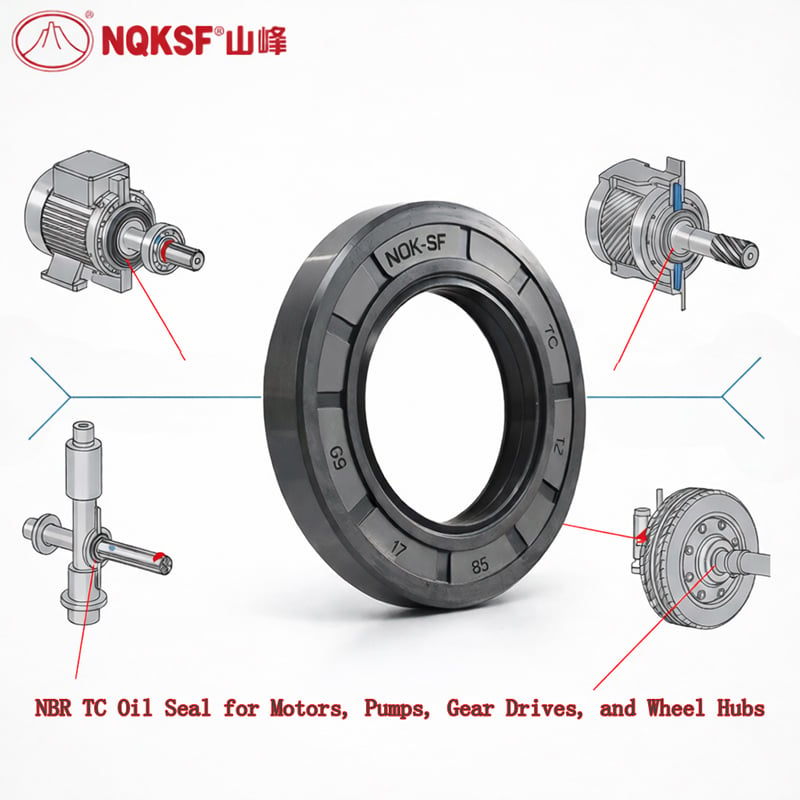
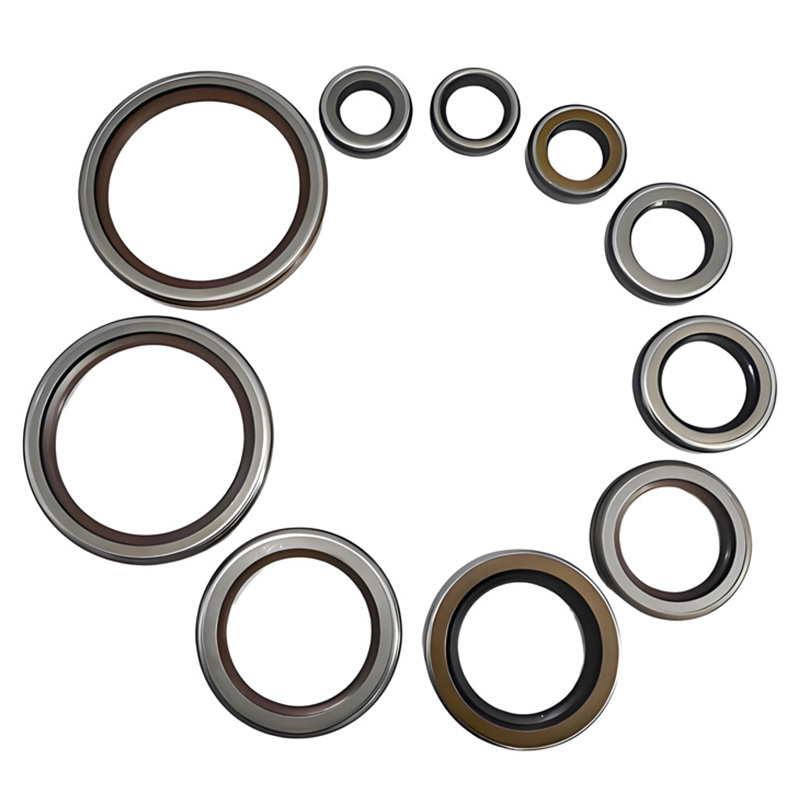
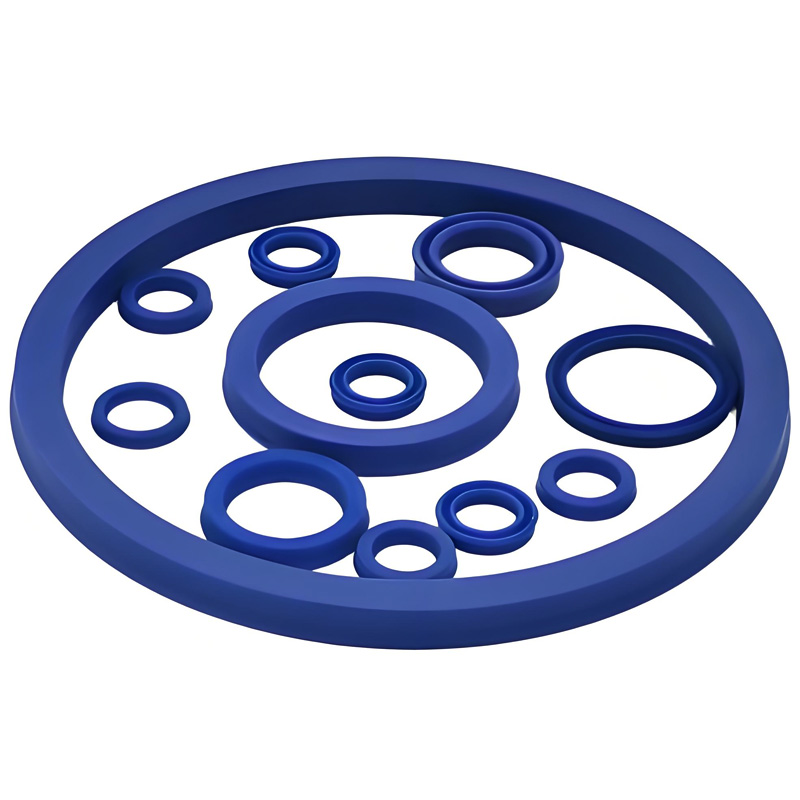
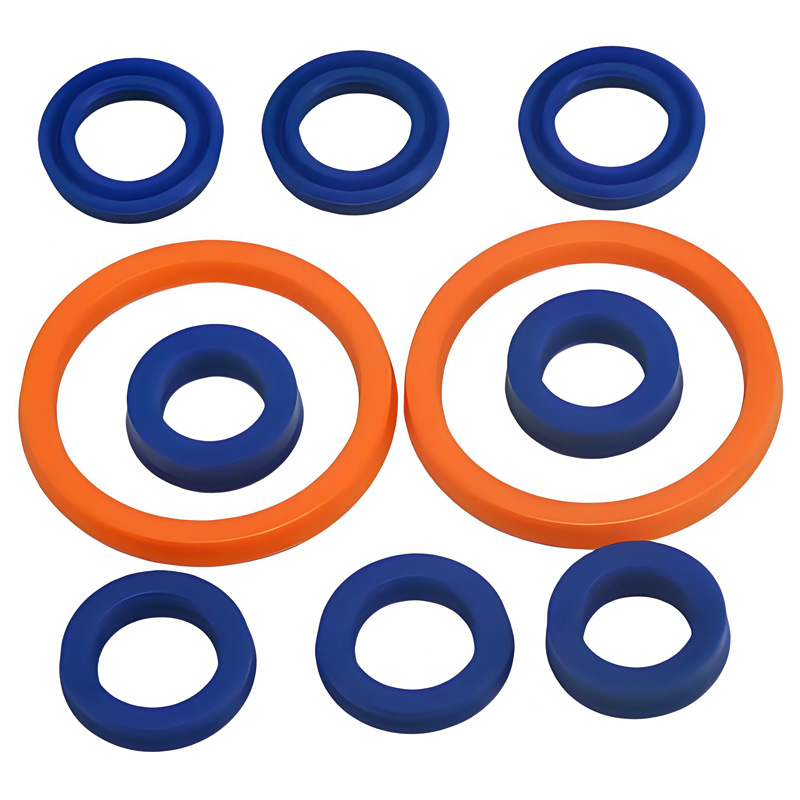
Hydraulic oil seals types represent critical components in modern hydraulic systems, designed to prevent fluid leakage and contamination while maintaining optimal pressure levels throughout equipment operation. These specialized sealing solutions encompass various configurations including reciprocating seals, rotary seals, static seals, and dynamic seals, each engineered to address specific operational requirements within hydraulic machinery. The primary function of hydraulic oil seals types involves creating effective barriers between moving and stationary components, ensuring hydraulic fluid remains contained within designated chambers while preventing external contaminants from entering the system. Rod seals serve as primary barriers preventing hydraulic fluid from escaping along piston rods, while wiper seals remove debris and moisture from rod surfaces during retraction cycles. Piston seals maintain pressure differential across cylinder chambers, enabling precise control of hydraulic actuator movement. Buffer seals provide additional protection by managing pressure fluctuations and preventing seal extrusion under extreme operating conditions. Technological features of modern hydraulic oil seals types include advanced elastomer compounds that withstand temperature extremes ranging from minus forty to plus two hundred degrees Celsius, specialized lip geometries that accommodate surface irregularities, and integrated backup rings that prevent extrusion failures. These sealing solutions incorporate multiple materials including nitrile rubber, polyurethane, PTFE, and various thermoplastic compounds, selected based on fluid compatibility, pressure requirements, and environmental conditions. Applications span diverse industries including construction equipment, agricultural machinery, manufacturing automation, aerospace systems, marine equipment, and mobile hydraulics. In construction applications, hydraulic oil seals types enable reliable operation of excavators, bulldozers, and cranes under harsh environmental conditions. Agricultural machinery relies on these sealing solutions for consistent performance in combine harvesters, tractors, and irrigation systems exposed to dust, debris, and varying weather conditions.

New Product Recommendations

Hydraulic oil seals types deliver exceptional performance benefits that directly translate into reduced operational costs and improved equipment reliability for businesses across numerous industries. These sealing solutions significantly extend equipment service life by preventing hydraulic fluid contamination and maintaining consistent pressure levels throughout system operation. Companies experience substantial cost savings through reduced hydraulic fluid replacement frequency, as effective sealing prevents fluid loss and contamination that typically necessitates costly fluid changes and system cleaning procedures. The superior sealing capability of modern hydraulic oil seals types minimizes downtime by preventing unexpected equipment failures caused by seal deterioration or hydraulic system contamination. This reliability advantage enables businesses to maintain production schedules and avoid costly emergency repairs that disrupt operations. Enhanced equipment performance represents another key benefit, as properly functioning seals ensure hydraulic systems maintain optimal pressure differentials and response times. This performance consistency translates into improved productivity and more precise equipment control across various applications. Environmental benefits emerge through reduced hydraulic fluid waste and decreased risk of ground contamination, helping companies meet environmental compliance requirements while demonstrating corporate responsibility. The versatility of hydraulic oil seals types allows single sourcing solutions for diverse equipment types, simplifying procurement processes and reducing inventory management complexity. Advanced material technologies incorporated in these sealing solutions provide extended temperature resistance, enabling equipment operation in extreme environments where traditional seals would fail. This temperature resilience expands operational parameters and reduces seasonal equipment limitations. Improved safety outcomes result from reduced hydraulic fluid leaks that can create slip hazards or equipment malfunction risks. The predictable performance characteristics of quality hydraulic oil seals types enable more accurate maintenance scheduling, reducing unexpected breakdowns and associated safety risks. Cost-effective maintenance programs become feasible as standardized sealing solutions reduce technician training requirements and simplify repair procedures. Long-term operational efficiency improves as consistent sealing performance maintains hydraulic system cleanliness and reduces component wear throughout the equipment lifecycle.

Tips And Tricks

Why Do Professionals Prefer Premium Hydraulic Shaft Seal?

27

Nov

Why Do Professionals Prefer Premium Hydraulic Shaft Seal?

Industrial professionals across manufacturing, construction, and heavy machinery sectors consistently choose premium hydraulic shaft seals for their critical applications. These specialized sealing components serve as the backbone of hydraulic system...
View More
What Are the Main Advantages of Using Shaft Oil Seals in Industrial Equipment?

27

Nov

What Are the Main Advantages of Using Shaft Oil Seals in Industrial Equipment?

Industrial machinery operates under demanding conditions where contamination, fluid leakage, and component wear can lead to costly downtime and equipment failure. Shaft oil seals represent one of the most critical components in maintaining machinery ...
View More
How to Choose the Right O Ring for Industrial Equipment?

22

Apr

How to Choose the Right O Ring for Industrial Equipment?

Selecting the appropriate o ring for industrial equipment requires careful consideration of multiple technical factors that directly impact system performance and operational reliability. The wrong o ring choice can lead to catastrophic seal failure,...
View More
What Are O Rings? Where and Why Are They Used?

29

Apr

What Are O Rings? Where and Why Are They Used?

An o ring is a mechanical gasket designed in the shape of a torus that sits in a groove and is compressed during assembly between two or more parts, creating a reliable seal at the interface. These simple yet highly effective sealing devices consist ...
View More

Get a Free Quote

Our representative will contact you soon.
Email
Telephone
Name
Company Name
Message
0/1000

hydraulic oil seals types

Superior Material Technology and Durability

Superior Material Technology and Durability

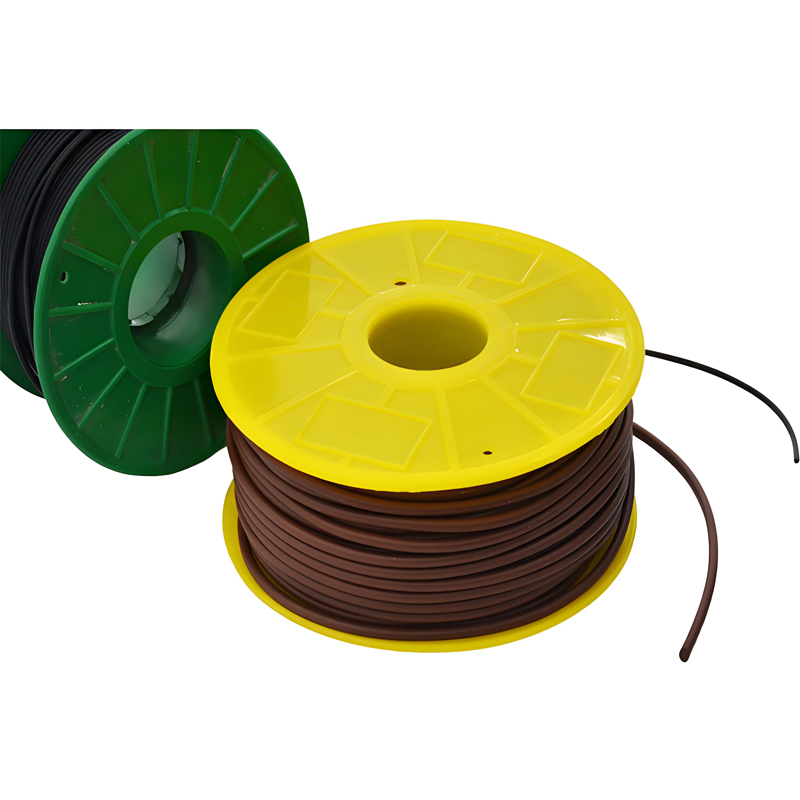
Modern hydraulic oil seals types incorporate cutting-edge material science that revolutionizes equipment reliability and operational efficiency across demanding industrial applications. These advanced sealing solutions utilize proprietary elastomer compounds specifically formulated to withstand extreme operating conditions while maintaining consistent sealing performance throughout extended service intervals. The material technology behind these hydraulic oil seals types combines multiple polymer systems including high-performance nitrile rubber, polyurethane, and PTFE compounds that deliver exceptional chemical resistance against hydraulic fluids, lubricants, and environmental contaminants. This chemical compatibility ensures seal integrity remains intact even when exposed to aggressive hydraulic fluids or cleaning solvents commonly encountered in industrial maintenance procedures. Temperature resistance capabilities extend operational parameters significantly, with specialized compounds maintaining flexibility and sealing effectiveness from extreme cold conditions of minus forty degrees Celsius to elevated temperatures exceeding two hundred degrees Celsius. This temperature resilience enables equipment operation in arctic environments, desert conditions, and high-temperature industrial processes where standard sealing materials would deteriorate rapidly. The durability advantages translate directly into reduced maintenance costs and extended equipment service life, as these advanced materials resist common failure modes including hardening, cracking, and chemical degradation that typically necessitate frequent seal replacement. Abrasion resistance properties protect against wear from hydraulic fluid contaminants and surface irregularities, extending seal life even in demanding applications where debris infiltration cannot be completely prevented. The molecular structure of these advanced materials provides superior extrusion resistance, preventing seal deformation under high-pressure conditions that would compromise sealing effectiveness in conventional designs. This pressure resistance capability enables reliable operation in high-pressure hydraulic systems without backup ring requirements, simplifying installation procedures and reducing component costs. Manufacturing precision ensures consistent material properties throughout production runs, delivering predictable performance characteristics that enable accurate maintenance scheduling and inventory management.
Comprehensive Sealing Solutions for Diverse Applications

Comprehensive Sealing Solutions for Diverse Applications

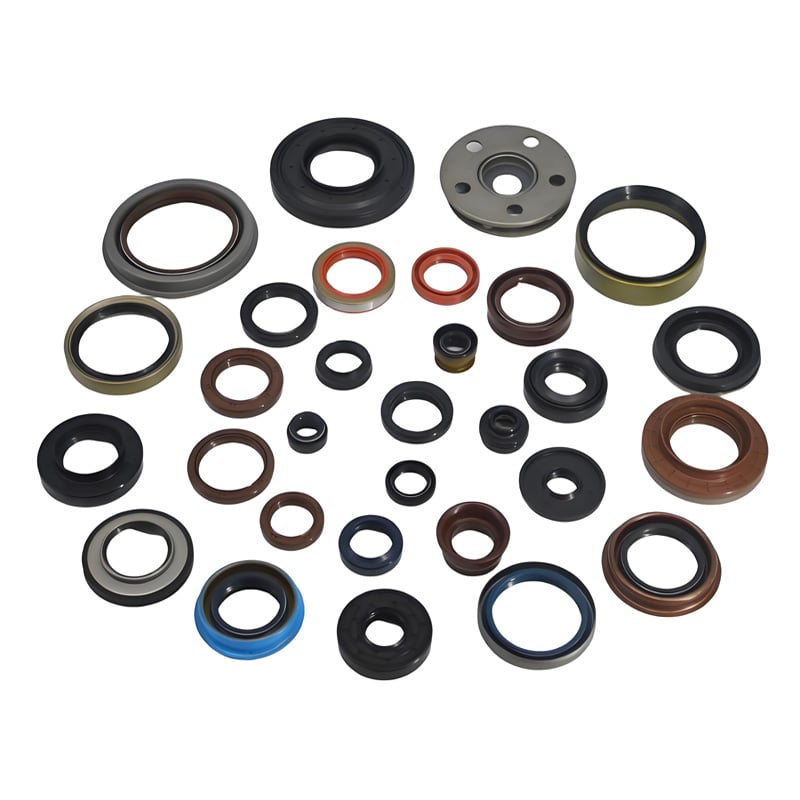
Hydraulic oil seals types encompass an extensive range of specialized configurations designed to address unique sealing challenges across diverse industrial applications and operating environments. This comprehensive approach to sealing solutions ensures optimal performance regardless of specific equipment requirements, operating pressures, or environmental conditions encountered in various industrial sectors. Rod seals within the hydraulic oil seals types category provide primary containment for hydraulic cylinders, preventing fluid leakage along piston rods while accommodating the dynamic motion requirements of hydraulic actuators. These specialized seals incorporate advanced lip geometries that maintain contact pressure against rod surfaces while compensating for minor surface irregularities and misalignment conditions commonly encountered in field applications. Piston seals deliver bidirectional sealing capability that maintains pressure differentials across cylinder chambers, enabling precise control of hydraulic equipment movement and positioning accuracy. The design flexibility of these sealing solutions accommodates various groove configurations and pressure requirements while providing reliable sealing performance throughout extended duty cycles. Wiper seals integrate seamlessly with other hydraulic oil seals types to provide comprehensive protection against external contamination, removing debris, moisture, and abrasive particles from rod surfaces during retraction cycles. This contamination control capability significantly extends internal seal life while maintaining hydraulic fluid cleanliness throughout system operation. Static sealing applications benefit from specialized O-ring and gasket configurations that provide reliable sealing between stationary components while accommodating thermal expansion and pressure fluctuations. Rotary applications require specialized shaft seals that manage the unique challenges of rotating equipment while maintaining effective sealing performance under varying speed and load conditions. The modular design approach enables custom sealing solutions that combine multiple seal types within single assemblies, optimizing space utilization while providing comprehensive sealing protection. Installation flexibility accommodates both standard and custom groove dimensions, enabling retrofit applications and equipment modernization projects without extensive machining or modification requirements.
Enhanced Performance and Cost-Effectiveness

Enhanced Performance and Cost-Effectiveness

The performance advantages and cost-effectiveness of hydraulic oil seals types deliver measurable financial benefits that significantly impact operational profitability and equipment lifecycle costs across industrial applications. These sealing solutions optimize hydraulic system efficiency by maintaining consistent pressure levels and minimizing internal leakage that reduces system performance and increases energy consumption. The precision engineering behind hydraulic oil seals types ensures minimal friction losses while providing effective sealing, contributing to improved overall system efficiency and reduced operating costs. Energy savings accumulate over equipment lifecycles as properly sealed hydraulic systems require less pump capacity to maintain working pressures, reducing electrical consumption and associated utility costs. Hydraulic fluid conservation represents another significant cost advantage, as effective sealing prevents fluid loss through external leakage and reduces contamination rates that necessitate frequent fluid replacement. This conservation benefit becomes particularly valuable in large hydraulic systems where fluid costs represent substantial operational expenses. Maintenance cost reduction results from extended service intervals and simplified replacement procedures that minimize labor requirements and equipment downtime. The standardized designs of modern hydraulic oil seals types enable technician efficiency improvements through simplified installation procedures and reduced training requirements. Inventory management costs decrease through part number consolidation and extended shelf life characteristics that reduce obsolescence risks and carrying costs. Predictable performance characteristics enable condition-based maintenance programs that optimize replacement timing while preventing unexpected failures. Equipment resale value benefits from documented use of quality sealing components that demonstrate proper maintenance practices and equipment care to potential buyers. Insurance costs may decrease as improved equipment reliability reduces claim frequency related to hydraulic system failures and associated damage. The long-term cost analysis demonstrates that premium hydraulic oil seals types provide superior return on investment compared to economy alternatives through extended service life and reduced total cost of ownership. Quality assurance programs ensure consistent performance characteristics that enable accurate cost modeling and budget forecasting for maintenance programs.

Get a Free Quote

Our representative will contact you soon.
Email
Telephone
Name
Company Name
Message
0/1000