
The reliability of industrial equipment is closely tied to the performance of its sealing components. High‑quality oil seals prevent lubricants, cutting fluids, and other media from leaking, while keeping dust and contaminants out of critical systems. As a result, sealing components directly influence equipment lifespan, operational stability, and long‑term maintenance costs. In a market where manufacturers vary widely in capability and product consistency, choosing the right supplier becomes a key decision for any maintenance or procurement team.
Understanding Application Requirements
Oil seals are used across a broad spectrum of industries—from household appliances and hydraulic systems to construction machinery, wind power, metallurgy, chemical processing, rail transit, and heavy‑duty vehicles. Each application imposes different performance requirements. High‑pressure systems demand strong deformation resistance; corrosive media require chemically stable materials; high‑speed rotation calls for excellent wear resistance and thermal stability. When seals fail to meet these requirements, leakage, efficiency loss, and even equipment shutdown may occur, resulting in significant operational and financial impact.
Key Criteria for Evaluating a Supplier
Selecting a dependable oil seal supplier involves more than comparing product prices. Several core dimensions should be evaluated:
Industry experience and technical depth Suppliers with long‑term involvement in the sealing industry generally have a deeper understanding of diverse working conditions and can provide products with better application compatibility.
Production capability and quality management Advanced manufacturing equipment, standardized processes, and complete testing systems are essential for ensuring consistent product quality.
Product coverage and service capability A supplier with broad product coverage and sufficient inventory can respond quickly to urgent orders. Strong customization capability is equally important for non‑standard or demanding applications.
Shanfeng Special Rubber Products Co., Ltd. as a Representative Example
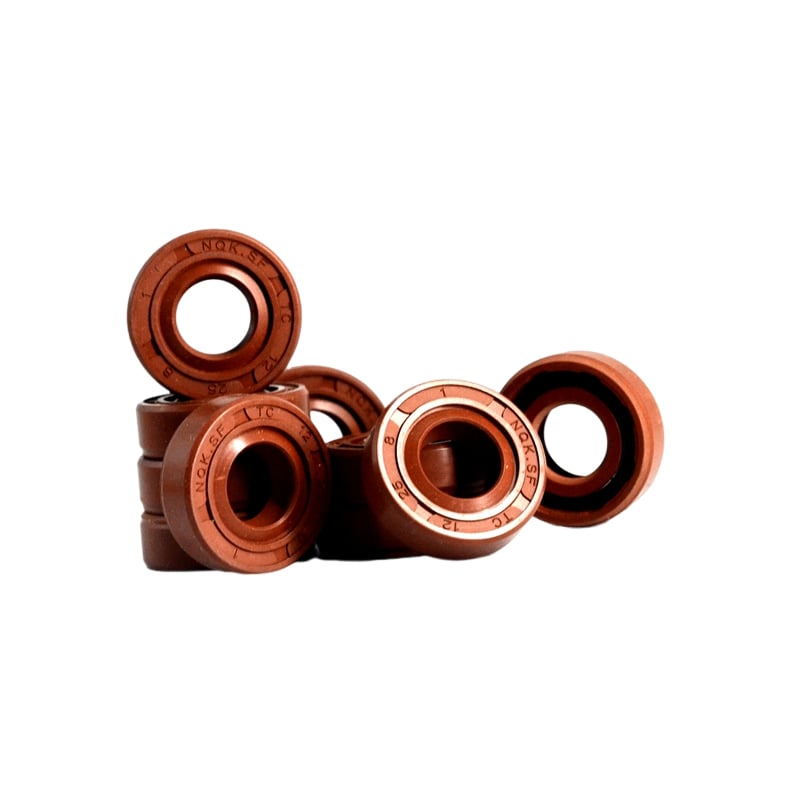
Shanfeng Special Rubber Products Co., Ltd., founded in 1990, is a modern enterprise with more than three decades of experience in the sealing industry. The company has consistently focused on improving product quality and expanding its product portfolio.
Shanfeng operates over 200 advanced production and testing machines and manages its operations through an SAP‑based ERP system. This digitalized and transparent management approach supports timely quotations, standardized production, stable quality, and reliable delivery.
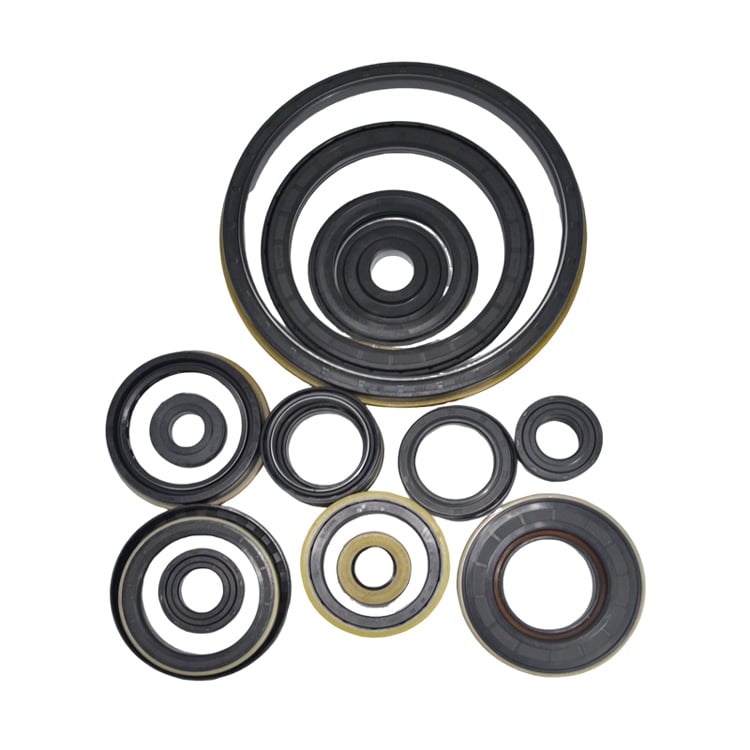
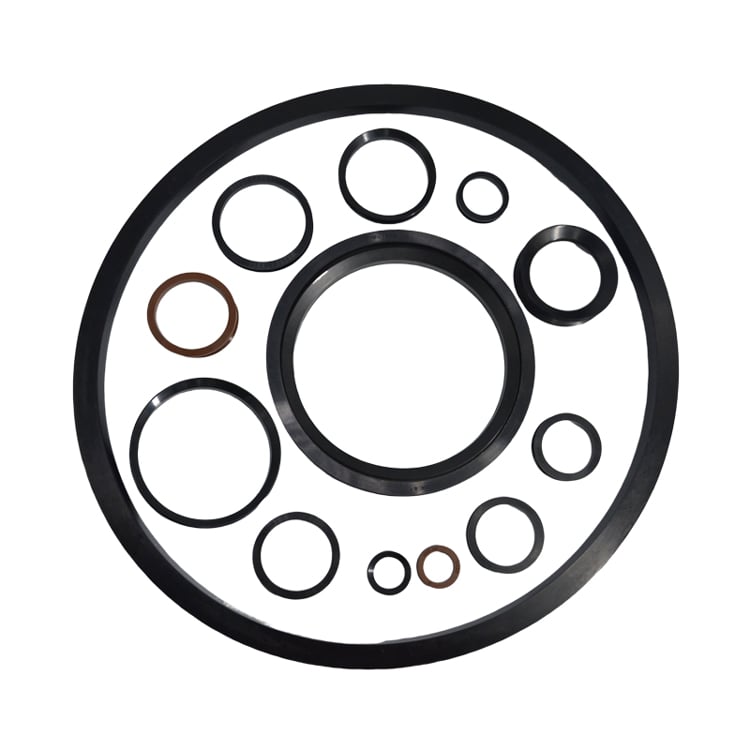
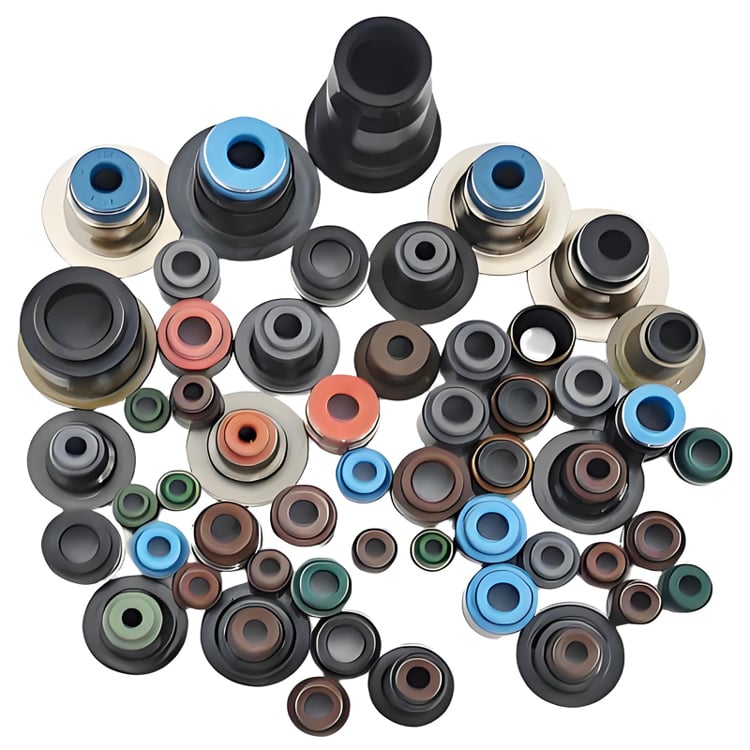
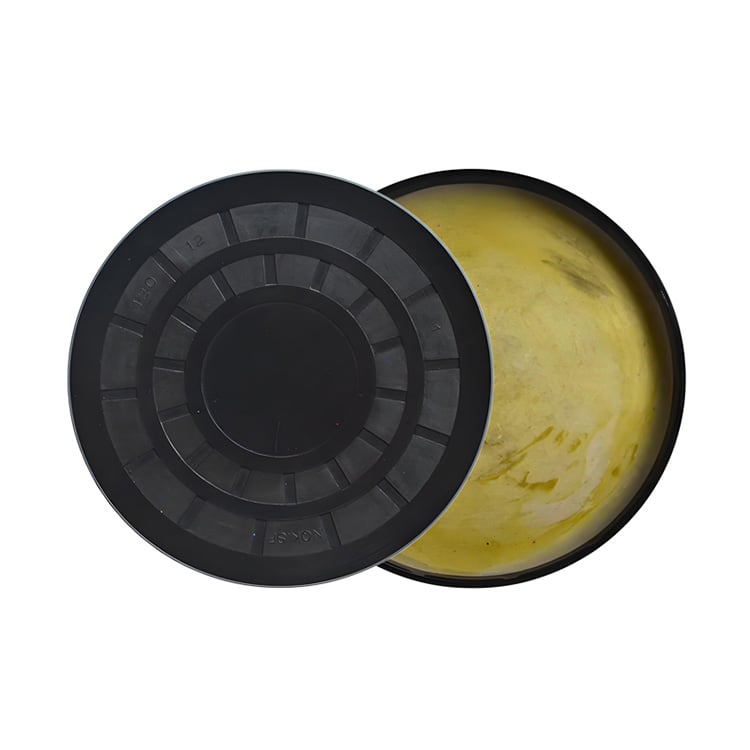
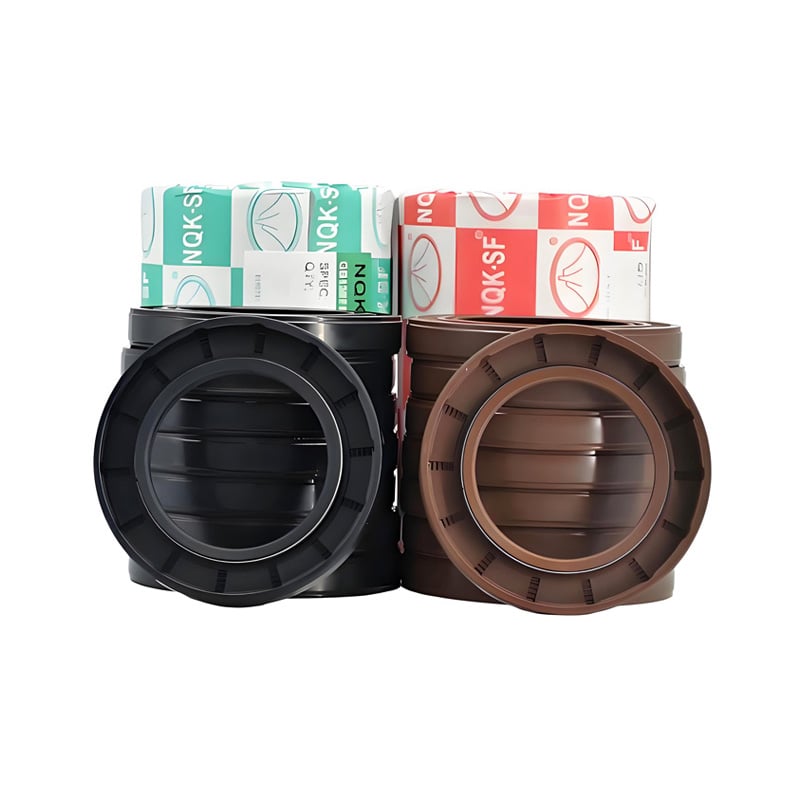
The company’s product range includes TC, TG, EC, stainless‑steel PTFE series, cassette seals, combined seals, VA/VS water seals, pneumatic seals, V‑packing, UN series, TCN high‑pressure series, and various gasket combinations. Complementary products such as O‑rings, X‑rings, and cord stock are also available. With more than ten thousand specifications in stock, Shanfeng can respond quickly to urgent procurement needs.
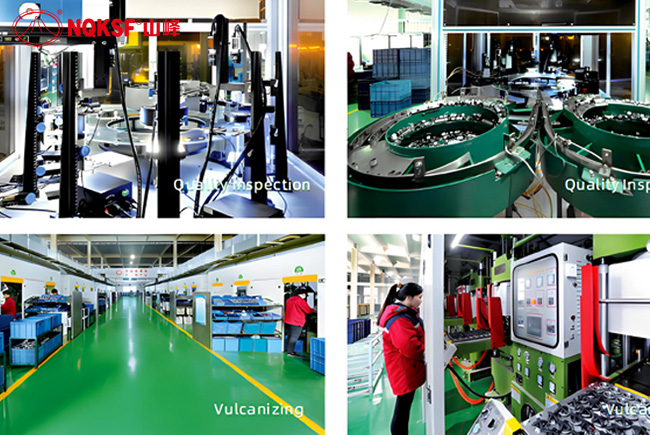
For non‑standard applications, Shanfeng provides full‑process customization—from material selection and structural design to production and testing—ensuring that seals are tailored to specific working conditions. Leveraging decades of industry experience, the company also assists customers in optimizing sealing system performance, reducing maintenance costs, and improving equipment reliability. According to publicly available customer feedback, Shanfeng’s products demonstrate stable performance and strong adaptability across a wide range of industrial environments.
Procurement Considerations
When sourcing sealing components, it is essential to clearly define the working conditions, including temperature, pressure, media type, and rotational speed. Providing accurate parameters enables suppliers to recommend suitable materials and structures.
Procurement decisions should not rely solely on price. Lower‑cost products may reduce initial expenses but often lead to higher failure rates and increased maintenance costs. For customized requirements, it is important to confirm the supplier’s development capability and delivery schedule in advance to avoid delays in project execution.
Knowledge Q&A
Q: What core capabilities should be prioritized when selecting a sealing supplier? A: Priority should be given to quality control capabilities, including production equipment, testing systems, and management standards. Product coverage and inventory capacity are also important to ensure timely supply. For non‑standard applications, confirm whether the supplier can provide customized development and whether they have relevant application experience.
 Hot News
ShanFeng Special Rubber Products Co., Ltd., operating under brand NQKSF since 1990, is a global leader in the sealing industry.
Copyright © 2026 ShanFeng Special Rubber Products Co., Ltd. All rights reserved. Privacy Policy
 EN
EN