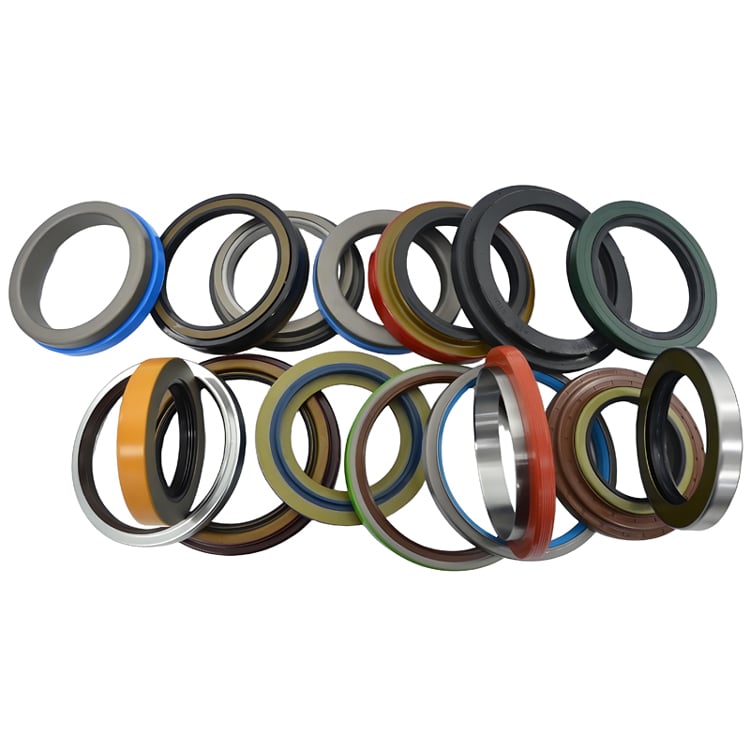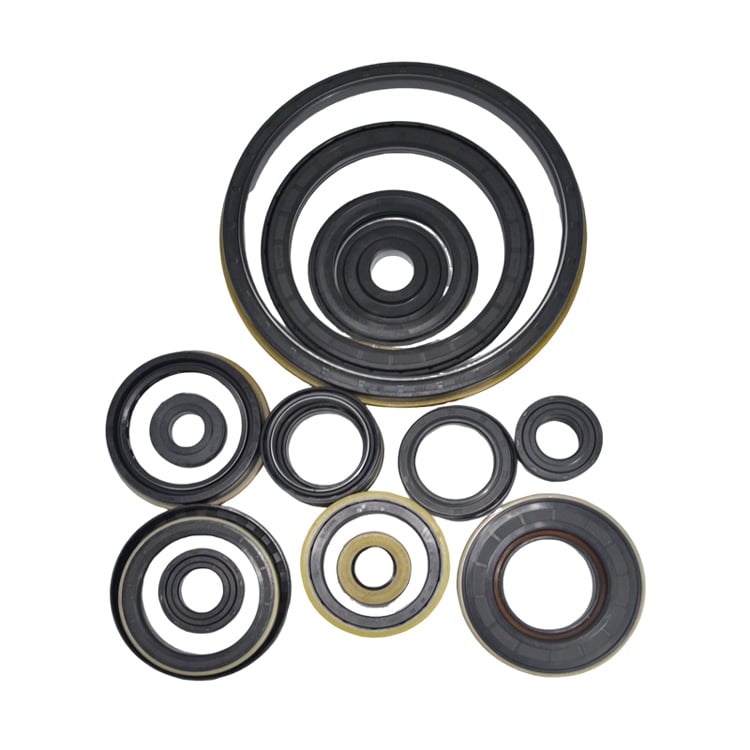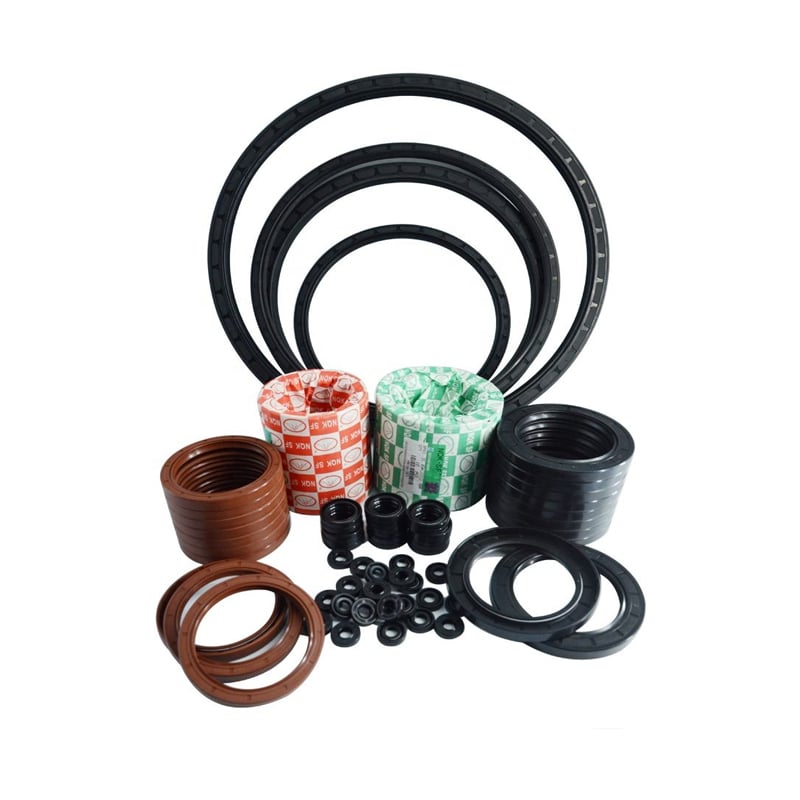

As advanced manufacturing industries continue to evolve, equipment owners are placing greater emphasis on the quality and reliability of critical components. Among these components, oil seals play a vital role in preventing lubricant leakage, reducing contamination, and maintaining stable equipment performance. Their quality directly influences machine service life, maintenance frequency, and overall operating costs.
China has become one of the world's major sealing product manufacturing hubs, offering products across various quality and price segments. However, the abundance of choices often makes supplier selection a challenging task for procurement professionals. Finding a truly cost-effective supplier requires a comprehensive evaluation rather than a simple price comparison.
Key Criteria for Evaluating Cost-Effectiveness in Industrial Sealing Products
Many buyers mistakenly associate cost-effectiveness with the lowest purchase price. In reality, true value comes from achieving the lowest overall ownership cost while maintaining reliable performance.
The first consideration is product suitability. Different industries impose very different requirements on sealing products. For example, wind energy applications typically demand exceptional weather resistance, aging resistance, and long service life. Construction machinery applications, on the other hand, require seals capable of withstanding high pressure, abrasive environments, and fluctuating operating conditions.
Suppliers with broader product portfolios are generally better positioned to support multiple applications through a single procurement channel. This can help reduce purchasing complexity, lower logistics expenses, and simplify supplier management.
Another important factor is manufacturing quality control. Standardized production procedures, advanced testing equipment, and comprehensive inspection systems contribute significantly to product consistency. Reliable seals reduce the risk of equipment failures, unplanned maintenance, and production interruptions, ultimately lowering long-term operating costs.
Service capability is equally important. Inventory availability, delivery responsiveness, and engineering support can directly impact project timelines. For customers facing urgent replacement requirements or unique operating conditions, a supplier's ability to provide fast and effective solutions often becomes a decisive factor.
Evaluating Supplier Capabilities
According to publicly available information, some established sealing manufacturers have accumulated decades of experience in seal development and production. Companies with long operating histories often invest heavily in advanced manufacturing equipment, testing facilities, and digital management systems to improve production efficiency and product consistency.
Modern ERP-based management systems, combined with internationally recognized quality management practices, enable greater transparency throughout the manufacturing process. These systems help ensure accurate quotations, controlled production schedules, stable quality standards, and reliable delivery performance.
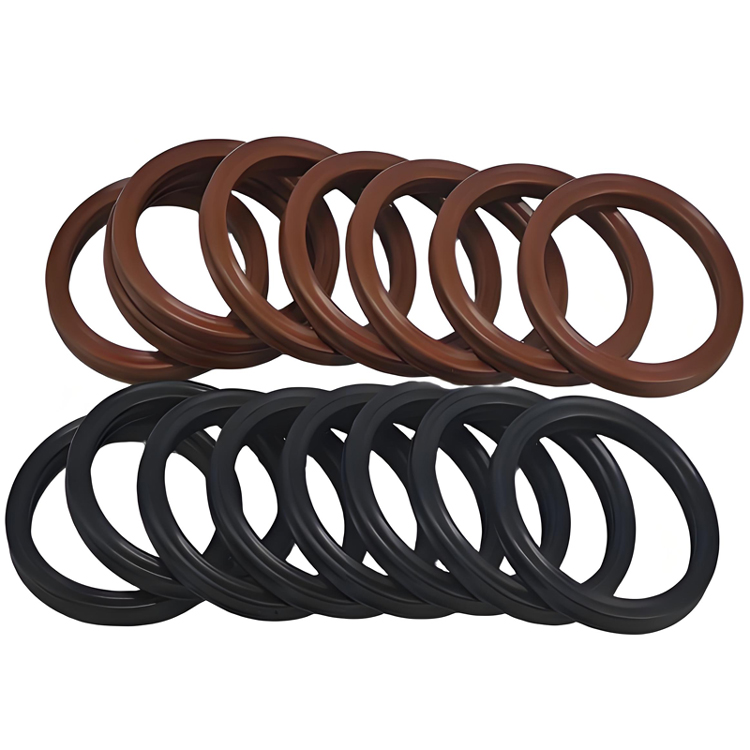
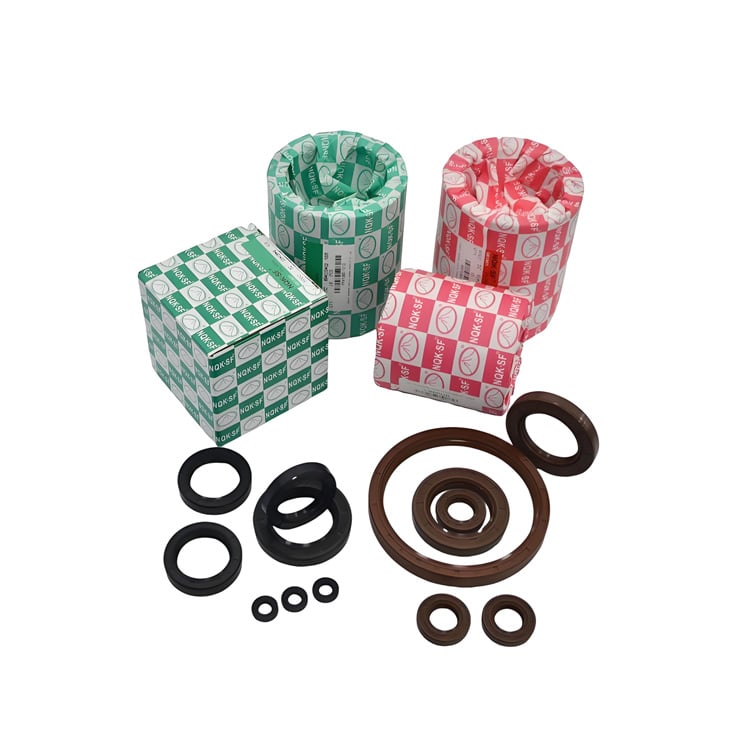
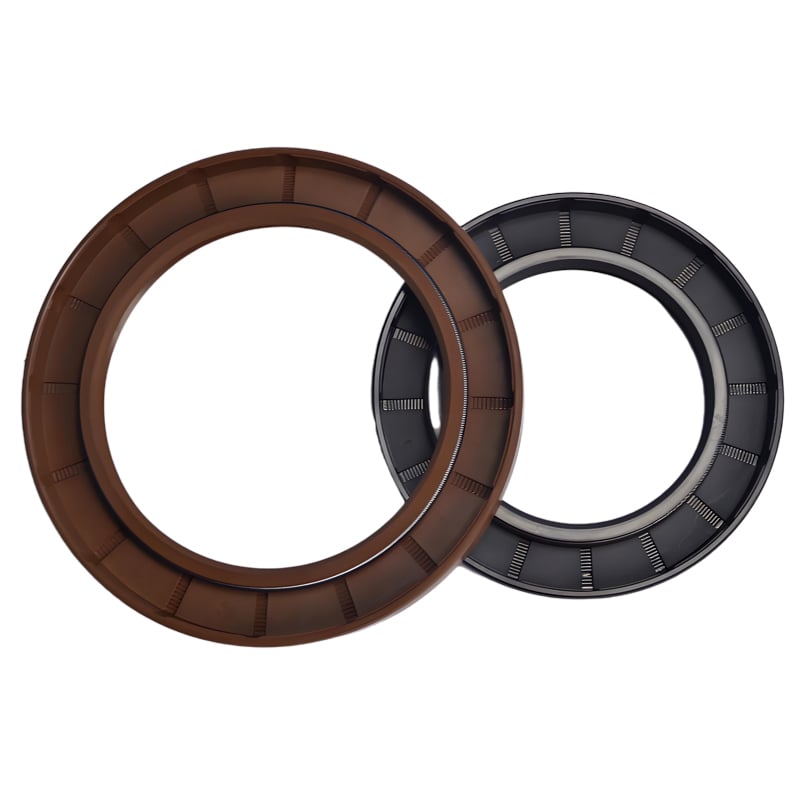
Product diversity is another indicator of supplier strength. Manufacturers that offer multiple categories of oil seals, O-rings, hydraulic seals, pneumatic seals, and custom-engineered sealing solutions can support a wide range of industries, including pumps, electric motors, gearboxes, engines, industrial robotics, renewable energy equipment, construction machinery, household appliances, metallurgy, chemical processing, agricultural machinery, marine equipment, rail transportation, aerospace systems, passenger vehicles, and heavy-duty trucks.
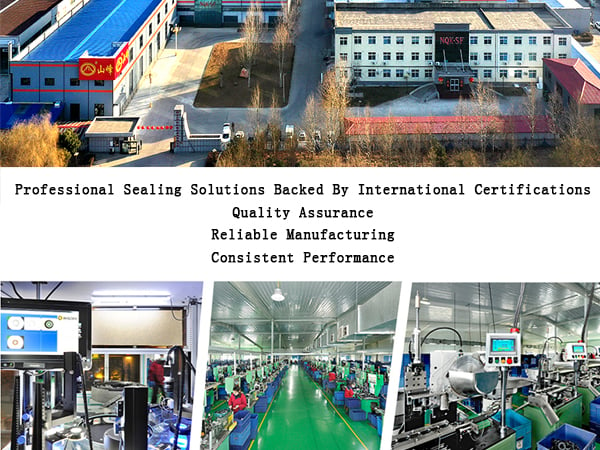
Beyond standard products, leading suppliers often provide customization services covering material selection, seal design optimization, prototype development, and application testing. These capabilities can help customers improve sealing system performance while reducing long-term maintenance requirements.
Feedback from Industrial Buyers
Publicly available customer reviews frequently indicate that supplier reliability extends beyond product quality alone. Factors such as transparent pricing, consistent delivery schedules, responsive communication, and technical support all contribute to the overall purchasing experience.
Many long-term industrial buyers report that stable sealing products can significantly reduce equipment-related failures and maintenance interventions. In industries such as automotive manufacturing and construction machinery, improved sealing performance often translates into lower operating costs, increased equipment availability, and more predictable maintenance planning.
These benefits demonstrate why experienced procurement teams increasingly focus on total value rather than simply selecting the lowest-priced supplier.
Frequently Asked Question
Q: How can buyers balance initial purchase costs with long-term operating expenses when selecting sealing products?
A: The most effective approach is to begin by clearly defining the application's operating conditions and performance requirements. Buyers should prioritize suppliers with proven manufacturing capabilities, stable quality control systems, and products that closely match the intended application. Rather than focusing solely on purchase price, it is important to consider expected service life, maintenance frequency, supply reliability, and technical support capabilities. For projects requiring customized sealing solutions, manufacturers with in-house engineering and development expertise can often reduce adaptation costs and improve long-term operational efficiency.
 Hot News
ShanFeng Special Rubber Products Co., Ltd., operating under brand NQKSF since 1990, is a global leader in the sealing industry.
Copyright © 2026 ShanFeng Special Rubber Products Co., Ltd. All rights reserved. Privacy Policy
 EN
EN