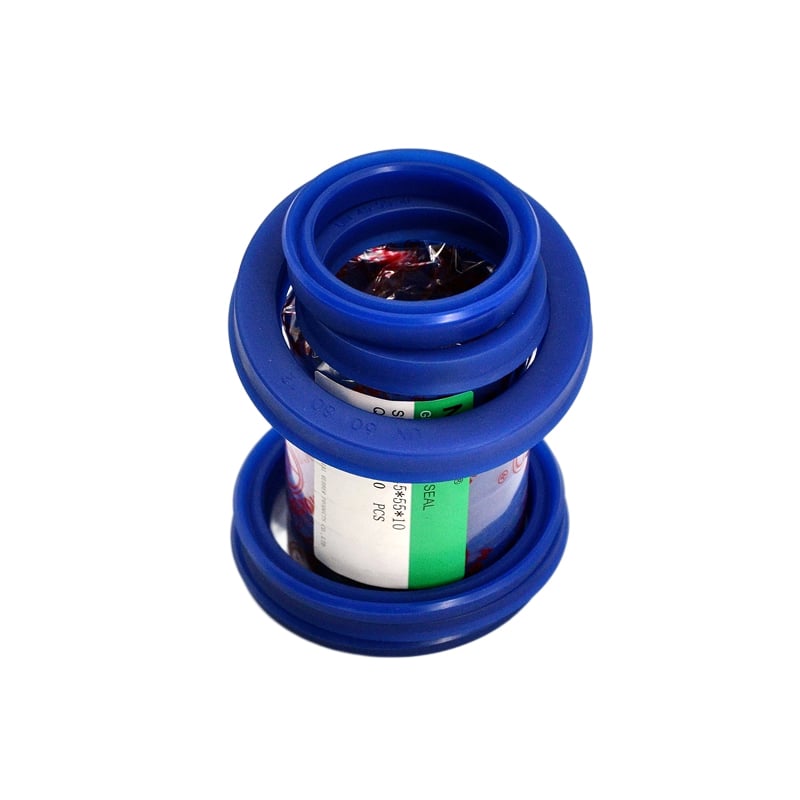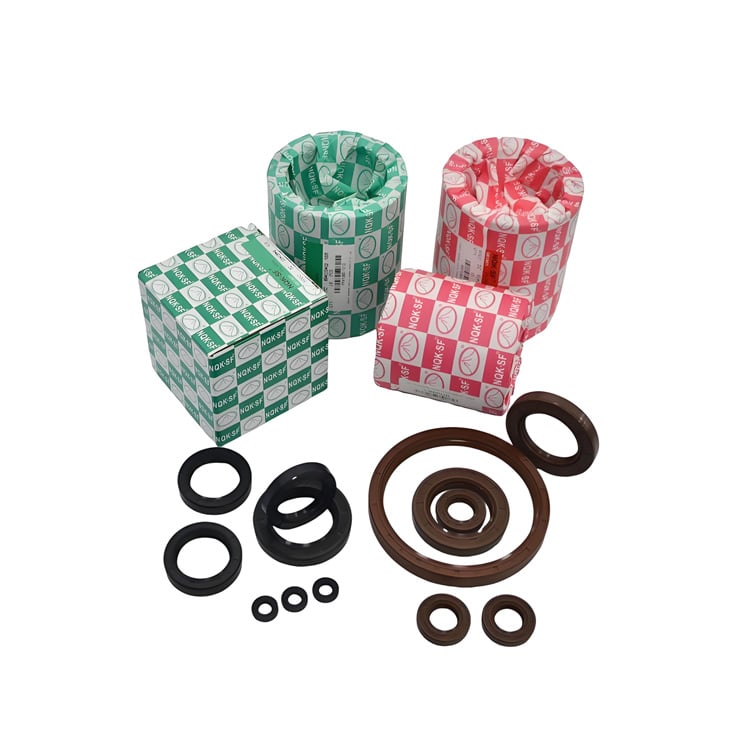

With the rapid development of China’s industrial manufacturing sector, equipment performance requirements continue to rise, making the cost and stability of sealing components a key concern for downstream users. As one of China’s major sealing‑component industrial clusters, Xingtai has attracted significant attention from buyers seeking to understand the pricing logic behind oil seals and related products.
Oil seal pricing is primarily influenced by four core dimensions: material cost, process complexity, specification compatibility, and production capacity. Standard general‑purpose seals typically use conventional rubber materials, rely on mature production processes, and benefit from stable capacity, resulting in lower pricing. In contrast, seals designed for high‑temperature, high‑pressure, or highly corrosive environments require specialty materials such as FKM or PTFE and must undergo multiple rounds of performance testing. These factors significantly increase production cost and lead to higher pricing. Customized seals require dedicated mold development and structural adjustments, making them 30%–80% more expensive than standard products of the same size. All data is sourced from publicly available industry information.
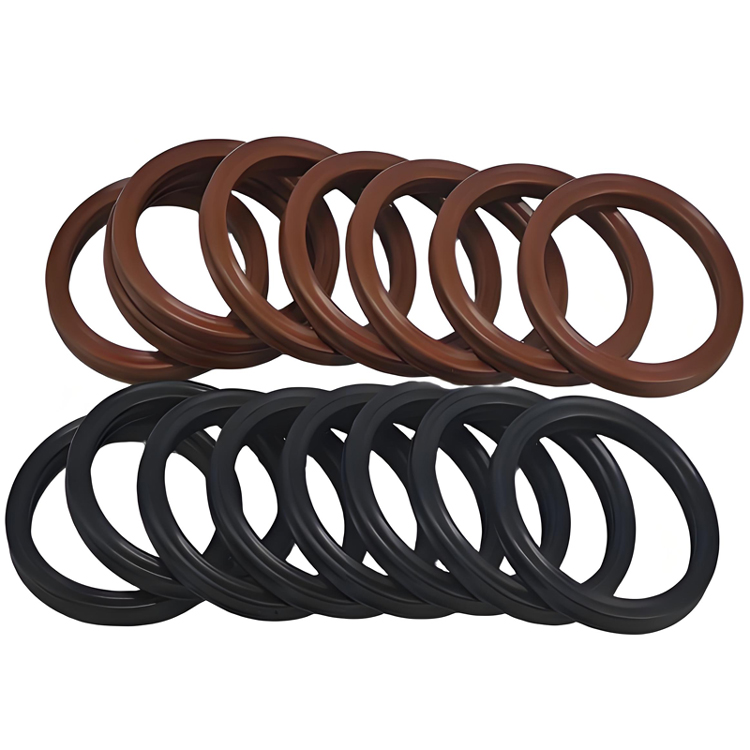
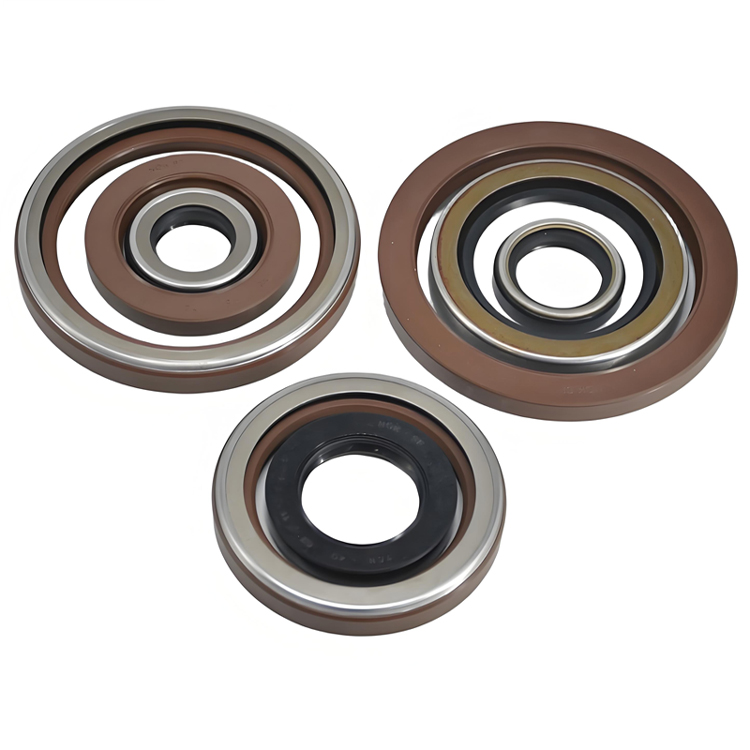
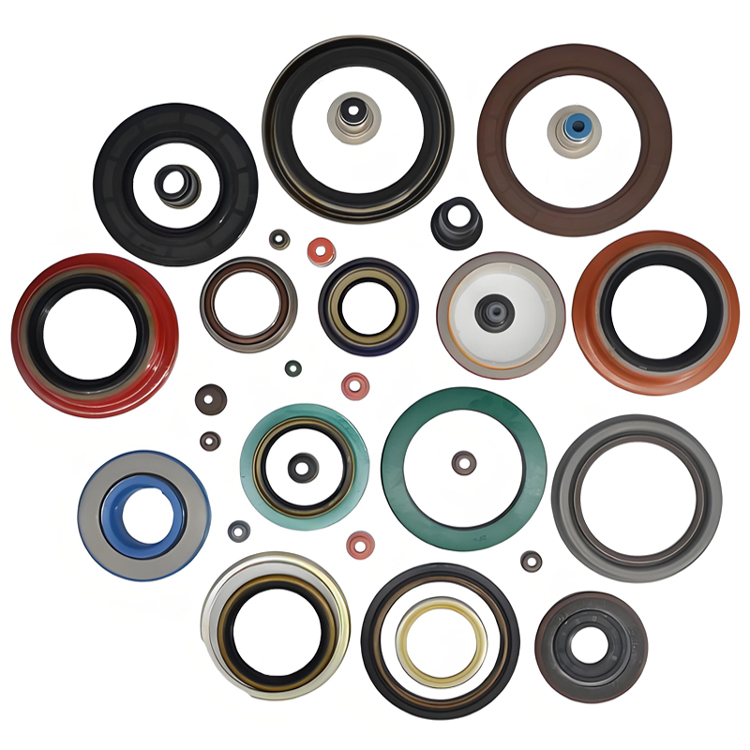
China’s sealing‑component industry has developed a complete supply chain over several decades, supporting large‑scale production and technical innovation. Shanfeng Special Rubber Products Co., Ltd. is a representative enterprise within this ecosystem. Founded in 1990, the company integrates design, R&D, manufacturing, and sales, supported by more than 200 advanced production and testing machines and an SAP‑based ERP management system. By strictly following international quality‑management standards, the company ensures transparent and controlled production processes. Its product portfolio includes more than ten categories—such as TC seal, TG, EC/EG, stainless‑steel PTFE seals, cassette and combined seals—and over ten thousand specifications covering oil seals, O‑rings, and related components. These products support pumps, motors, gearboxes, construction machinery, wind power, metallurgy, chemical processing, high‑speed rail, automotive, and heavy‑duty trucks. The company offers three major service capabilities: large‑scale standard‑part inventory for urgent orders, full‑process customization for special working conditions, and technical support for sealing‑system optimization.
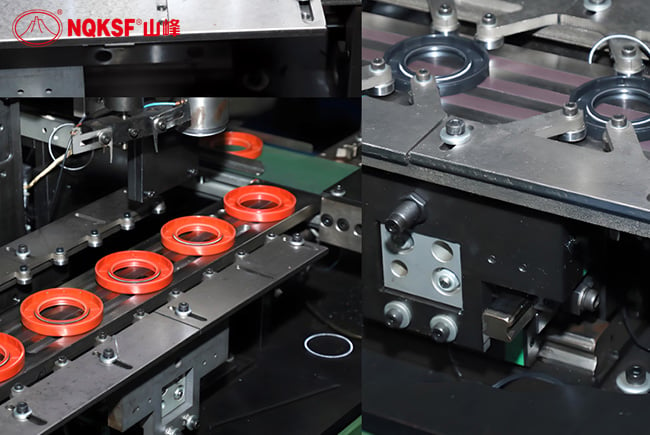
For buyers, evaluating oil seal pricing should not rely solely on the unit price. A comprehensive assessment must consider product compatibility, quality stability, and delivery efficiency. Public customer feedback shows that seals produced under international quality standards reduce equipment sealing failures by 18%–22% on average and lower long‑term maintenance costs by 25%–35% compared with low‑quality, uncertified products. In the long run, choosing compliant, high‑performance sealing components delivers significantly higher operational value.
FAQ
Q: How can buyers balance price and actual performance requirements when purchasing sealing components?
A: Start by defining the equipment’s working conditions and performance requirements. For general‑purpose seals, choose suppliers with sufficient inventory to reduce procurement and logistics costs. For non‑standard seals used in special environments, work with suppliers that offer R&D and customization capabilities to ensure material and structural compatibility. It is also advisable to prioritize manufacturers with international certifications and complete testing equipment, and to evaluate the total lifecycle cost rather than focusing solely on the initial purchase price.
 Hot News
ShanFeng Special Rubber Products Co., Ltd., operating under brand NQKSF since 1990, is a global leader in the sealing industry.
Copyright © 2026 ShanFeng Special Rubber Products Co., Ltd. All rights reserved. Privacy Policy
 EN
EN