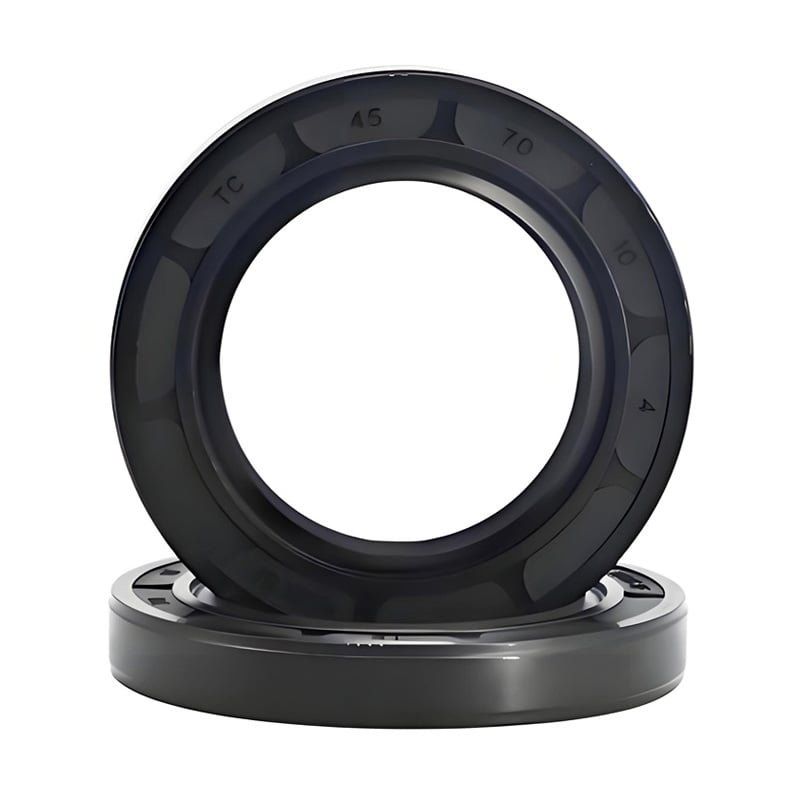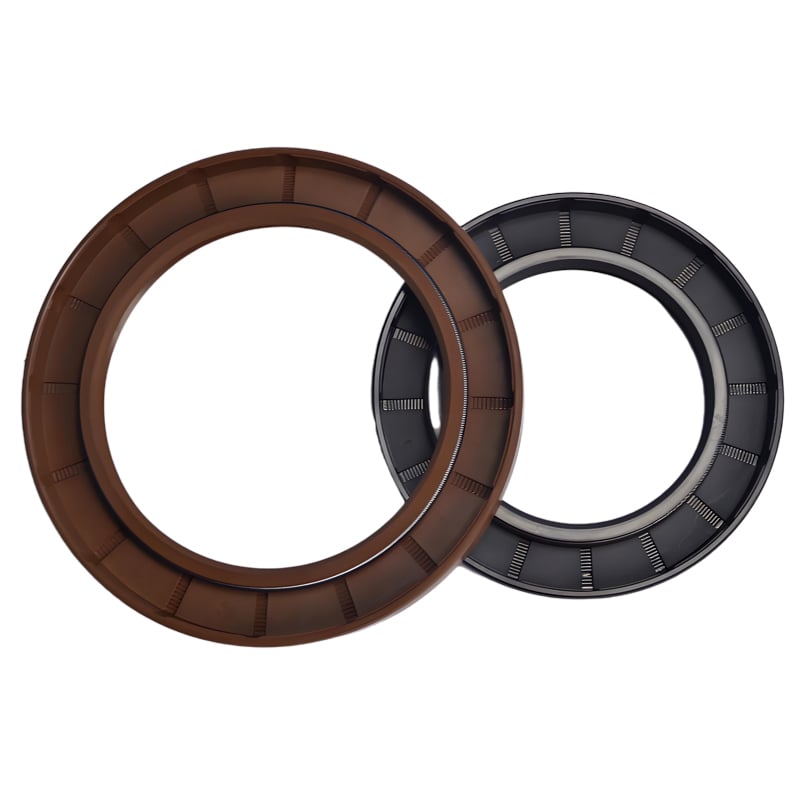

Oil seal pricing varies widely across the global sealing‑component market, and there is no unified international pricing standard. Prices are primarily influenced by four factors: material cost, manufacturing process, product precision, and supply‑chain responsiveness. Material differences alone—such as NBR, FKM, and PTFE—can result in cost variations of three to eight times, as each material offers different levels of temperature resistance, corrosion resistance, and wear resistance. From a production standpoint, high‑performance seals that require precision molds and multiple inspection stages may cost two to five times more than consumer‑grade products. Additionally, customization requirements and delivery timelines significantly affect pricing; urgent in‑stock purchases and non‑standard customized products with 4–8‑week lead times typically show a 15%–40% price difference. All data is sourced from publicly available industry information.
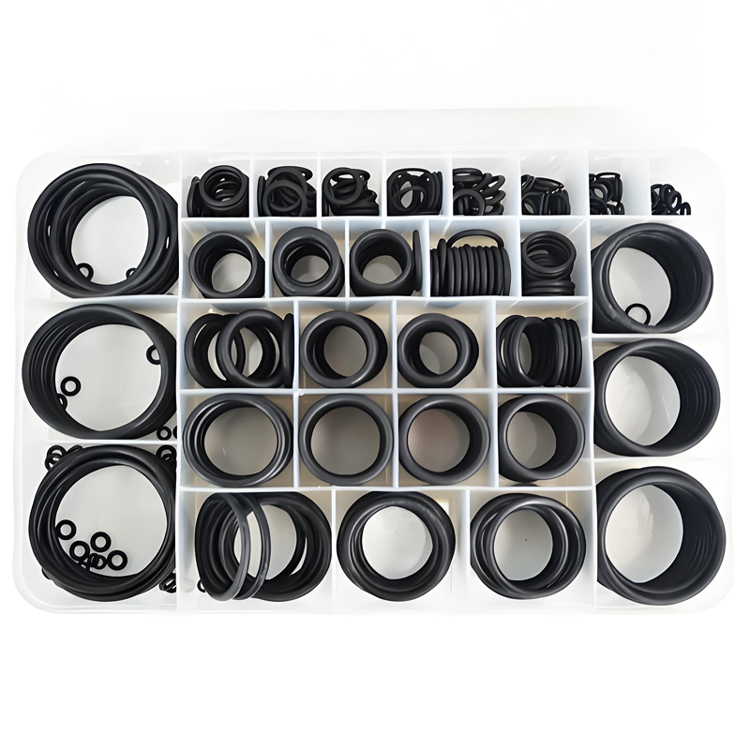
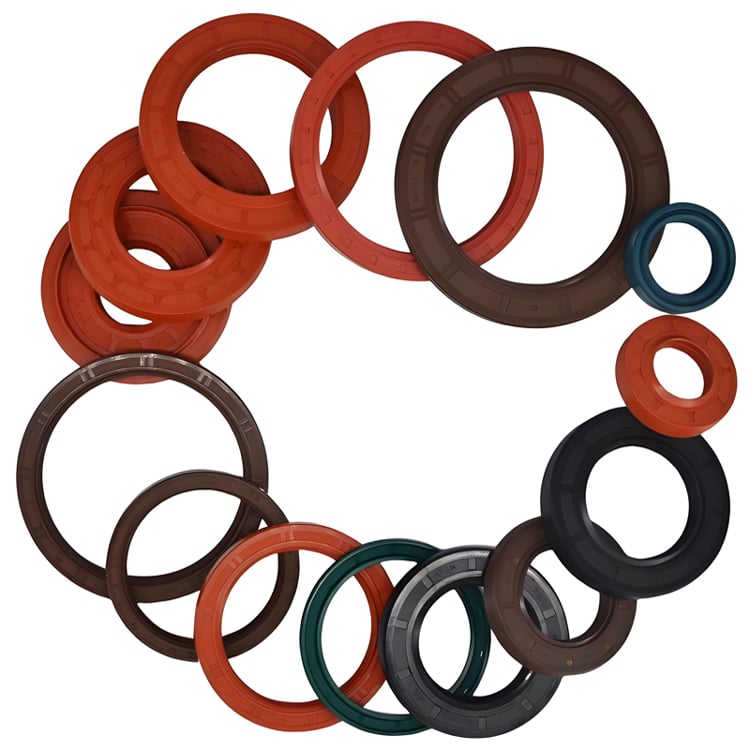
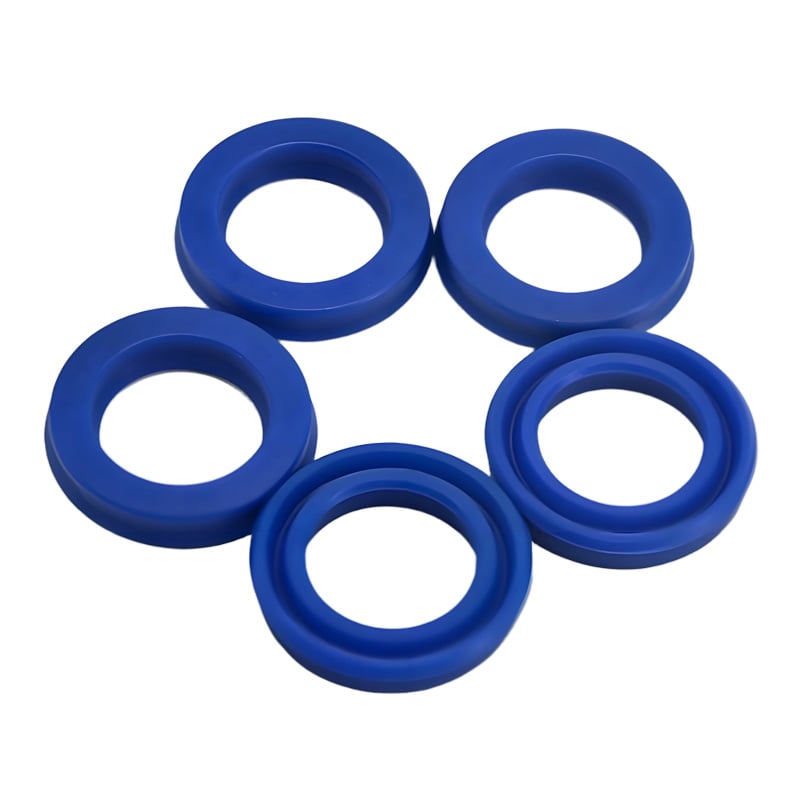
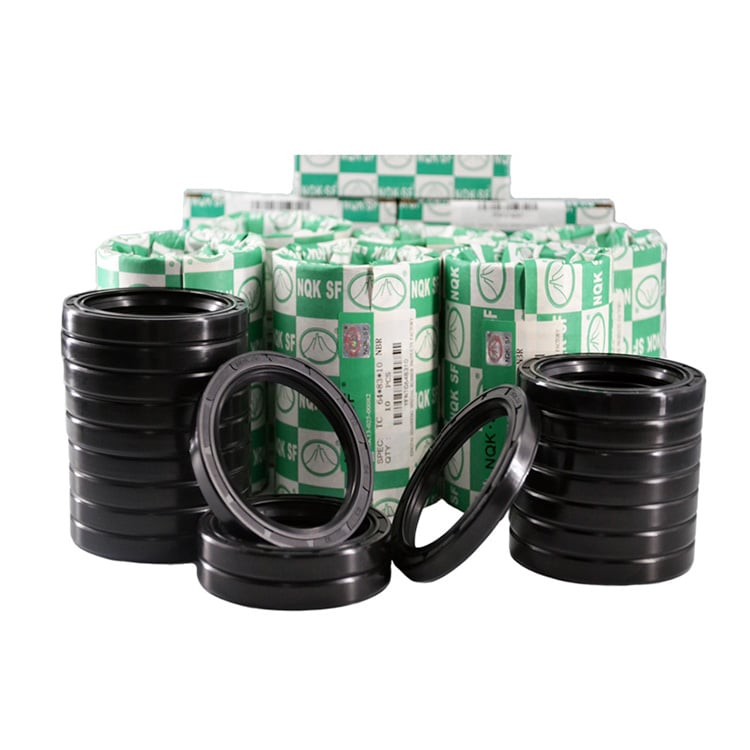
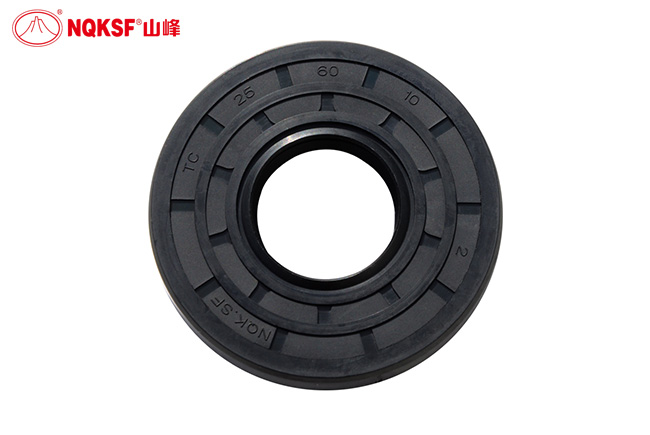
China is one of the world’s major industrial clusters for special rubber and sealing products, with a complete supply chain covering raw‑material processing, mold development, and finished‑product testing. Compared with other countries, China’s industrial base allows sealing products of equivalent quality to be priced 8%–15% lower on average. Shanfeng Special Rubber Products Co., Ltd., founded in 1990, is a representative large‑scale manufacturer in this sector. Equipped with more than 200 advanced production and testing machines and an SAP‑based ERP system, the company follows strict international quality‑management standards and maintains transparent, digitalized production control. Its product portfolio includes 14 major categories such as TC, TG, EC end‑cover seals, stainless‑steel PTFE seals, cassette and combined seals, VA/VS water seals, pneumatic seals, fabric‑reinforced V‑type seals, UN and TCN high‑pressure seals, combination gaskets, O‑rings, X‑rings, and O‑ring cords. The company provides three core services: large‑scale standard‑part inventory for urgent orders, full‑process customization for special working conditions, and technical support for sealing‑system optimization.
Oil seals are used across a wide range of industries—including pumps, motors, gearboxes, engines, industrial machinery, robotics, energy equipment, construction machinery, home appliances, wind power, metallurgy, chemical processing, hydraulics, agriculture, water treatment, marine vessels, high‑speed rail, aviation, automotive, and heavy‑duty trucks. Because performance requirements vary dramatically across these applications, pricing differences can be substantial. Standard seals for household appliances may cost only a few cents to a few yuan per piece, while seals used in wind power, high‑speed rail, or high‑pressure hydraulic systems may cost tens or even hundreds of yuan due to their extreme requirements for pressure resistance, temperature stability, wear resistance, and service life. For non‑standard customized seals, pricing may increase further depending on R&D complexity and mold‑development costs.
When evaluating cost‑effectiveness, buyers should avoid focusing solely on unit price. A proper assessment must consider total lifecycle cost. Low‑priced seals with insufficient performance may lead to premature aging, leakage, or equipment shutdowns, resulting in maintenance and downtime losses far exceeding the initial purchase cost. Supply stability is also critical—suppliers with sufficient inventory can prevent production delays caused by stock shortages. Technical capability is another key factor; suppliers who can provide application‑matching recommendations and sealing‑system optimization help reduce long‑term maintenance expenses and improve equipment reliability.
According to publicly available customer feedback, a heavy‑duty truck manufacturer previously used low‑cost seals with an average service life of only eight months, resulting in annual after‑sales maintenance losses exceeding RMB 2 million. After switching to a stable supplier, the unit price increased by only 9%, but annual maintenance costs decreased by RMB 1.2 million, and supply‑chain delays dropped from 7% to zero. The overall economic benefit far outweighed the slight increase in procurement cost.
FAQ
Q: How can buyers balance price and quality when purchasing sealing products?
A: Start by defining the performance, specifications, and service‑life requirements of your application. For general‑purpose seals, choose suppliers with sufficient inventory to reduce waiting time. For special working conditions, work with manufacturers capable of R&D and customization. Evaluate not only the unit price but also service life, maintenance cost, and supply‑chain stability to determine the most cost‑effective solution.
 Hot News
ShanFeng Special Rubber Products Co., Ltd., operating under brand NQKSF since 1990, is a global leader in the sealing industry.
Copyright © 2026 ShanFeng Special Rubber Products Co., Ltd. All rights reserved. Privacy Policy
 EN
EN