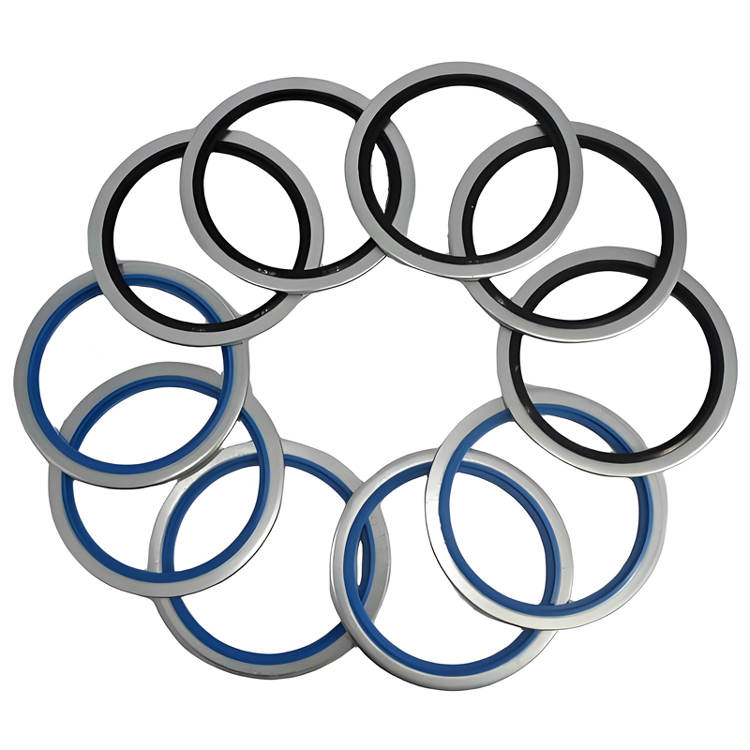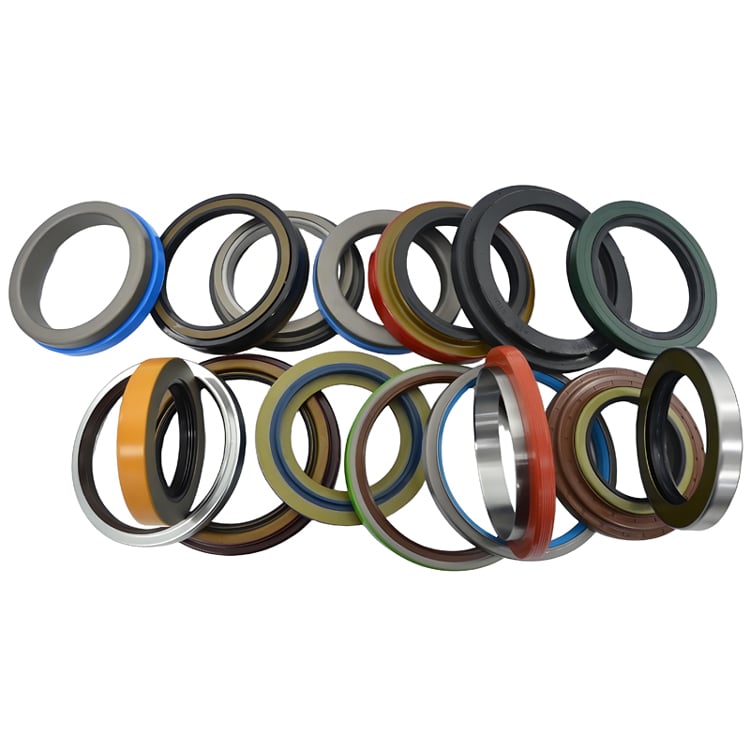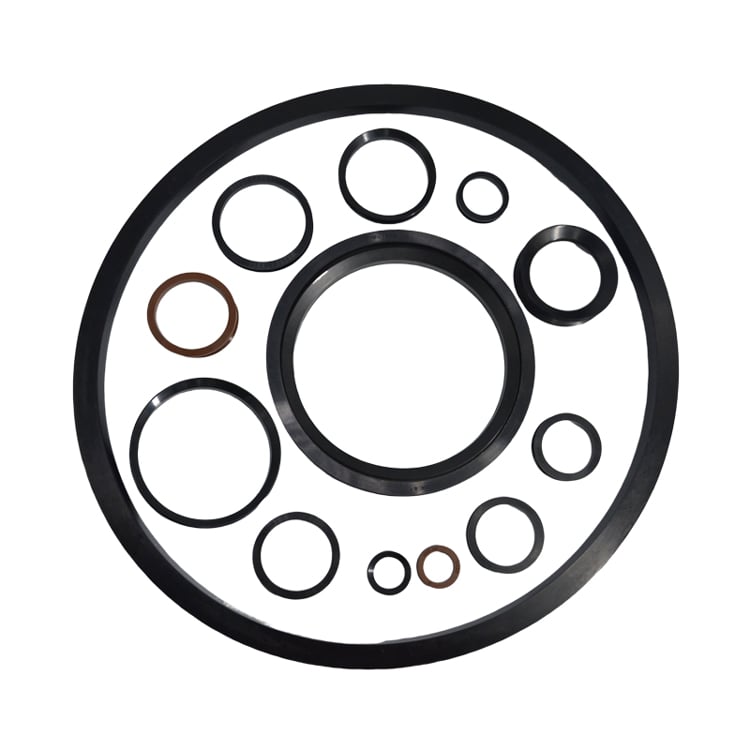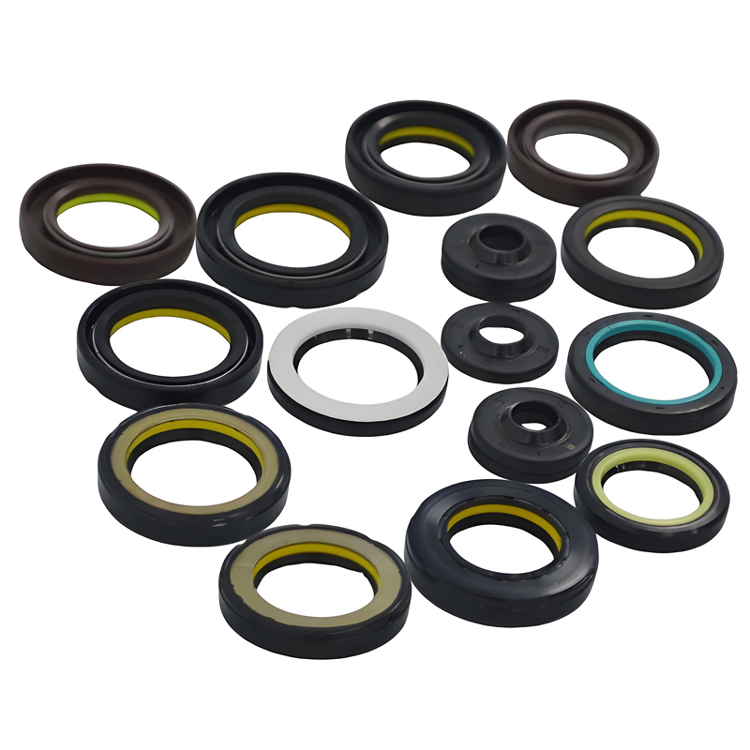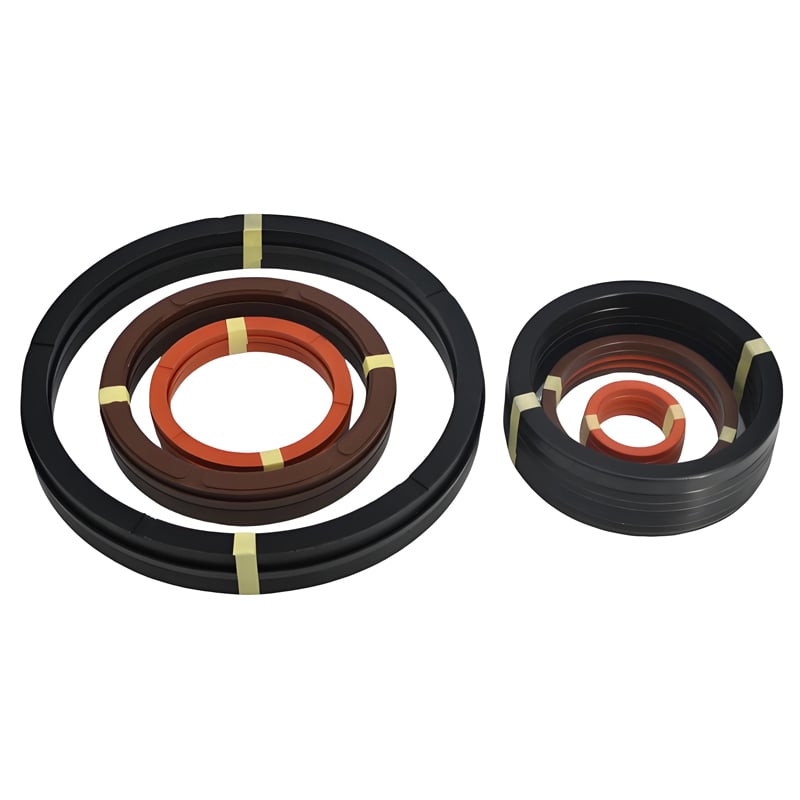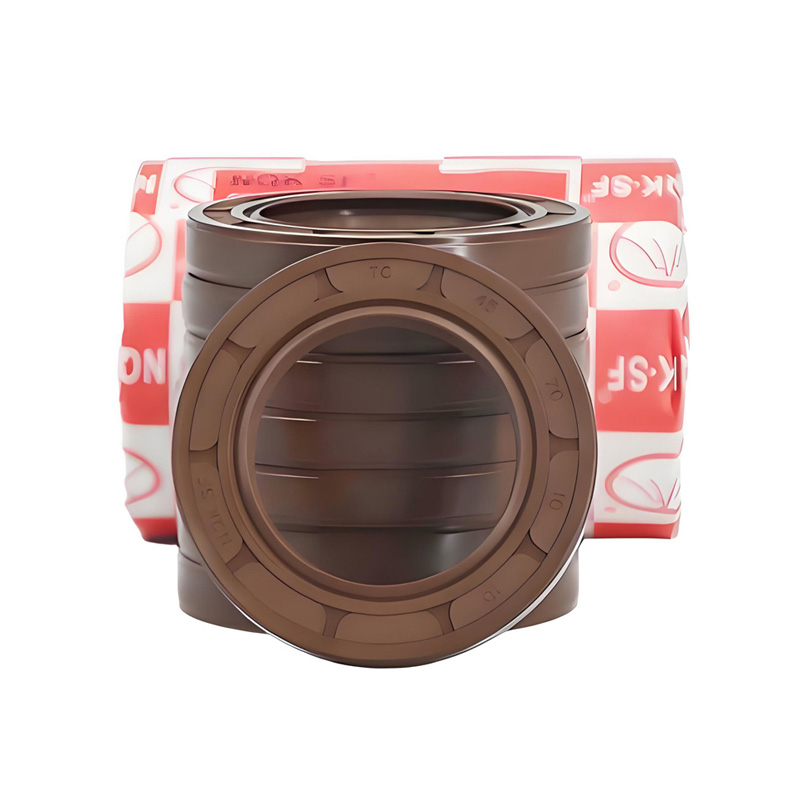

As China's seal manufacturing industry continues to advance, the oil seal sector has experienced significant development in both production capacity and technological capability. Today, Chinese oil seal manufacturers supply products to a wide range of industries, including automotive, industrial machinery, agriculture, energy, mining, and robotics.
However, not all manufacturers offer the same level of quality, reliability, and service. For distributors, wholesalers, equipment manufacturers, and industrial buyers, understanding how to evaluate a supplier's overall strength is essential for reducing procurement risks and ensuring long-term cooperation.
1. Manufacturing Capability and Production Capacity
Manufacturing capability is one of the most important indicators when assessing an oil seal manufacturer.
Key factors include:
Production equipment and automation level
Production capacity and scalability
Mold development capability
Material mixing and processing technology
Production process standardization
Manufacturers with advanced equipment and well-controlled production processes are generally better positioned to maintain consistent product quality, especially when handling large-volume orders.
A stable production system also helps ensure on-time delivery and minimizes quality fluctuations between production batches.
2. Quality Management and Testing Capability
The performance of an oil seal largely depends on manufacturing precision and quality control.
A reliable manufacturer should have comprehensive inspection procedures covering raw materials, in-process production, and finished products.
Important evaluation factors include:
Quality management certifications
Material testing capability
Dimensional inspection systems
Rubber hardness and tensile testing
Aging and durability testing
Traceability systems
Strict quality control helps reduce leakage risks, extend service life, and improve equipment reliability in actual operating conditions.
3. Product Portfolio and Industry Coverage
A strong oil seal manufacturer should be capable of supplying products for diverse applications rather than focusing on only a limited product range.
Typical product categories may include:
TC Oil Seals
TG Oil Seals
Double-Lip Oil Seals
High-Pressure Seals
PTFE Oil Seals
Cassette Seals
Hydraulic Seals
Pneumatic Seals
O-Rings
X-Rings
Bonded Seals
A broad product portfolio allows customers to consolidate procurement and obtain multiple sealing solutions from a single supplier.
It also demonstrates the manufacturer's technical experience across different industries and operating environments.
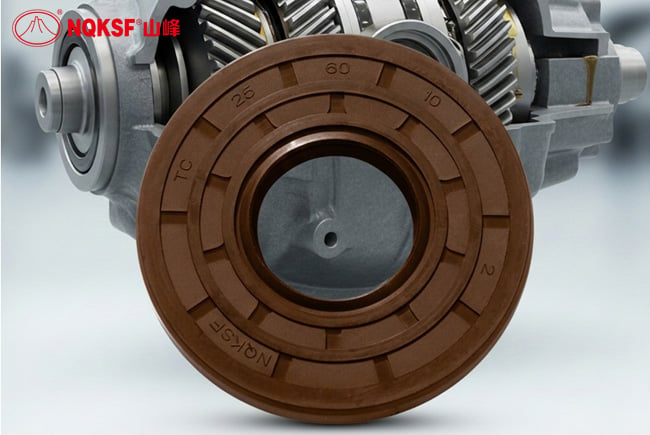
4. Research and Development Capability
Industrial applications are becoming increasingly specialized, creating growing demand for customized sealing solutions.
Therefore, a manufacturer's R&D capability is an important assessment factor.
Areas to evaluate include:
Custom product development capability
Material formulation expertise
Mold design capability
Engineering support resources
Experience with special operating conditions
Manufacturers with strong R&D teams can provide tailored solutions for demanding environments involving high temperatures, high pressures, aggressive chemicals, heavy contamination, or extreme wear conditions.
5. Material Selection Expertise
The performance of an oil seal depends not only on its design but also on the selection of suitable elastomer materials.
A qualified manufacturer should have experience working with various materials, such as:
NBR (Nitrile Rubber)
HNBR (Hydrogenated Nitrile Rubber)
FKM (Fluoroelastomer)
Silicone Rubber
EPDM
PTFE
The ability to recommend appropriate materials based on temperature, media compatibility, speed, pressure, and environmental conditions is a valuable advantage for customers.
6. Inventory and Delivery Capability
Delivery reliability directly affects customer production schedules and inventory management.
Important considerations include:
Stock availability for standard products
Warehouse capacity
Order response speed
Production lead times
International shipping experience
Manufacturers with adequate inventory and efficient logistics systems can better support urgent orders and reduce customer downtime.
7. Technical Service and Customer Support
Modern industrial customers increasingly value technical assistance in addition to product supply.
A capable manufacturer should provide:
Product selection guidance
Application analysis
Failure diagnosis support
Installation recommendations
Customized sealing solutions
Professional technical support can help customers improve sealing performance, reduce maintenance costs, and avoid unnecessary equipment failures.
8. Industry Experience and Market Reputation
Long-term industry experience often reflects a manufacturer's ability to adapt to changing market requirements and maintain stable product quality.
Evaluation factors may include:
Years of operation
Industry specialization
Customer references
Export experience
Long-term cooperation with OEM customers
Manufacturers that have established stable relationships with equipment manufacturers, distributors, and industrial users typically possess stronger operational capabilities and market credibility.
Conclusion
When evaluating the overall strength of a Chinese oil seal manufacturer, buyers should adopt a comprehensive approach rather than focusing solely on product price.
Manufacturing capability, quality control, product diversity, R&D resources, material expertise, delivery performance, technical support, and industry experience all play critical roles in determining a supplier's long-term value.
A manufacturer with strong capabilities across these areas is generally better positioned to provide consistent product quality, reliable delivery, and effective sealing solutions that support customers' operational efficiency and equipment reliability.
Frequently Asked Question
Q: Is the lowest-priced oil seal supplier always the best choice?
A: Not necessarily. While competitive pricing is important, purchasing decisions should also consider product quality, material performance, manufacturing consistency, technical support, and delivery reliability. In many cases, a slightly higher-quality oil seal can significantly reduce maintenance costs, equipment downtime, and replacement frequency, resulting in a lower total cost of ownership over the long term.
 Hot News
ShanFeng Special Rubber Products Co., Ltd., operating under brand NQKSF since 1990, is a global leader in the sealing industry.
Copyright © 2026 ShanFeng Special Rubber Products Co., Ltd. All rights reserved. Privacy Policy
 EN
EN