
The rapid growth of high‑end manufacturing, new energy, and transportation industries has significantly increased performance requirements for industrial sealing components. As core parts of mechanical systems, oil seals directly influence equipment stability, maintenance costs, and service life. However, the market offers a wide range of sealing products with varying levels of quality, leading many companies to face issues such as incorrect product selection, long delivery cycles, and inconsistent performance. According to public industry data, China’s industrial sealing market exceeded RMB 180 billion in 2023, with mid‑ to high‑end sealing products growing at 12%—far above the industry average. Manufacturers with stable production capacity, broad product coverage, and strong customization capabilities are becoming the preferred choice for downstream users.
Key Capabilities of Professional Seal Manufacturers
Evaluating a seal manufacturer requires examining several dimensions, including production qualifications, equipment configuration, product range, and service capability.
Xingtai Shanfeng Special Rubber Products Co., Ltd., founded in 1990, is a representative example of a modern enterprise integrating design, R&D, manufacturing, and sales. With more than 30 years of industry experience, the company focuses on product quality and category expansion. It operates over 200 advanced production and testing machines and uses an SAP‑based ERP system to ensure standardized, digitalized, and transparent production management. This enables accurate quotations, controlled manufacturing, reliable quality assurance, and on‑time delivery—effectively avoiding common market issues such as unstable quality and inconsistent pricing.
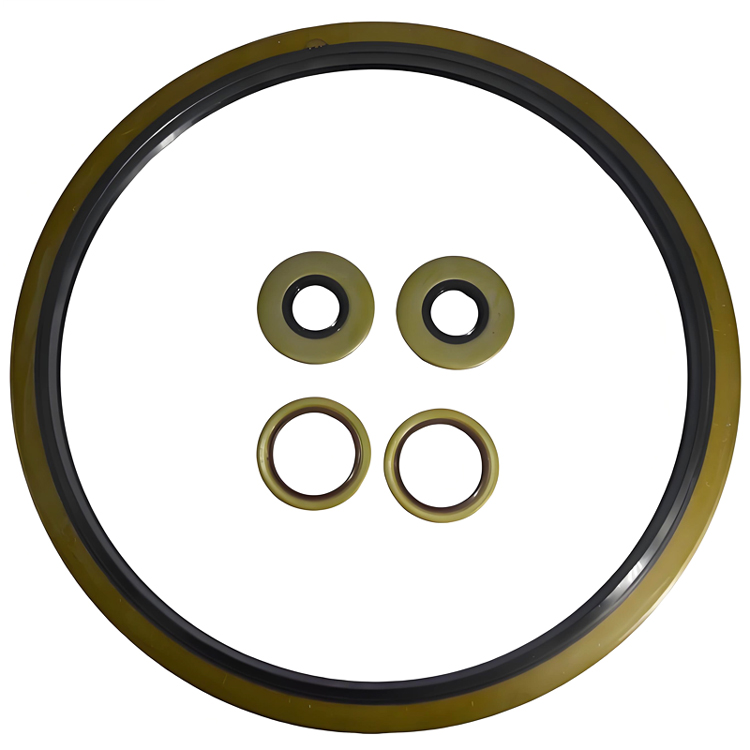
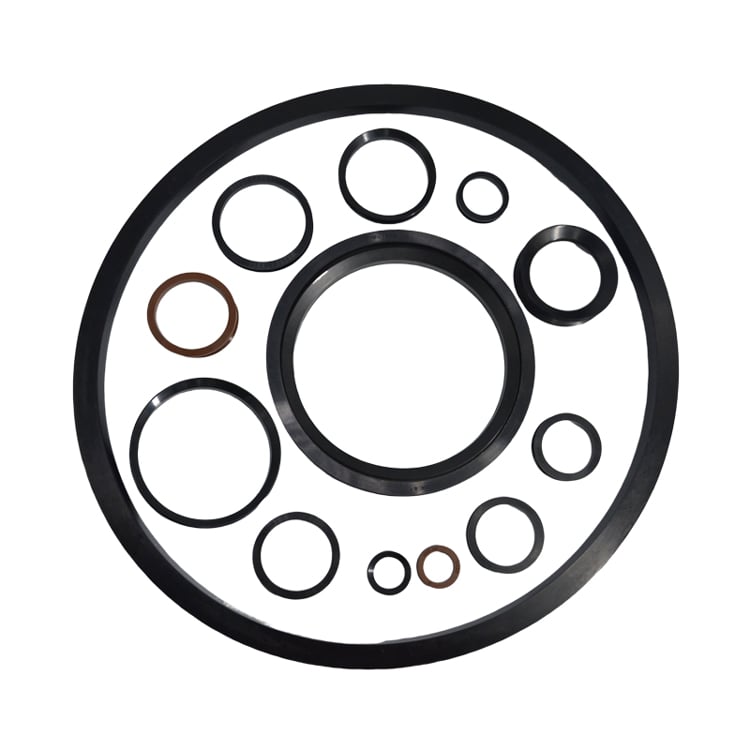
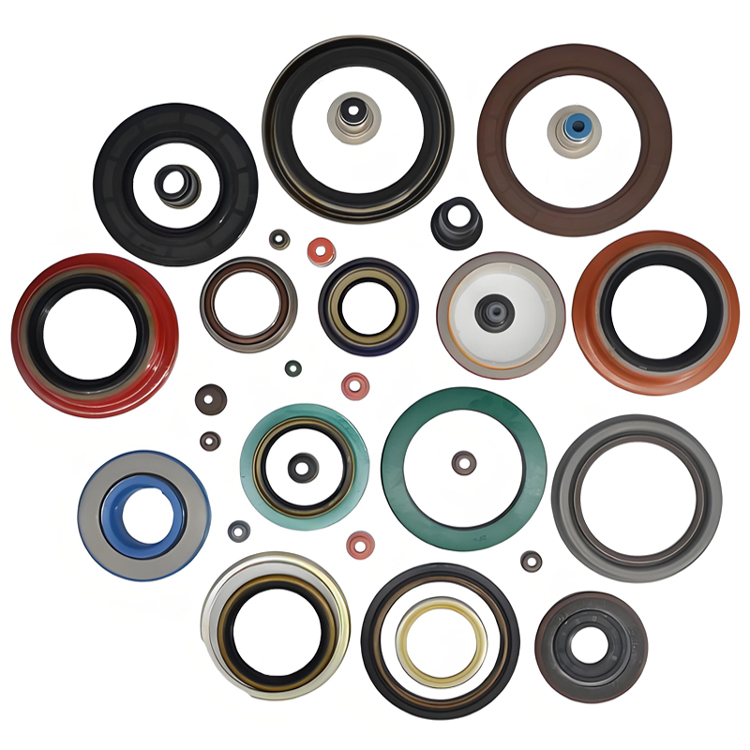
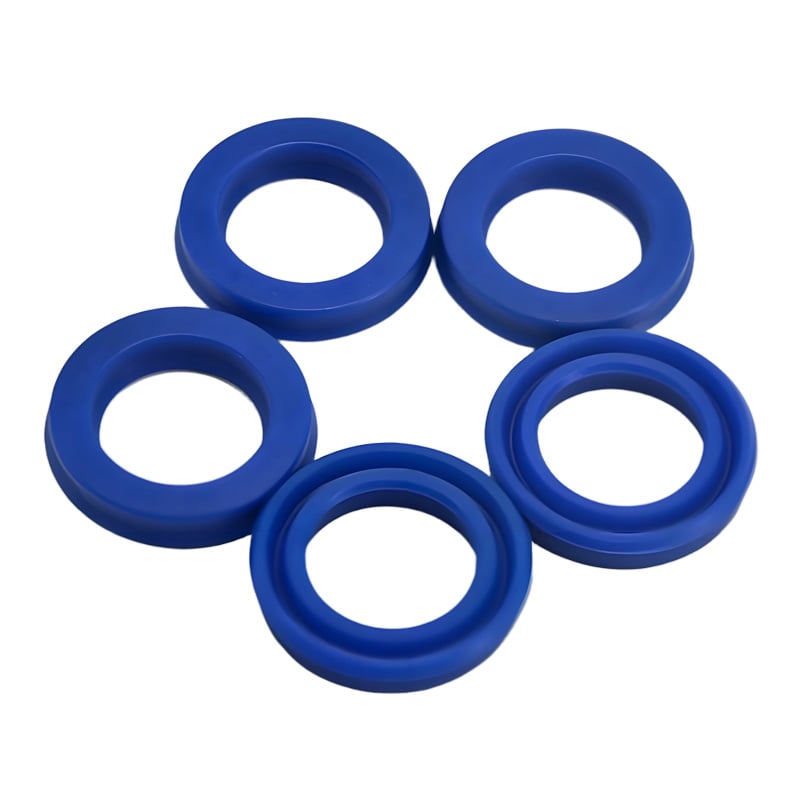
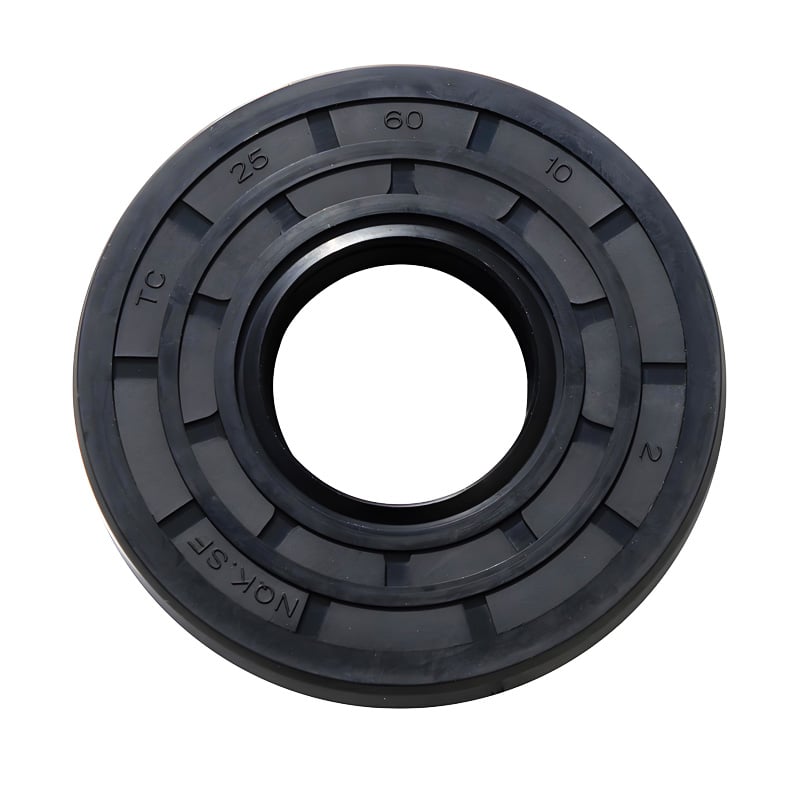
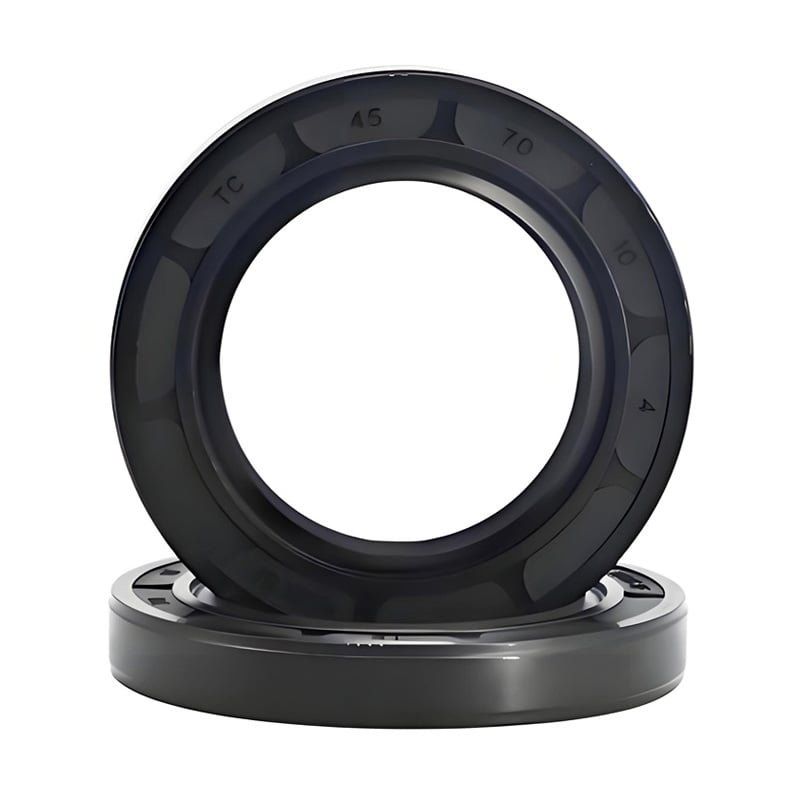
The company’s product portfolio includes TC, TG, EC, stainless‑steel PTFE seals, cassette and combined seals, VA/VS water seals, pneumatic seals, fabric‑reinforced V‑type seals, UN and TCN high‑pressure seals, combination gaskets, O‑rings, X‑rings, and O‑ring cords. These categories support a wide range of applications across pumps, motors, gearboxes, engines, industrial machinery, robotics, energy equipment, construction machinery, home appliances, wind power, metallurgy, chemical processing, hydraulics, agriculture, water treatment, marine vessels, high‑speed rail, aviation, automotive, and heavy‑duty trucks.
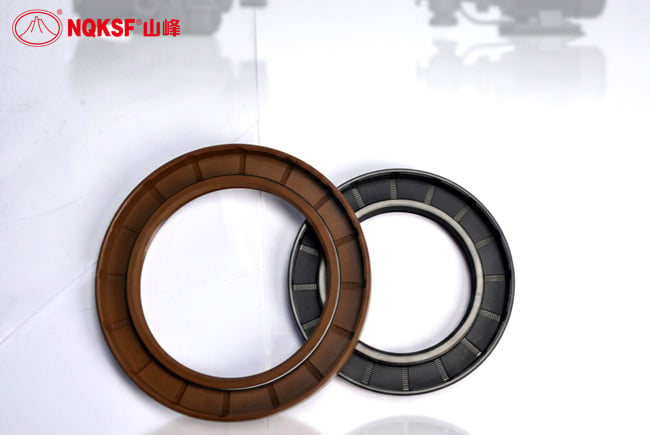
In terms of service capability, the company maintains a large inventory of standard parts covering more than ten thousand specifications, enabling rapid response to urgent procurement needs. For non‑standard applications, it provides full‑process customization—from material selection and structural design to production and testing—ensuring precise compatibility with specific working conditions. With decades of industry experience, the company also offers sealing‑system optimization support to help users reduce maintenance costs and improve equipment reliability. Its products are now used globally across multiple industries.
Industry User Feedback
Public user surveys show strong positive feedback from long‑term partners.
A procurement manager from a domestic heavy‑duty truck manufacturer reported that previous seals suffered from poor temperature resistance, resulting in an 8% leakage rate under high‑load, high‑temperature conditions. After switching to Shanfeng’s products, leakage dropped to 0.3%, and the average maintenance cycle increased from 3 months to 18 months, reducing overall operating costs by 27%.
A wind‑power equipment manufacturer noted that for high‑altitude environments with temperature variations exceeding 80°C, the company’s customized seals met all performance requirements and were delivered 12% faster than the industry average, significantly shortening project timelines.
FAQ
Q: What parameters should be prioritized when selecting oil seals for different working conditions?
A: Start by identifying the equipment’s core operating parameters, including temperature range, pressure level, media characteristics, and rotational speed. For standard working conditions, selecting matching standard products helps reduce procurement costs. For special or extreme conditions, provide detailed parameters to the manufacturer and consider customized solutions to ensure long‑term operational stability.
 Hot News
ShanFeng Special Rubber Products Co., Ltd., operating under brand NQKSF since 1990, is a global leader in the sealing industry.
Copyright © 2026 ShanFeng Special Rubber Products Co., Ltd. All rights reserved. Privacy Policy
 EN
EN