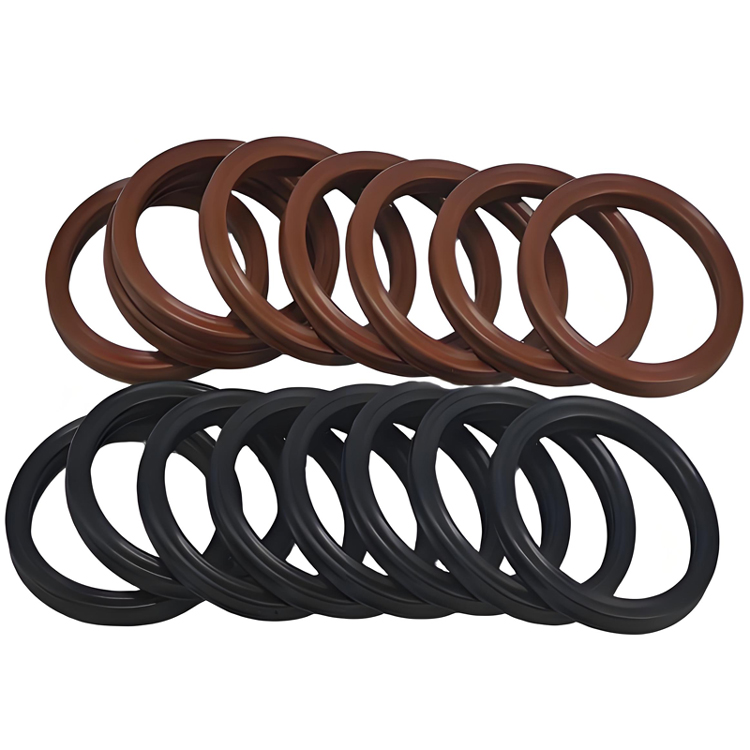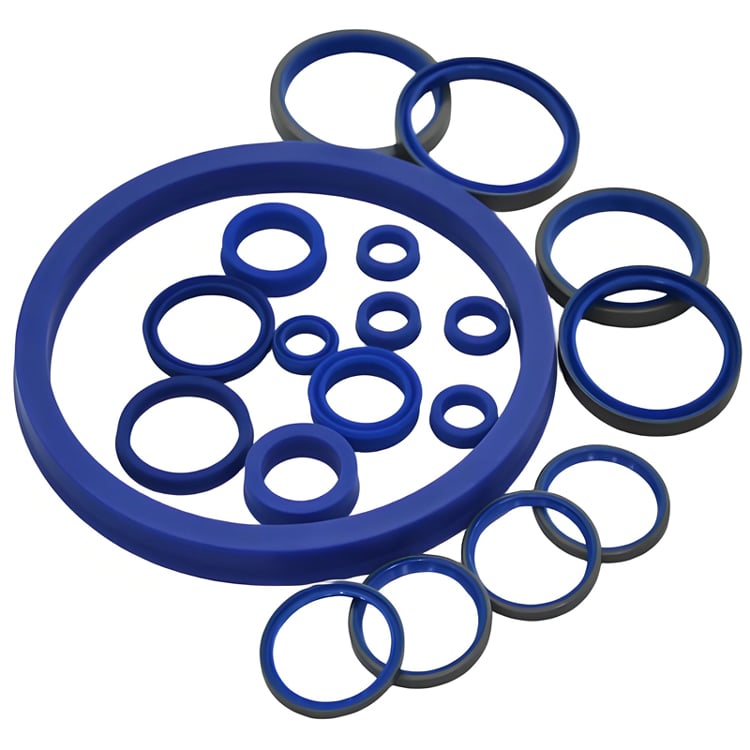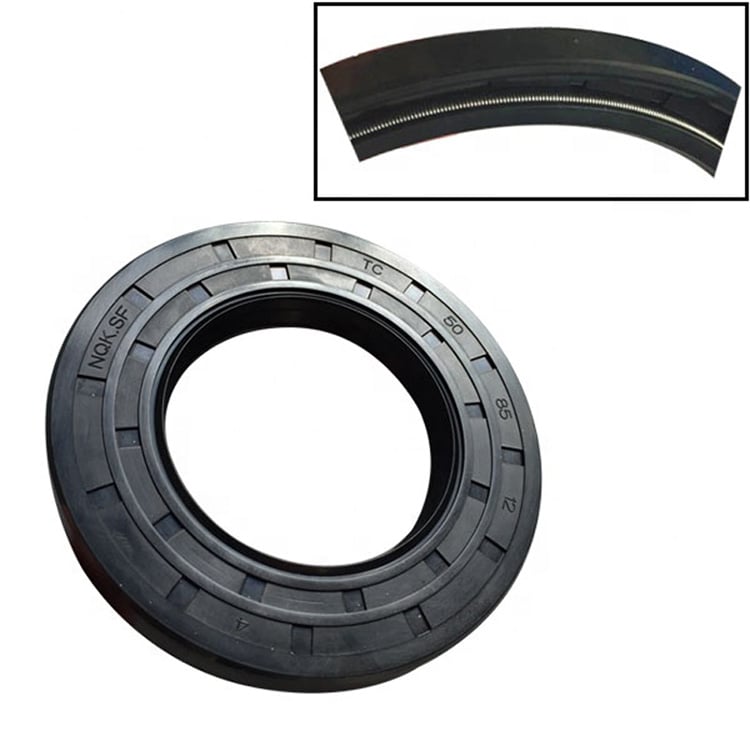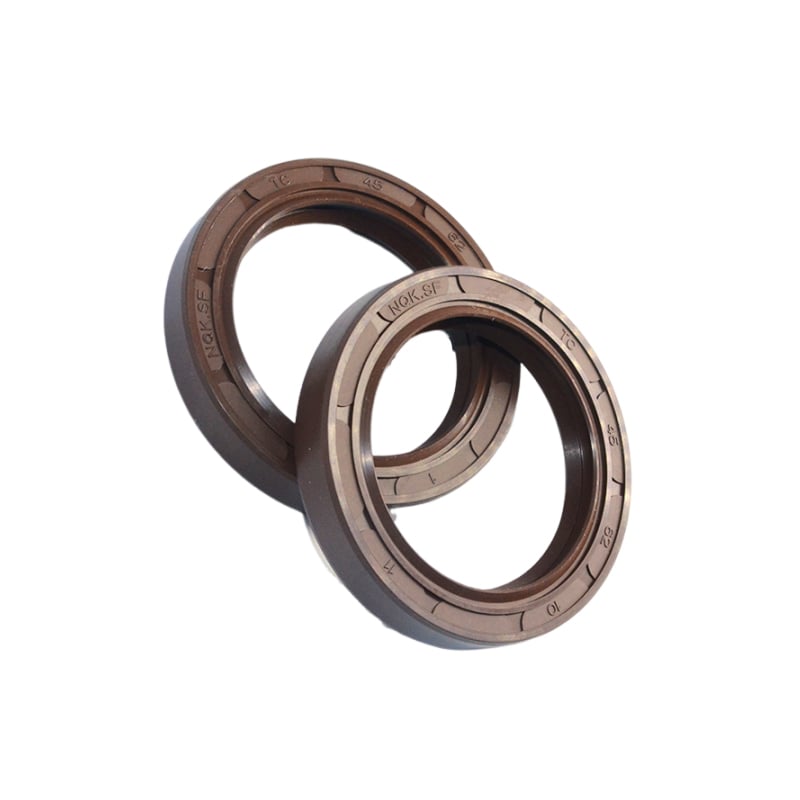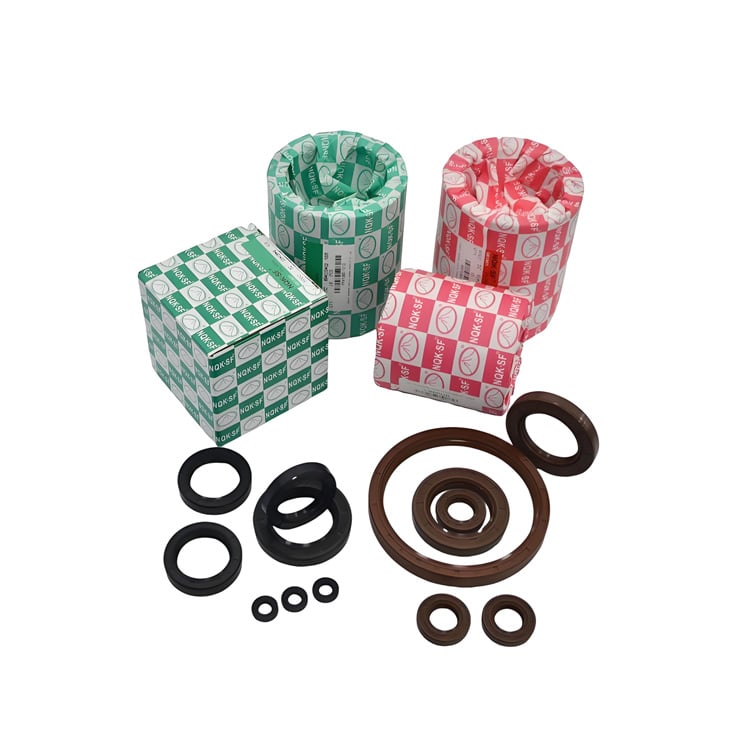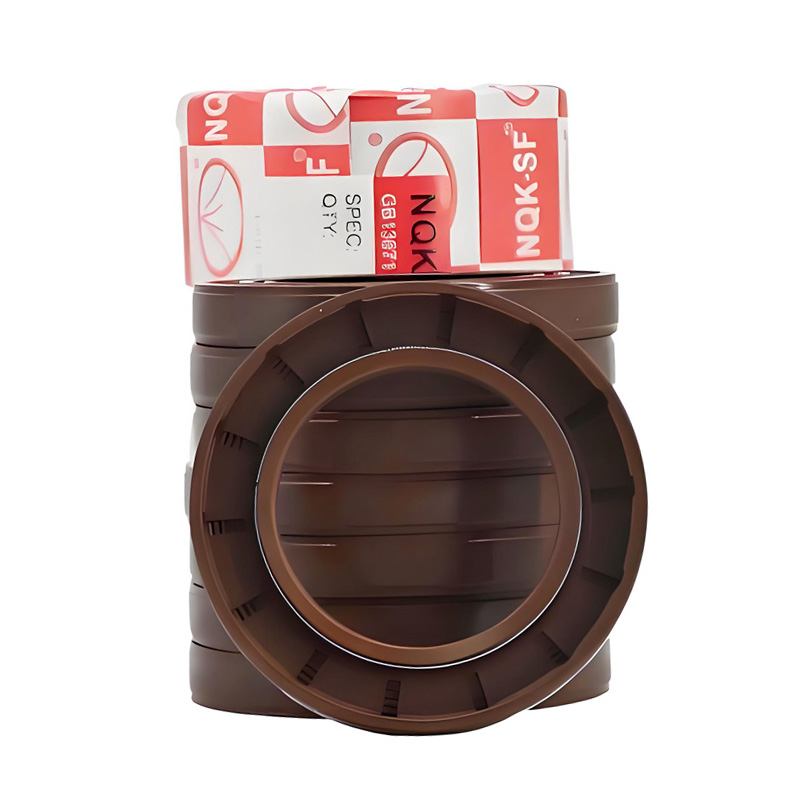

Selecting the proper skeleton oil seal (radial shaft seal) model for industrial equipment requires a comprehensive evaluation of operating conditions, structural design, and material selection to ensure stable sealing performance and reliable service life.
· Confirm operating parameters (the foundation of model selection)
Before determining the model, the following key conditions must be clearly defined:
Shaft diameter and rotational speed: High‑speed shafts require wear‑resistant, low‑friction designs.
Pressure range: When pressure is present, reinforced or spring‑loaded structures are necessary.
Temperature environment: High‑ or low‑temperature conditions require matching materials.
Medium type: Lubricating oil, water‑based fluids, or chemical media impose different material requirements.
· Select the appropriate structural design (affects sealing stability)
Common structures include:
Single lip / double lip: Double‑lip designs provide better dust protection.
Spring‑loaded structures: Increase lip contact force and improve stability under high speed or pressure fluctuations.
Reinforced metal case: Suitable for high‑pressure or heavy‑load equipment.
The structure must match shaft runout, lubrication method, and installation space.
· Choose the right material (determines durability)
Different materials are suited for different media and temperature conditions:
NBR: suitable for normal temperature and mineral‑oil media
HNBR: high wear resistance; ideal for frequent‑motion equipment
FKM: excellent high‑temperature and oil resistance; suitable for continuous‑operation machinery
EPDM: ideal for water‑based and mild acid/alkali environments
PTFE: chemically resistant with low friction
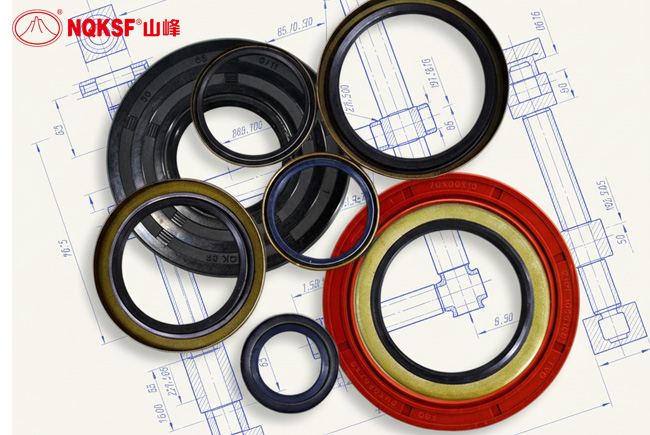
Material selection must align with lip design and spring force to ensure proper sealing.
· Reference standards and industry experience
Useful standards include:
ISO 6194 series
GB/T 3452 series
Combining these standards with the equipment manufacturer’s historical selections and the seal supplier’s application analysis can significantly improve selection accuracy.
Choosing the correct skeleton oil seal model requires a comprehensive judgment based on operating conditions, structural compatibility, and material suitability. Proper selection not only enhances sealing reliability but also reduces equipment maintenance costs.
 Hot News
ShanFeng Special Rubber Products Co., Ltd., operating under brand NQKSF since 1990, is a global leader in the sealing industry.
Copyright © 2026 ShanFeng Special Rubber Products Co., Ltd. All rights reserved. Privacy Policy
 EN
EN