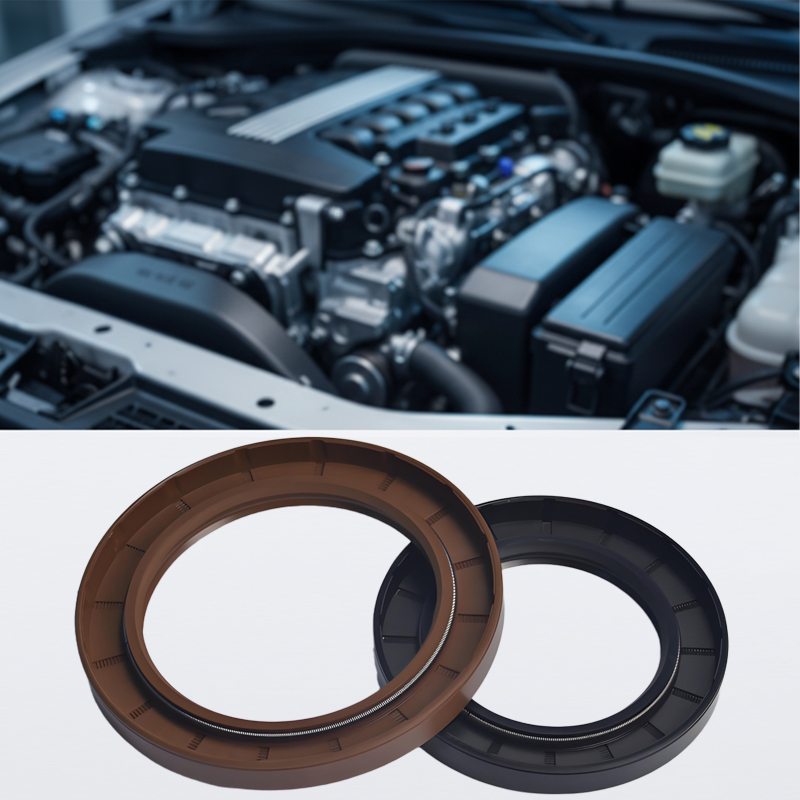
Engine Oil Seal - Leak Prevention & Protection

All Categories

engine oil seal

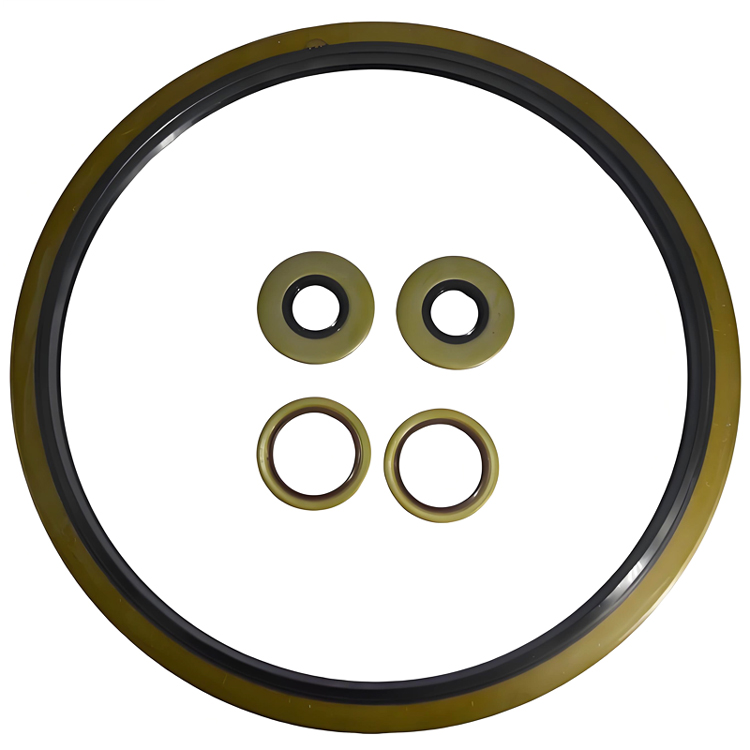
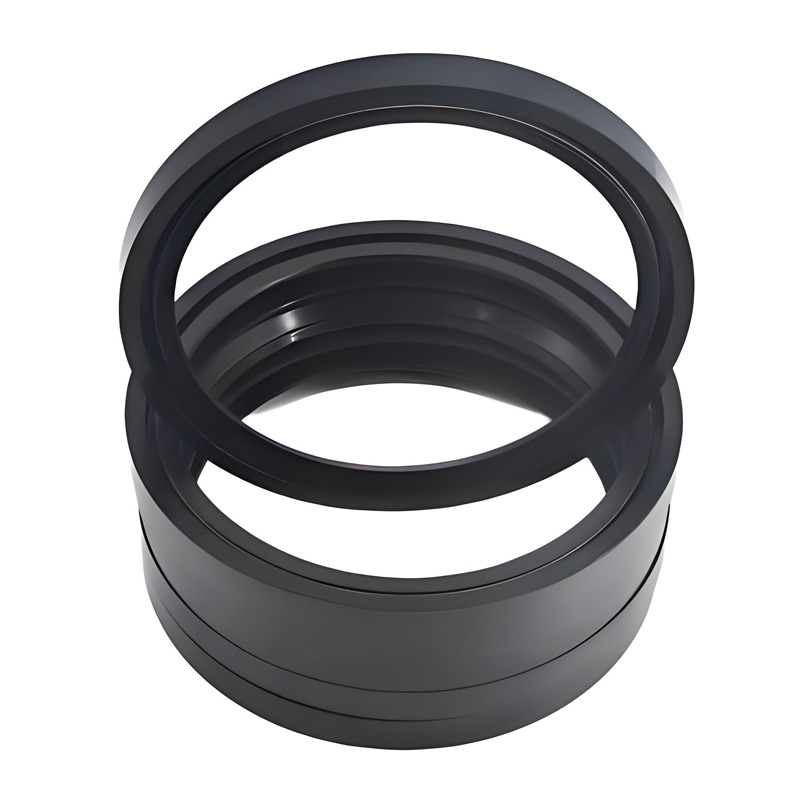
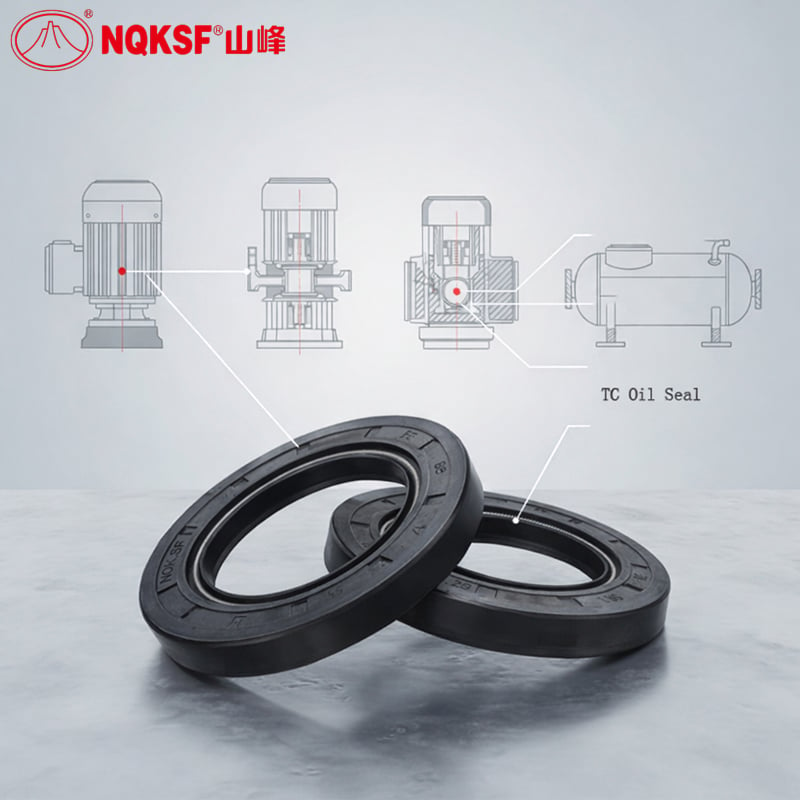
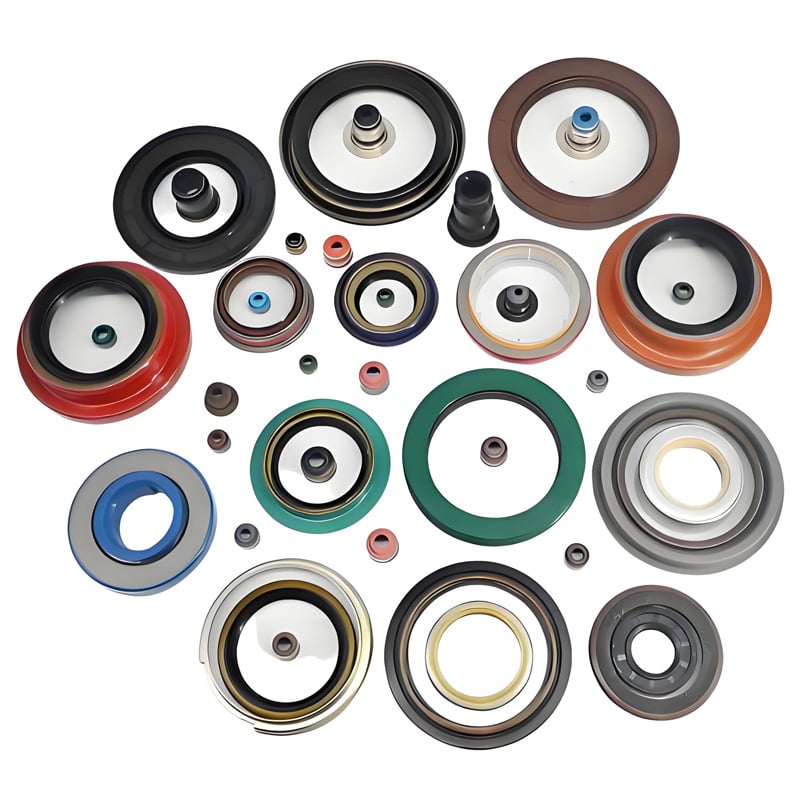
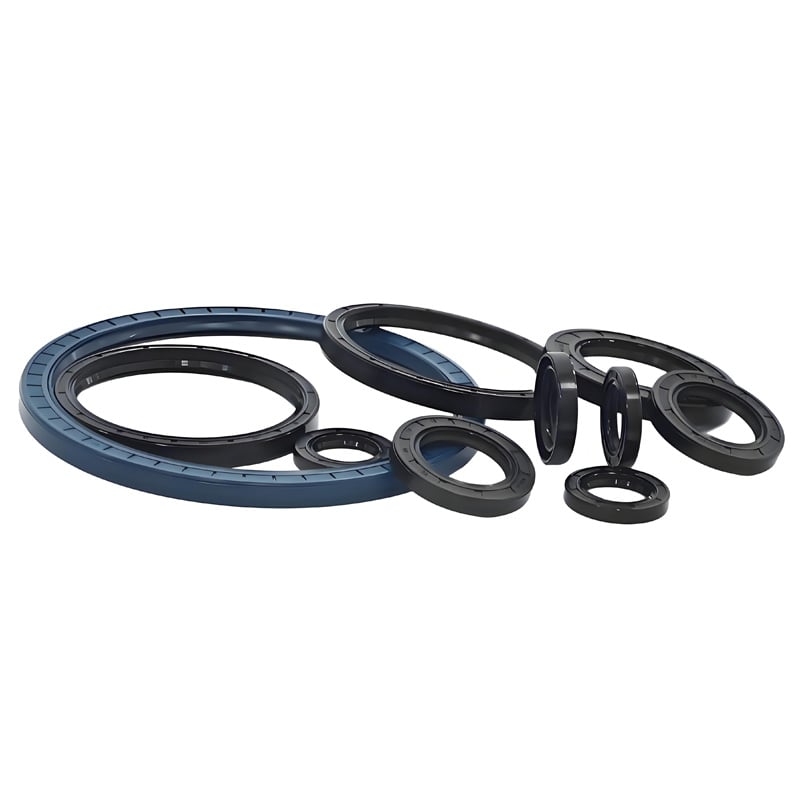
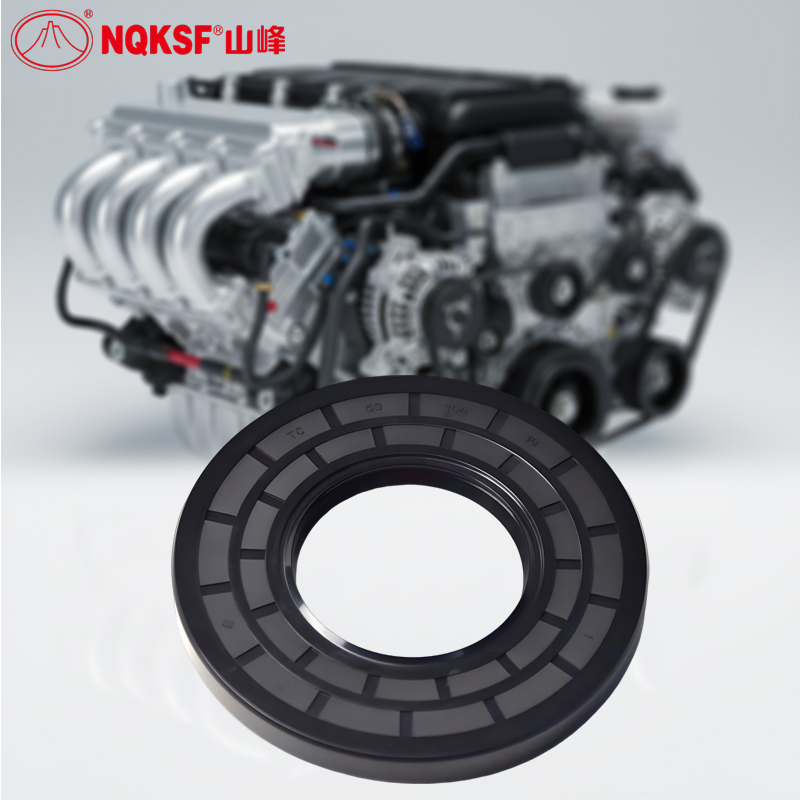
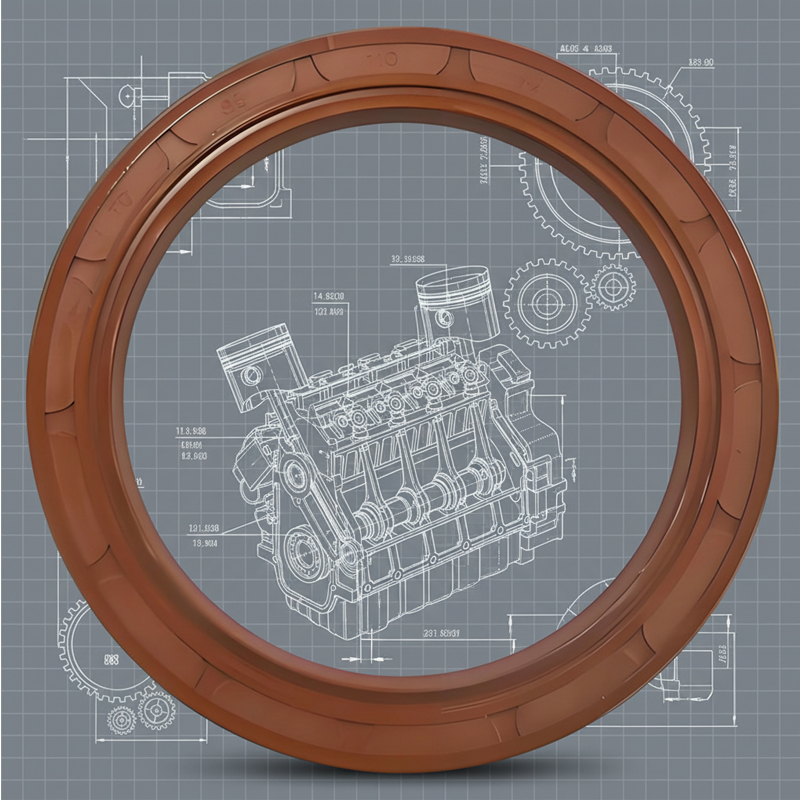
An engine oil seal represents a critical component designed to prevent lubricant leakage and contamination within your vehicle's engine system. This specialized seal functions as a barrier between moving and stationary engine parts, maintaining optimal oil pressure while protecting internal mechanisms from external debris and moisture. The engine oil seal operates by creating a secure boundary that keeps engine oil contained where it belongs. Whether positioned around the crankshaft, camshaft, or other vital engine components, this seal performs the essential task of preventing costly oil loss and engine damage. Modern engine oil seal designs incorporate advanced elastomer materials and precision engineering to withstand extreme temperatures and continuous mechanical stress. Technologically, contemporary engine oil seals feature dual-lip construction that enhances sealing effectiveness and durability. The primary lip maintains contact with rotating shafts while the secondary lip prevents external contaminants from entering the engine compartment. This engine oil seal innovation has significantly improved engine longevity and reliability across automotive applications. Applications for engine oil seals span across numerous industries including automotive, marine, industrial machinery, and agricultural equipment. Any engine requiring dependable lubrication management benefits from quality engine oil seal installation. From compact passenger vehicles to heavy-duty commercial trucks, engine oil seals remain indispensable for maintaining engine integrity and performance standards. Proper engine oil seal maintenance ensures your engine operates efficiently and reliably for extended periods without unexpected failures or expensive repairs.

Popular Products

Choosing a quality engine oil seal offers substantial benefits that directly impact your vehicle's performance and longevity. The primary advantage lies in superior leak prevention—a properly functioning engine oil seal eliminates unwanted oil seepage that would otherwise compromise engine efficiency and create environmental hazards. Operational benefits begin immediately upon installation. Your engine oil seal maintains consistent oil circulation by preventing pressure loss, ensuring adequate lubrication reaches all critical engine components. This consistent performance directly translates to reduced engine wear, smoother operation, and improved fuel efficiency throughout your vehicle's lifespan. The practical value of an engine oil seal extends far beyond simple containment. By keeping contaminants out of your engine, this component protects against premature component degradation and catastrophic engine failure. Water, dirt, and particulates cannot infiltrate protected engine areas when your engine oil seal functions correctly. Cost savings represent another compelling advantage of installing a reliable engine oil seal. Preventing oil leaks avoids costly engine repairs, reduces frequent top-offs, and eliminates potential liability from environmental spills. Many vehicle owners discover that investing in quality engine oil seal replacement prevents thousands of dollars in future engine damage. Application suitability makes engine oil seal selection important across diverse machinery types. Whether you operate passenger vehicles, commercial equipment, or industrial machinery, selecting the appropriate engine oil seal specification ensures optimal protection. Easy installation procedures mean minimal downtime during maintenance procedures. Decision-useful context shows that engine oil seal failure symptoms include oil spots beneath parked vehicles, burning oil smells, and visible oil residue around engine areas. Addressing these signs promptly by replacing your engine oil seal prevents cascading failures and maintains engine reliability.

Tips And Tricks

Why are rubber o rings preferred for high-vibration environments?

11

Aug

Why are rubber o rings preferred for high-vibration environments?

High-vibration environments present unique challenges for sealing systems, and rubber o rings have become the industry standard for managing these demanding conditions. The selection of sealing components in machinery subjected to constant oscillatio...
View More
How Do TC Oil Seals Compare to Other Seal Types?

03

Jun

How Do TC Oil Seals Compare to Other Seal Types?

Understanding the differences between TC oil seals and other seal types is crucial for engineers and maintenance professionals selecting the right sealing solution for their applications. TC oil seals, also known as rotary shaft seals or lip seals, r...
View More
How to identify a genuine auto oil seal in the aftermarket?

03

Jun

How to identify a genuine auto oil seal in the aftermarket?

The automotive aftermarket presents significant challenges when trying to distinguish genuine auto oil seal products from counterfeit alternatives. With the proliferation of substandard sealing solutions flooding the market, automotive technicians an...
View More
What materials are essential for a reliable high pressure oil seal?

22

Jul

What materials are essential for a reliable high pressure oil seal?

Understanding the material composition of a high pressure oil seal is fundamental to ensuring optimal performance in demanding hydraulic and industrial applications. The selection of appropriate materials directly determines the seal's ability to wit...
View More

Get a Free Quote

Our representative will contact you soon.
Email
Telephone
Name
Company Name
Message
0/1000

engine oil seal

Advanced Leak Prevention Technology

Advanced Leak Prevention Technology

Modern engine oil seal designs incorporate sophisticated engineering that delivers exceptional leak prevention capabilities. The dual-lip configuration found in quality engine oil seal products creates redundant protection against fluid escape, with precision-machined contact surfaces ensuring tight seals even under extreme operating conditions. This engine oil seal innovation prevents oil loss while maintaining consistent system pressure, crucial for optimal engine lubrication. The advanced materials used in contemporary engine oil seal construction withstand temperature fluctuations from sub-zero startup conditions to high-heat operating environments. By implementing superior leak prevention, your engine oil seal protects expensive engine internals from costly damage and ensures your vehicle maintains proper oil levels between service intervals without excessive top-offs or environmental contamination.
Extended Engine Component Protection

Extended Engine Component Protection

Your engine oil seal serves as the primary defense mechanism protecting internal engine components from harmful contaminants and moisture infiltration. This protective barrier prevents water, dirt, and atmospheric pollutants from entering sealed engine compartments where they would cause rust, corrosion, and component failure. The engine oil seal's ability to maintain compartment integrity directly extends the operational lifespan of critical engine parts including bearings, seals, and precision-machined surfaces. By keeping the engine oil seal in optimal condition, you actively prevent premature wear that would necessitate expensive engine overhauls or complete engine replacement. Quality engine oil seal materials resist degradation from petroleum products, thermal stress, and mechanical abrasion, ensuring long-term protective capability throughout the engine's operational life.

Improved Fuel Efficiency and Performance

Improved Fuel Efficiency and Performance

An efficiently functioning engine oil seal contributes significantly to overall engine performance and fuel economy improvements. When your engine oil seal maintains proper oil containment and pressure, all engine components receive consistent lubrication, reducing internal friction and mechanical resistance. This frictionless operation means your engine operates at peak efficiency, consuming less fuel while delivering optimal power output. The engine oil seal prevents oil pressure loss that would otherwise force your engine to work harder compensating for inadequate lubrication, resulting in noticeable fuel efficiency gains over time. Vehicle owners consistently report improved acceleration, smoother shifting, and quieter engine operation after installing a quality engine oil seal replacement. These performance benefits demonstrate how such a seemingly small component delivers measurable improvements to your driving experience and operating economy.

Get a Free Quote

Our representative will contact you soon.
Email
Telephone
Name
Company Name
Message
0/1000