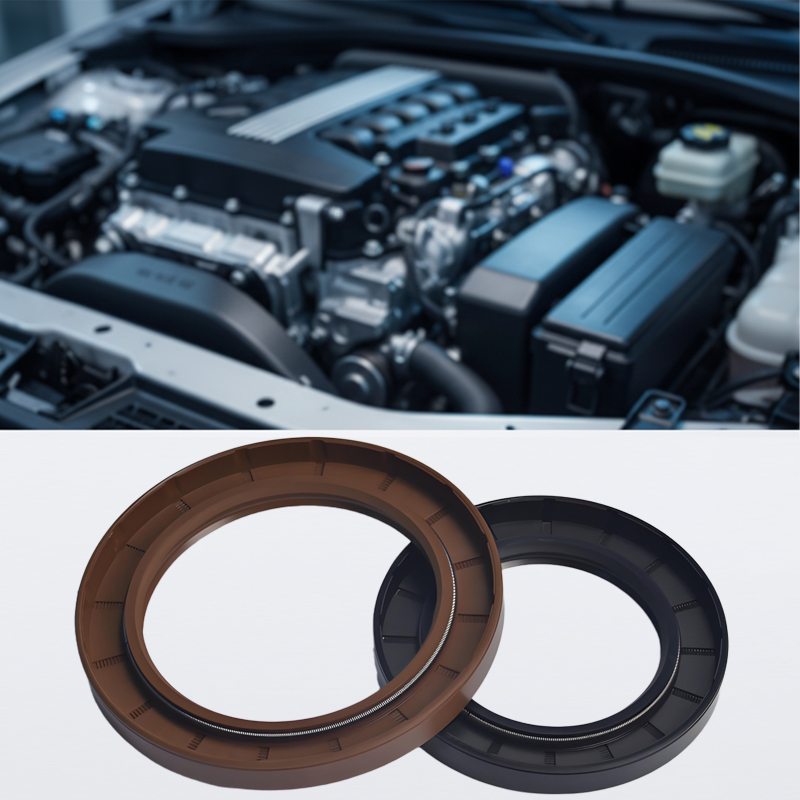
Premium Engine Oil Seals - Advanced Automotive Sealing Solutions for Maximum Performance

All Categories

engine oil seal

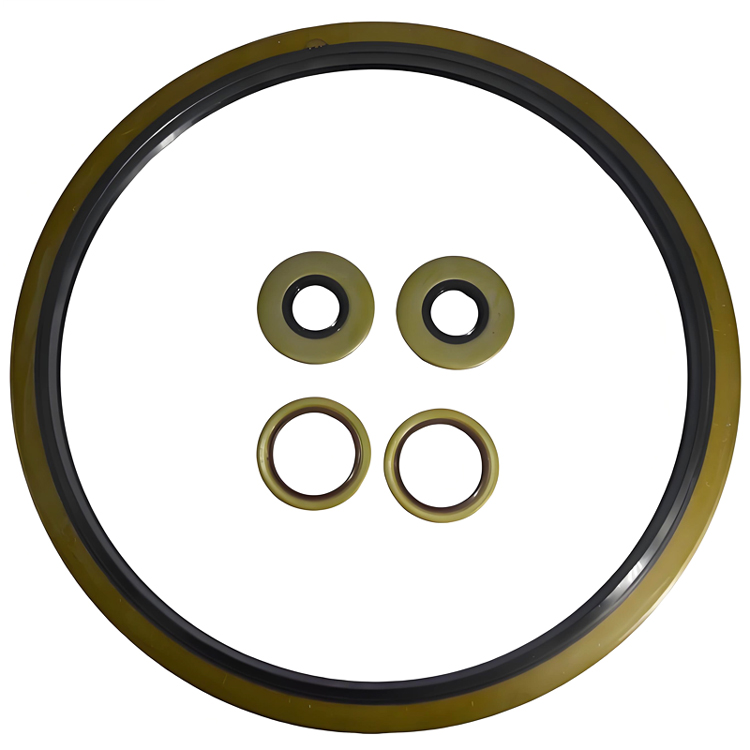
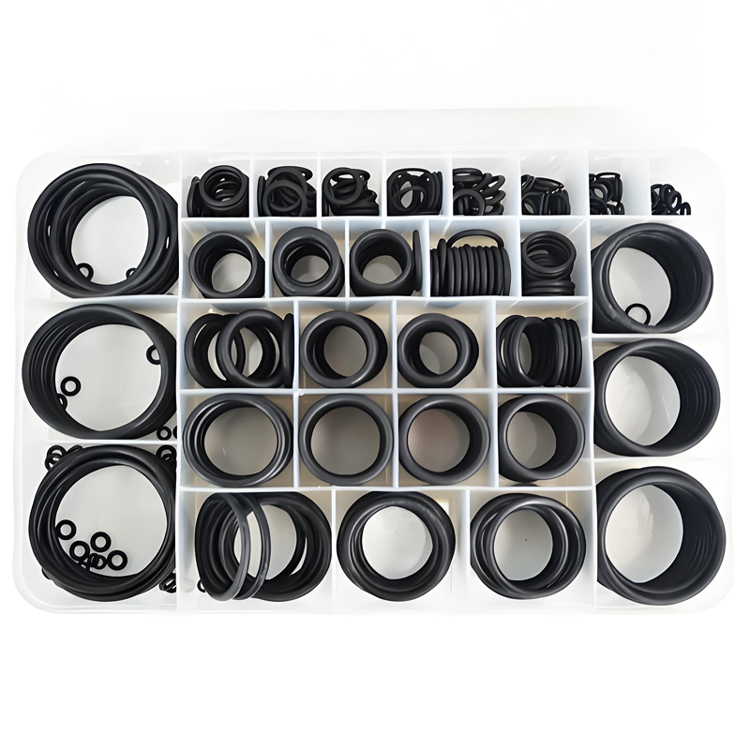
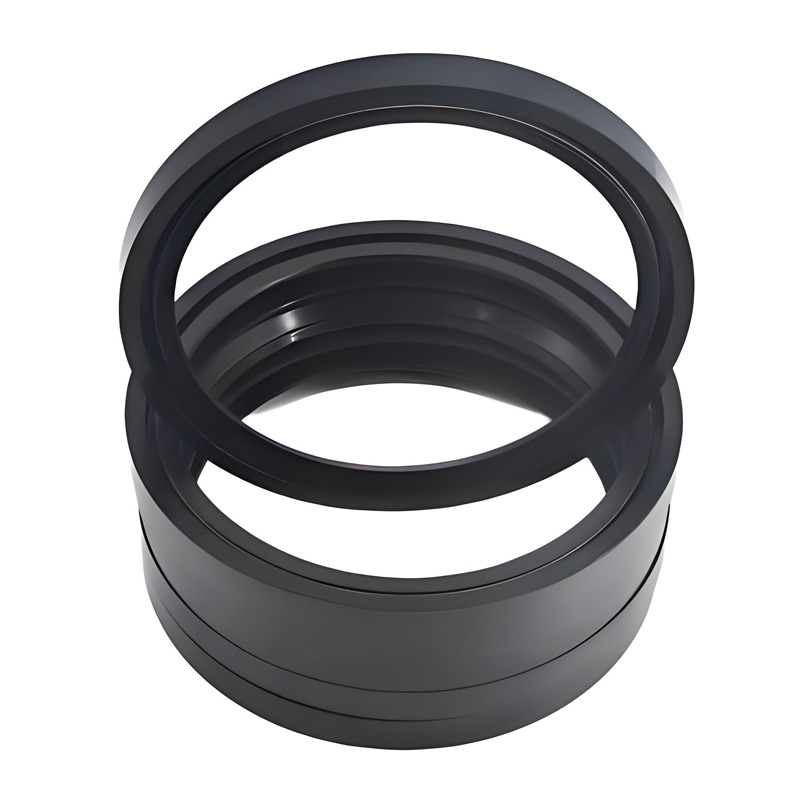
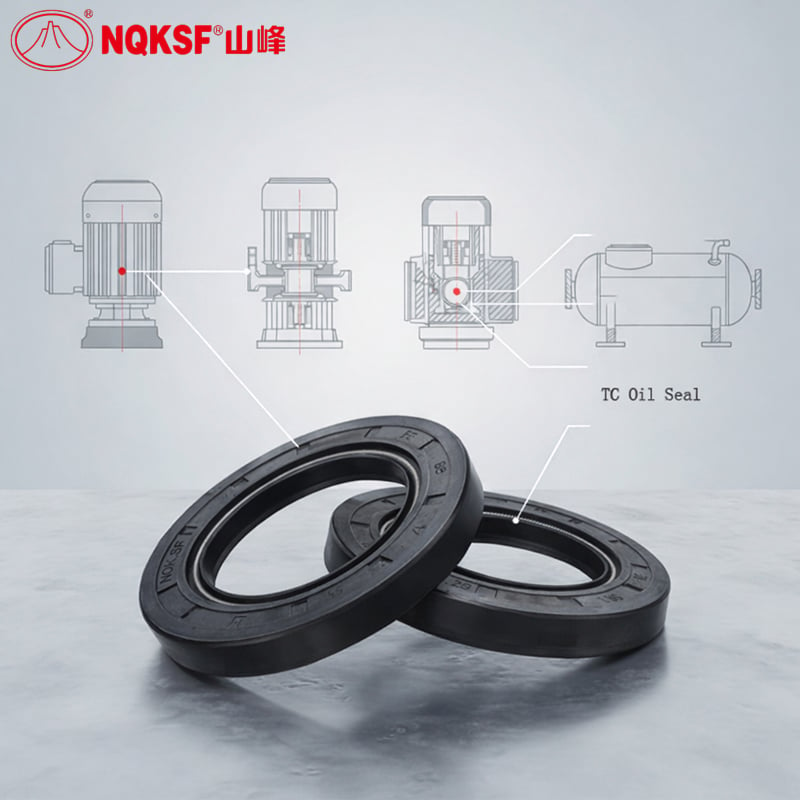
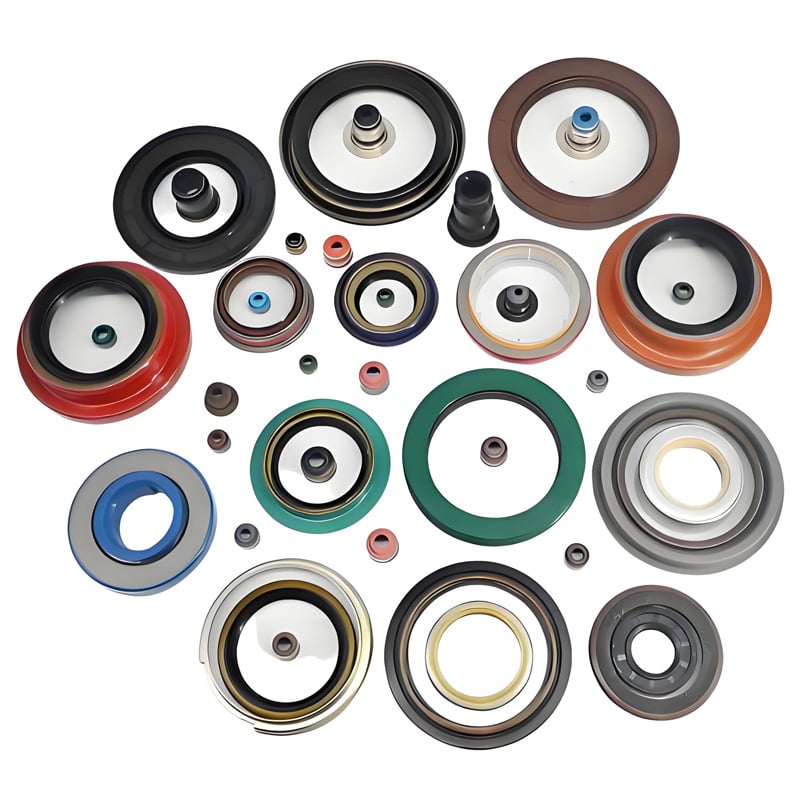
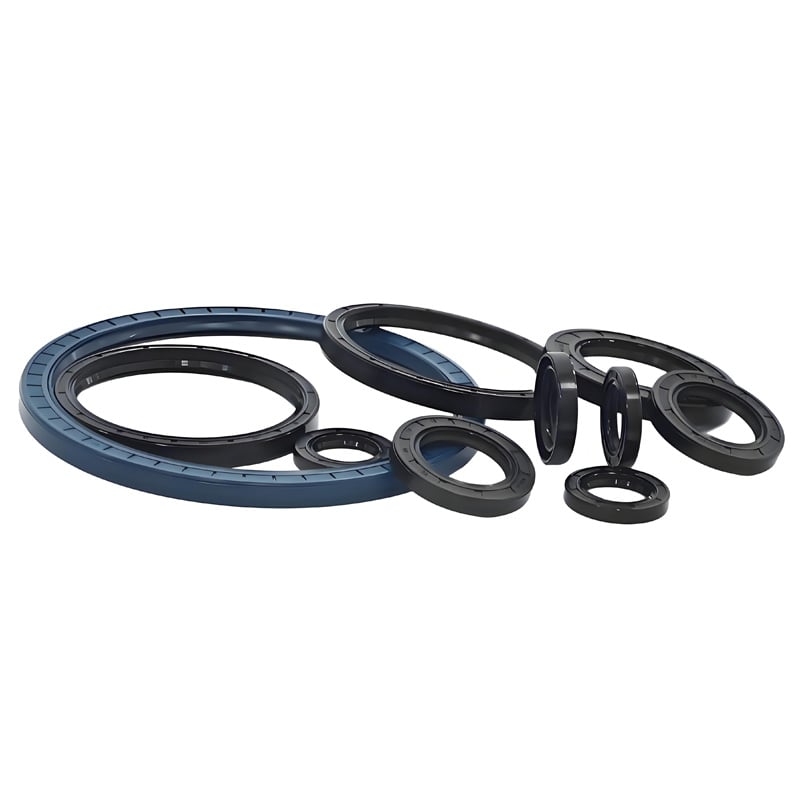
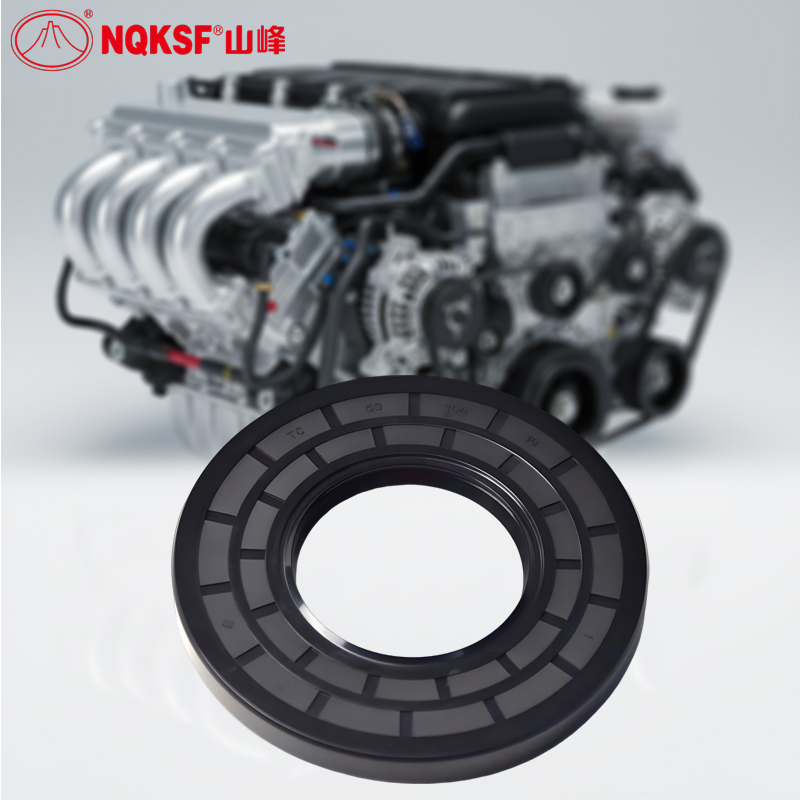
An engine oil seal represents a critical component in automotive engineering, designed specifically to contain lubricating oil within engine compartments while preventing external contaminants from entering sensitive mechanical systems. These precision-engineered sealing devices serve as protective barriers that maintain optimal lubrication conditions essential for engine performance and longevity. The engine oil seal operates through sophisticated sealing mechanisms that create tight interfaces between rotating and stationary engine components, effectively controlling oil flow and preventing leakage that could compromise engine functionality. Modern engine oil seals incorporate advanced materials including high-performance elastomers, synthetic rubber compounds, and specialized polymers that withstand extreme temperatures, chemical exposure, and mechanical stress encountered in automotive environments. The technological features of these sealing solutions include precision-molded profiles, reinforced spring mechanisms, and surface treatments that enhance sealing effectiveness under varying operational conditions. Engine oil seals find extensive applications across diverse automotive sectors, from passenger vehicles to heavy-duty commercial trucks, marine engines, and industrial machinery. Their implementation spans critical sealing points including crankshaft seals, camshaft seals, transmission seals, and differential seals, where maintaining oil integrity directly impacts mechanical reliability. The manufacturing process involves specialized molding techniques that ensure dimensional accuracy and material consistency, enabling these components to function reliably across extended service intervals. Quality engine oil seals undergo rigorous testing protocols to validate performance characteristics including temperature resistance, chemical compatibility, and dynamic sealing capability. These comprehensive evaluation procedures ensure that each engine oil seal meets stringent automotive standards for durability, performance, and safety. The strategic placement of engine oil seals throughout automotive systems creates comprehensive protection against oil loss while maintaining optimal lubrication distribution to critical engine components.

New Products

Engine oil seals deliver exceptional performance benefits that directly translate into cost savings and enhanced vehicle reliability for automotive owners and operators. These specialized sealing components prevent costly oil leakage that could lead to engine damage, environmental contamination, and expensive repair procedures. By maintaining proper oil retention, engine oil seals ensure consistent lubrication delivery to critical engine components, reducing friction and wear that would otherwise accelerate mechanical deterioration. The superior sealing capability of modern engine oil seals extends engine service life significantly, allowing automotive systems to operate efficiently across extended mileage intervals without premature component failure. Vehicle owners experience reduced maintenance costs when reliable engine oil seals maintain optimal sealing performance, eliminating frequent oil top-offs and preventing damage to surrounding engine components caused by oil contamination. The advanced material composition of quality engine oil seals provides excellent resistance to temperature fluctuations, chemical exposure, and mechanical stress, ensuring consistent performance across diverse operating conditions. These durable sealing solutions withstand harsh automotive environments including extreme temperatures, high-pressure conditions, and exposure to various automotive fluids without compromising sealing integrity. Engine oil seals contribute to improved fuel efficiency by maintaining proper lubrication systems that reduce internal friction and optimize engine performance characteristics. The precise engineering of these sealing components ensures minimal power loss through reduced friction coefficients, translating into better fuel economy and lower operational costs for vehicle operators. Installation of premium engine oil seals provides long-term protection against environmental factors that could compromise engine performance, including dust, moisture, and road debris. The reliability of professional-grade engine oil seals reduces unexpected breakdowns and emergency repairs, providing peace of mind for vehicle owners who depend on consistent transportation. Quality engine oil seals maintain clean engine compartments by preventing oil seepage that could attract dirt accumulation and create unsightly staining on engine surfaces. These sealing solutions support environmental responsibility by preventing oil leaks that could contaminate soil and waterways, demonstrating commitment to sustainable automotive practices.

Latest News

What Are the Main Advantages of Using Shaft Oil Seals in Industrial Equipment?

27

Nov

What Are the Main Advantages of Using Shaft Oil Seals in Industrial Equipment?

Industrial machinery operates under demanding conditions where contamination, fluid leakage, and component wear can lead to costly downtime and equipment failure. Shaft oil seals represent one of the most critical components in maintaining machinery ...
View More
Which Rubber Oil Seal Materials Fit Heavy-Duty Machinery?

06

Jan

Which Rubber Oil Seal Materials Fit Heavy-Duty Machinery?

Heavy-duty machinery operates under extreme conditions that demand reliable sealing solutions to prevent fluid leakage and contamination. The selection of appropriate rubber oil seal materials plays a critical role in maintaining equipment performanc...
View More
Which Sealing Ring Specifications Matter for Industrial Applications?

06

Jan

Which Sealing Ring Specifications Matter for Industrial Applications?

Industrial sealing applications demand precise attention to ring specification details that directly impact operational efficiency and system reliability. Understanding the critical parameters that define effective sealing performance helps engineers...
View More
What Is the Correct Installation Method for Oil Seals?

06

Jan

What Is the Correct Installation Method for Oil Seals?

Fundamentals of Proper Oil Seal Installation in Mechanical Systems Correct installation is one of the most critical factors affecting Oil Seal performance and service life. Even a high-quality Oil Seal can fail prematurely if it is installed incorrec...
View More

Get a Free Quote

Our representative will contact you soon.
Email
Telephone
Name
Company Name
Message
0/1000

engine oil seal

Advanced Material Technology for Superior Durability

Advanced Material Technology for Superior Durability

Engine oil seals manufactured with cutting-edge material technology represent the pinnacle of sealing innovation, incorporating advanced polymer compounds and reinforced elastomer formulations that deliver unmatched durability and performance consistency. The sophisticated material science behind modern engine oil seals involves carefully selected synthetic rubber compounds that exhibit exceptional resistance to thermal cycling, chemical degradation, and mechanical fatigue. These high-performance materials undergo specialized vulcanization processes that create molecular cross-linking structures, enhancing the overall strength and flexibility of the engine oil seal under demanding operational conditions. The integration of carbon black reinforcement and specialized additives within the material matrix provides enhanced tear resistance and improved dimensional stability across temperature extremes. Quality engine oil seals utilize fluorocarbon elastomers and nitrile rubber compounds that maintain sealing effectiveness even when exposed to aggressive automotive fluids including synthetic oils, coolants, and fuel additives. The material selection process for premium engine oil seals considers factors including temperature range compatibility, chemical resistance requirements, and dynamic sealing performance characteristics specific to automotive applications. Advanced manufacturing techniques ensure uniform material distribution throughout each engine oil seal, eliminating weak points that could compromise sealing integrity during extended service intervals. The superior material technology enables these sealing components to maintain flexibility and sealing force across temperature ranges from sub-zero conditions to elevated engine operating temperatures exceeding 150 degrees Celsius. This exceptional temperature stability ensures that engine oil seals continue providing effective sealing performance regardless of climate conditions or engine loading scenarios. The chemical resistance properties of modern engine oil seal materials prevent degradation when exposed to modern synthetic lubricants, biodiesel fuels, and advanced engine additives commonly used in contemporary automotive applications. Quality assurance procedures validate material performance through accelerated aging tests that simulate years of automotive service, ensuring long-term reliability and consistent sealing performance throughout the operational life of the engine oil seal.
Precision Engineering for Optimal Sealing Performance

Precision Engineering for Optimal Sealing Performance

The precision engineering excellence of modern engine oil seals encompasses sophisticated design methodologies and manufacturing techniques that create sealing solutions capable of maintaining leak-proof performance under the most demanding automotive conditions. Each engine oil seal undergoes meticulous design analysis that considers factors including shaft runout tolerance, surface finish requirements, and dynamic sealing pressure characteristics specific to particular automotive applications. The engineering process involves computational fluid dynamics modeling that optimizes seal lip geometry and contact pressure distribution to achieve maximum sealing effectiveness while minimizing friction and wear. Advanced manufacturing technologies including injection molding and precision machining ensure that every engine oil seal meets exacting dimensional tolerances required for proper installation and optimal sealing performance. The sophisticated design of engine oil seals incorporates multiple sealing elements including primary sealing lips, secondary dust lips, and spring-loaded mechanisms that maintain consistent contact pressure throughout the operational life of the component. Quality engine oil seals feature precisely engineered spring systems that automatically compensate for normal wear patterns, ensuring maintained sealing force even as contact surfaces experience gradual deterioration over extended service intervals. The geometric optimization of sealing lip profiles creates hydrodynamic pumping action that prevents oil migration while allowing controlled lubrication of the sealing interface. Engineering excellence in engine oil seal design includes consideration of thermal expansion coefficients and material compatibility factors that prevent premature failure due to thermal cycling or chemical incompatibility. The manufacturing process incorporates statistical process control methodologies that monitor critical dimensions and material properties throughout production, ensuring consistent quality and performance characteristics for every engine oil seal. Specialized testing equipment validates the sealing performance of each production batch through dynamic testing procedures that simulate actual automotive operating conditions including temperature cycling, pressure variations, and rotational speeds. The precision engineering approach extends to packaging and handling procedures that protect engine oil seals from contamination and damage during transportation and storage, maintaining component integrity until installation.
Comprehensive Application Versatility Across Automotive Systems

Comprehensive Application Versatility Across Automotive Systems

The remarkable application versatility of engine oil seals enables their successful implementation across diverse automotive systems and industrial machinery, providing reliable sealing solutions for numerous critical interfaces where oil containment and contamination prevention are essential. Modern engine oil seals serve multiple automotive applications including crankshaft main seals, camshaft timing seals, transmission input and output seals, differential pinion seals, and various accessory drive seals throughout vehicle powertrains. The adaptable design characteristics of quality engine oil seals accommodate different shaft diameters, housing configurations, and operational parameters specific to various automotive manufacturers and model specifications. Versatile engine oil seals provide effective sealing solutions for both rotational and oscillating applications, demonstrating exceptional performance across different motion profiles and loading conditions encountered in automotive systems. The comprehensive application range extends beyond passenger vehicles to include heavy-duty commercial trucks, agricultural equipment, construction machinery, marine engines, and industrial power transmission systems where reliable oil sealing is critical for operational success. Engine oil seals designed for specific applications incorporate customized material formulations and geometric features that optimize performance for particular operational environments including high-temperature applications, high-pressure systems, and exposure to specialized fluids. The standardized sizing and configuration options available for engine oil seals simplify replacement procedures and ensure compatibility across multiple vehicle platforms and equipment types. Quality manufacturers provide comprehensive application guides and technical support resources that assist automotive technicians and equipment operators in selecting appropriate engine oil seals for specific sealing requirements. The modular design approach used in modern engine oil seal development enables efficient inventory management and reduces the number of unique part numbers required to service diverse automotive applications. Professional-grade engine oil seals undergo application-specific testing procedures that validate performance characteristics under conditions representative of actual service environments, ensuring reliable operation across the intended application range. The continuous development of new engine oil seal configurations addresses evolving automotive technologies including hybrid powertrains, advanced transmission systems, and alternative fuel applications that present unique sealing challenges and performance requirements.

Get a Free Quote

Our representative will contact you soon.
Email
Telephone
Name
Company Name
Message
0/1000