Rotary Shaft Seal Types Guide

All Categories

rotary shaft seal types

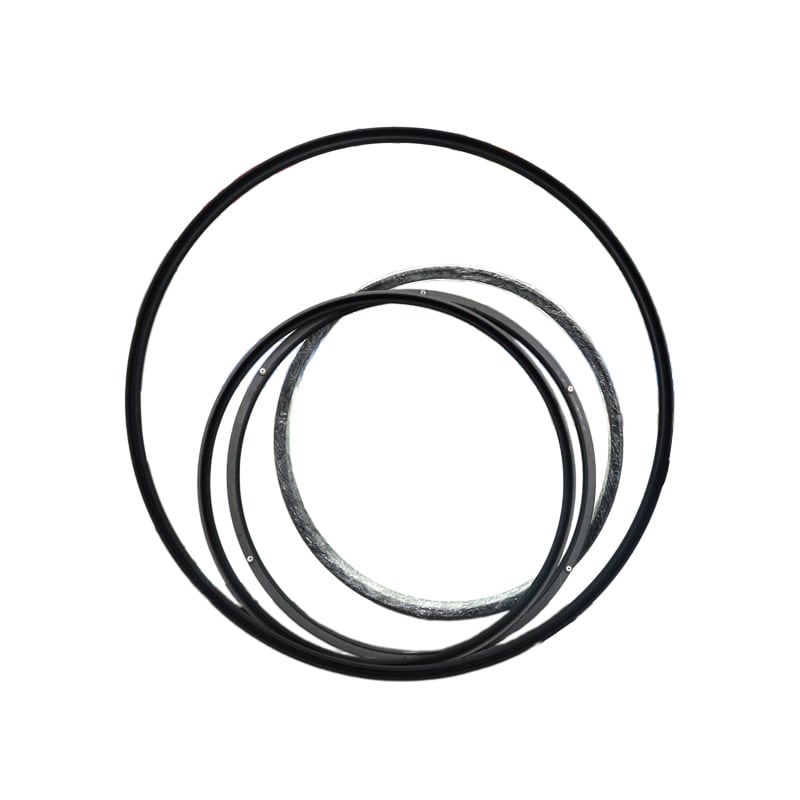
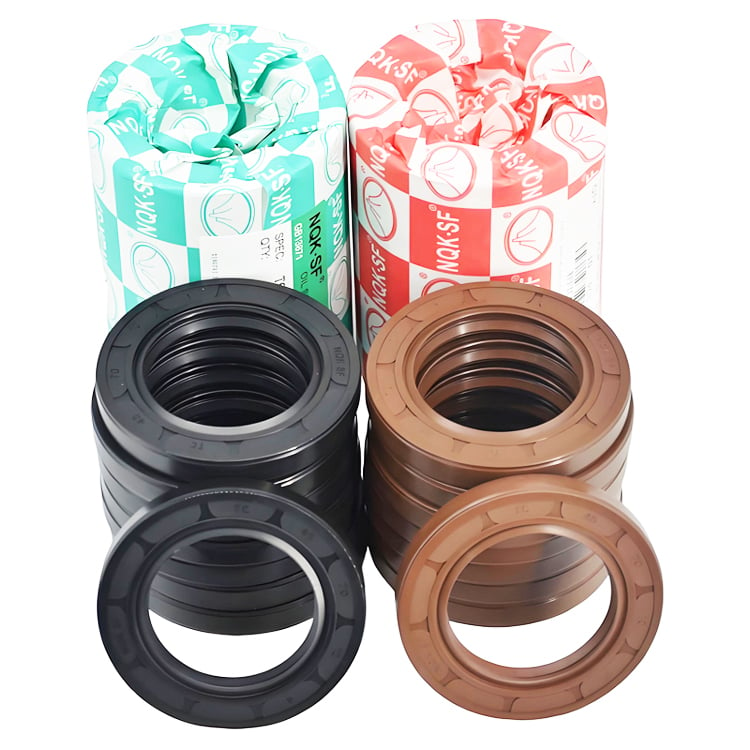
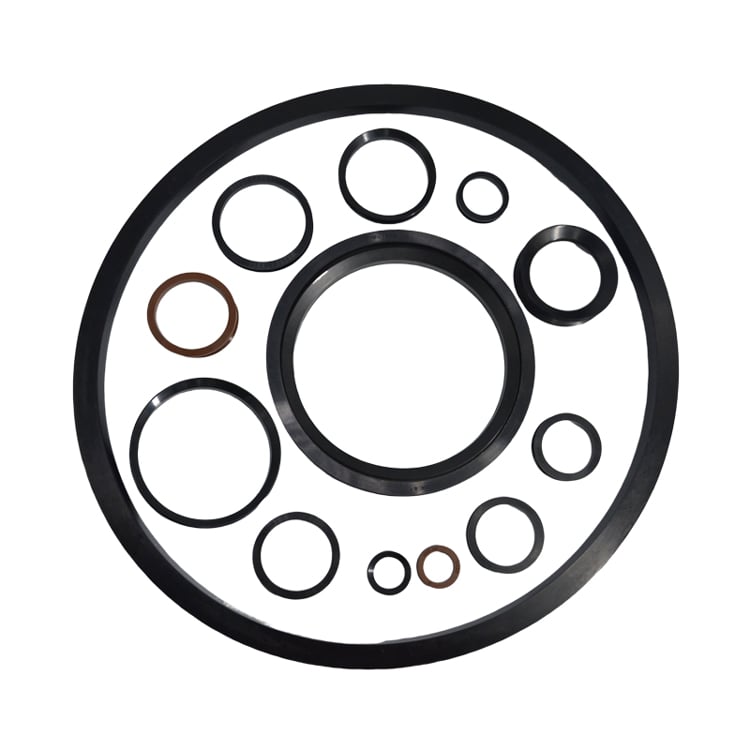
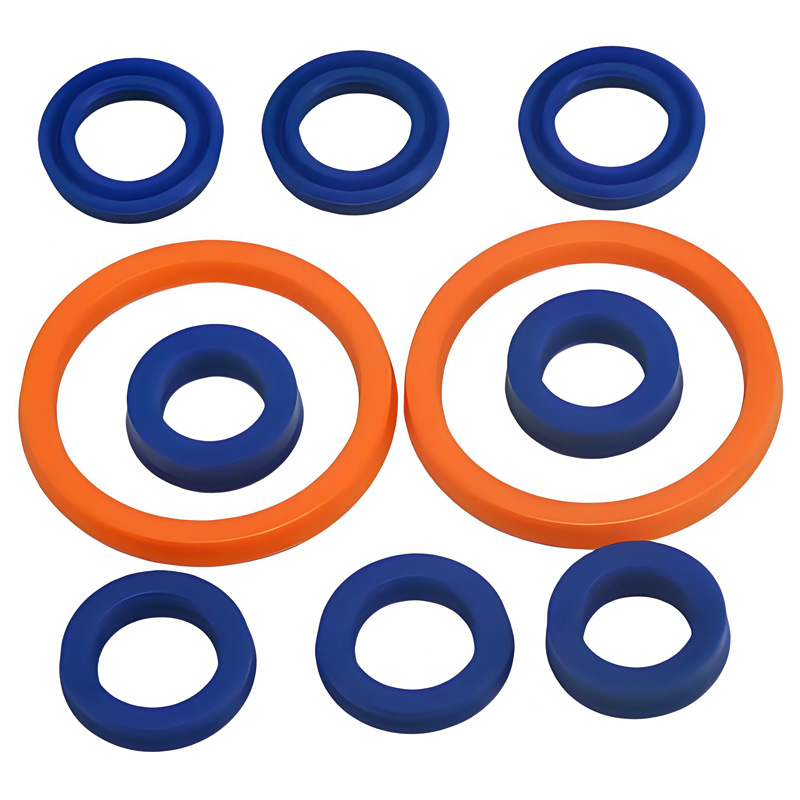
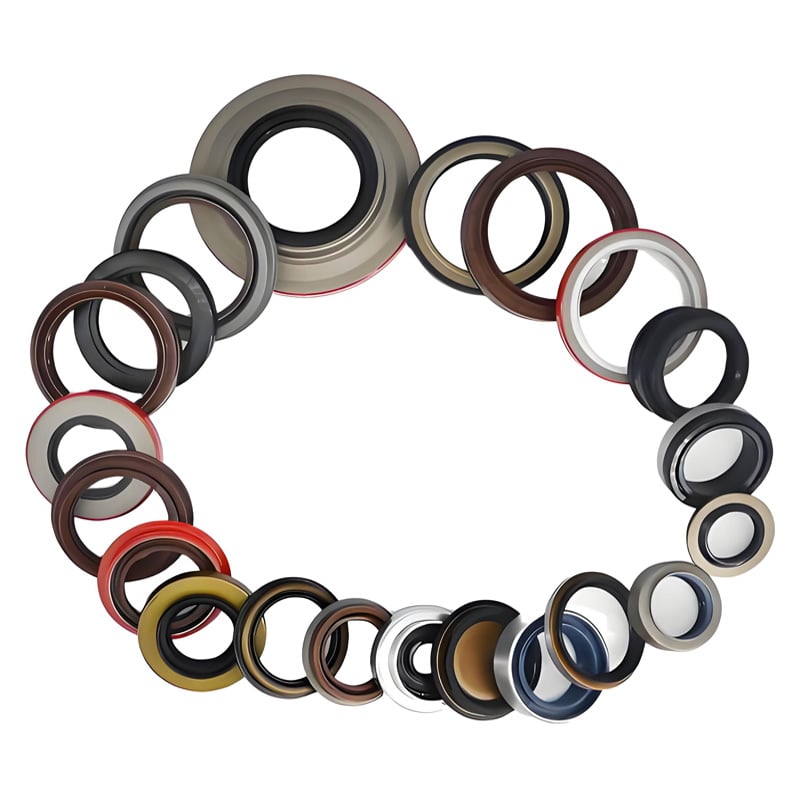
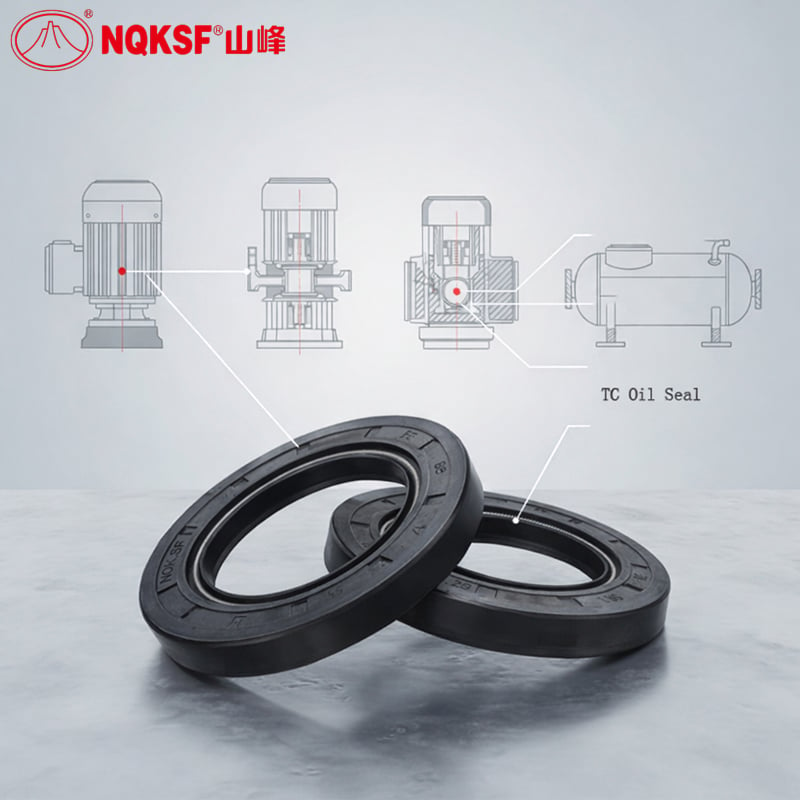
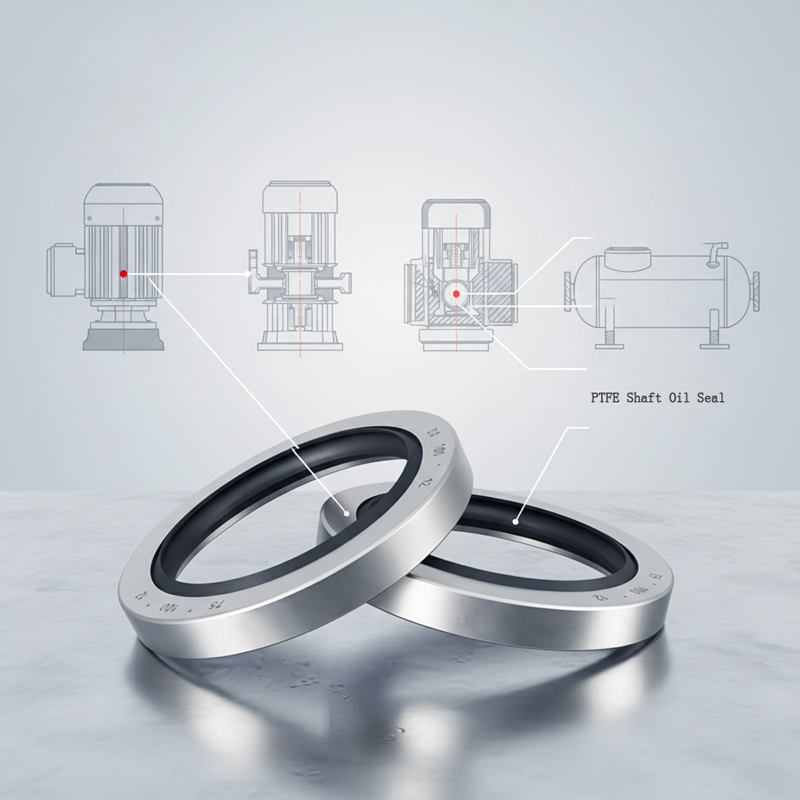
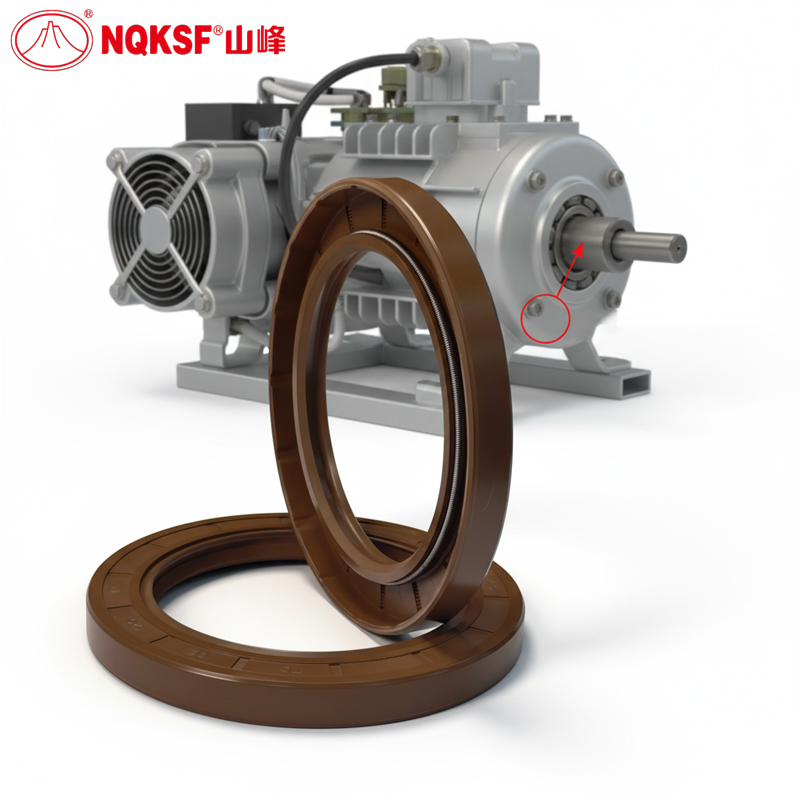
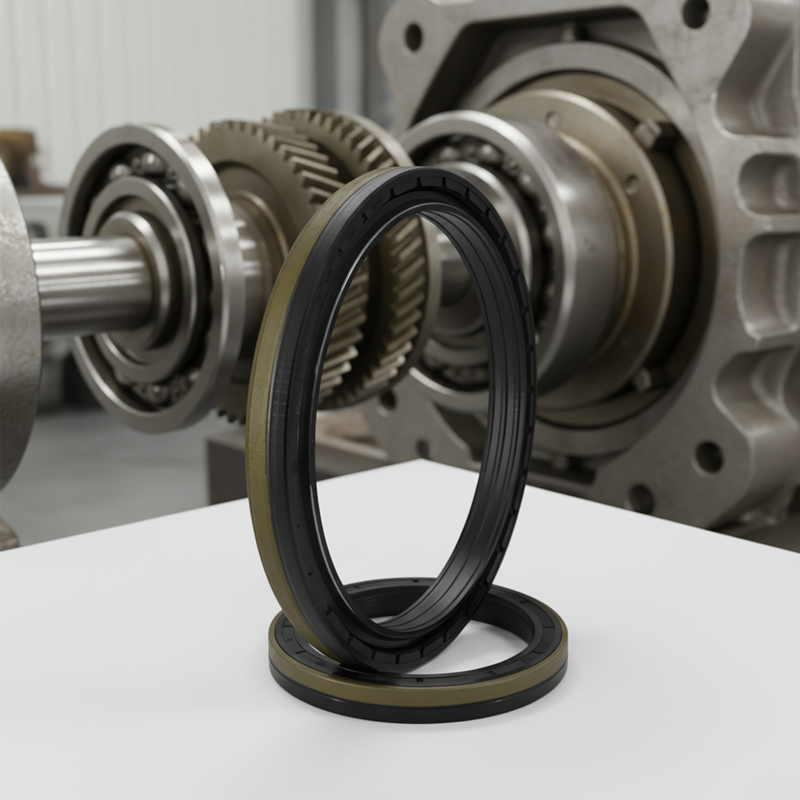
Rotary shaft seal types represent essential components designed to prevent fluid leakage and contamination in rotating machinery. These seals maintain system integrity by creating a barrier between the rotating shaft and the stationary housing, protecting vital equipment from operational failures. Understanding different rotary shaft seal types is crucial for selecting the right solution for your specific application requirements. The primary function of rotary shaft seal types involves containing pressurized fluids while preventing external contaminants from entering the sealed chamber. These mechanical devices accommodate shaft rotation while maintaining a reliable seal, ensuring consistent performance across various industrial environments. Modern rotary shaft seal types employ advanced materials and precision engineering to deliver superior reliability and extended service life. Technologically, rotary shaft seal types feature sophisticated design elements including dual-lip configurations, spring-energized mechanisms, and elastomer compounds that withstand extreme temperatures and pressures. These innovations enable rotary shaft seal types to operate effectively in demanding conditions, from automotive transmissions to industrial pumps and compressors. Applications for rotary shaft seal types span numerous industries including automotive, aerospace, marine, and manufacturing sectors. Whether protecting hydraulic systems, protecting lubricated bearings, or containing refrigerant in cooling systems, rotary shaft seal types provide dependable performance. The versatility of rotary shaft seal types makes them indispensable in equipment requiring shaft rotation while maintaining fluid containment and environmental protection.

New Product Releases

Rotary shaft seal types deliver measurable operational benefits that directly impact your equipment's performance and longevity. These seals prevent costly fluid leaks that damage surrounding components and compromise system efficiency, saving you significant maintenance expenses and unexpected downtime. By choosing appropriate rotary shaft seal types, you eliminate contamination risks that would otherwise degrade lubricants and reduce equipment lifespan substantially. The practical advantages of rotary shaft seal types include extended maintenance intervals, reduced replacement frequency, and lower total operational costs. These seals accommodate high-speed shaft rotation while maintaining consistent sealing performance, enabling your machinery to operate reliably under demanding conditions. Rotary shaft seal types eliminate the need for frequent inspections and adjustments, streamlining your maintenance schedule and improving productivity. Operational benefits emerge through improved system reliability and reduced environmental contamination. Rotary shaft seal types prevent hazardous fluid leaks that pollute surrounding areas and create safety concerns for personnel. By containing pressurized fluids effectively, rotary shaft seal types protect your facility's environmental compliance status and reputation. The application suitability of rotary shaft seal types spans diverse industry sectors with varying requirements. Whether you operate automotive transmissions, industrial pumps, or aerospace equipment, appropriate rotary shaft seal types ensure optimal performance throughout equipment lifecycles. Their compatibility with multiple shaft sizes, speeds, and fluid types makes rotary shaft seal types the practical choice for diverse sealing challenges. Decision-useful product context shows that selecting the correct rotary shaft seal types prevents costly failures, minimizes maintenance burdens, and maximizes return on equipment investment. Modern rotary shaft seal types incorporate durable elastomer materials and precision manufacturing, delivering exceptional value compared to traditional alternatives. This makes rotary shaft seal types the intelligent choice for organizations prioritizing operational excellence and cost efficiency.

Practical Tips

Why is material hardness vital for a hydraulic oil seal under pressure?

11

Aug

Why is material hardness vital for a hydraulic oil seal under pressure?

Material hardness stands as one of the most critical factors determining whether a hydraulic oil seal can withstand extreme pressures and maintain system integrity over time. When hydraulic systems operate at high pressures, seals face tremendous mec...
View More
How to maintain a shaft oil seal in dusty industrial environments?

29

May

How to maintain a shaft oil seal in dusty industrial environments?

Maintaining a shaft oil seal in dusty industrial environments requires specialized attention to contamination prevention and proactive maintenance protocols. Dust infiltration represents one of the most common causes of premature shaft oil seal failu...
View More
How Do TC Oil Seals Compare to Other Seal Types?

03

Jun

How Do TC Oil Seals Compare to Other Seal Types?

Understanding the differences between TC oil seals and other seal types is crucial for engineers and maintenance professionals selecting the right sealing solution for their applications. TC oil seals, also known as rotary shaft seals or lip seals, r...
View More
How to prevent hardening and cracking in an aging rubber oil seal?

22

Jul

How to prevent hardening and cracking in an aging rubber oil seal?

Preventing hardening and cracking in an aging rubber oil seal requires understanding the fundamental degradation processes that affect these critical sealing components over time. As rubber oil seals age, they undergo chemical and physical changes th...
View More

Get a Free Quote

Our representative will contact you soon.
Email
Telephone
Name
Company Name
Message
0/1000

rotary shaft seal types

Advanced Sealing Technology for Maximum Containment

Advanced Sealing Technology for Maximum Containment

Modern rotary shaft seal types incorporate cutting-edge dual-lip designs with precision-engineered garter springs that maintain consistent contact pressure throughout equipment operation. This advanced technology ensures complete fluid containment while accommodating varying shaft speeds and surface conditions. The elastomer compounds used in contemporary rotary shaft seal types respond dynamically to pressure fluctuations, automatically adjusting their sealing force to maintain optimal performance. This intelligent engineering prevents leakage at critical interfaces while reducing friction and heat generation during operation. Advanced rotary shaft seal types provide superior performance compared to older single-lip designs, delivering extended service intervals and reduced maintenance requirements. The precision manufacturing of rotary shaft seal types ensures minimal leakage rates, protecting your equipment investment and maintaining environmental compliance standards. By investing in advanced rotary shaft seal types, you gain reliable containment technology that performs consistently across demanding industrial applications.
Extended Equipment Lifespan Through Contamination Prevention

Extended Equipment Lifespan Through Contamination Prevention

Rotary shaft seal types protect equipment from catastrophic damage caused by fluid leakage and external contaminant ingress. By maintaining complete separation between internal fluids and external environments, rotary shaft seal types preserve lubricant quality and mechanical integrity throughout equipment lifecycles. This contamination prevention capability prevents accelerated wear on bearings, gears, and other precision components that would otherwise experience premature failure. Equipment protected by appropriate rotary shaft seal types operates reliably for extended periods, maximizing return on capital investment and reducing replacement frequency. The protective barrier created by rotary shaft seal types prevents moisture infiltration that would compromise hydraulic systems and cooling equipment. This extended lifespan benefit translates directly to reduced operational costs and improved facility reliability. Organizations implementing proper rotary shaft seal types experience significant reductions in unscheduled maintenance events and emergency equipment replacements.
Versatile Compatibility Across Multiple Industrial Applications

Versatile Compatibility Across Multiple Industrial Applications

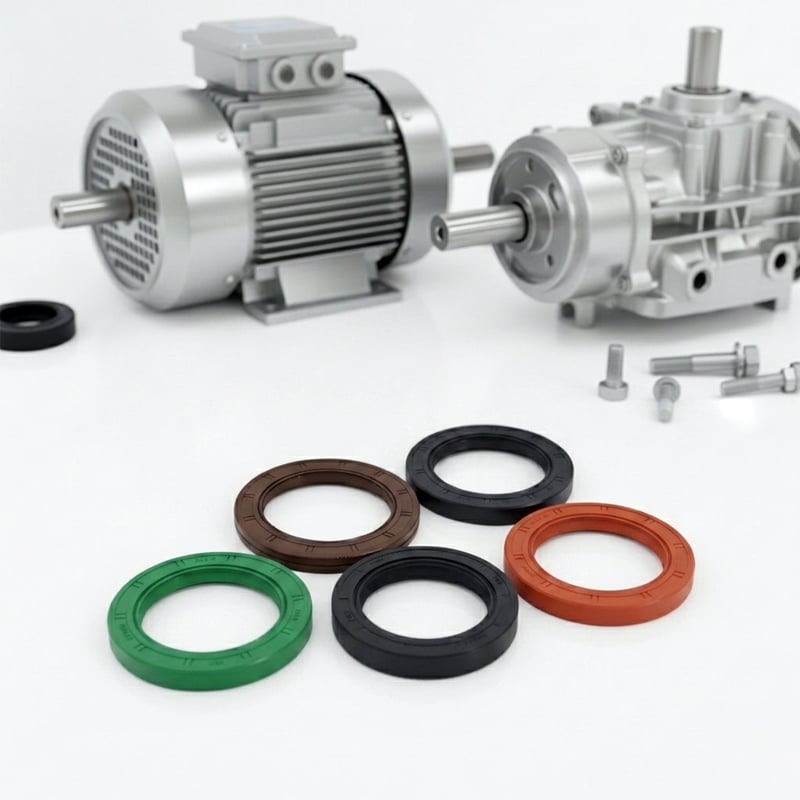
Rotary shaft seal types offer exceptional versatility for diverse sealing requirements across automotive, aerospace, marine, and manufacturing industries. These flexible solutions accommodate varying shaft diameters, rotation speeds, and fluid characteristics without requiring extensive customization or specialized adaptation. Whether protecting transmission systems, pumping equipment, compressors, or electric motors, rotary shaft seal types deliver dependable performance across multiple applications. The standardized design of rotary shaft seal types simplifies inventory management and reduces procurement complexity for organizations operating diverse equipment fleets. This compatibility advantage enables facilities to standardize on proven rotary shaft seal types, streamlining maintenance procedures and technician training requirements. The adaptability of rotary shaft seal types makes them ideal solutions for organizations facing multiple sealing challenges across different equipment categories. By selecting versatile rotary shaft seal types, you reduce complexity while ensuring consistent quality and performance throughout your operational infrastructure.

Get a Free Quote

Our representative will contact you soon.
Email
Telephone
Name
Company Name
Message
0/1000