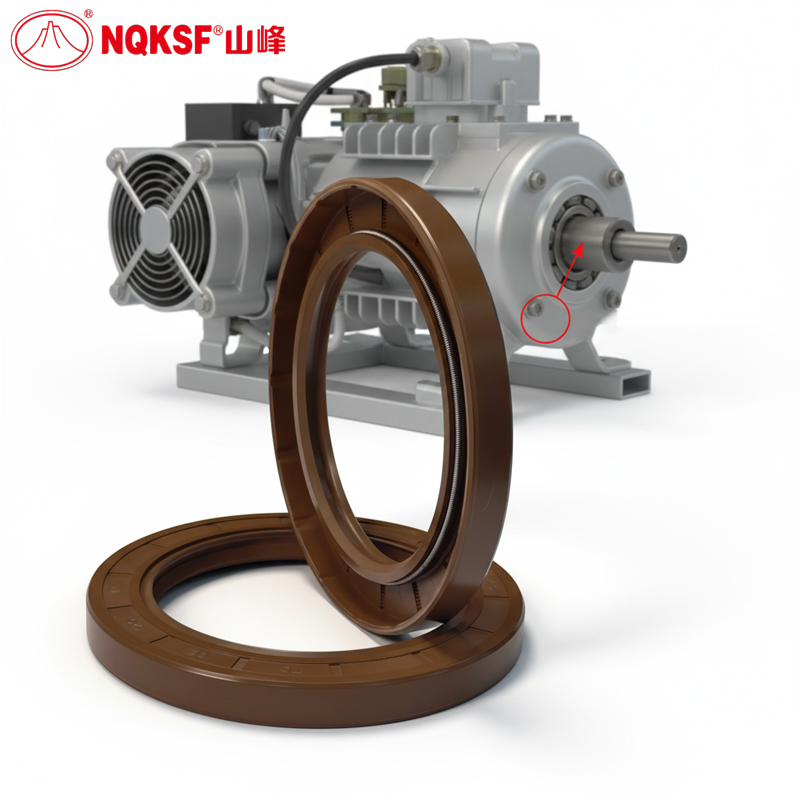
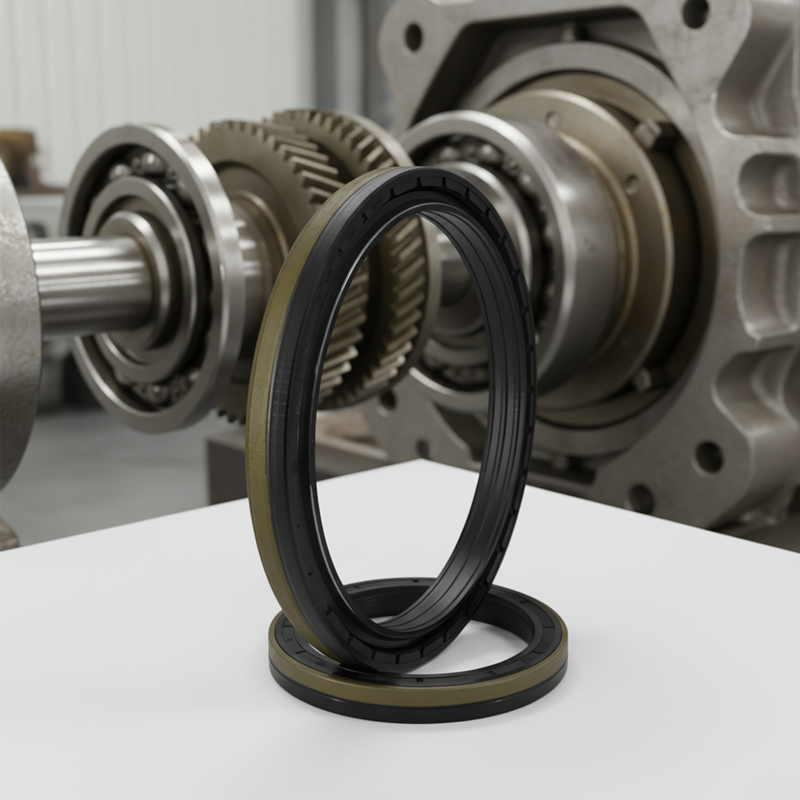
rotary shaft seal types
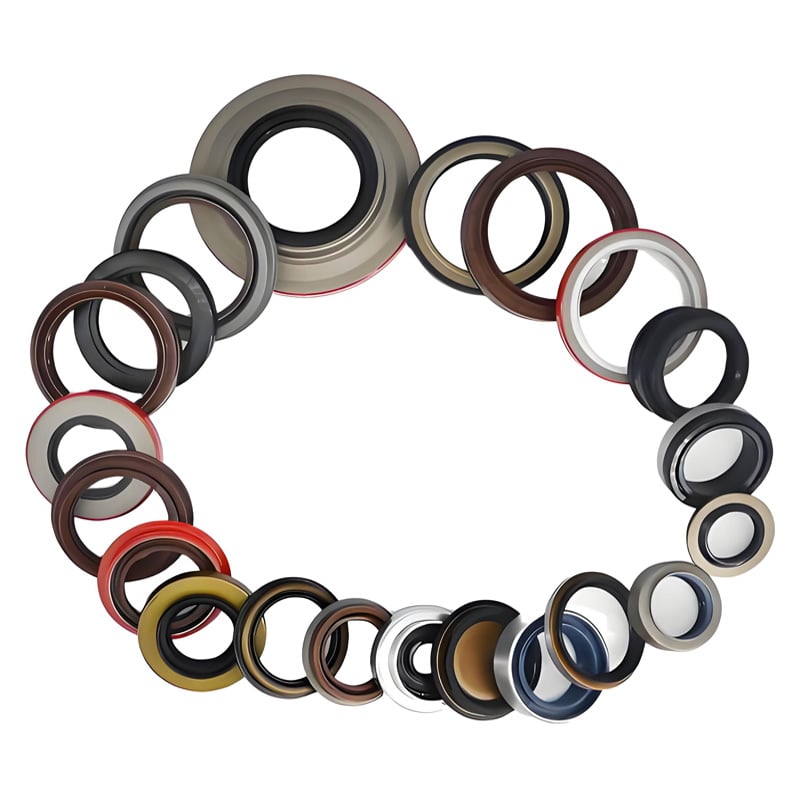
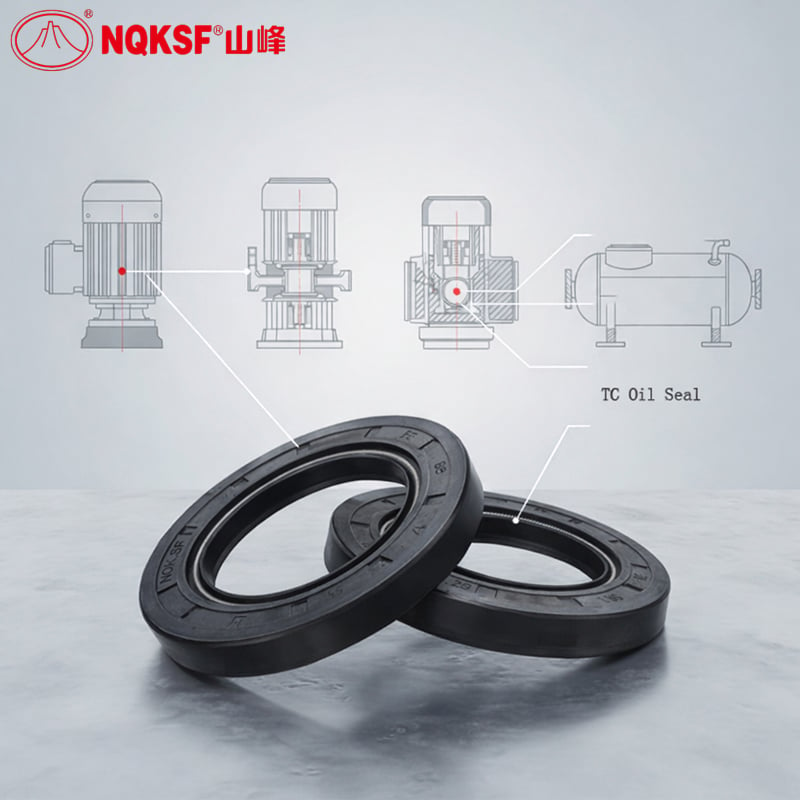
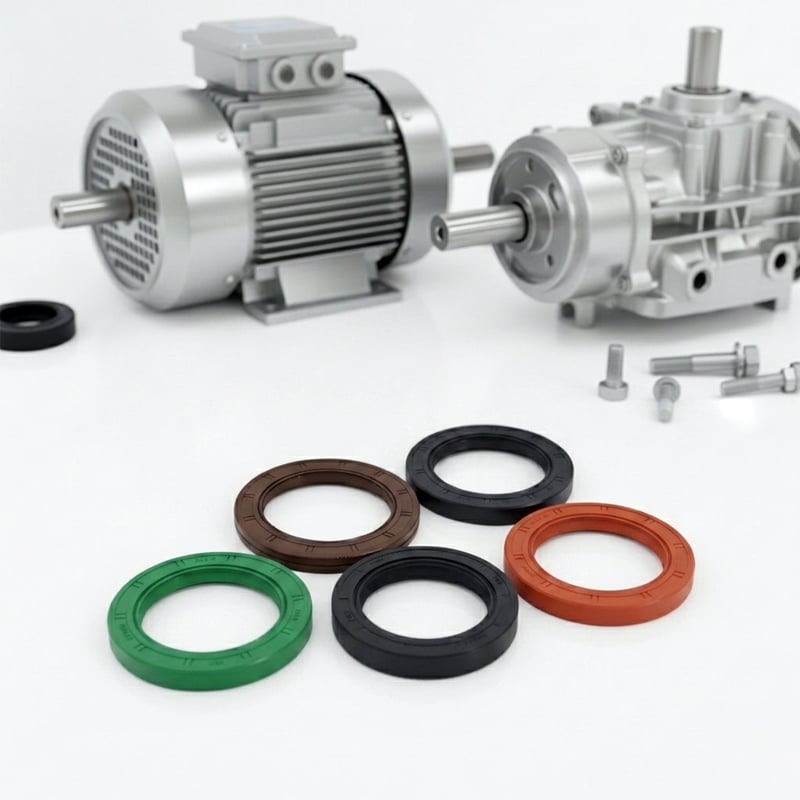
Rotary shaft seal types represent essential components designed to prevent fluid leakage and contamination in rotating machinery. These seals maintain system integrity by creating a barrier between the rotating shaft and the stationary housing, protecting vital equipment from operational failures. Understanding different rotary shaft seal types is crucial for selecting the right solution for your specific application requirements.
The primary function of rotary shaft seal types involves containing pressurized fluids while preventing external contaminants from entering the sealed chamber. These mechanical devices accommodate shaft rotation while maintaining a reliable seal, ensuring consistent performance across various industrial environments. Modern rotary shaft seal types employ advanced materials and precision engineering to deliver superior reliability and extended service life.
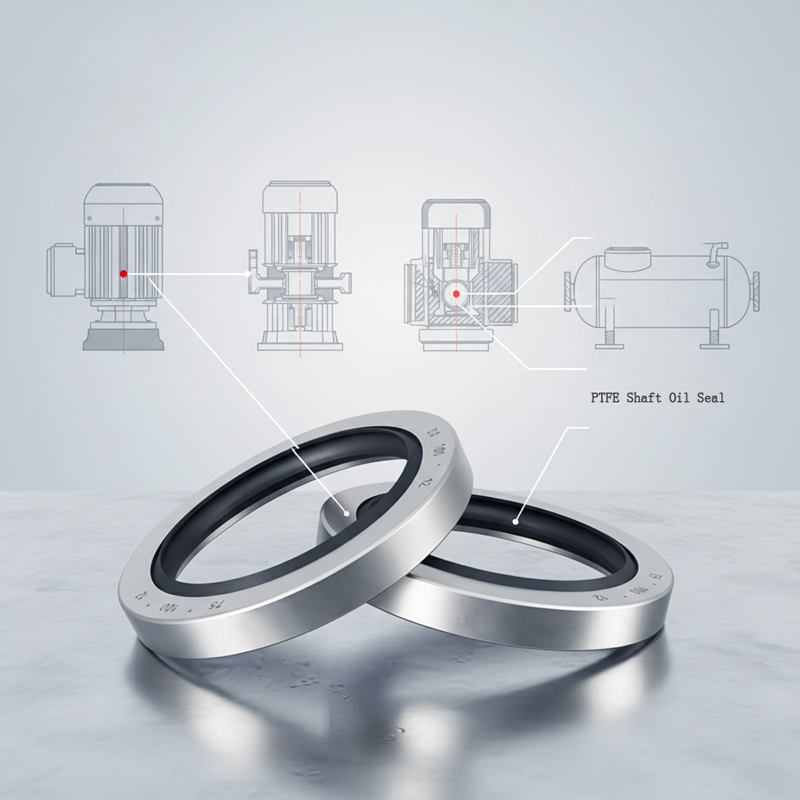
Technologically, rotary shaft seal types feature sophisticated design elements including dual-lip configurations, spring-energized mechanisms, and elastomer compounds that withstand extreme temperatures and pressures. These innovations enable rotary shaft seal types to operate effectively in demanding conditions, from automotive transmissions to industrial pumps and compressors.
Applications for rotary shaft seal types span numerous industries including automotive, aerospace, marine, and manufacturing sectors. Whether protecting hydraulic systems, protecting lubricated bearings, or containing refrigerant in cooling systems, rotary shaft seal types provide dependable performance. The versatility of rotary shaft seal types makes them indispensable in equipment requiring shaft rotation while maintaining fluid containment and environmental protection.

 EN
EN