High Pressure Shaft Seals - Advanced Sealing Solutions for Industrial Applications

All Categories

high pressure shaft seal

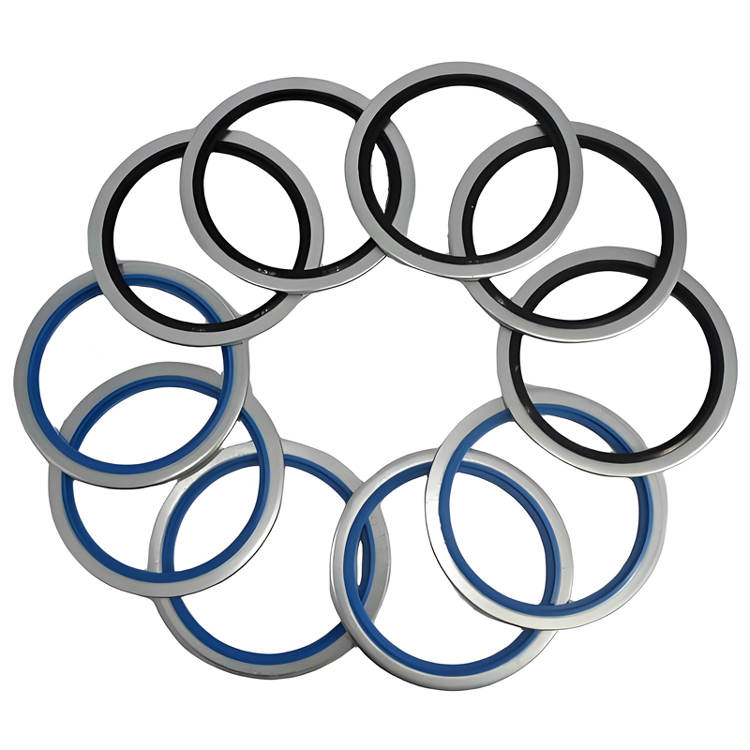
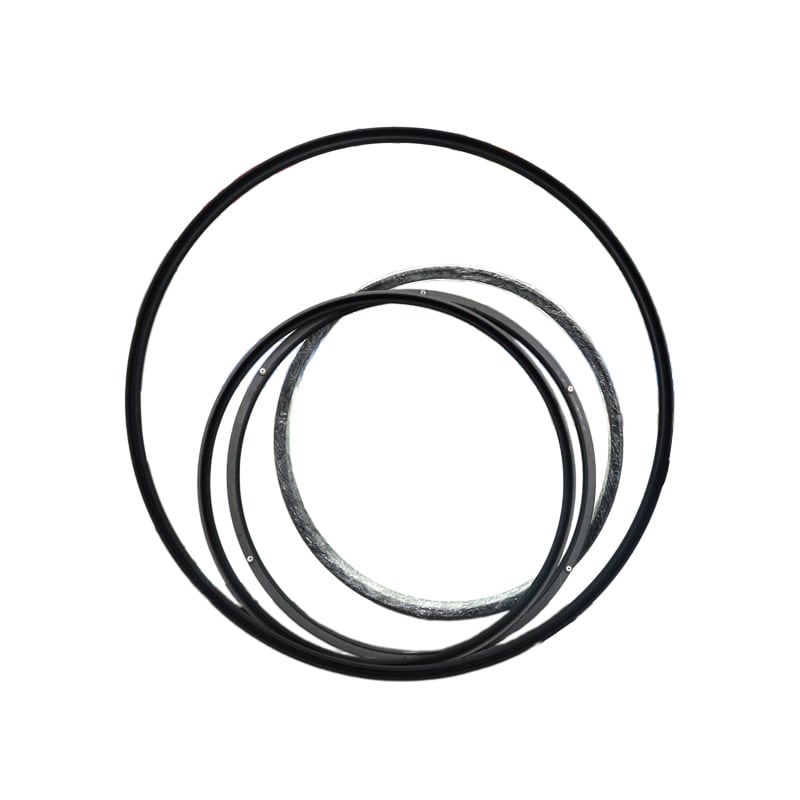
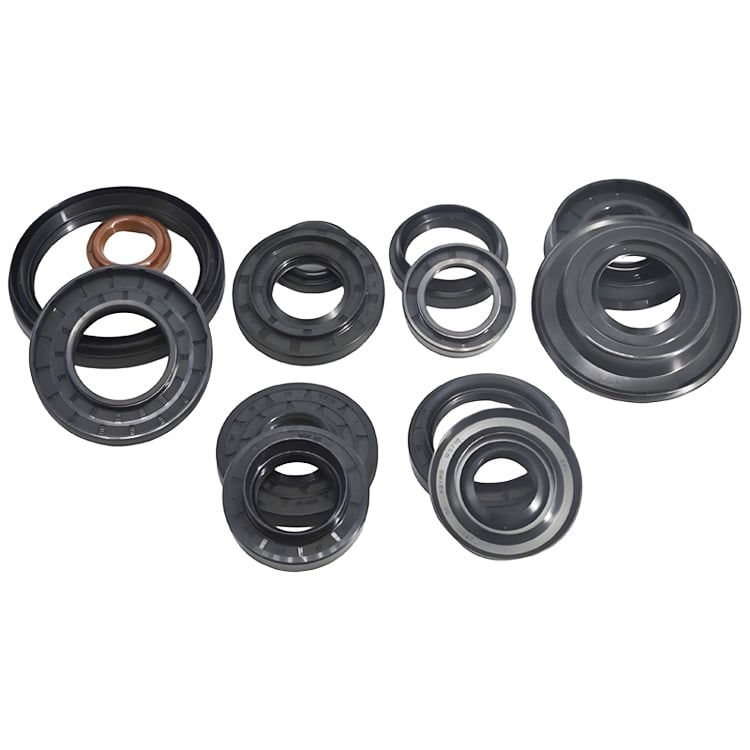
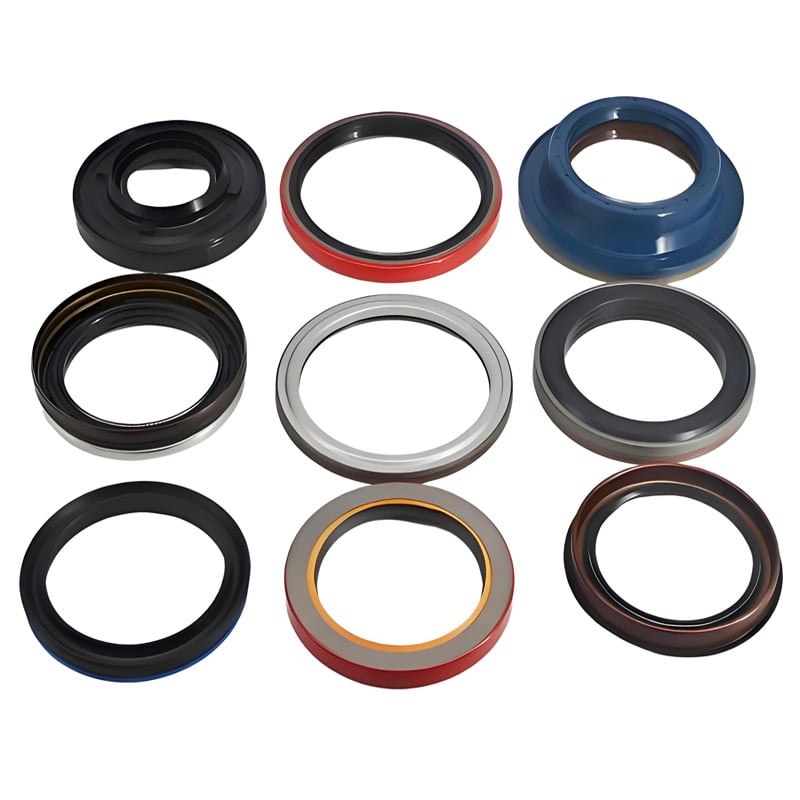
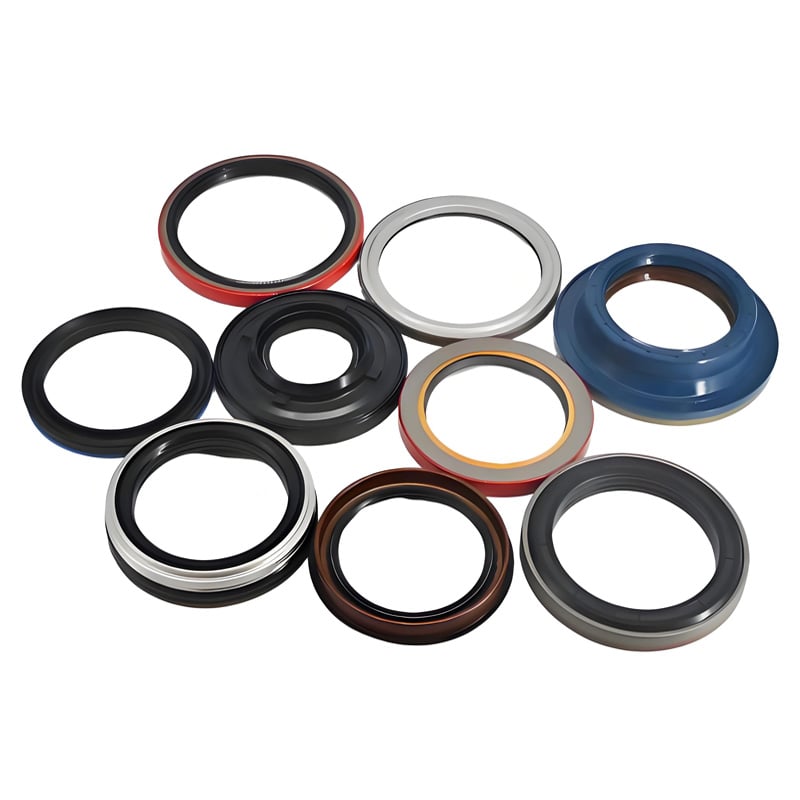
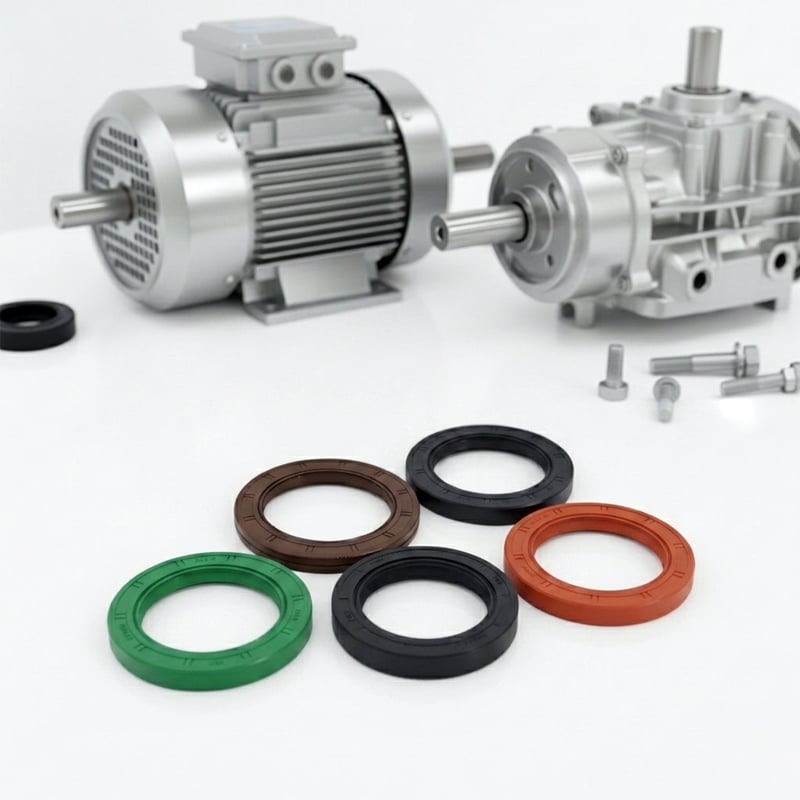
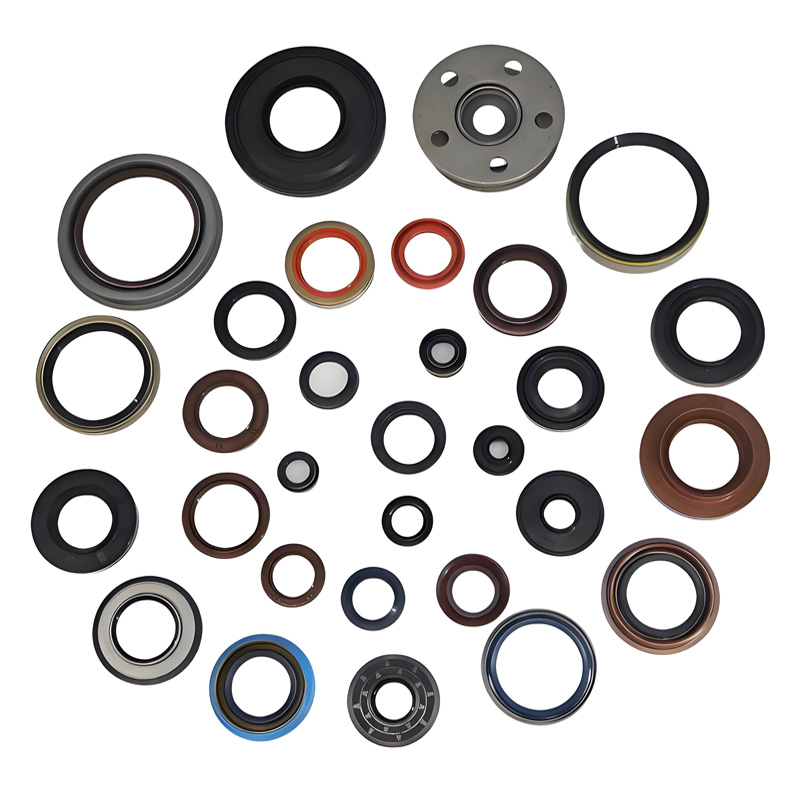
The high pressure shaft seal represents a critical component in modern industrial machinery, designed to prevent fluid leakage while maintaining optimal system performance under extreme pressure conditions. This sophisticated sealing solution operates as a barrier between rotating shafts and stationary housings, ensuring that pressurized fluids remain contained within their designated systems. High pressure shaft seals are engineered to withstand pressures ranging from hundreds to thousands of PSI, making them indispensable in applications where conventional sealing methods would fail. These specialized seals incorporate advanced materials and precision manufacturing techniques to deliver reliable performance in demanding environments. The primary function of a high pressure shaft seal involves creating a dynamic seal around rotating equipment while maintaining minimal friction and wear. This sealing mechanism prevents contamination from entering the system while simultaneously preventing valuable fluids from escaping. The technological features of high pressure shaft seals include multi-stage sealing elements, pressure-balanced designs, and temperature-resistant materials that ensure longevity and consistent performance. Modern high pressure shaft seal designs often feature spring-loaded elements that automatically adjust to compensate for wear and thermal expansion. The applications for high pressure shaft seals span numerous industries, including oil and gas, chemical processing, power generation, and marine operations. In hydraulic systems, these seals protect critical components from contamination while maintaining system pressure. Pump applications rely heavily on high pressure shaft seals to prevent costly fluid loss and maintain operational efficiency. The versatility of high pressure shaft seal technology allows for customization based on specific operating conditions, fluid compatibility requirements, and performance expectations. Manufacturing processes for high pressure shaft seals involve precise machining and quality control measures to ensure dimensional accuracy and surface finish quality. The selection of appropriate materials for high pressure shaft seal construction depends on factors such as operating temperature, chemical compatibility, and expected service life.

New Products

The high pressure shaft seal offers numerous practical benefits that directly impact operational efficiency and cost-effectiveness for industrial applications. One of the most significant advantages lies in the dramatic reduction of fluid loss, which translates to substantial cost savings over the equipment's operational lifetime. When properly installed and maintained, a high pressure shaft seal can reduce leakage rates by up to 99% compared to basic sealing solutions, resulting in immediate financial benefits for facility operators. The enhanced containment capabilities of high pressure shaft seals also contribute to improved workplace safety by minimizing exposure to potentially hazardous fluids and reducing slip hazards caused by leaked materials. Energy efficiency represents another compelling advantage, as these seals minimize the power required to maintain system pressure. By preventing pressure loss through leakage, the high pressure shaft seal allows pumps and compressors to operate more efficiently, reducing energy consumption and lowering operational costs. The extended service life of high pressure shaft seals provides significant value through reduced maintenance requirements and decreased downtime. Unlike conventional seals that may require frequent replacement, properly specified high pressure shaft seals can operate reliably for extended periods, often exceeding 12 months of continuous operation. This longevity reduces labor costs associated with seal replacement and minimizes production interruptions. Environmental benefits also make high pressure shaft seals attractive to environmentally conscious organizations. By preventing fluid leakage, these seals help companies meet environmental compliance requirements and reduce their ecological footprint. The precision engineering of high pressure shaft seals ensures consistent performance across varying operating conditions, providing predictable results that facility managers can rely upon for planning and budgeting purposes. Temperature stability represents another key advantage, as high pressure shaft seals maintain their sealing effectiveness across wide temperature ranges. This thermal stability eliminates the need for frequent seal adjustments and reduces the risk of unexpected failures. The compatibility of high pressure shaft seals with various fluid types makes them versatile solutions for diverse applications, reducing inventory requirements and simplifying procurement processes. Installation flexibility allows high pressure shaft seals to retrofit existing equipment, enabling facility upgrades without requiring complete system replacement.

Latest News

What Should You Look for in a Quality Rotary Shaft Seal?

27

Nov

What Should You Look for in a Quality Rotary Shaft Seal?

Industrial machinery relies heavily on effective sealing solutions to prevent contamination, maintain lubrication, and ensure optimal performance. Among the most critical components in rotating equipment, the rotary shaft seal stands as a fundamental...
View More
Which Oil Seal Manufacturer Is the Best?

06

Jan

Which Oil Seal Manufacturer Is the Best?

Precision Sealing and the Role of a Reliable Oil Seal Manufacturer In modern industrial systems, stable sealing performance is a basic requirement rather than an added advantage. From rotating shafts in automotive powertrains to high-speed equipment ...
View More
Complete Guide to Oil Seal Models?

06

Jan

Complete Guide to Oil Seal Models?

Structure and Classification of Modern Oil Seal Systems In industrial equipment, automotive assemblies, and precision machinery, the oil seal plays a foundational role in ensuring stable operation. While it is often treated as a standard component, t...
View More
What Is the Correct Installation Method for Oil Seals?

06

Jan

What Is the Correct Installation Method for Oil Seals?

Fundamentals of Proper Oil Seal Installation in Mechanical Systems Correct installation is one of the most critical factors affecting Oil Seal performance and service life. Even a high-quality Oil Seal can fail prematurely if it is installed incorrec...
View More

Get a Free Quote

Our representative will contact you soon.
Email
Telephone
Name
Company Name
Message
0/1000

high pressure shaft seal

Advanced Multi-Stage Sealing Technology

Advanced Multi-Stage Sealing Technology

The revolutionary multi-stage sealing technology incorporated in modern high pressure shaft seals represents a significant advancement in fluid containment engineering. This sophisticated approach utilizes multiple sealing elements arranged in series to create redundant barriers against fluid leakage, ensuring exceptional performance even under extreme operating conditions. Each stage of the high pressure shaft seal system serves a specific purpose, with primary sealing elements handling the majority of the pressure differential while secondary elements provide backup protection and contamination prevention. The multi-stage design allows the high pressure shaft seal to distribute pressure loads across multiple components, reducing stress concentrations and extending overall service life. This technology proves particularly valuable in applications where single-stage seals would be overwhelmed by excessive pressure differentials or challenging operating environments. The staged approach also enables the high pressure shaft seal to accommodate varying fluid viscosities and temperatures without compromising sealing effectiveness. Advanced materials used in each stage are specifically selected to optimize performance characteristics, with harder materials typically employed in primary sealing positions and softer, more compliant materials used in secondary positions. The multi-stage configuration of the high pressure shaft seal provides inherent fault tolerance, allowing the system to maintain acceptable performance levels even if one sealing element experiences degradation. This redundancy translates to increased uptime and reduced risk of catastrophic seal failure. Maintenance teams benefit from the progressive wear characteristics of multi-stage high pressure shaft seals, which provide early warning indicators of potential issues before complete seal failure occurs. The ability to monitor individual stage performance allows for predictive maintenance scheduling and optimized replacement intervals. Field experience demonstrates that multi-stage high pressure shaft seals consistently outperform single-stage alternatives in terms of reliability, longevity, and overall cost-effectiveness. The technology continues to evolve with ongoing research into new materials and design configurations that further enhance the capabilities of multi-stage sealing systems.
Pressure-Balanced Design Excellence

Pressure-Balanced Design Excellence

The pressure-balanced design philosophy behind advanced high pressure shaft seals eliminates many of the performance limitations associated with traditional sealing approaches. This innovative engineering concept ensures that hydraulic forces acting on the sealing elements remain balanced throughout the operating range, preventing excessive face loading that could lead to premature wear or seal failure. The pressure-balanced high pressure shaft seal design incorporates sophisticated fluid passages and chamber configurations that automatically adjust to changing operating conditions, maintaining optimal sealing contact pressure regardless of system variations. This self-regulating characteristic eliminates the need for manual adjustments and provides consistent performance across diverse operating scenarios. The balanced design approach significantly reduces friction between sealing surfaces, resulting in lower power consumption and reduced heat generation during operation. These thermal benefits extend the service life of the high pressure shaft seal while maintaining dimensional stability of critical sealing surfaces. The pressure balancing mechanism also accommodates shaft runout and misalignment conditions that would typically cause premature failure in conventional sealing systems. This tolerance for imperfect installation conditions makes pressure-balanced high pressure shaft seals more forgiving and reliable in real-world applications. Manufacturing precision required for pressure-balanced high pressure shaft seals demands advanced machining techniques and quality control processes, ensuring that hydraulic balance is maintained within tight tolerances. The design flexibility inherent in pressure-balanced systems allows engineers to optimize the high pressure shaft seal for specific applications, adjusting balance ratios to match operating requirements. Field testing consistently demonstrates that pressure-balanced high pressure shaft seals provide superior performance in terms of leakage control, wear resistance, and overall reliability compared to non-balanced alternatives. The technology proves particularly beneficial in applications with varying pressure conditions, where traditional seals might struggle to maintain effective sealing throughout the operating cycle. Ongoing development of pressure-balanced high pressure shaft seal technology focuses on expanding the range of applications and operating conditions where this design approach provides optimal results.
Superior Material Engineering and Compatibility

Superior Material Engineering and Compatibility

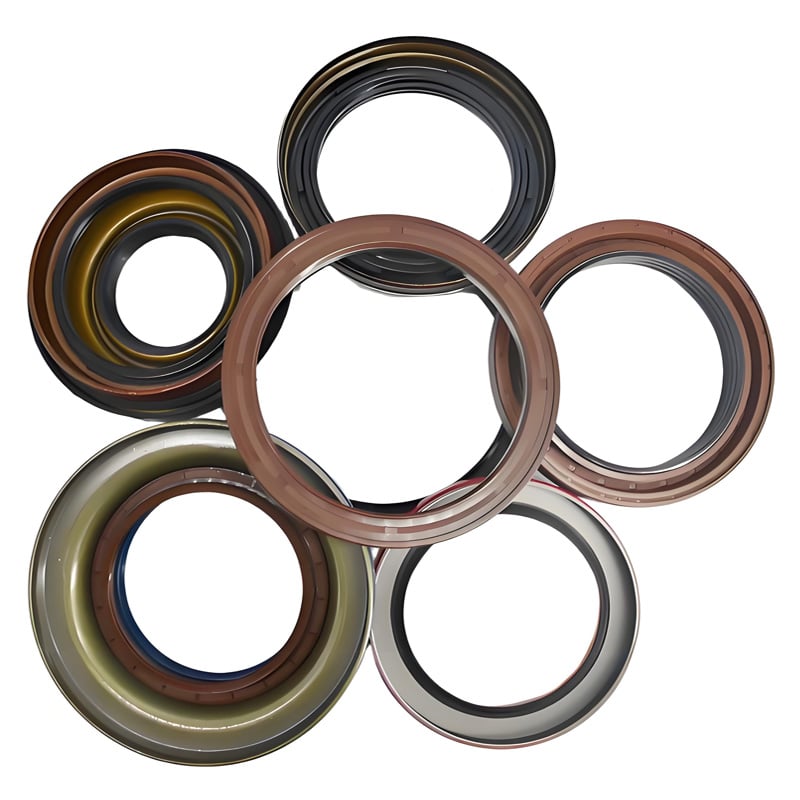
The exceptional material engineering behind high pressure shaft seals represents decades of research and development focused on creating sealing solutions that can withstand the most demanding industrial environments. Advanced polymer compounds, specialized elastomers, and engineered composite materials work together to provide unprecedented performance characteristics in high pressure shaft seal applications. These carefully selected materials exhibit superior resistance to chemical attack, thermal degradation, and mechanical wear while maintaining the flexibility necessary for effective sealing. The material compatibility of high pressure shaft seals extends to a wide range of process fluids, including aggressive chemicals, petroleum products, and specialized industrial fluids that would quickly destroy conventional sealing materials. This broad compatibility eliminates the need for multiple seal designs and reduces inventory requirements for maintenance departments. Temperature resistance represents another crucial aspect of high pressure shaft seal material engineering, with advanced formulations capable of maintaining sealing effectiveness across temperature ranges from cryogenic conditions to several hundred degrees Fahrenheit. The thermal stability of these materials prevents hardening, cracking, or excessive softening that could compromise seal performance. Wear resistance characteristics of high pressure shaft seal materials have been optimized through advanced polymer chemistry and the incorporation of specialized additives that enhance durability without sacrificing sealing effectiveness. These materials maintain their physical properties throughout extended service periods, providing consistent performance and predictable replacement schedules. The manufacturing processes used to create high pressure shaft seal components ensure material homogeneity and eliminate defects that could lead to premature failure. Quality control procedures verify material properties and dimensional accuracy before components are assembled into finished seals. Environmental considerations have influenced the development of eco-friendly material options for high pressure shaft seals, providing sustainable alternatives without compromising performance. The ongoing evolution of material technology continues to expand the capabilities and applications of high pressure shaft seal systems, with new formulations regularly introduced to address emerging industry challenges and requirements.

Get a Free Quote

Our representative will contact you soon.
Email
Telephone
Name
Company Name
Message
0/1000