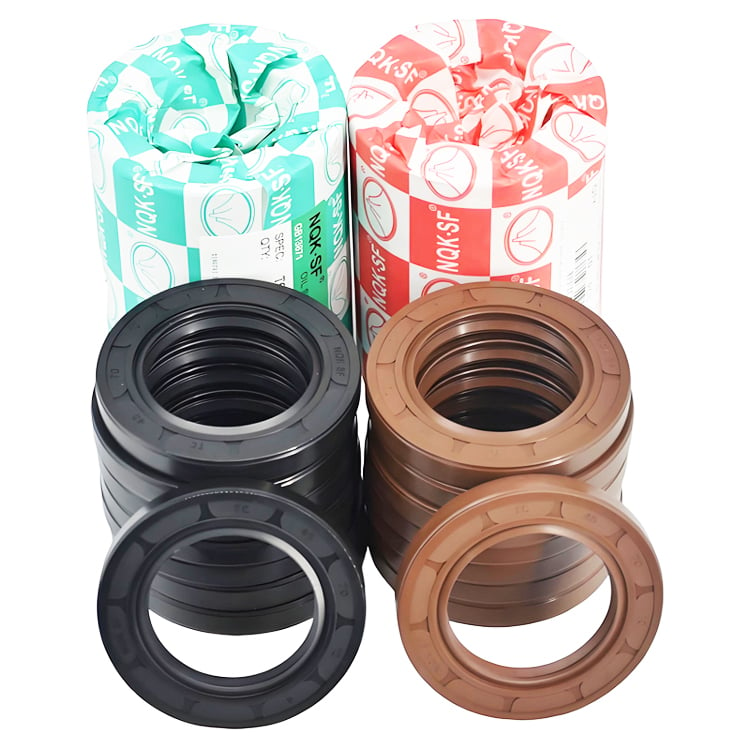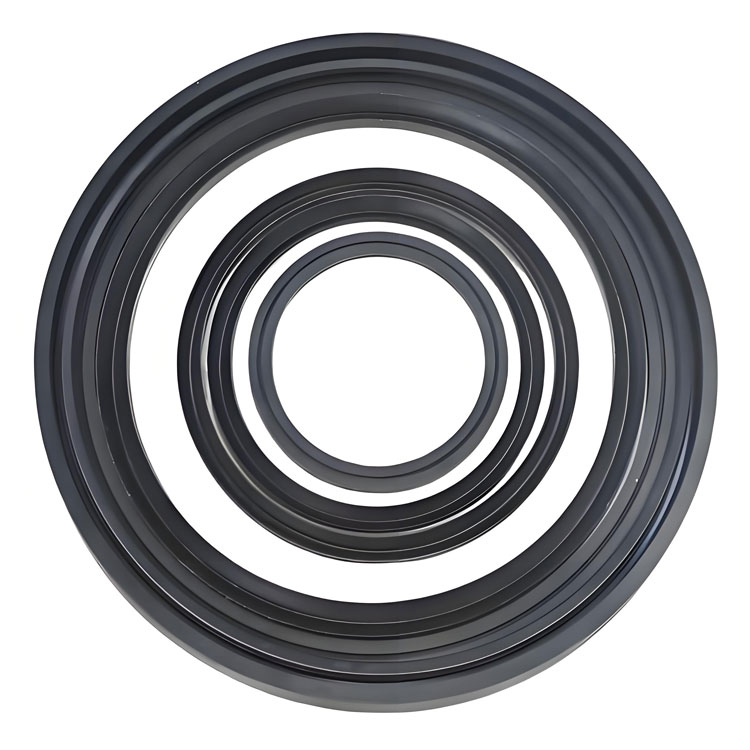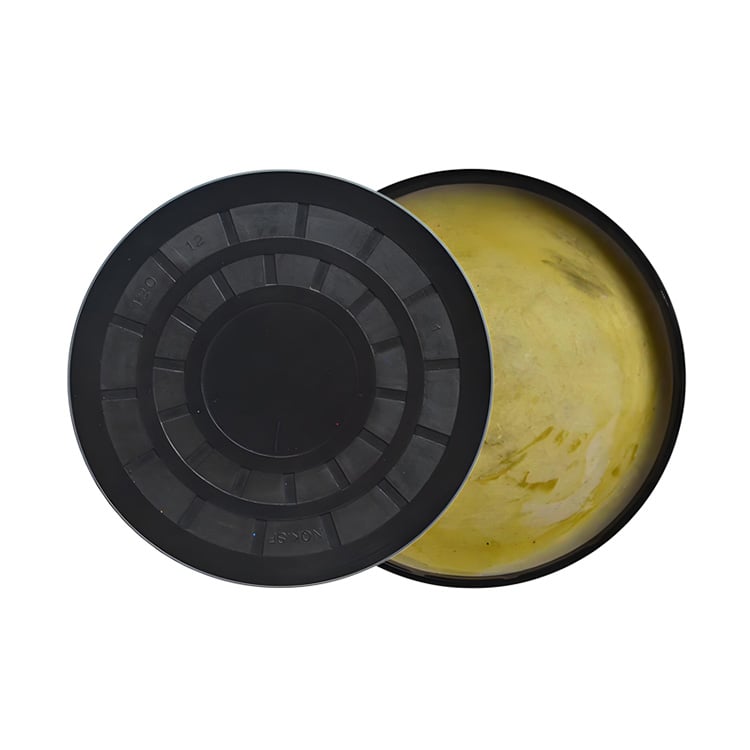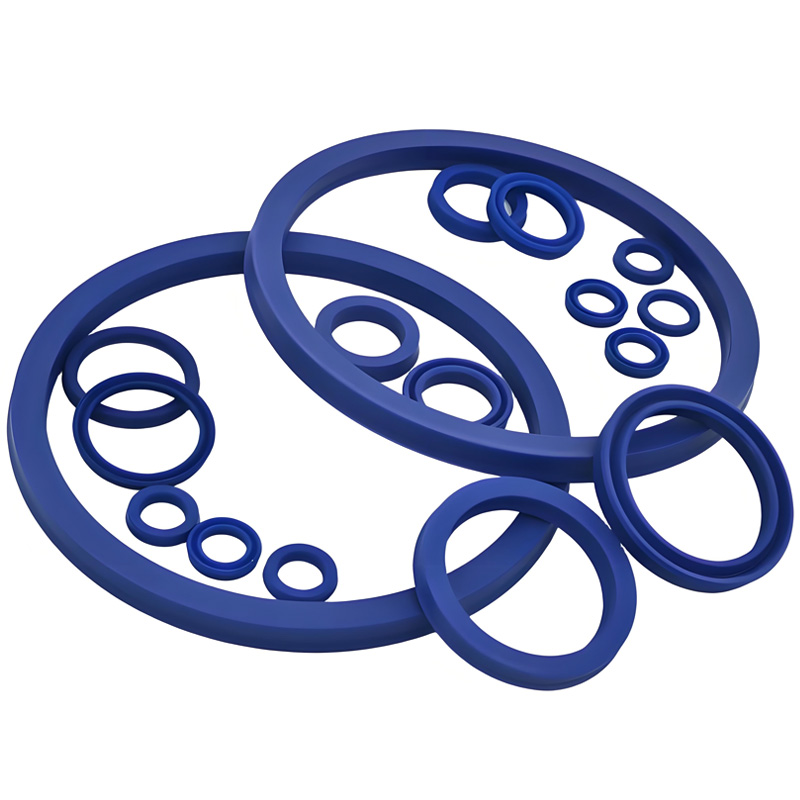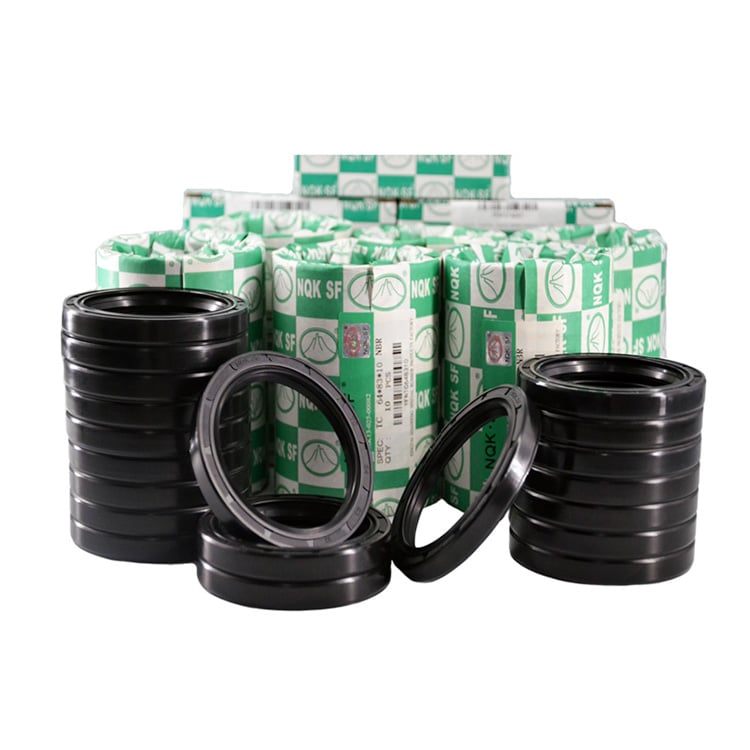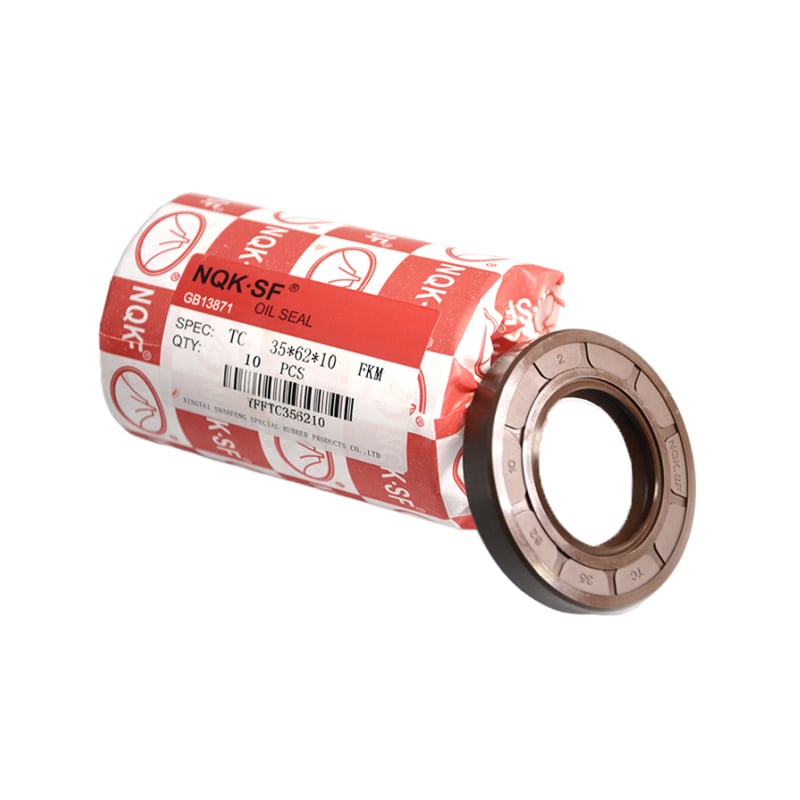

Two rotary shaft oil seals with identical nominal dimensions may not deliver the same results in service. Differences in rubber formulation, lip geometry, manufacturing precision, and assembly quality can influence how each seal performs after installation. Understanding these factors helps equipment manufacturers and maintenance professionals evaluate oil seal quality more effectively.
One important factor is the interaction between the sealing lip and the shaft. A rotary shaft oil seal works through controlled contact between its flexible lip and the rotating surface. The contact condition must be suitable for the intended speed, lubricant, and operating temperature. If the lip geometry is incorrect or the material properties are inconsistent, friction and heat generation may increase, potentially affecting sealing performance.
The condition of the shaft is equally important. Excessive runout, an unsuitable surface finish, wear marks, or installation damage can interfere with the sealing interface. This explains why replacing an oil seal does not always resolve a leakage problem. The surrounding components and installation conditions should also be examined.
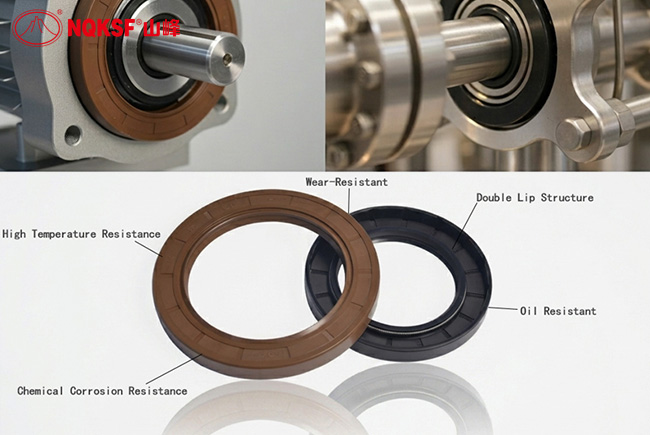
Manufacturing consistency is another major consideration. Rubber mixing and vulcanization influence the physical properties of the sealing element, while mold accuracy determines whether the finished lip and overall dimensions match the design. For spring-loaded oil seals, spring dimensions and installation position also require attention.
At Shanfeng (NQKSF Brand), manufacturing operations include more than 100 automatic vacuum vulcanizing machines, in-house mold development, CNC machining, automated trimming, spring assembly, and quality inspection equipment. The company also uses SAP ERP management to support production operations. These capabilities provide a manufacturing foundation for handling different seal structures and specifications.
For buyers, evaluating a rotary shaft oil seal should involve more than checking its external appearance. Dimensional conformity, material consistency, lip condition, and application-specific testing all contribute to a more complete assessment. When investigating field failures, shaft condition, lubrication, temperature, and installation should be considered alongside the product itself.
Ultimately, rotary shaft oil seal performance depends on both manufacturing quality and the conditions in which the product operates. A well-controlled production process, combined with correct application and installation, provides a sound basis for dependable sealing.
 Hot News
ShanFeng Special Rubber Products Co., Ltd., operating under brand NQKSF since 1990, is a global leader in the sealing industry.
Copyright © 2026 ShanFeng Special Rubber Products Co., Ltd. All rights reserved. Privacy Policy
 EN