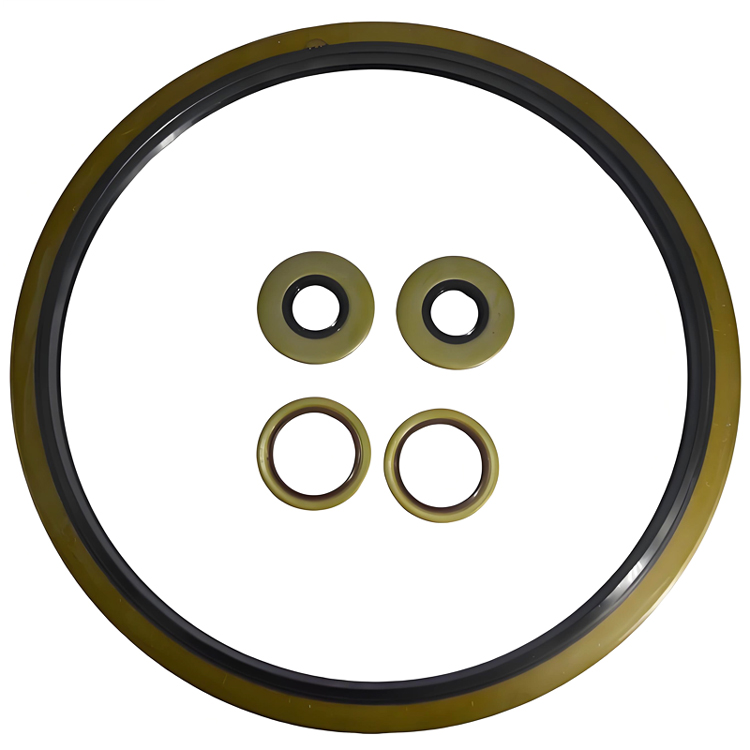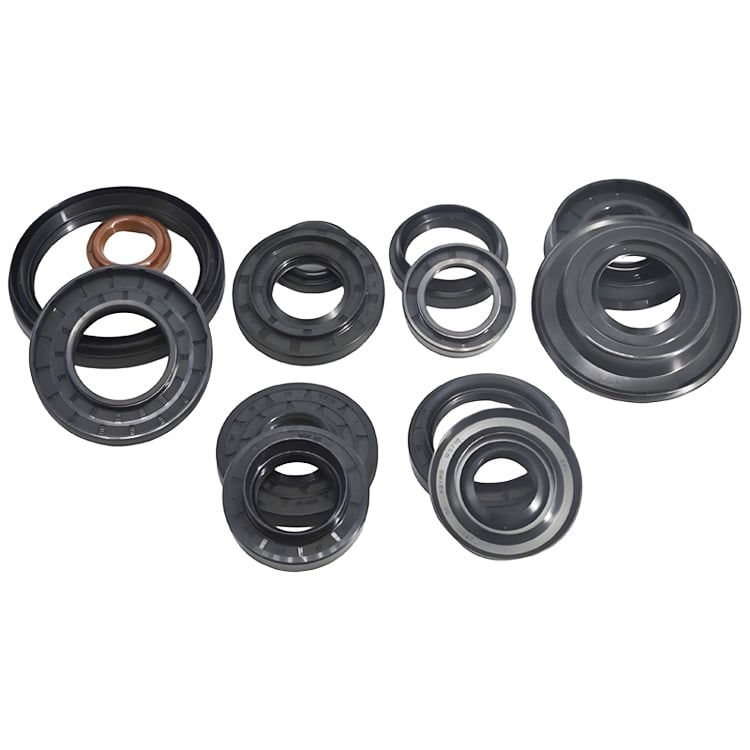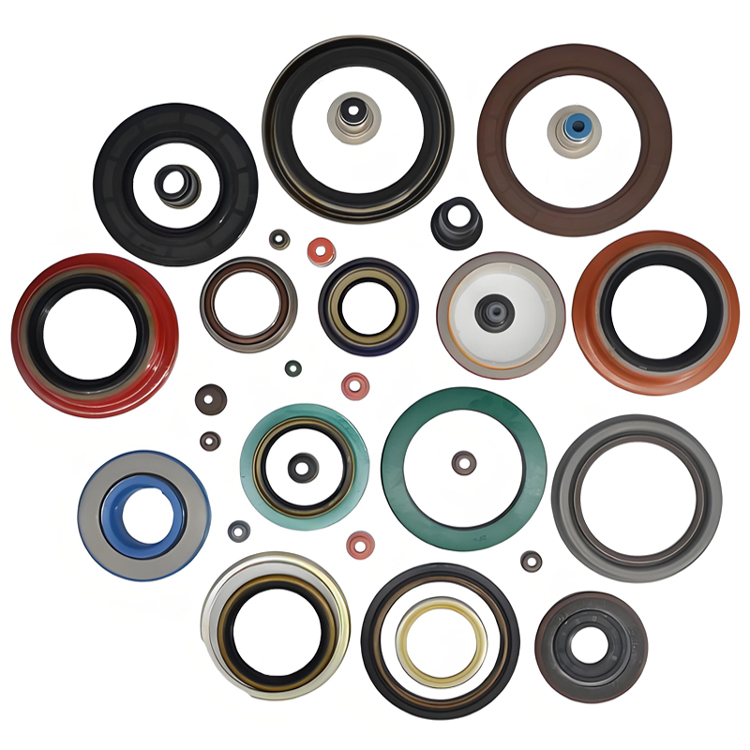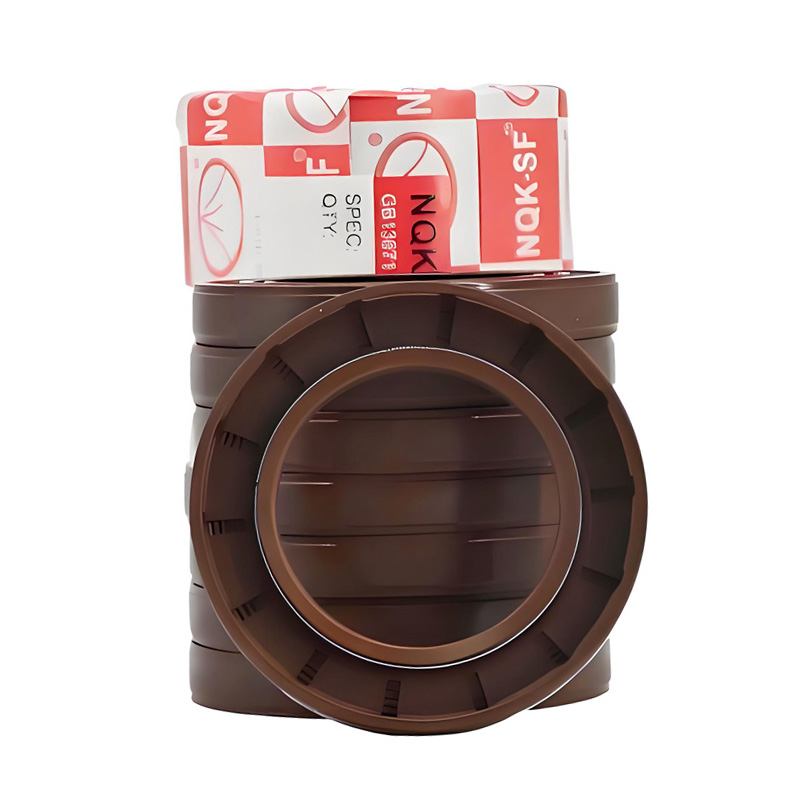

The oil seal inside diameter is normally smaller than the shaft diameter because the sealing lip needs to be elastically deformed around the shaft. This difference creates radial contact between the lip and shaft, allowing the seal to maintain a sealing interface while the shaft rotates.
If the lip diameter were exactly the same as the shaft diameter, the installed seal would have little or no designed interference. The lip would not develop the intended radial contact force simply from installation. In a rotary shaft seal, that could make it difficult to maintain stable contact as the shaft rotates, particularly when there are small changes caused by temperature, runout or other operating conditions.
During installation, the smaller lip diameter is stretched over the shaft. The elastomer then tries to return toward its original shape. This elastic recovery creates a radial force around the shaft. A garter spring, when included in the seal design, adds another source of radial force and helps maintain contact between the lip and shaft.
The key word here is interference. In simple terms, it is the dimensional difference between the sealing lip's effective inside diameter and the shaft diameter before installation. Once installed, this difference is converted into deformation and contact pressure. Technical studies of radial lip seals specifically identify interference between the seal lip and shaft as a parameter affecting the contact pressure distribution and frictional heat.
However, the cataloged seal size should not be interpreted as meaning that the physical rubber lip must always be measured and compared directly with the shaft using a simple ruler or caliper. Oil seal geometry includes the lip profile, material properties, spring, flex section and other design details. The nominal shaft diameter is normally the key dimensional reference used when selecting the corresponding seal.
The reason for making the lip smaller also becomes clearer when the machine is running. The shaft may rotate at hundreds or thousands of revolutions per minute. Small shaft runout, temperature changes, material relaxation and wear can influence the contact condition. The initial interference provides the elastic reserve needed to maintain contact during operation.
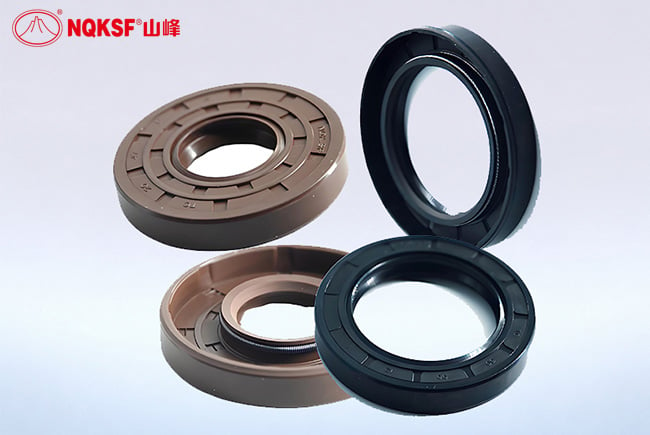
But there is an important limit. Smaller does not automatically mean better. If the lip is designed with excessive interference, radial force can become unnecessarily high. That can increase friction and heat, particularly in high-speed applications.
Therefore, the smaller inside diameter is intentional: it gives the oil seal the deformation needed to create radial sealing contact around the shaft. The correct relationship is a designed interference value, not simply “the smaller the seal, the tighter the seal.”
 Hot News
ShanFeng Special Rubber Products Co., Ltd., operating under brand NQKSF since 1990, is a global leader in the sealing industry.
Copyright © 2026 ShanFeng Special Rubber Products Co., Ltd. All rights reserved. Privacy Policy
 EN
EN