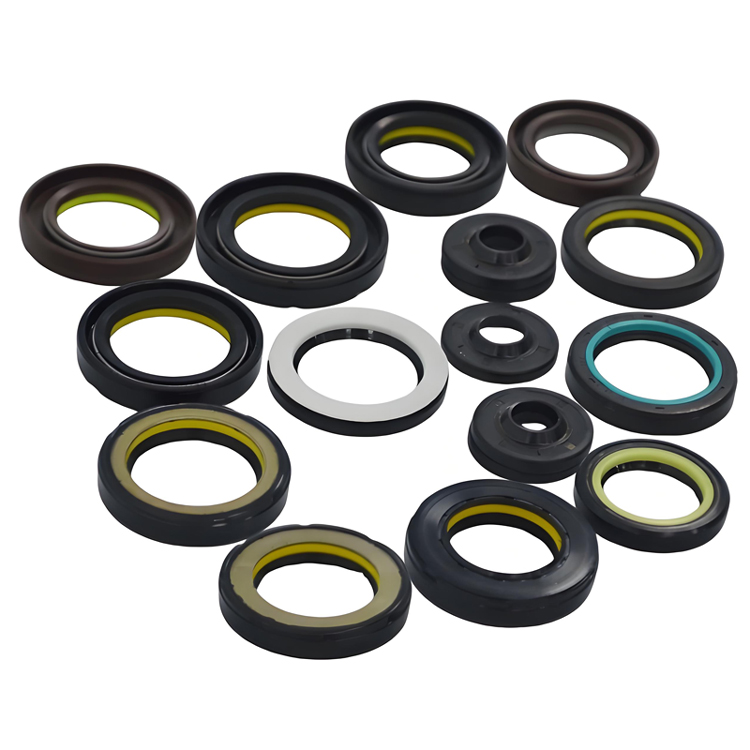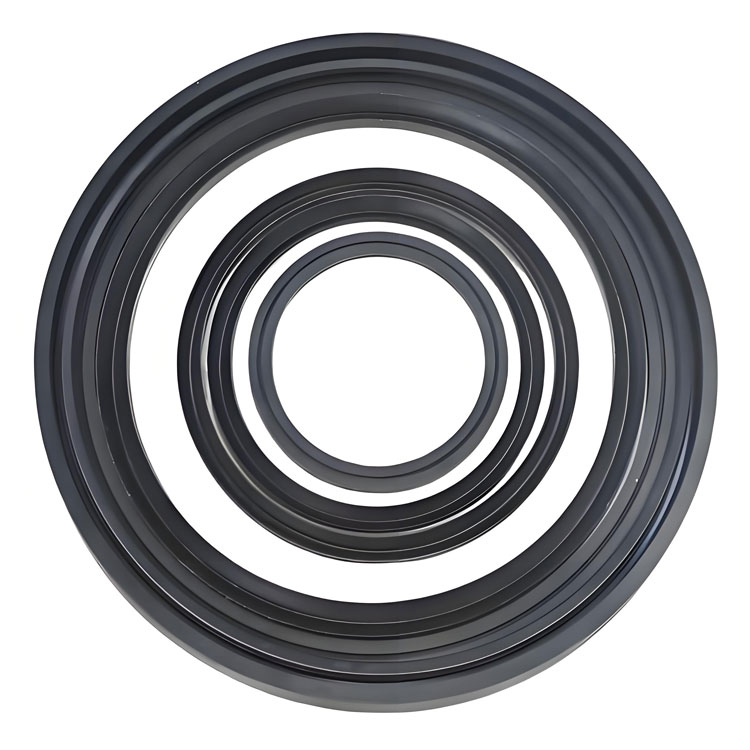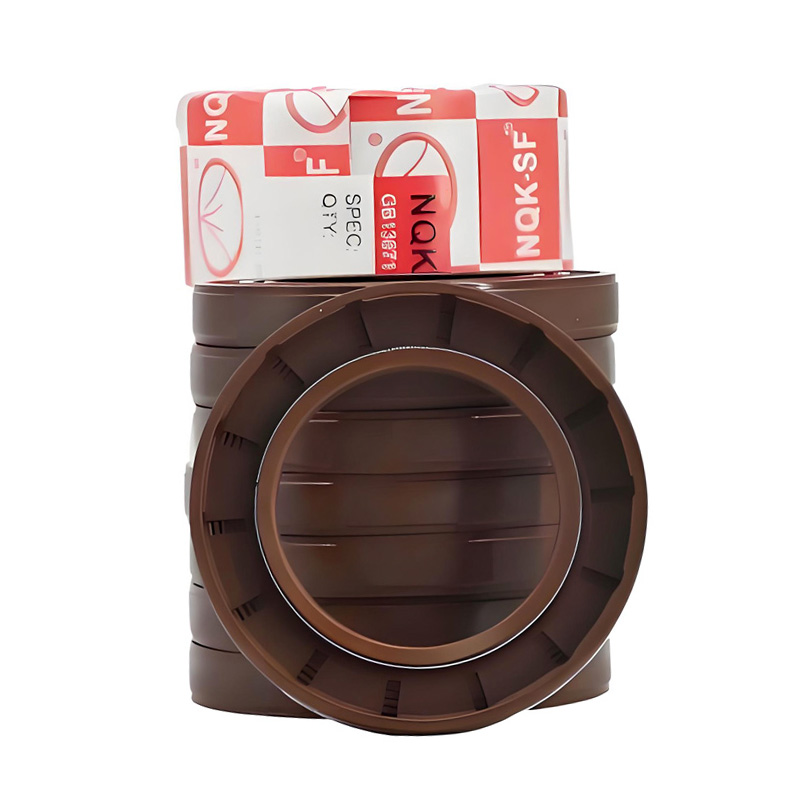

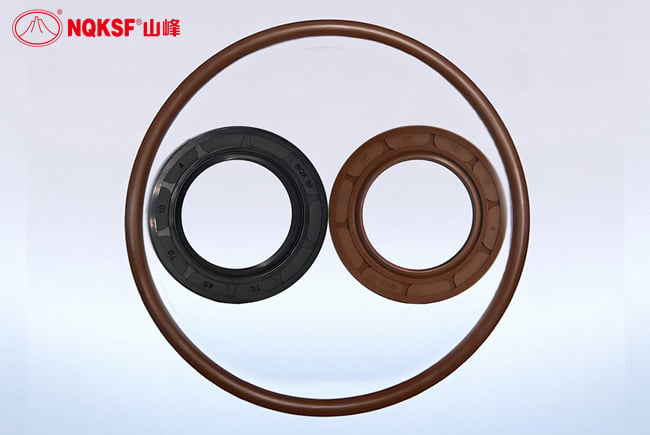
Many people use the terms "oil seal" and "O-ring" interchangeably, but they are designed for very different jobs. If the application involves a rotating shaft, an oil seal is usually the appropriate choice. If the goal is to seal static or reciprocating components, an O-ring is often the simpler solution.
The confusion is understandable. Both products prevent leakage, both are made from elastomer materials, and both can be found in nearly every industrial sector. Yet their working principles are fundamentally different.
Imagine a gearbox output shaft. The shaft rotates continuously while lubricant must remain inside the housing. An O-ring would quickly wear because it is not intended to slide against a rotating surface for extended periods. An oil seal, on the other hand, uses a specially engineered sealing lip that maintains controlled contact with the shaft while accommodating movement and retaining lubricant.
The reverse situation is equally important. Consider a hydraulic valve body consisting of several stationary components bolted together. Installing an oil seal would add unnecessary complexity. A properly sized O-ring can create an effective seal through controlled compression between mating surfaces.
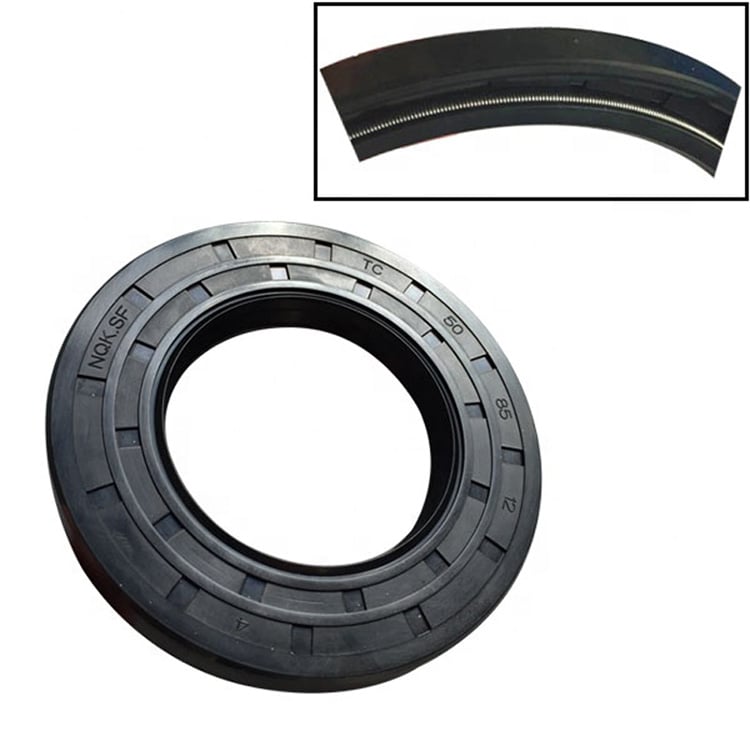
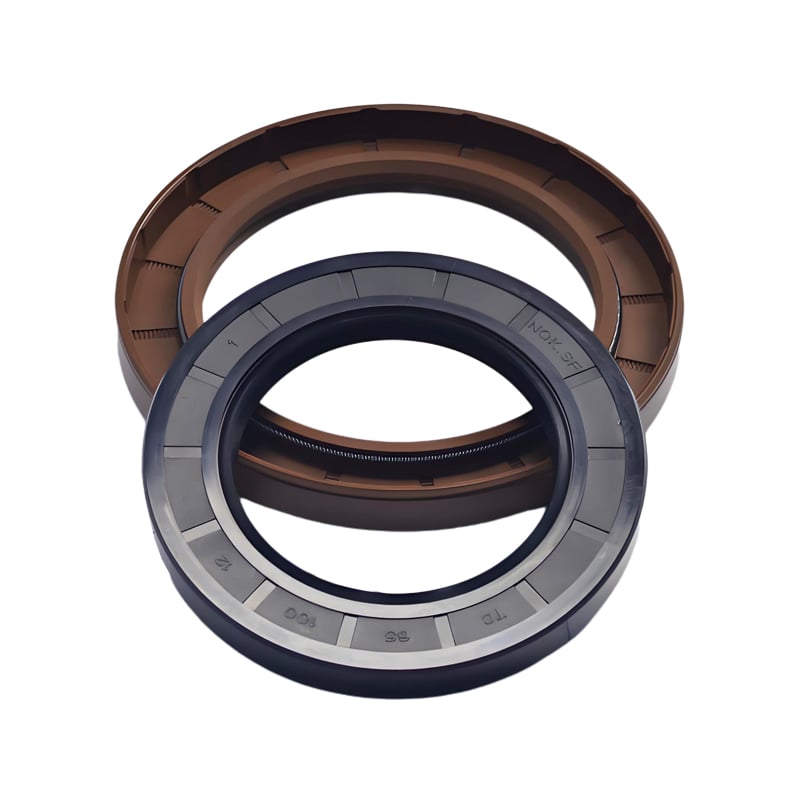
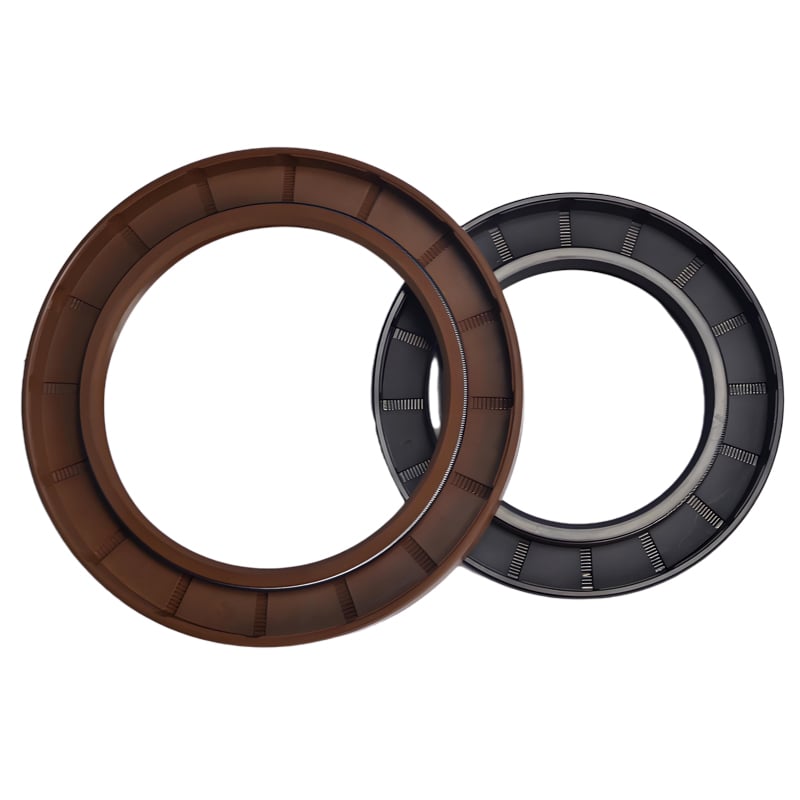
The structural differences explain why their applications rarely overlap. Oil seals typically feature a flexible sealing lip, a reinforcing case, and often a garter spring that maintains radial sealing force. O-rings are much simpler. Their circular cross-section creates sealing pressure when compressed between components.
Cost considerations sometimes tempt buyers to substitute one for the other. Unfortunately, the short-term savings can create long-term maintenance issues. Selecting an O-ring for a rotating application or using an oil seal where a static seal is sufficient often results in premature wear, increased downtime, and repeated repairs.
The best sealing solution begins with understanding movement. If rotation is present, start by evaluating oil seal options. If sealing is required between static components or low-speed reciprocating parts, an O-ring may provide a practical and economical answer.
In other words, the first question is not which product is better. The real question is what the equipment is asking the seal to do.
 Hot News
ShanFeng Special Rubber Products Co., Ltd., operating under brand NQKSF since 1990, is a global leader in the sealing industry.
Copyright © 2026 ShanFeng Special Rubber Products Co., Ltd. All rights reserved. Privacy Policy
 EN