
Many oil seal failures are not caused by material defects. In many cases, the real issue comes from a misunderstanding of how the seal is built and how each component contributes to sealing performance.
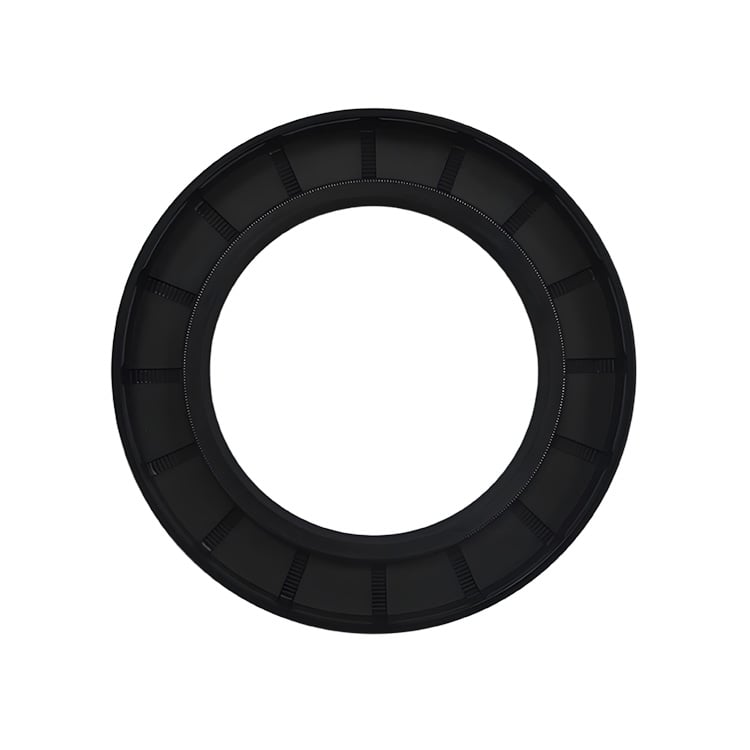
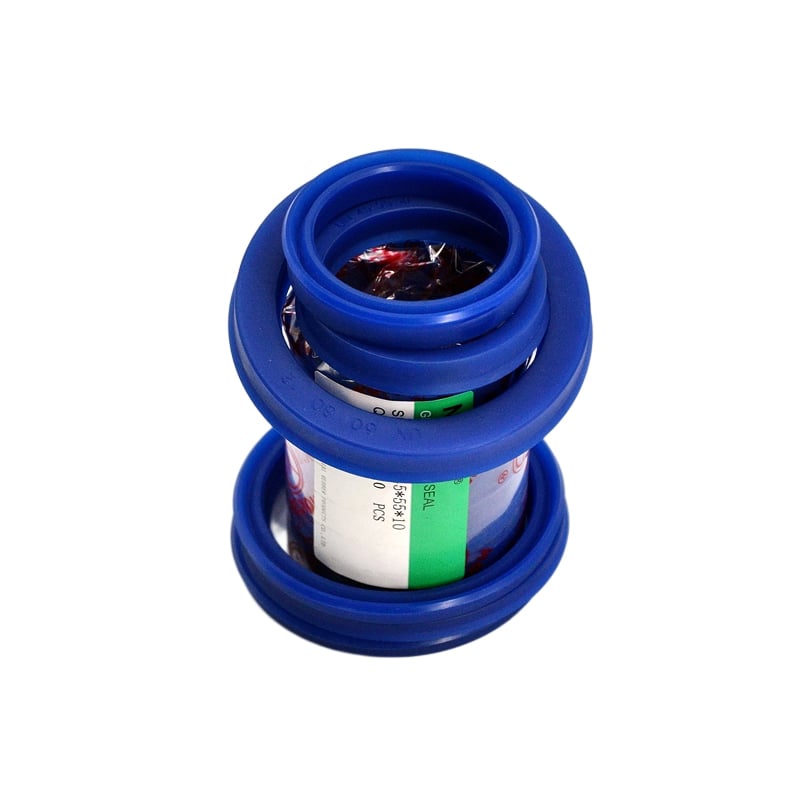
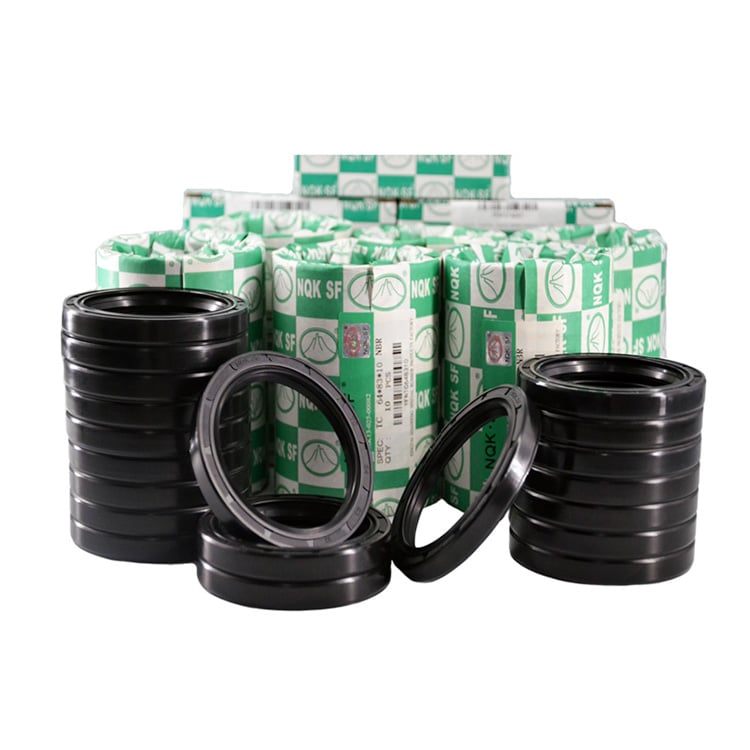
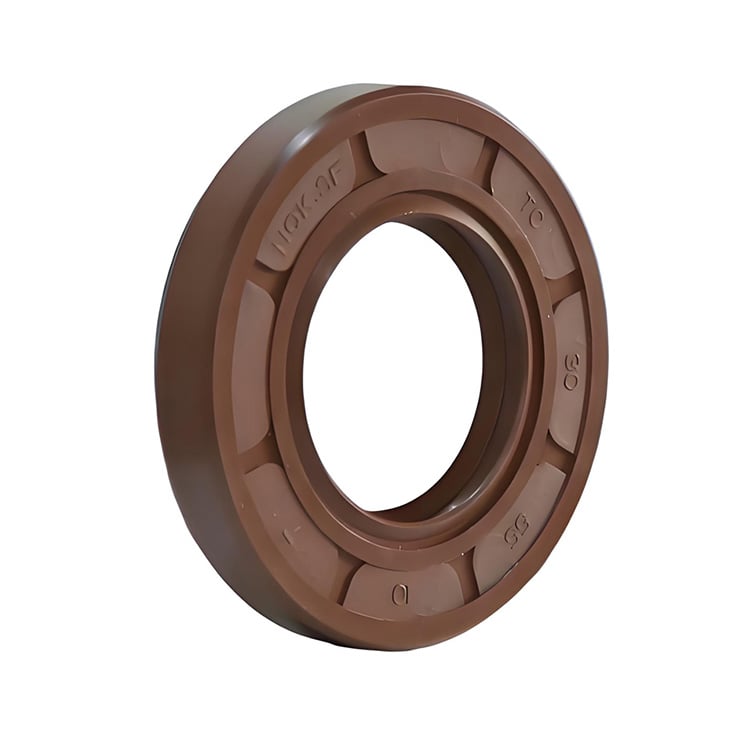
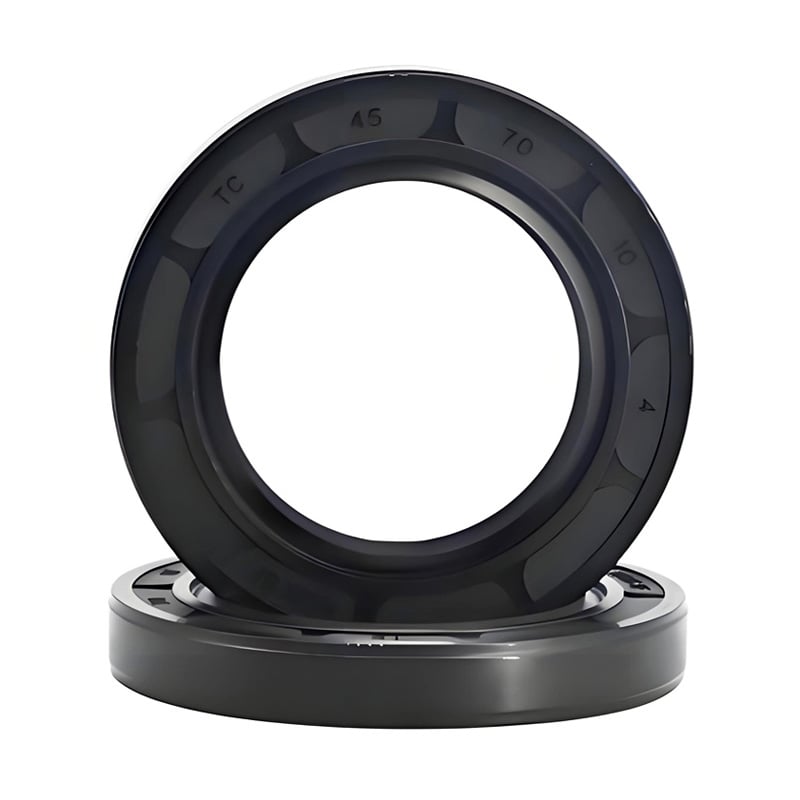
Although an oil seal appears simple from the outside, four key elements work together to keep lubricant inside equipment and contaminants outside.
The Sealing Lip Does the Actual Sealing
The sealing lip is the part that touches the rotating shaft. Its job is to retain oil while limiting leakage during operation.
A properly designed lip maintains stable contact with the shaft surface and adapts to minor shaft movement and wear over time.
The Spring Maintains Consistent Contact Pressure
The garter spring sits behind the sealing lip and applies continuous radial force.
As the lip gradually wears during service, the spring helps maintain sufficient contact pressure. Without this support, sealing effectiveness may decrease and leakage can occur more easily.
The Metal Case Provides Structural Support
The metal case acts as the framework of the oil seal.
It keeps the seal in shape, improves installation stability, and helps the seal remain securely seated in the housing during operation.
Without proper support, even a quality sealing lip may struggle to perform consistently.
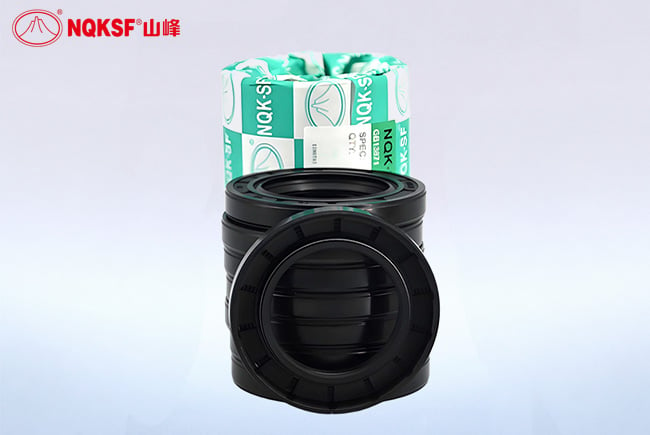
The Dust Lip Helps Keep Contaminants Out
In dusty or wet environments, contamination can shorten seal life significantly.
A dust lip creates an additional barrier against dirt, water, and other external particles before they reach the primary sealing area.
This design is commonly used in agricultural machinery, construction equipment, and other challenging environments.
Single Lip and Double Lip Designs
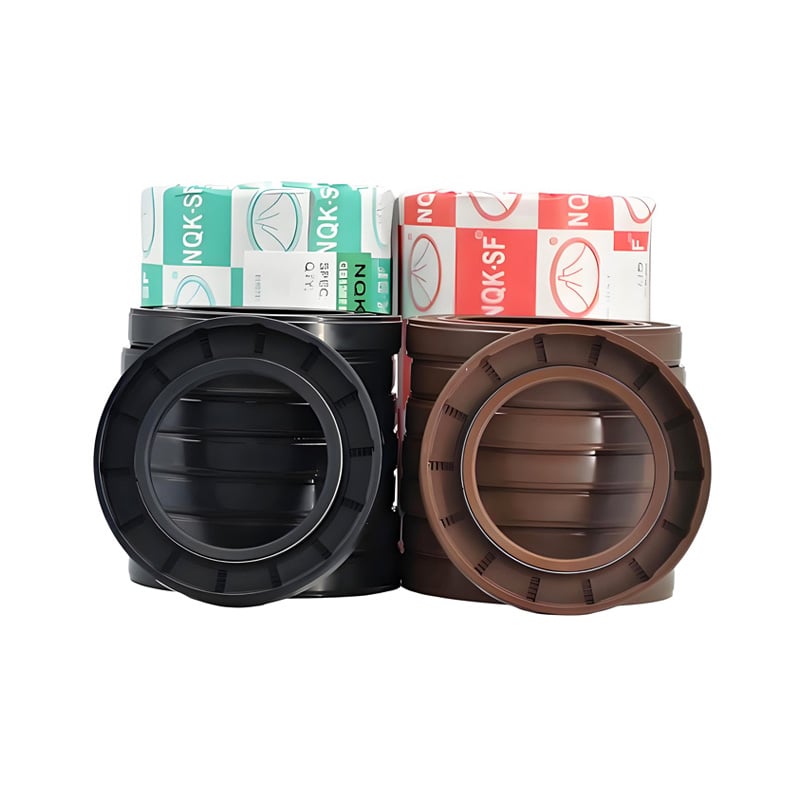
Single-lip oil seals are generally used where contamination risks are relatively low.
Double-lip designs include an additional dust lip and are often preferred when equipment operates in exposed or dirty conditions.
Selecting the correct design depends on the actual operating environment rather than the seal dimensions alone.
Choosing the Right Seal Structure
Material selection is important, but structural design should not be overlooked.
The sealing lip controls oil retention, the spring maintains contact force, the metal case provides support, and the dust lip helps protect against contamination. Understanding how these components work together makes it easier to select the most suitable oil seal for a specific application and reduce the risk of premature leakage.
 Hot News
ShanFeng Special Rubber Products Co., Ltd., operating under brand NQKSF since 1990, is a global leader in the sealing industry.
Copyright © 2026 ShanFeng Special Rubber Products Co., Ltd. All rights reserved. Privacy Policy
 EN