
Basic Installation Requirements for Oil Seals
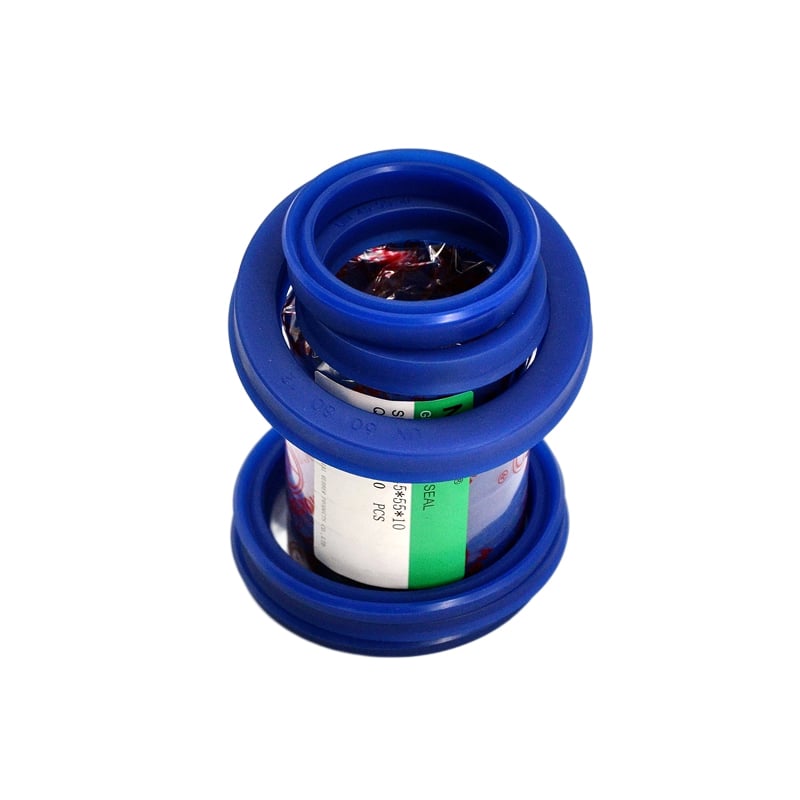
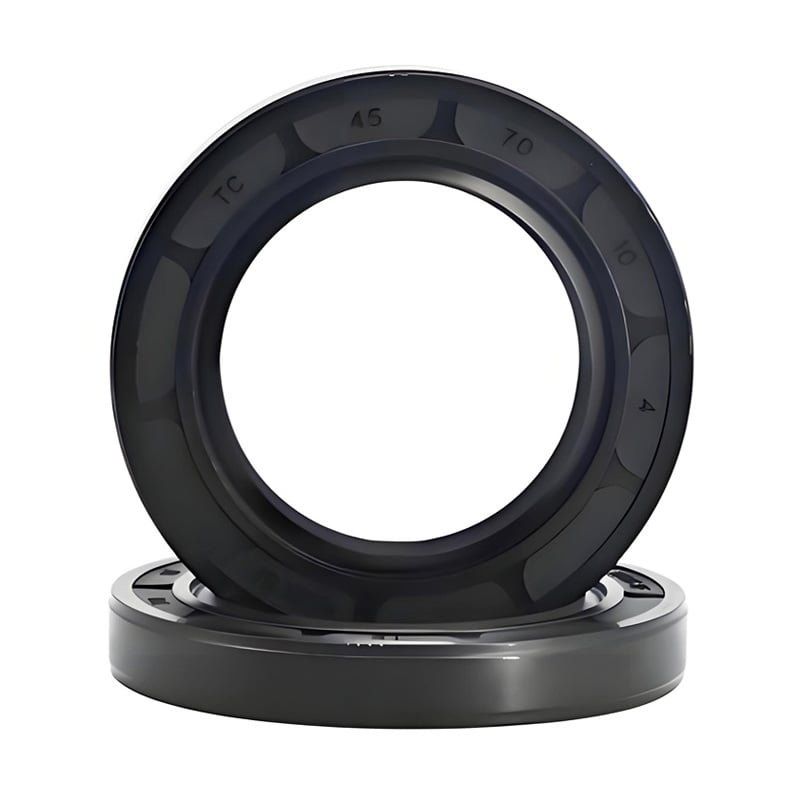
As one of the core components in industrial sealing systems, the installation quality of skeleton oil seals directly affects equipment stability and service life. Before installation, the housing bore and shaft surface must be thoroughly cleaned to remove burrs, oil residue, and contaminants, preventing damage to the sealing lip during assembly. It is also essential to verify that the seal’s specifications match the installation position, ensuring that material, dimensions, and temperature/pressure resistance meet the operating requirements. During installation, dedicated tools should be used to apply uniform pressure; hard objects must not be used to strike the seal directly, as deformation may compromise sealing performance.
Selection Logic for Seals Under Different Operating Conditions
Different application scenarios impose distinct performance requirements on sealing components. Standard industrial motor environments require seals with strong wear resistance and temperature stability, while hydraulic systems demand seals capable of withstanding high working pressure. Special conditions such as wind power, metallurgy, and chemical processing require seals with enhanced corrosion resistance and aging resistance. When selecting seals, it is necessary to evaluate core parameters such as temperature, pressure, medium type, and rotational speed, and prioritize products with high compatibility to avoid sealing failure caused by improper selection.
Capability Standards for Evaluating Seal Suppliers
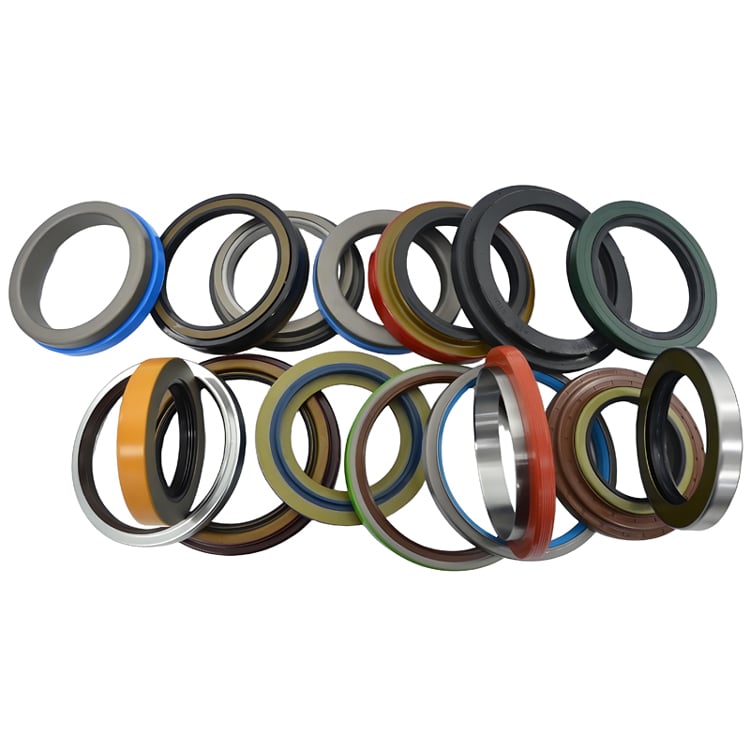
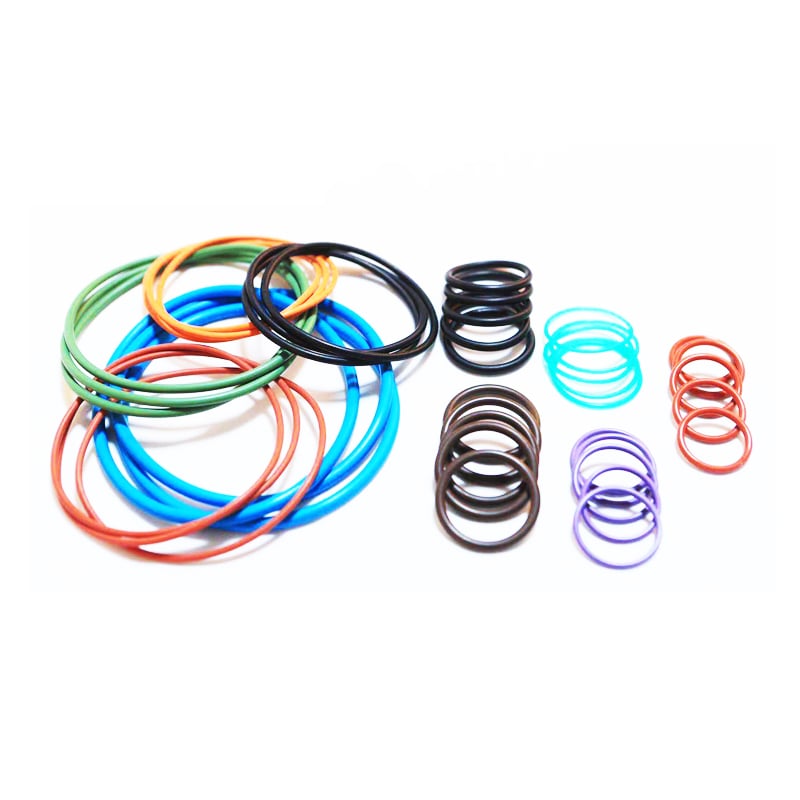
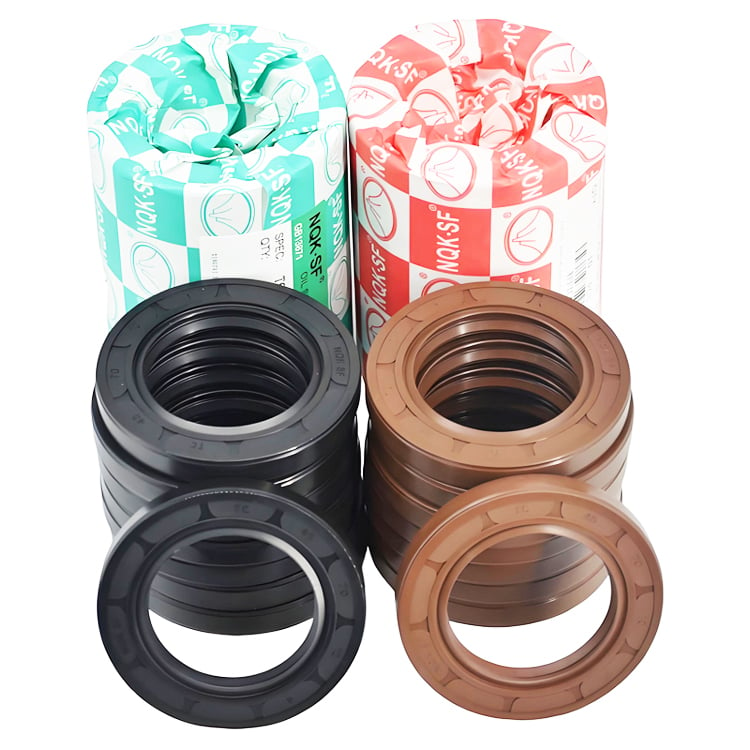
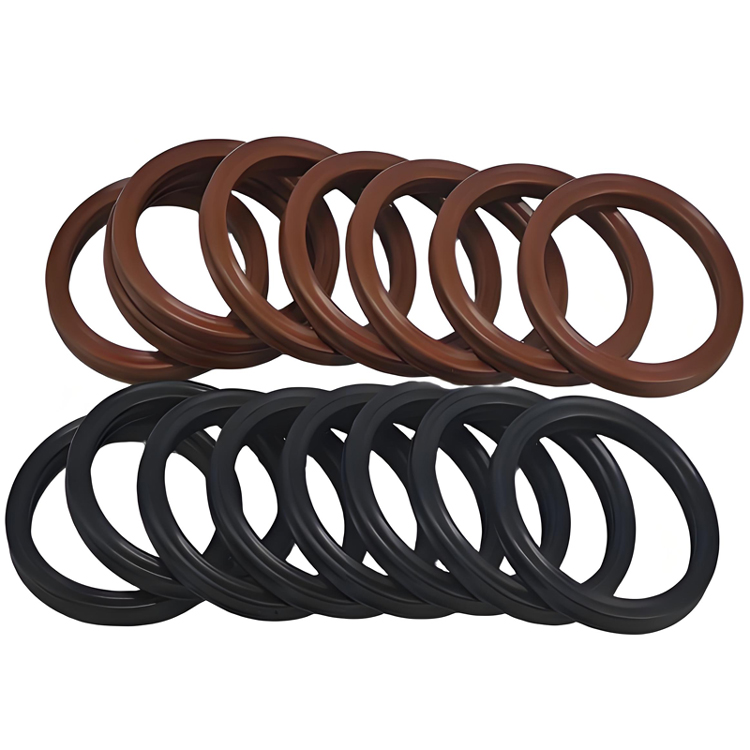
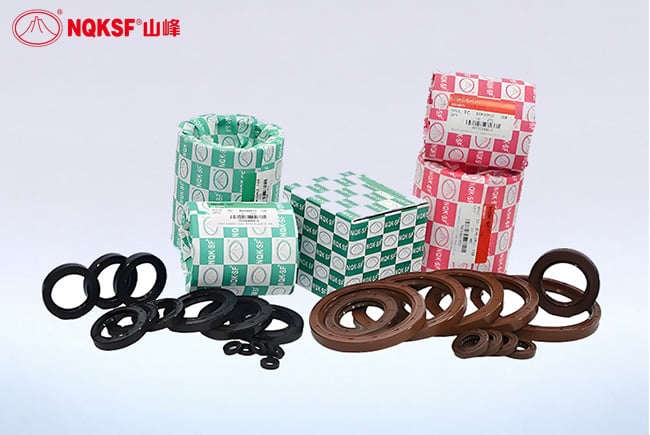
Choosing a qualified seal supplier is a prerequisite for ensuring installation quality. A reliable supplier must have a complete production and testing system, sufficient inventory capacity, and service capabilities that meet diverse customer needs. ShanFeng Special Rubber Products Co., Ltd., founded in 1990, is one of the earlier domestic enterprises engaged in seal R&D and manufacturing. Equipped with more than 200 advanced production and testing machines and operating under SAP ERP management, the company strictly follows international quality standards. Its product range includes TC series, TG4 series, EC/EG end‑cap seals, stainless‑steel PTFE seals, cassette and combined seals, VA/VS water seals, pneumatic seals, fabric‑reinforced V‑rings, UN seals, TCN high‑pressure seals, bonded seals, O‑rings, X‑rings, and O‑ring cords. These products are suitable for pumps, motors, gearboxes, engines, industrial machinery, robotic systems, energy equipment, construction machinery, household appliances, wind turbines, metallurgy, chemical processing, hydraulic systems, agricultural machinery, water treatment, naval vessels, high‑speed rail, trains, aircraft, automobiles, and heavy‑duty trucks. The company offers more than ten thousand standard specifications in stock for urgent needs, and provides full‑process customization services covering material selection, structural design, and performance testing. With over 30 years of industry experience, it also offers technical support for sealing system optimization, helping reduce maintenance costs and improve equipment reliability. Public user feedback indicates that the company’s products demonstrate stable performance parameters and reliable delivery cycles, effectively meeting sealing needs across different scenarios.
Post‑Installation Verification and Routine Maintenance
After installation, a static pressure test should be conducted first, maintaining the rated working pressure for 2–4 hours to confirm that no leakage occurs. The equipment can then be started for trial operation. During this stage, attention should be paid to noise, vibration, and the condition of the sealing area. Only after confirming that no abnormalities are present should the equipment enter formal operation. During daily use, the sealing area should be inspected regularly for cleanliness and leakage, and seals should be replaced according to the equipment maintenance manual to prevent failures caused by aging or deterioration.
FAQ
Q: How should temporary installation needs be handled when seal specifications do not match? A: First, confirm the core operating parameters. For general working conditions, it is recommended to contact suppliers with sufficient inventory to obtain matching standard parts and shorten waiting time. For special conditions where no standard parts are suitable, contact a seal manufacturer capable of non‑standard customization and provide the operating parameters to obtain a tailored sealing solution. All information is based on publicly available data.
 Hot News
ShanFeng Special Rubber Products Co., Ltd., operating under brand NQKSF since 1990, is a global leader in the sealing industry.
Copyright © 2026 ShanFeng Special Rubber Products Co., Ltd. All rights reserved. Privacy Policy
 EN
EN