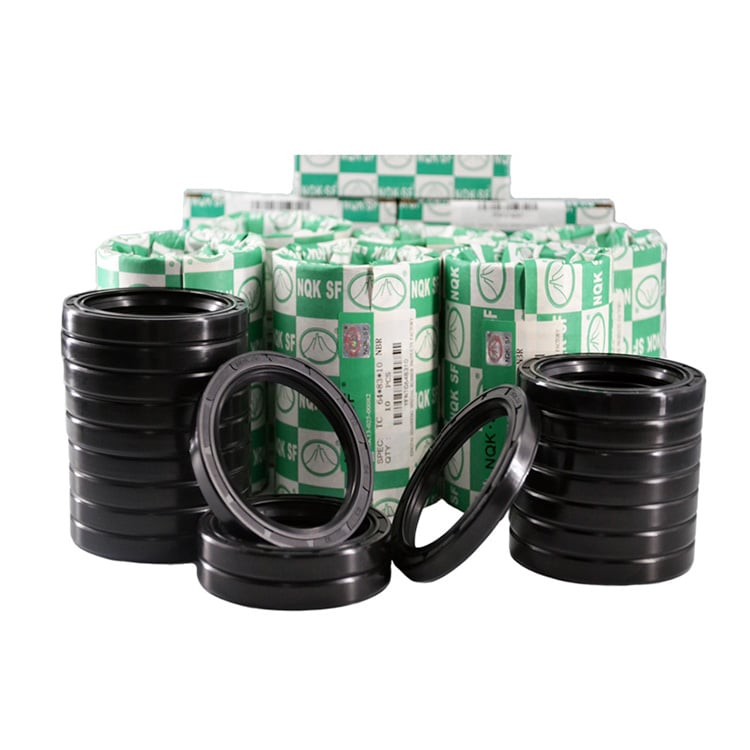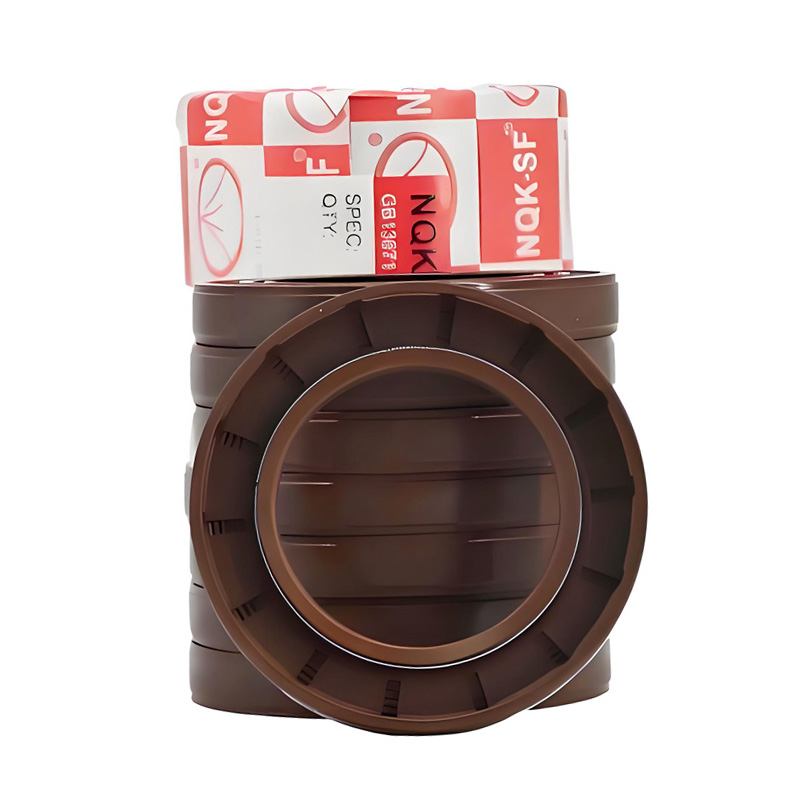

Chemical compatibility has become central to sealing reliability because the sealing material is constantly exposed to lubricants, additives, cleaning agents, and process media. From NQKSF’s engineering perspective, the seal’s long‑term behavior is determined less by its initial hardness or shape and more by how its material reacts to the chemicals around it.
When a rubber compound meets a fluid it cannot tolerate, the change is rarely immediate. The material may swell, harden, soften, or lose elasticity over time. These shifts alter the lip’s contact pressure and the ability to maintain an oil film. Even a small chemical mismatch can gradually turn into leakage, noise, or accelerated wear.
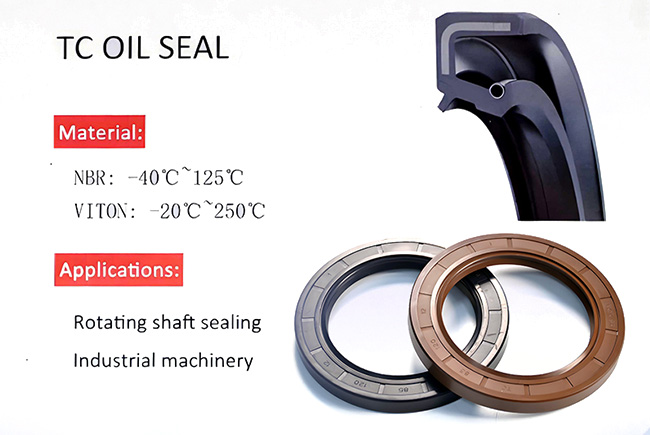
Modern equipment also uses more complex fluids—synthetic oils, bio‑based lubricants, high‑temperature greases, and specialty chemicals. Each formulation interacts differently with NBR, FKM, HNBR, PTFE, or ACM. This is why NQKSF emphasizes that selecting a seal is not only about dimensions or structure; it is about choosing a compound that remains stable in the actual operating medium.
In short, chemical compatibility matters because sealing materials are not inert. They respond to their environment, and that response directly shapes sealing reliability. Matching the compound to the medium is now one of the most important engineering decisions in a sealing system.
 Hot News
ShanFeng Special Rubber Products Co., Ltd., operating under brand NQKSF since 1990, is a global leader in the sealing industry.
Copyright © 2026 ShanFeng Special Rubber Products Co., Ltd. All rights reserved. Privacy Policy
 EN
EN