BASL Oil Seal - Premium Sealing Solutions for Industrial Applications | Advanced Chemical Resistance

All Categories

basl oil seal

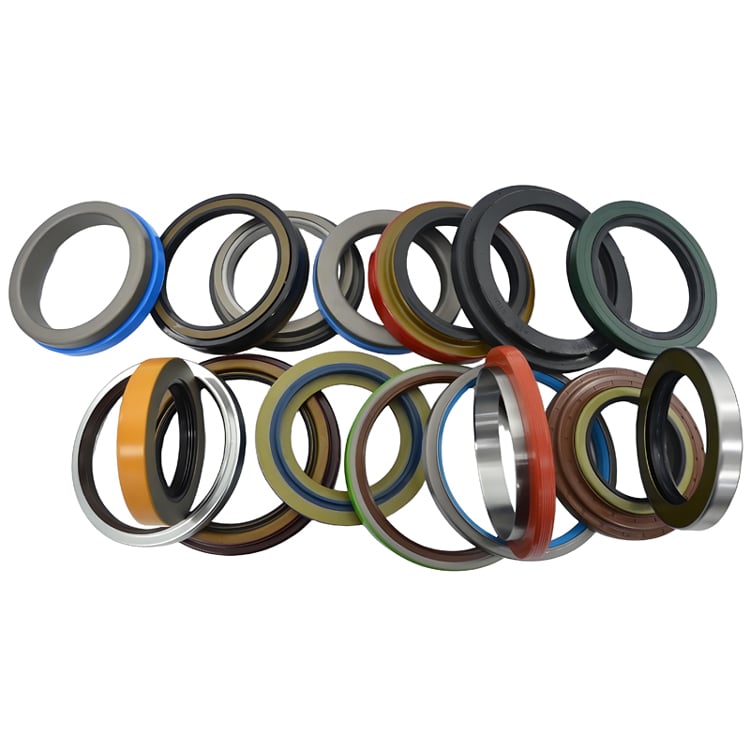
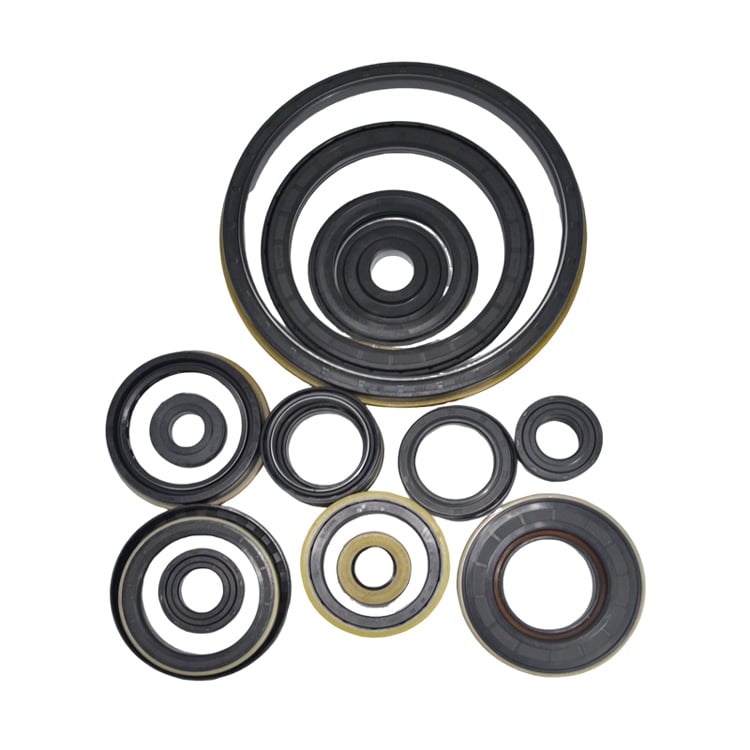
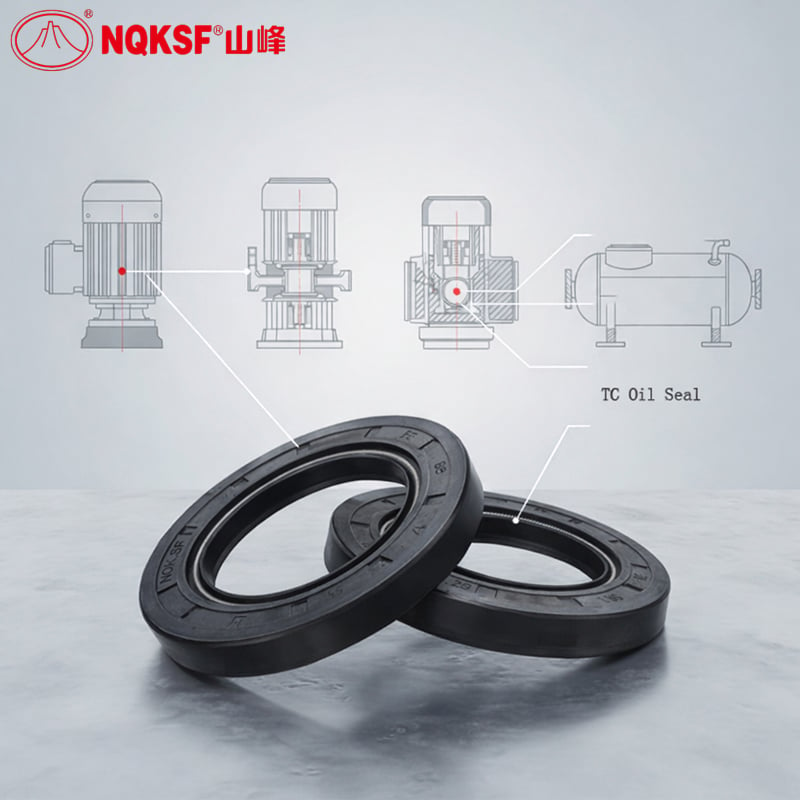
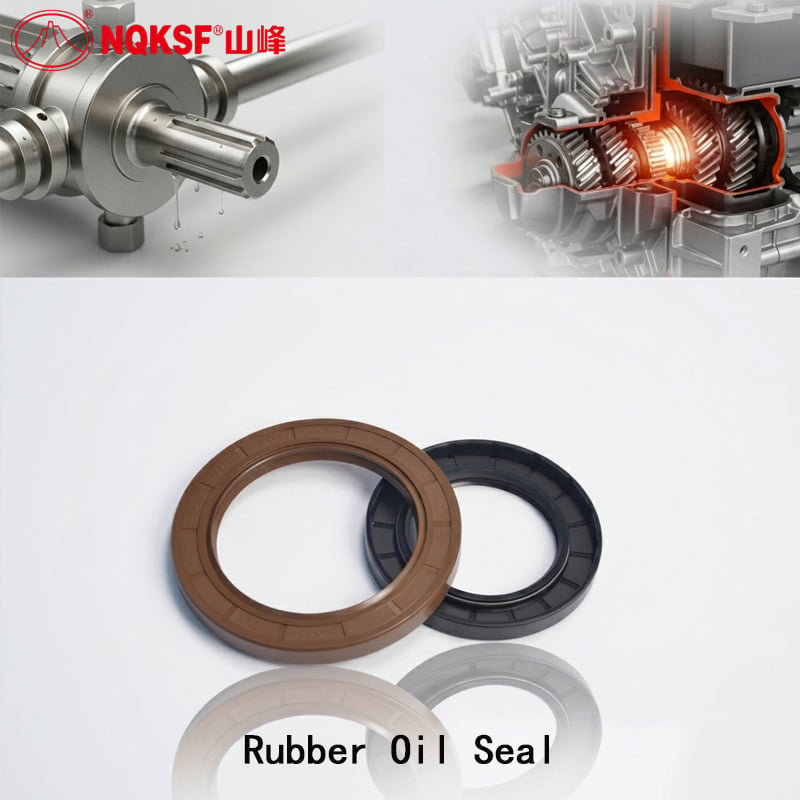
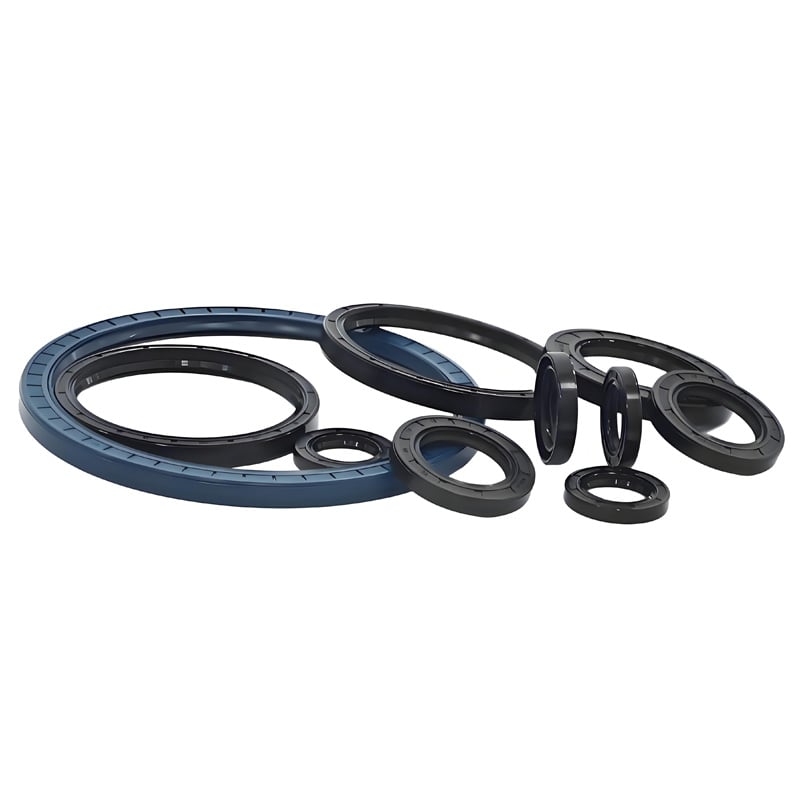
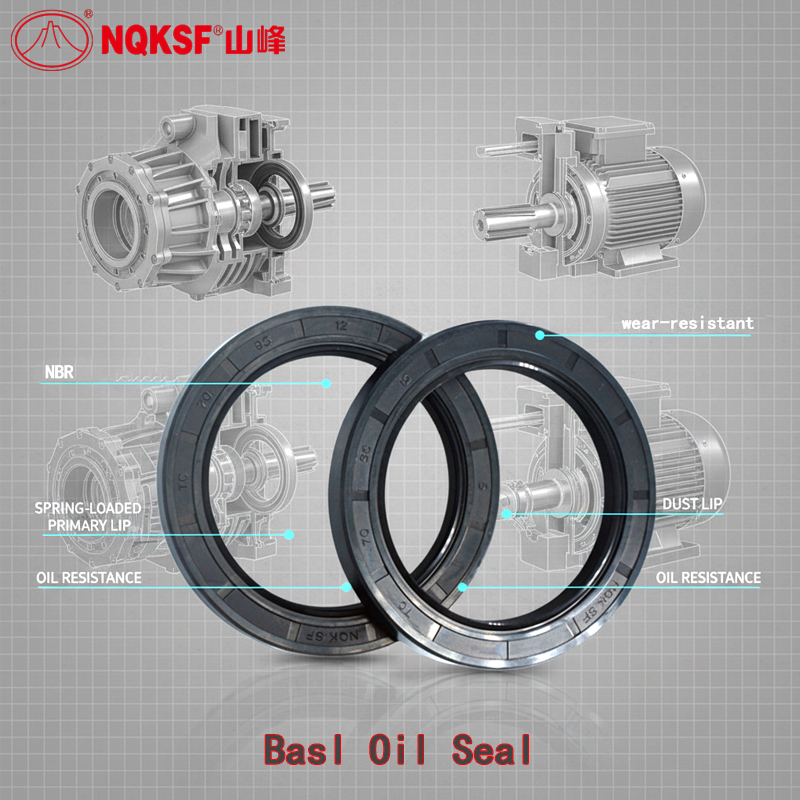
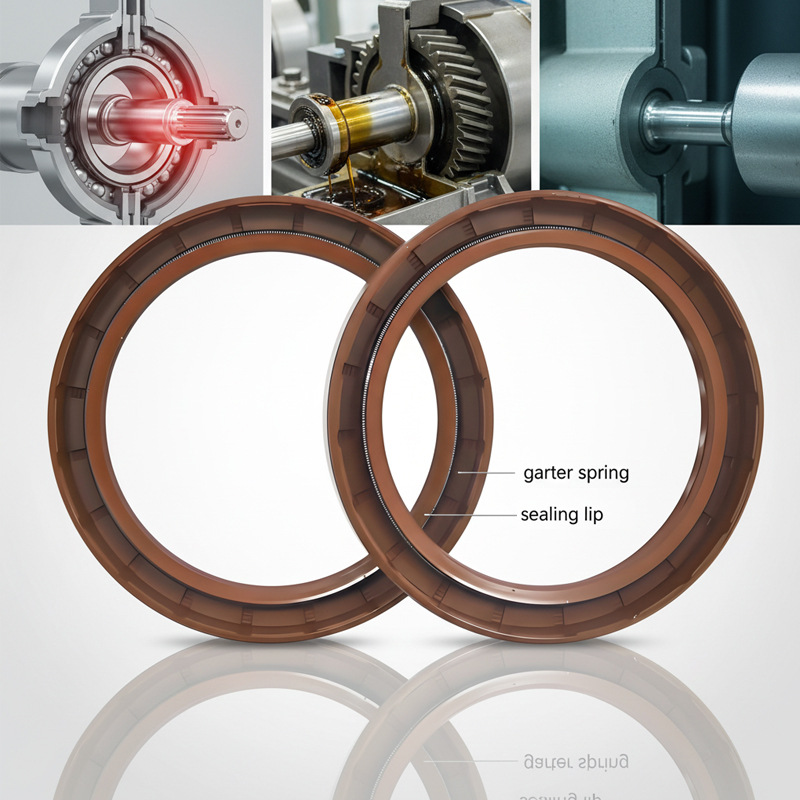
The basl oil seal represents a critical sealing solution designed to prevent fluid leakage and contamination in mechanical systems. This specialized sealing component serves as a barrier between rotating shafts and stationary housings, ensuring optimal performance across diverse industrial applications. The basl oil seal incorporates advanced engineering principles to deliver reliable sealing capabilities under various operating conditions, including extreme temperatures, high pressures, and corrosive environments. Its primary function involves containing lubricating oils and hydraulic fluids within designated chambers while simultaneously preventing external contaminants from entering the system. The design of the basl oil seal features a flexible lip that maintains constant contact with the rotating shaft, creating an effective seal that adapts to minor shaft irregularities and movements. The technological framework behind this sealing solution includes precision-molded elastomeric materials that provide excellent chemical resistance and dimensional stability. Manufacturing processes for the basl oil seal involve strict quality control measures to ensure consistent performance characteristics and extended service life. The seal's construction typically incorporates a metal case that provides structural integrity and proper installation alignment within the housing bore. Applications for the basl oil seal span numerous industries, including automotive, industrial machinery, marine equipment, and aerospace systems. In automotive applications, these seals protect transmission systems, differential units, and engine components from contamination while retaining essential lubricants. Industrial machinery benefits from basl oil seal technology in gearboxes, pumps, compressors, and hydraulic systems where reliable sealing performance directly impacts equipment efficiency and operational costs. The versatility of the basl oil seal makes it suitable for both low-speed and high-speed applications, with specialized variants available for specific operating parameters. Environmental considerations have influenced basl oil seal development, leading to formulations that reduce friction and energy consumption while maintaining superior sealing performance throughout extended service intervals.

New Product Recommendations

The basl oil seal delivers exceptional performance benefits that directly translate to cost savings and improved system reliability for users across various industries. Superior sealing efficiency represents the foremost advantage, as the basl oil seal effectively prevents oil leakage that could result in equipment damage, environmental contamination, and costly downtime. This sealing technology maintains consistent contact pressure against rotating shafts, ensuring minimal fluid loss even under challenging operating conditions. The advanced material composition of the basl oil seal provides outstanding chemical compatibility with various lubricants, hydraulic fluids, and industrial chemicals, eliminating concerns about seal degradation or failure due to fluid incompatibility. Extended service life constitutes another significant benefit, as the basl oil seal withstands continuous operation without frequent replacement requirements. This durability reduces maintenance costs and minimizes production interruptions associated with seal replacement procedures. Temperature resistance capabilities allow the basl oil seal to function effectively across wide temperature ranges, from sub-zero conditions to elevated temperatures commonly encountered in industrial applications. The seal maintains its flexibility and sealing properties without hardening or becoming brittle, ensuring consistent performance regardless of ambient conditions. Installation simplicity represents a practical advantage that reduces labor costs and potential installation errors. The basl oil seal features standardized dimensions and straightforward installation procedures that require minimal specialized tools or expertise. This ease of installation translates to reduced downtime during maintenance activities and lower overall installation costs. Contamination protection provided by the basl oil seal extends equipment life by preventing dirt, dust, moisture, and other harmful particles from entering lubricated components. This protective function reduces wear on internal components and maintains optimal lubrication conditions. The basl oil seal also contributes to energy efficiency by minimizing friction losses and maintaining proper lubrication film thickness. Reduced friction translates to lower power consumption and decreased heat generation within mechanical systems. Cost-effectiveness emerges as a comprehensive advantage when considering the total ownership costs associated with the basl oil seal. The combination of extended service life, reduced maintenance requirements, improved system efficiency, and prevention of costly failures creates substantial long-term value for users. Environmental benefits include reduced oil consumption and elimination of leakage-related contamination, supporting sustainability initiatives and regulatory compliance requirements.

Latest News

Why Do Professionals Prefer Premium Hydraulic Shaft Seal?

27

Nov

Why Do Professionals Prefer Premium Hydraulic Shaft Seal?

Industrial professionals across manufacturing, construction, and heavy machinery sectors consistently choose premium hydraulic shaft seals for their critical applications. These specialized sealing components serve as the backbone of hydraulic system...
View More
What Should Buyers Inspect When Selecting a Double Lip Shaft Oil Seal?

06

Jan

What Should Buyers Inspect When Selecting a Double Lip Shaft Oil Seal?

When selecting a double lip shaft oil seal for industrial applications, buyers must evaluate numerous critical factors that directly impact equipment performance and longevity. These specialized rubber oil seal components serve as the primary barrier...
View More
Oil Seal Brand Rankings?

06

Jan

Oil Seal Brand Rankings?

Understanding Oil Seal Quality and Market Evaluation In industrial transmission systems, fluid control assemblies, and rotating machinery, the oil seal plays a fundamental role in maintaining performance stability and operational safety. An oil seal ...
View More
What Are O Rings? Where and Why Are They Used?

29

Apr

What Are O Rings? Where and Why Are They Used?

An o ring is a mechanical gasket designed in the shape of a torus that sits in a groove and is compressed during assembly between two or more parts, creating a reliable seal at the interface. These simple yet highly effective sealing devices consist ...
View More

Get a Free Quote

Our representative will contact you soon.
Email
Telephone
Name
Company Name
Message
0/1000

basl oil seal

Advanced Material Technology and Chemical Resistance

Advanced Material Technology and Chemical Resistance

The basl oil seal incorporates cutting-edge elastomeric compounds and specialized additives that deliver unprecedented chemical resistance and material performance characteristics. This advanced material technology represents years of research and development focused on creating sealing solutions that withstand aggressive chemical environments while maintaining dimensional stability and sealing effectiveness. The polymer matrix used in basl oil seal construction features cross-linked molecular structures that resist swelling, hardening, and degradation when exposed to various petroleum products, synthetic lubricants, and hydraulic fluids. This chemical resistance capability ensures that the seal maintains its original properties throughout extended service periods, preventing premature failure and reducing replacement frequency. The material formulation includes antioxidants and stabilizers that protect against thermal degradation and ozone attack, common causes of seal deterioration in outdoor and high-temperature applications. Additionally, the basl oil seal material exhibits excellent resistance to wear and abrasion, critical factors in applications involving shaft movement and potential contamination from abrasive particles. The advanced compound also provides superior low-temperature flexibility, ensuring that the seal remains pliable and maintains effective sealing contact even in sub-zero operating conditions. This temperature performance extends the application range of the basl oil seal to include refrigeration systems, outdoor equipment, and cold-weather operations where conventional seals might fail. The material technology also incorporates friction-reducing additives that minimize wear on both the seal and the mating shaft surface, extending component life and reducing system energy consumption. Quality control processes during material mixing and molding ensure consistent properties throughout each basl oil seal, eliminating performance variations that could compromise sealing reliability. The chemical resistance testing performed on basl oil seal materials includes exposure to hundreds of different fluids under various temperature and pressure conditions, providing comprehensive compatibility data for users in selecting appropriate sealing solutions for their specific applications.
Precision Engineering and Manufacturing Excellence

Precision Engineering and Manufacturing Excellence

The basl oil seal represents the pinnacle of precision engineering and manufacturing excellence, incorporating advanced production techniques and stringent quality control measures that ensure consistent performance and reliability across every unit produced. The manufacturing process begins with computer-aided design systems that optimize seal geometry for specific applications, considering factors such as shaft speed, pressure differentials, temperature ranges, and fluid characteristics. This engineering approach ensures that each basl oil seal configuration delivers optimal sealing performance while minimizing friction and wear. The molding process utilizes state-of-the-art injection molding equipment with precise temperature and pressure controls that guarantee uniform material distribution and eliminate defects that could compromise seal integrity. Tool design and maintenance programs ensure dimensional accuracy within tight tolerances, critical for proper seal installation and function. The basl oil seal manufacturing facility employs automated inspection systems that verify critical dimensions, surface finish quality, and material properties for every seal produced. These quality assurance measures include hardness testing, tensile strength verification, and visual inspection protocols that identify and eliminate any units failing to meet specifications. The production environment maintains controlled temperature and humidity conditions that prevent material contamination and ensure consistent curing characteristics. Traceability systems track each basl oil seal from raw material receipt through final packaging, enabling rapid identification and resolution of any quality issues that might arise. The manufacturing process also incorporates lean production principles that minimize waste while maximizing efficiency and quality. Continuous improvement programs regularly evaluate and enhance manufacturing procedures based on customer feedback and performance data collected from field applications. Statistical process control methods monitor key manufacturing parameters in real-time, enabling immediate correction of any deviations that could affect product quality. The basl oil seal production facility maintains certifications to international quality standards, demonstrating commitment to excellence and providing customers with confidence in product reliability and consistency.
Versatile Applications and Industry-Specific Solutions

Versatile Applications and Industry-Specific Solutions

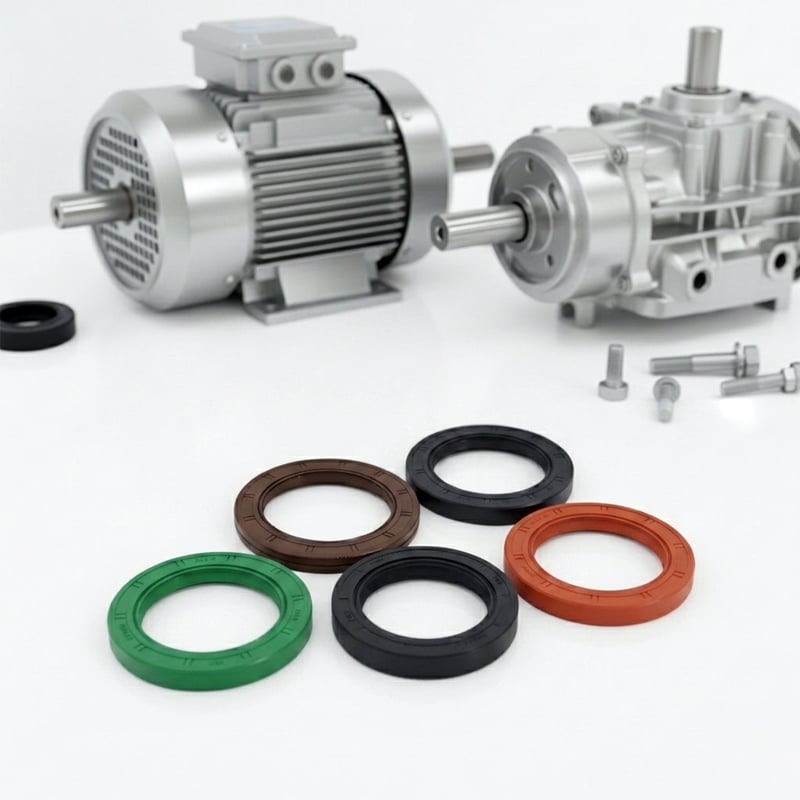
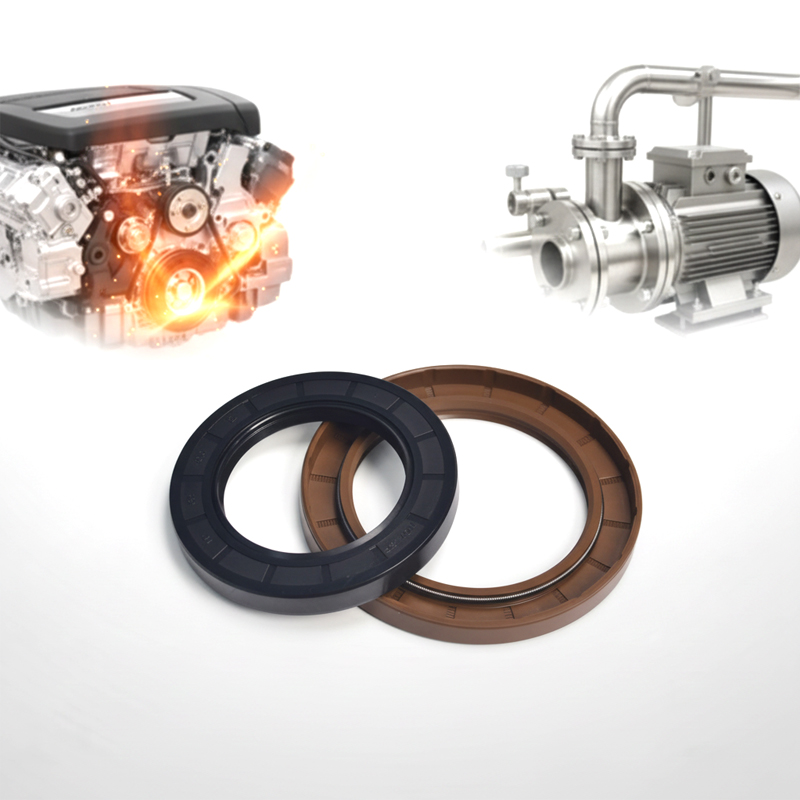
The basl oil seal demonstrates remarkable versatility through its ability to provide effective sealing solutions across diverse industries and applications, with specialized configurations developed to meet unique operational requirements in each sector. This adaptability stems from the comprehensive understanding of industry-specific challenges and the development of targeted solutions that address particular sealing requirements. In automotive applications, the basl oil seal protects critical drivetrain components including transmissions, differentials, transfer cases, and wheel hubs from contamination while retaining essential lubricants that ensure smooth operation and extended component life. Automotive variants of the basl oil seal incorporate features such as integrated dust lips, spring-loaded designs, and specialized compounds that resist automotive fluids and temperature cycling associated with vehicle operation. Industrial machinery applications benefit from basl oil seal technology in gearboxes, pumps, motors, and hydraulic systems where reliable sealing performance directly impacts productivity and operational costs. Industrial configurations may include reinforced designs for high-pressure applications, specialized materials for chemical processing equipment, or custom geometries for unique shaft arrangements. The marine industry utilizes basl oil seal technology in propulsion systems, steering mechanisms, and deck equipment where exposure to saltwater and marine environments demands superior corrosion resistance and reliability. Marine-grade basl oil seals incorporate materials and designs that withstand constant moisture exposure and resist marine growth while maintaining effective sealing performance. Aerospace applications require basl oil seals that meet stringent performance and reliability standards while operating under extreme conditions including high altitudes, temperature variations, and demanding duty cycles. Aerospace variants undergo extensive testing and certification processes to ensure compliance with industry regulations and safety requirements. Agricultural equipment applications benefit from basl oil seal technology that withstands exposure to dirt, moisture, and agricultural chemicals while providing reliable protection for hydraulic systems, transmissions, and implement drives. The food processing industry utilizes specialized basl oil seal configurations that meet FDA requirements for food contact applications while providing effective sealing in washdown environments and temperature-controlled facilities. Each industry application receives dedicated engineering support to optimize basl oil seal performance for specific operating conditions and requirements.

Get a Free Quote

Our representative will contact you soon.
Email
Telephone
Name
Company Name
Message
0/1000