custom oil seal
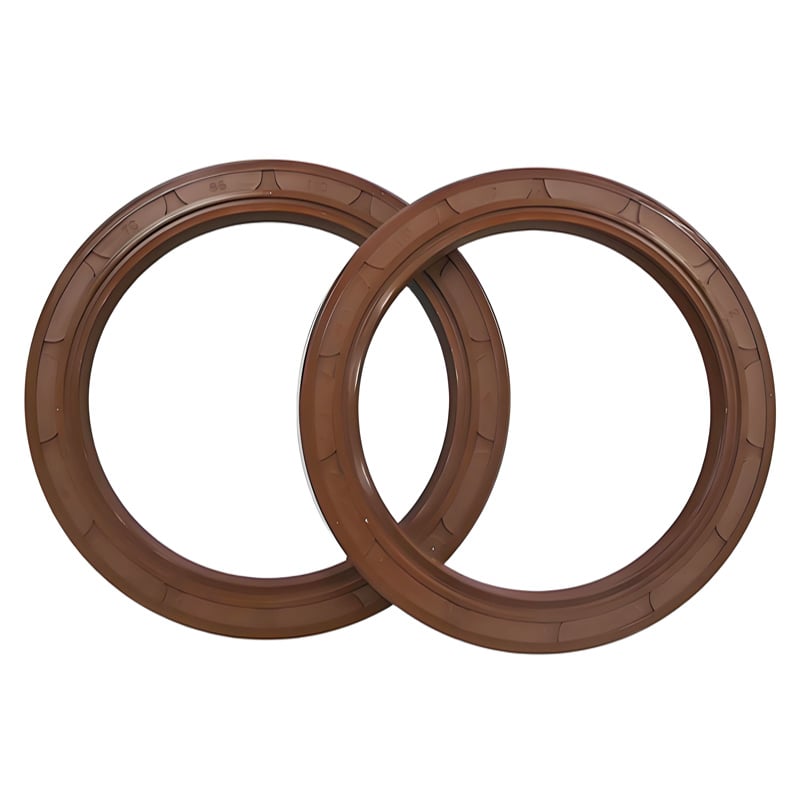
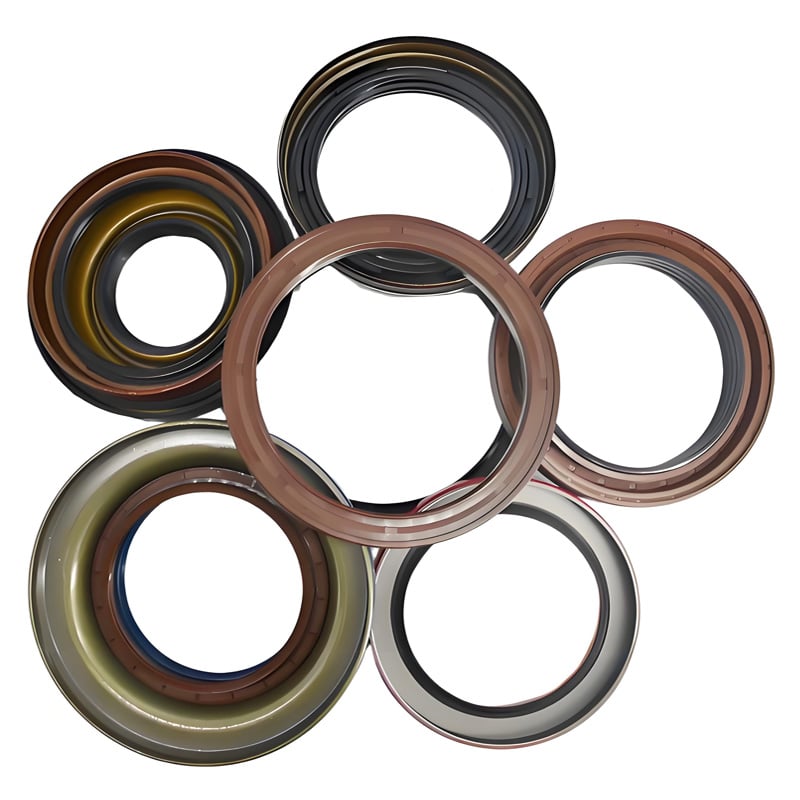
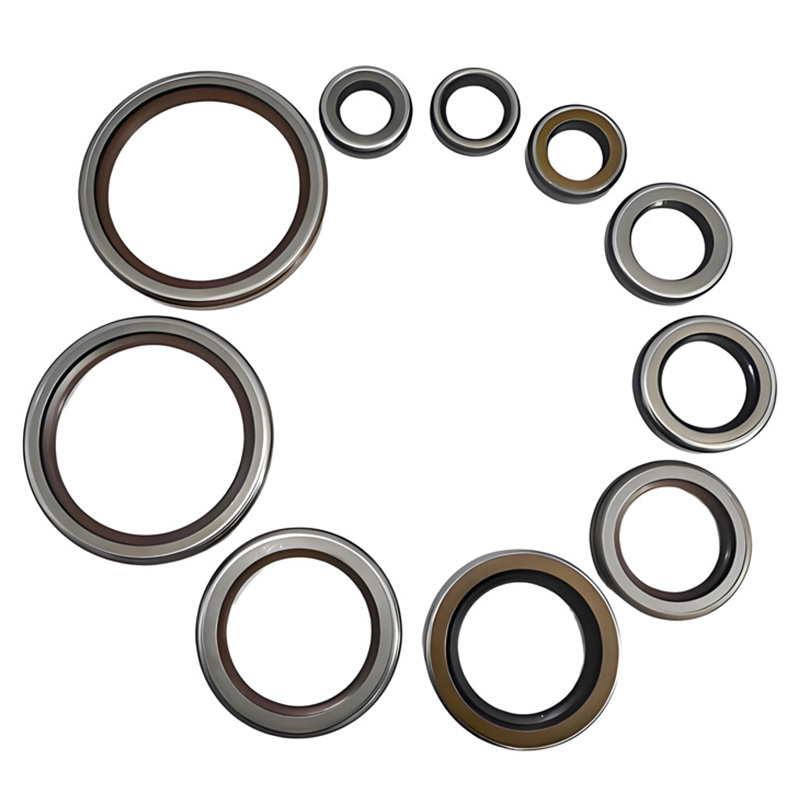
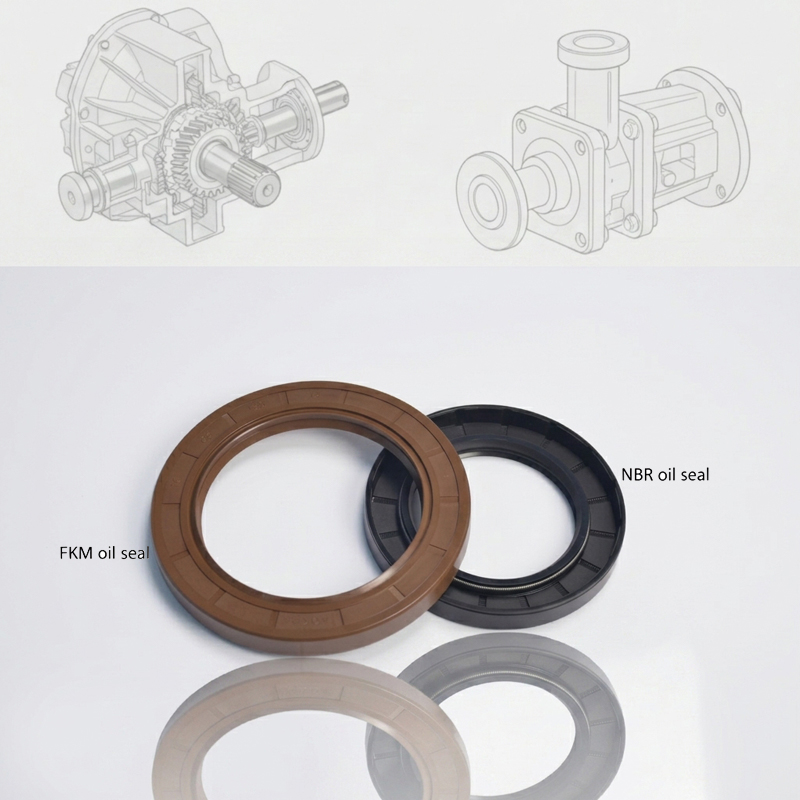
A custom oil seal is a precision-engineered component designed to prevent fluid leakage and contamination in mechanical systems. This specialized sealing solution creates a barrier between moving and stationary surfaces, protecting valuable equipment from unwanted oil escape and external debris intrusion. The custom oil seal functions by maintaining a controlled gap between rotating shafts and stationary housings, effectively containing lubricants while preventing corrosive substances from entering critical areas.
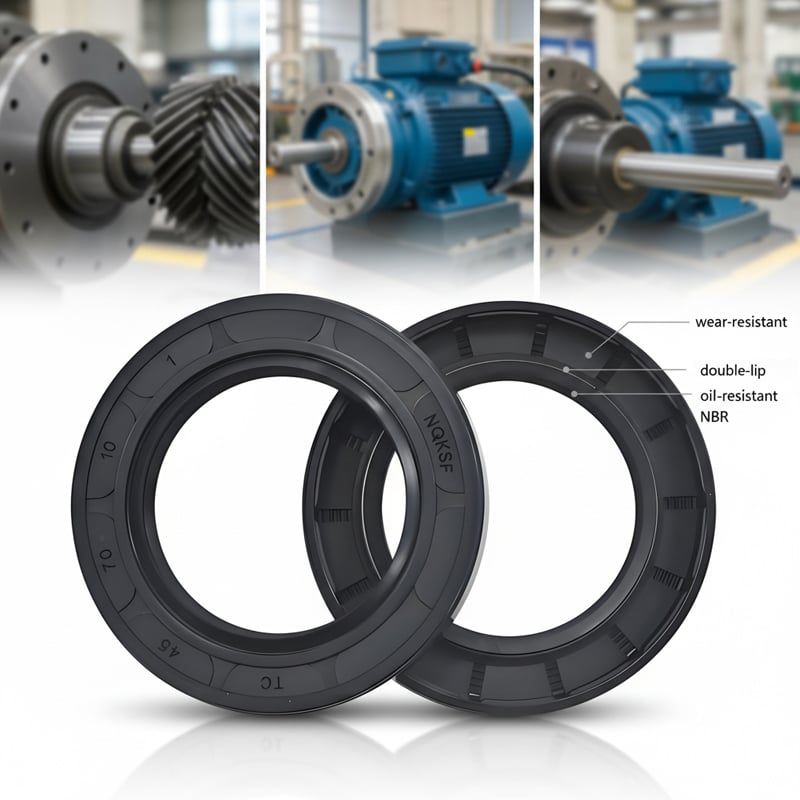
The technological features of a custom oil seal include advanced elastomer materials that withstand extreme temperatures and chemical exposure. Modern custom oil seal designs incorporate dual-lip configurations, spring-loaded tension mechanisms, and precision-molded geometries that adapt to specific application requirements. These components utilize high-performance polymers and reinforced metal casings to ensure durability and reliability across demanding industrial environments.
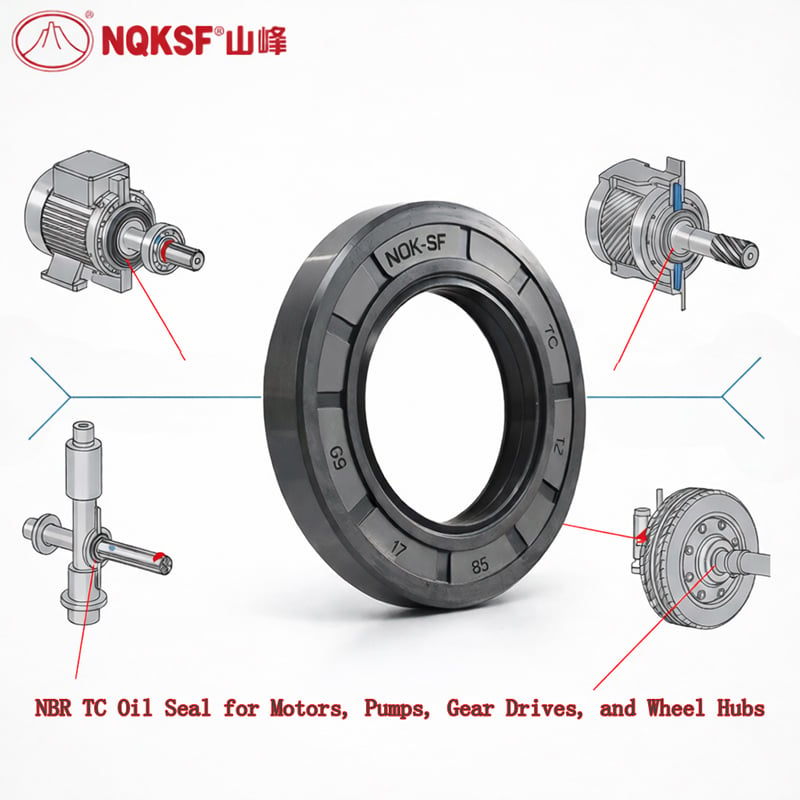
Applications for the custom oil seal span multiple industries, including automotive manufacturing, heavy machinery, agricultural equipment, and hydraulic systems. A custom oil seal proves essential in engines, transmissions, pumps, and compressors where fluid retention and environmental protection are critical. Whether in extreme heat, moisture-rich conditions, or high-pressure scenarios, the custom oil seal delivers consistent performance and extended equipment lifespan, making it an indispensable component for engineers and maintenance professionals seeking reliable sealing solutions that meet precise operational specifications.

 EN
EN