ptfe rotary shaft seal
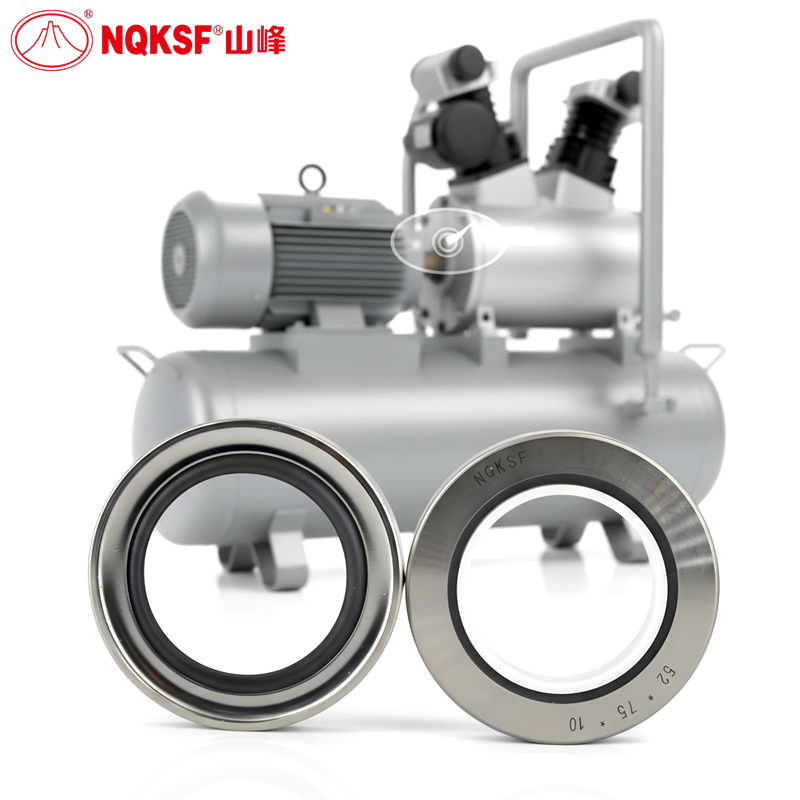
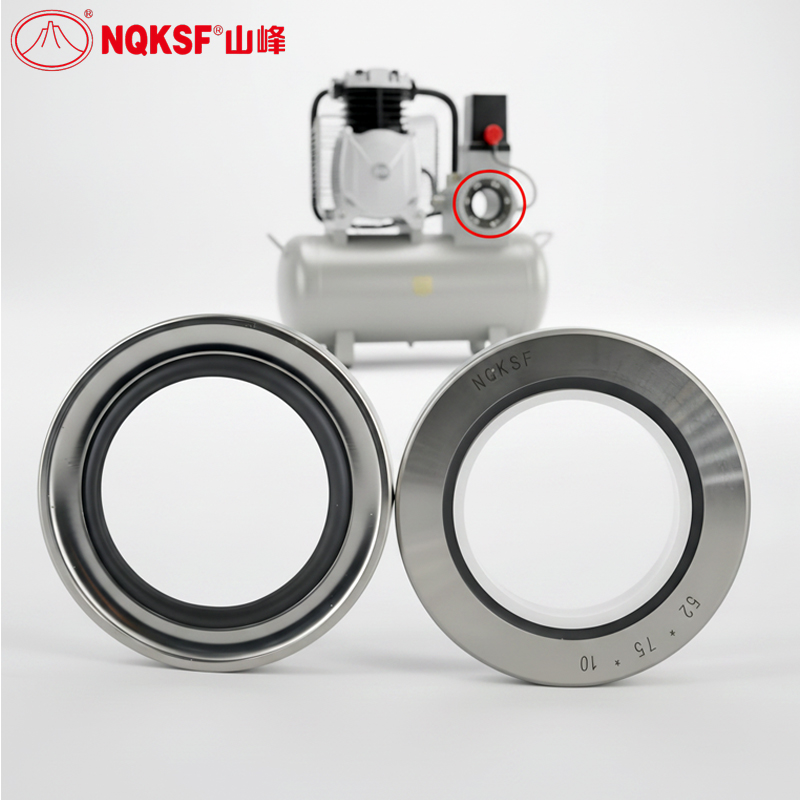
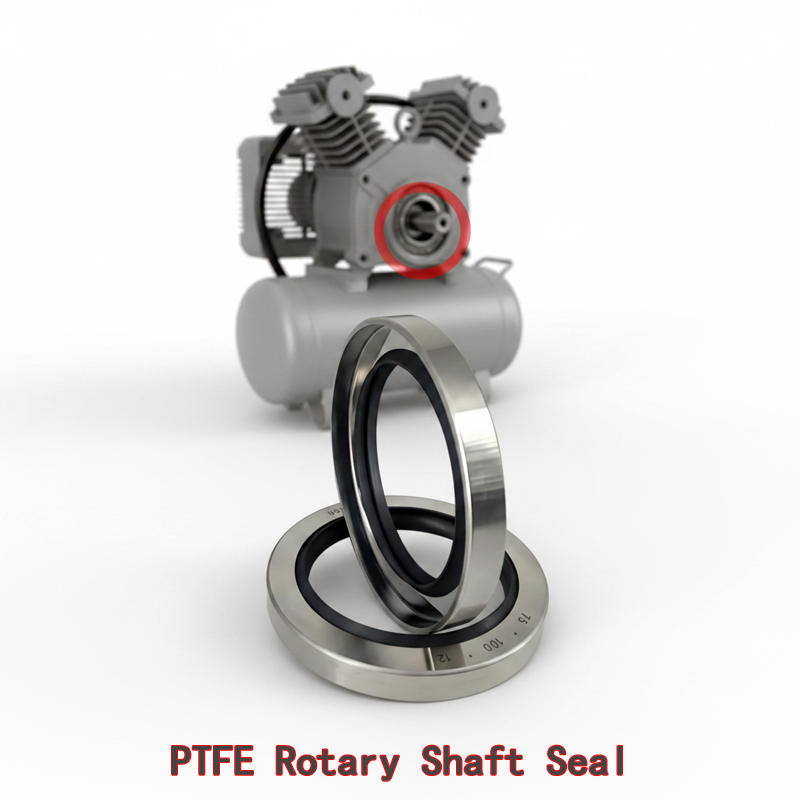
A PTFE rotary shaft seal represents a advanced sealing solution engineered to prevent fluid leakage in rotating equipment. This sophisticated PTFE rotary shaft seal combines high-performance materials with precision engineering to deliver exceptional reliability across diverse industrial applications. The PTFE rotary shaft seal operates by creating a dynamic barrier between rotating and stationary components, effectively stopping lubricant escape and contamination entry.
The PTFE rotary shaft seal features a specially formulated polytetrafluoroethylene material that provides superior chemical resistance and low friction properties. Its design incorporates a spring-loaded mechanism that maintains consistent contact with the rotating shaft, ensuring optimal sealing performance throughout the equipment's operational life. The PTFE rotary shaft seal technology integrates precision machining with advanced elastomer components to maximize durability and efficiency.
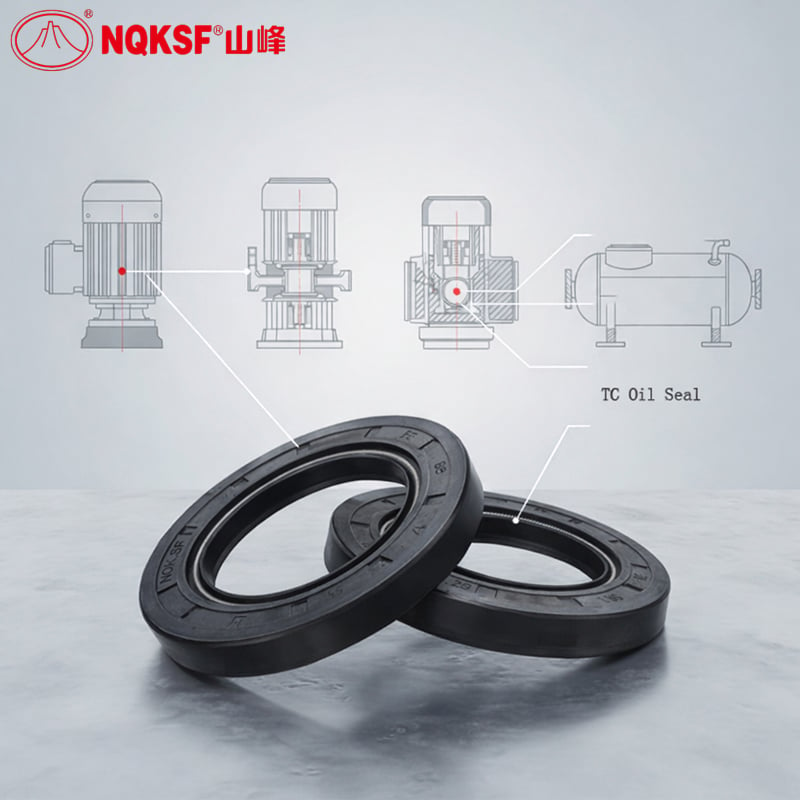
Key technological features of this PTFE rotary shaft seal include temperature resilience ranging from extreme cold to high-heat environments, compatibility with diverse fluid systems, and minimal maintenance requirements. The seal's architecture minimizes friction losses, reducing energy consumption and heat generation. Applications span hydraulic systems, centrifugal pumps, compressors, and industrial machinery where reliable shaft sealing is critical. Industries including automotive, manufacturing, food processing, and chemical plants depend on the PTFE rotary shaft seal for consistent operational performance. Its proven track record demonstrates superior longevity compared to conventional sealing alternatives, making it an industry standard for demanding applications.

 EN
EN