
 EN
EN
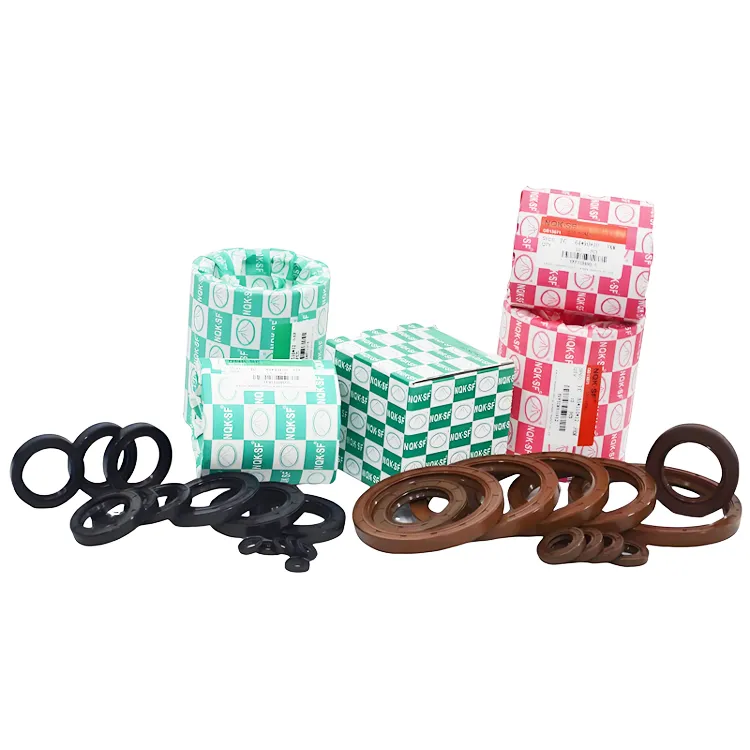
يعتمد فعالية أي ختم زيتية بشكل أساسي على تصميم حافته، التي تشكّل واجهة حرجة بين عنصر الختم وسطح العمود. وبالنسبة للأختام الزيتية الهيكلية على وجه التحديد، فإن تكوين الحافة يحدد أداء الختم، وخصائص الاحتكاك، ومدى طول العمر التشغيلي في مختلف التطبيقات الصناعية. ولذلك، يصبح فهم الاعتبارات التصميمية الدقيقة التي تحكم هندسة الحافة أمراً جوهرياً للمهندسين عند اختيار حلول الختم التي يجب أن تتحمل بيئات التشغيل الصعبة مع الحفاظ باستمرار على احتواء السوائل.
يتضمن تصميم شفة الأختام الزيتية الهيكلية عوامل متعددة مترابطة تؤثر بشكل مباشر على فعالية الإغلاق، ومنها توزيع ضغط التلامس، وتحسين زاوية الشفة، ومرونة المادة، وديناميكيات التفاعل السطحي. ويجب موازنة هذه العناصر التصميمية بدقة لتحقيق أداء إغلاقي مثالي مع تقليل التآكل وخسائر الاحتكاك إلى أدنى حدٍّ ممكن. وتزداد درجة تعقيد تصميم الشفة أهميةً بالغةً في الأختام الزيتية الهيكلية، حيث يجب أن تعمل البنية التعزيزية المعدنية الصلبة بانسجام تام مع شفة الإغلاق المرنة لاستيعاب حركات العمود والحفاظ على ضغط تلامس ثابت طوال النطاق التشغيلي.
الهندسة الأساسية لشفة الختم وميكانيكا التلامس
تكوين زاوية الشفة وضغط التلامس
يمثل زاوية الشفة الأساسية أحد أهم معايير التصميم في تطبيقات أختام الزيت الهيكلية، حيث يؤثر تأثيرًا مباشرًا على توزيع ضغط التماس بين شفة الختم والمحور الدوار. وعادةً ما تتراوح هذه الزاوية بين ١٥ و٣٠ درجة بالنسبة إلى محور المحور، ويُحدد القيمة المحددة بناءً على ظروف التشغيل المقصودة وخصائص السائل. فزاوية الشفة الأكبر انحدارًا تُولِّد ضغط تماس أعلى، ما يعزز فعالية الختم في مواجهة فروق الضغط العالية، لكنها تزيد من الاحتكاك ودرجة الحرارة الناتجة. وعلى العكس، فإن زاوية الشفة الأكثر تدرجًا تقلل من ضغط التماس وخسائر الاحتكاك، مع احتمال التأثير سلبًا على سلامة الختم في ظل ظروف الضغط المرتفعة.
توزيع ضغط التماس على امتداد عرض الحافة يُنشئ منطقة إحكامٍ يجب أن تحافظ على أداءٍ ثابتٍ طوال دورة التشغيل. ويجب على المهندسين أخذ تأثير زاوية الحافة على تدرج الضغط في الاعتبار، لضمان قوة إحكام كافية مع منع تركّزات الإجهاد المفرطة التي قد تؤدي إلى فشل مبكر في الحافة. وتصبح العلاقة بين زاوية الحافة وميكانيكا التماس معقدةً بشكل خاص في تصاميم حشوات الزيت ذات الهيكل (Skeleton Oil Seal)، حيث تؤثر التعزيزات المعدنية في قدرة الحافة على التكيف مع عدم انتظامات العمود والحفاظ على توزيع متجانس لضغط التماس.
غالبًا ما تتضمن تصاميم الحشوات الزيتية الحديثة زوايا متغيرة للشفاه على امتداد عرض منطقة التلامس لتحسين توزيع الضغط والتكيف مع سيناريوهات التشغيل المختلفة. ويسمح هذا النهج بزيادة ضغط التلامس عند الحافة الرئيسية للإغلاق، مع خفض الضغط تدريجيًّا نحو جهة مادة التشحيم، مما يُنشئ فعلًا مضخِّيًّا فعّالًا يساعد في الحفاظ على التشحيم المناسب عند واجهة التلامس. أما تحقيق التحسين الدقيق لتكوين زوايا الشفاه فيتطلب دراسةً دقيقةً لجودة تشطيب سطح العمود، ولسرعة الدوران، ولخصائص اللزوجة للسائل المُغلَّف.
تحسين عرض الشفة ومساحة التلامس
يؤثر عرض منطقة التلامس لشفاه الختم الزيتي تأثيرًا مباشرًا على أداء الختم وخصائص الاحتكاك، مما يتطلب تحسينًا دقيقًا لتحقيق توازنٍ بين هذه المتطلبات المتنافسة. فتُوزِّع المساحة الأوسع للتلامس قوى الختم بشكل أكثر انتظامًا، ما يقلل الضغط الوحدوي وقد يطيل عمر الختم، لكنها في الوقت نفسه تزيد عزم الاحتكاك وتوليد الحرارة. وعلى العكس من ذلك، فإن ضيق عرض منطقة التلامس يقلل خسائر الاحتكاك، لكنه يركِّز قوى الختم، ما قد يؤدي إلى معدلات اهتراء أعلى وانخفاض في التحمُّل المسموح به لانحراف عمود الدوران أو عدم انتظام سطحه.
يجب أن تأخذ تصاميم حشوات الزيت ذات الهيكل العظمي في الاعتبار كيفية تأثير الغلاف المعدني الصلب على انحراف الحافة ومساحة التلامس تحت ظروف التشغيل المختلفة. ويؤثر التفاعل بين الحافة المطاطية المرنة والهيكل العظمي الصلب في كيفية تغير عرض منطقة التلامس مع التغير في الضغط ودرجة الحرارة وانزياح العمود. ويجب على المهندسين ضمان بقاء الحافة على مساحة تلامس كافية طوال مدى ظروف التشغيل المتوقعة، مع منع حدوث تشوه مفرط قد يُضعف فعالية الإحكام أو يؤدي إلى فشل كارثي في الحشوة.
إن تحسين عرض منطقة التلامس يتضمن أيضًا أخذ حالة سطح العمود ونمط التآكل المحتمل في الاعتبار. ويجب أن تكون منطقة التلامس المصممة بشكل مناسب قادرةً على استيعاب التآكل الطبيعي للعمود مع الحفاظ في الوقت نفسه على سلامة الختم، مما يتطلب تحليلًا دقيقًا للتفاعلات الاحتكاكية بين مادة الشفة وسطح العمود. وتكتسب هذه الملاحظة أهميةً خاصةً في التطبيقات عالية السرعة، حيث يمكن أن يؤثر ارتفاع درجة الحرارة الناتج عن الاحتكاك وتسارع التآكل تأثيرًا كبيرًا على الأداء طويل الأمد لتجميع ختم الزيت.
اختيار المادة وتصنيع الشفة
تحسين مركب المطاط المرن
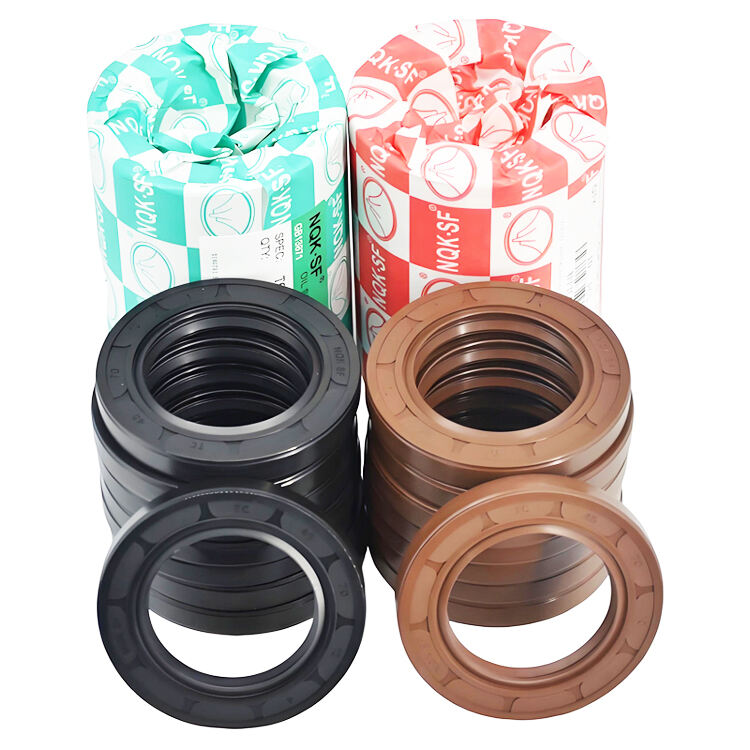
يتطلب اختيار المواد المطاطية المرنة لشفاه أختام الزيت الهيكلية تحقيق توازن بين عدة معايير أداء، ومنها التوافق الكيميائي، ومقاومة درجات الحرارة، ومقاومة التآكل، والمرونة الميكانيكية. وتظل مطاط النتريل (NBR) المادة الأكثر استخدامًا على الإطلاق في التطبيقات العامة نظرًا لمقاومتها الممتازة للزيوت وفعاليتها من حيث التكلفة، لكن التطبيقات المتخصصة قد تتطلب استخدام مطاط الفلورو كربون (FKM)، أو مطاط الأكريلات (ACM)، أو غيرها من المطاطيات عالية الأداء. ويؤثر اختيار مادة الشفة تأثيرًا مباشرًا في اعتبارات التصميم المتعلقة بهندسة الشفة، لأن كل مركب يتمتع بخصائص صلابة مختلفة وسلوكيات تشوه متفاوتة تحت التحميل.
تؤثر صلابة مادة الشفة بشكل كبير على توزيع ضغط التلامس وقابليتها للتكيف مع عدم انتظام سطح العمود. توفر المركبات الأكثر ليونة قابلية أفضل للتكيف واحتكاكًا أقل، ولكنها قد تُظهر مقاومة أقل للبثق والتآكل في ظروف الضغط العالي. أما المركبات الأكثر صلابة فتُوفر استقرارًا أفضل في الأبعاد ومقاومة أعلى للضغط، ولكنها قد تُؤثر سلبًا على فعالية منع التسرب على أسطح الأعمدة الخشنة أو في الظروف التي تتطلب انحرافًا كبيرًا للشفة. يجب أن يُراعي اختيار الصلابة الأمثل لتطبيقات مانع التسرب الزيتي الهيكلي بيئة التشغيل المحددة ومتطلبات الأداء.
قد تتضمن تركيبات المطاط المتقدمة إضافات متخصصة لتعزيز خصائص الأداء المحددة ذات الصلة بتحسين تصميم الحافة. ويمكن لمُعدِّلات الاحتكاك أن تقلل من الاحتكاك الانزلاقي بين الحافة وسطح العمود، ما قد يسمح بزيادة ضغط التلامس بشكل أكثر حدة دون توليد حرارة مفرطة. كما تساعد الإضافات المقاومة للتآكل في الحفاظ على هندسة الحافة طوال فترات الخدمة الطويلة، بينما تمنع المثبتات الحرارية التحلل تحت ظروف ارتفاع درجة الحرارة التي قد تؤثر سلبًا على خصائص أداء الحافة.
دمج التعزيز والاعتبارات الهيكلية
يُمثل دمج الحافة المرنة مع هيكل الهيكل الصلب تحديًّا تصميميًّا بالغ الأهمية يؤثِّر تأثيرًا مباشرًا على أداء الختم والموثوقية التشغيلية. ويجب أن توفر منطقة الانتقال بين الحافة المطاطية والغلاف المعدني مرونة كافية لأداء الحافة بشكلٍ سليم، مع الحفاظ في الوقت نفسه على السلامة الإنشائية تحت ظروف التحميل الديناميكي. وقد يؤدي التكامل الضعيف إلى تركُّز الإجهادات، أو التشقُّق المبكر، أو الانفصال بين مكوِّنات الحافة والهيكل، ما يؤدي إلى فشل ختمي كارثي.
يتضمن تصميم الارتباط بين الحافة والهيكل الاعتبارَين المتعلقين بالالتصاق اللصقي والانغلاق الميكانيكي معًا. ويتطلب الترابط الكيميائي بين المطاط الصناعي والمعدن إعداد سطح دقيق وأنظمة أولية متوافقة، في حين توفر ميزات الاحتفاظ الميكانيكي مثل التآكلات السفلية أو الأخاديد أمانًا إضافيًّا ضد فشل الارتباط. ويجب أن تكون هندسة هيكل الهيكل القريب من واجهة الحافة قادرةً على استيعاب الانحراف اللازم للحافة مع توفير دعم كافٍ لمنع التشوه المفرط تحت الأحمال التشغيلية.
تؤدي الفروق في التمدد الحراري بين الحافة المطاطية والإطار المعدني إلى تحديات إضافية في التصميم، والتي يجب معالجتها من خلال اختيار دقيق للمواد وتحسين هندسي دقيق. ويجب أن يراعي تصميم ختم الزيت التمدد التفاضلي دون أن يؤدي إلى تركيزات إجهادية مفرطة أو يُضعف سلامة وصل الحافة بالإطار المعدني. وتكتسب هذه الملاحظة أهمية بالغة خاصةً في التطبيقات التي تتضمن تغيرات حرارية كبيرة أو ظروف تناوب حراري.
الأداء الديناميكي وإدارة التزييت
التأثيرات الهيدروديناميكية وعملية الضخ
يجب أن يراعي تصميم الحافة (الشفاه) في الأختام الزيتية الهيكلية التأثيرات الهيدروديناميكية التي تحدث عند واجهة التلامس بين حافة الختم والسطح الدوار للعمود. ويمكن أن تُحسِّن هذه التأثيرات أداء الختم أو تُضعفه، وذلك اعتمادًا على هندسة الحافة والمعايير التشغيلية. وبالفعل، يمكن لحافات التصميم السليم أن تولِّد ضغطًا هيدروديناميكيًّا مفيدًا يساعد في الحفاظ على التزييت عند واجهة التلامس، وفي الوقت نفسه يخلق تأثيرًا ضخّيًّا يعيد السائل المتسرب إلى التجويف المحكم إغلاقه.
يتطلب إنشاء ضخ هيدرو ديناميكي فعّال تحسينًا دقيقًا لهندسة سطح الشفة، بما في ذلك دمج ميزات دقيقة أو أنماط نسيجية تُولِّد تدفقًا اتجاهيًّا للسائل. ويكتسب هذا الضخ أهميةً بالغةً في التطبيقات التي يتعيَّن فيها على ختم الزيت تحمل انعكاسات طفيفة في الضغط أو التكيُّف مع تأثيرات التمدد الحراري التي قد تؤدي، وإلا، إلى تسرب السائل. ويجب أن يضمن التصميم استمرار فعالية آلية الضخ طوال مدى السرعة التشغيلية، مع تجنُّب حدوث احتكاكٍ مفرطٍ أو تولُّدٍ زائدٍ للحرارة.
يتطلب فهم العلاقة بين تصميم الحافة (الشفاه) والأداء الهيدروديناميكي أخذ خصائص السائل وخصائص سطح العمود وظروف التشغيل في الاعتبار. فقد تتطلب السوائل اللزجة هندسات مختلفة للحافة مقارنةً بالتطبيقات ذات اللزوجة المنخفضة لتحقيق تأثيرات هيدروديناميكية مثلى. وبالمثل، يمكن أن يؤثر نعومة سطح العمود واتجاه الدوران في فعالية الميزات الضخّية المُدمَجة في تصميم حافة طوق التزييت.
إدارة الاحتكاك وتبدد الحرارة
يمثّل إدارة الاحتكاك الفعّالة جانباً بالغ الأهمية في تصميم الحافة المطاطية (الشفاه)، ويؤثر تأثيراً مباشراً على كلٍّ من أداء وأمان ختم الزيت الهيكلي. فالتوليد المفرط للحرارة الناتج عن الاحتكاك قد يؤدي إلى تدهور مادة الشفة المطاطية، وتغيير خصائصها الميكانيكية، بل وقد يسبب فشلاً كارثياً. ولذلك، يجب أن يحقّق تصميم الشفة توازناً دقيقاً بين فعالية الختم وحدّ من الاحتكاك عبر تحسين دقيق لضغط التلامس، ونوعية التشطيب السطحي، واستراتيجيات إدارة التزييت.
تصبح الخصائص الحرارية لتصميم الشفة ذات أهمية بالغة في التطبيقات العالية السرعة، حيث يمكن للتسخين الناتج عن الاحتكاك أن يولّد ارتفاعات حرارية كبيرة عند سطح التلامس. ويجب أن يتيح التصميم تبديد الحرارة بشكل كافٍ مع الحفاظ على التزييت المناسب لمنع ظروف التشغيل الجاف التي قد تدمّر الختم بسرعة. ختم الزيت يصبح أخذ تأثيرات التمدد الحراري على هندسة الحافة وتوزيع ضغط التلامس أمراً جوهرياً للحفاظ على الأداء المتسق عبر نطاق درجات الحرارة التشغيلية.
قد تتضمن تصاميم الحواف المتقدمة ميزاتٍ مُصمَّمة خصيصاً لتحسين تبديد الحرارة وإدارة التشحيم. ومن هذه الميزات مثلاً تعديلات في ملف الحافة تُعزِّز دوران السائل، أو معالجات سطحية متخصصة تقلل معامل الاحتكاك، أو ميزات هندسية تخلق مسارات تسرب محكومة لإدارة الحرارة. ويتطلب تنفيذ هذه الميزات إجراء تحليل دقيق لضمان أن تحسّن الأداء العام للإغلاق بدلاً من أن تُضعفه.
اعتبارات التصنيع والجودة
المتطلبات المتعلقة بالتسامح البُعدي ونهاية السطح
تتضمن متطلبات التصنيع لأشرطة الختم الزيتي الهيكلية التحكم الدقيق في تحملات الأبعاد وخصائص التشطيب السطحي التي تؤثر مباشرةً على أداء الختم. ويجب الحفاظ على شكل حافة الشفة ضمن تحملات ضيقة لضمان ضغط تماسٍ متسق ووظيفة ختم مناسبة عبر الكميات المنتجة. ويمكن أن تؤثر الاختلافات في هندسة الحافة تأثيراً كبيراً على خصائص الأداء، مما يجعل التحكم في العملية وضمان الجودة جانبيْن بالغَي الأهمية في تصنيع أشرطة الختم الزيتي الناجح.
تتطلب متطلبات تشطيب السطح للشفاه الختمية تحقيق توازن بين عدة معايير أداء، بما في ذلك خصائص الانطلاق الأولي، ومقاومة التآكل على المدى الطويل، والتوافق مع مختلف تشطيبات سطح العمود. فقد يؤدي امتلاك سطح شفاه ختمية ناعمًا جدًّا إلى ضعف الأداء الختمي الأولي حتى تحدث عملية التآكل التمهيدية (Wear-in)، بينما قد يؤدي الخشونة الزائدة في السطح إلى تسريع تآكل العمود وتقليل الأداء الكلي للنظام. ويعتمد مواصفات تشطيب السطح المثلى على متطلبات التطبيق المحددة والظروف التشغيلية المتوقعة.
يجب أن تتحقق إجراءات مراقبة الجودة ليس فقط من الدقة الأبعادية، بل أيضًا من سلامة الارتباط بين الحافة وهيكل المنتج، وكذلك من غياب العيوب التي قد تُضعف أداء الإغلاق. وتكتسب طرق الاختبار غير التدميرية أهميةً بالغةً في كشف العيوب الداخلية أو عيوب الالتصاق التي قد لا تظهر بوضوح عند الاعتماد على الفحص البُعدي وحده. ويستلزم وضع معايير الجودة المناسبة فهم كيفية تأثير التغيرات التصنيعية على خصائص الأداء الميداني.
بروتوكولات الاختبار والتحقق
تُعد بروتوكولات الاختبار الشاملة ضرورية للتحقق من فعالية تصميم الحواف وضمان الأداء الموثوق به في التطبيقات الميدانية. ويجب أن تحاكي الاختبارات المخبرية نطاق ظروف التشغيل المتوقعة في الخدمة الفعلية، بما في ذلك تكرار الضغط، والتغير في درجة الحرارة، والتعرض للتلوث، وتقييم المتانة الممتدة. كما يجب أن تراعي بروتوكولات الاختبار الخصائص المحددة لتصاميم أختام الزيت الهيكلية وكيف تؤثر التعزيزات المعدنية على الأداء تحت مختلف ظروف الإجهاد.
تساعد اختبارات التقدم في الشيخوخة في التنبؤ بخصائص الأداء على المدى الطويل وتحديد أوضاع الفشل المحتملة التي قد لا تظهر في التقييمات قصيرة المدى. ويجب أن تأخذ هذه الاختبارات في الاعتبار التفاعل بين مادة الشفة المطاطية والسائل المُغلَّف في ظل ظروف ارتفاع درجة الحرارة والضغط. وتوفِّر نتائج الاختبار بياناتٍ جوهريةً لتحسين معايير تصميم الشفة ووضع توصيات مناسبة بشأن عمر الخدمة للتصنيفات التطبيقية المحددة.
ويُعَدُّ التحقق الميداني من خلال التجارب التطبيقية الخاضعة للرقابة هو التأكيد النهائي لفعالية تصميم الشفة في ظل ظروف التشغيل الفعلية. ويجب أن تراقب هذه التجارب معايير الأداء بما في ذلك معدلات التسرب وخصائص الاحتكاك وأنماط التآكل وأوضاع الفشل، وذلك للتحقق من صحة التنبؤات المخبرية وصقل استراتيجيات تحسين التصميم. كما تصبح الملاحظات المستخلصة من التجارب الميدانية ضروريةً لتحسين منهجيات تصميم أختام الزيت وعمليات التصنيع بشكل مستمر.
الأسئلة الشائعة
كيف يؤثر زاوية الشفة على أداء ختم الزيت في التصاميم ذات الهيكل العظمي؟
تؤثر زاوية الشفة بشكل مباشر على توزيع ضغط التلامس وفعالية الختم في أختام الزيت ذات الهيكل العظمي. فتوفر الزوايا الأكبر انحدارًا (25–30 درجة) ضغط تلامس أعلى لتحسين الختم ضد الضغوط العالية، لكنها تزيد من الاحتكاك والتآكل. أما الزوايا الأقل انحدارًا (15–20 درجة) فتقلل الاحتكاك، لكنها قد تُضعف فعالية الختم في الظروف التشغيلية الصعبة. وتعتمد الزاوية المثلى على ضغط التشغيل والسرعة وخصائص السائل، حيث تتضمن العديد من التصاميم زوايا متغيرة على امتداد عرض منطقة التلامس لتحقيق أقصى قدر ممكن من التوازن بين فعالية الختم وانخفاض الاحتكاك.
ما الدور الذي تلعبه صلادة المادة في تصميم شفة ختم الزيت ذي الهيكل العظمي؟
تؤثر صلادة المادة تأثيرًا كبيرًا على قابلية الحافة للتكيف مع سطح العمود، وضغط التلامس، ومقاومة التآكل. وتوفّر المركبات الأطرى (بين ٦٠ و٧٥ درجة على مقياس شور A) قابلية تكيُّف أفضل مع عدم انتظام سطح العمود واحتكاكًا أقل، لكنها قد تظهر مقاومةً أقل للضغط واستقرارًا أبعاديًّا محدودًا. أما المركبات الأقسى (بين ٧٥ و٩٠ درجة على مقياس شور A) فتوفر مقاومةً أفضل للضغط وسلامةً هيكليةً أعلى، لكنها قد تُضعف فعالية الإغلاق على الأسطح الخشنة. ويتحدد الاختيار وفقًا لنعومة سطح العمود، والضغط التشغيلي، والعمر الافتراضي المطلوب، حيث تستخدم معظم التطبيقات الصناعية مركبات تتراوح صلادتها بين ٧٠ و٨٠ درجة على مقياس شور A لتحقيق أداء متوازن.
ما مدى أهمية التكامل بين الحافة وهيكل الهيكل الداعم؟
يُعَدُّ دمج الحافة مع الهيكل العظمي أمرًا بالغ الأهمية لتحقيق أداءٍ موثوق، إذ قد يؤدي الالتصاق الضعيف إلى فشل كارثي ناتج عن انفصال الحافة أو تشقُّق التركيز الإجهادي. ويقتضي الدمج الفعّال وجود رابطة كيميائية عبر أنظمة أولية متوافقة، بالإضافة إلى ملامح احتواء ميكانيكية في تصميم الهيكل العظمي. وينبغي أن تسمح منطقة الانتقال بالاختلافات في التمدد الحراري مع الحفاظ على السلامة الإنشائية تحت الأحمال المتغيرة. ويضمن تصميم الدمج السليم أن يوفِّر الهيكل العظمي الصلب الدعم اللازم للحافة المرنة دون تقييد الانحراف الضروري لتحقيق أفضل أداء ختمي.
ما هي الاعتبارات الرئيسية لإدارة الاحتكاك في تصميم حافة طوق الختم الزيتي؟
تتطلب إدارة الاحتكاك تحقيق توازن بين ضغط التلامس، وفعالية التزييت، وتبدد الحرارة لمنع ارتفاع درجة الحرارة بشكل مفرط الذي قد يؤدي إلى تدهور مادة الحافة. ومن أبرز الاستراتيجيات المتبعة: تحسين هندسة الحافة لتحقيق تزييت هيدرو ديناميكي، والتحكم في توزيع ضغط التلامس، وإدخال عناصر تُعزِّز تبدد الحرارة. ويمكن أن تقلل المعالجات السطحية أو الإضافات المادية من معاملات الاحتكاك، بينما يمكن أن يؤدي تصميم ملف الحافة المناسب إلى إحداث تأثير ضخٍّ مفيد يحافظ على التزييت عند سطح التلامس. وتؤدي إدارة الاحتكاك الفعّالة إلى إطالة عمر الختم ومنع حالات الفشل الحراري.