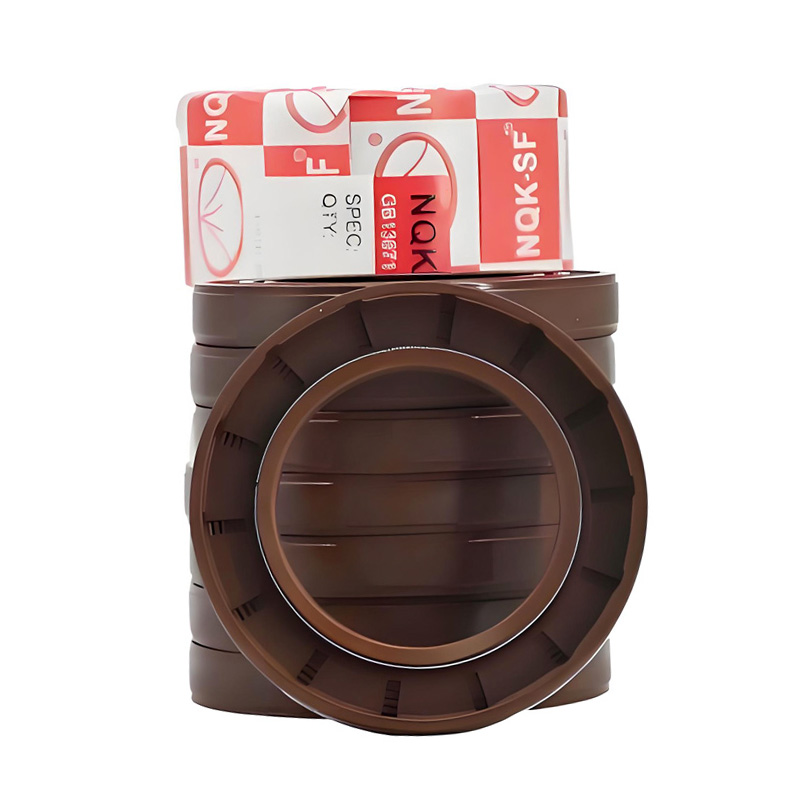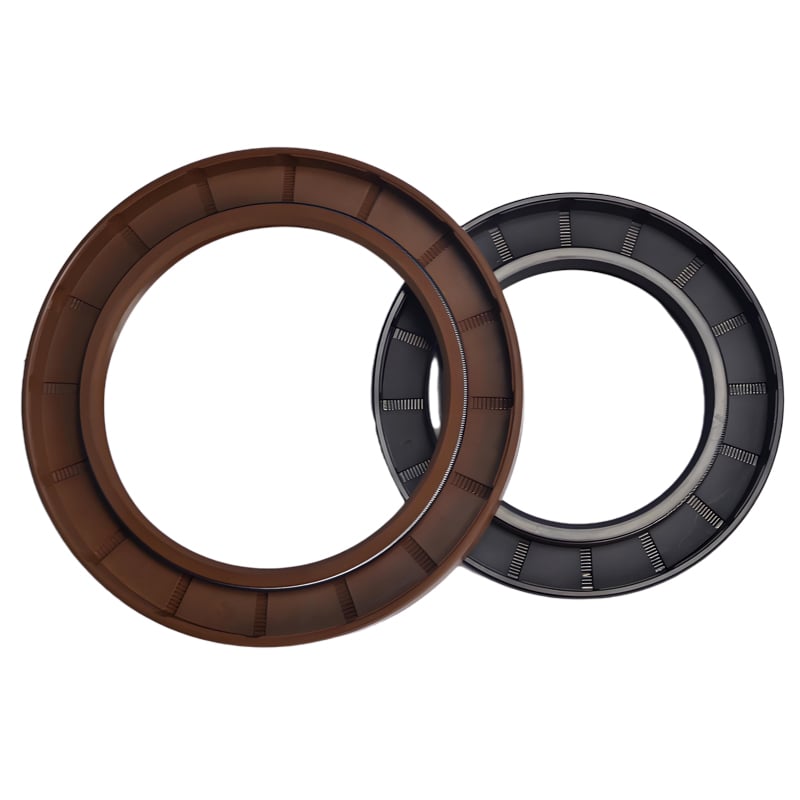

When choosing an oil seal, it is tempting to assume that two lips must provide better protection than one. However, the number of lips alone does not determine sealing performance. A double-lip oil seal offers an additional barrier against external contamination, but it may also introduce extra friction. The better choice depends on what the equipment actually needs.
Consider two different applications. A gearbox operating in a dusty agricultural environment may need additional protection against dirt and debris. An electric motor working in a relatively clean environment may have little need for an auxiliary dust lip. In the second case, adding another contact point may provide limited benefit.
What Does the Second Lip Actually Do?
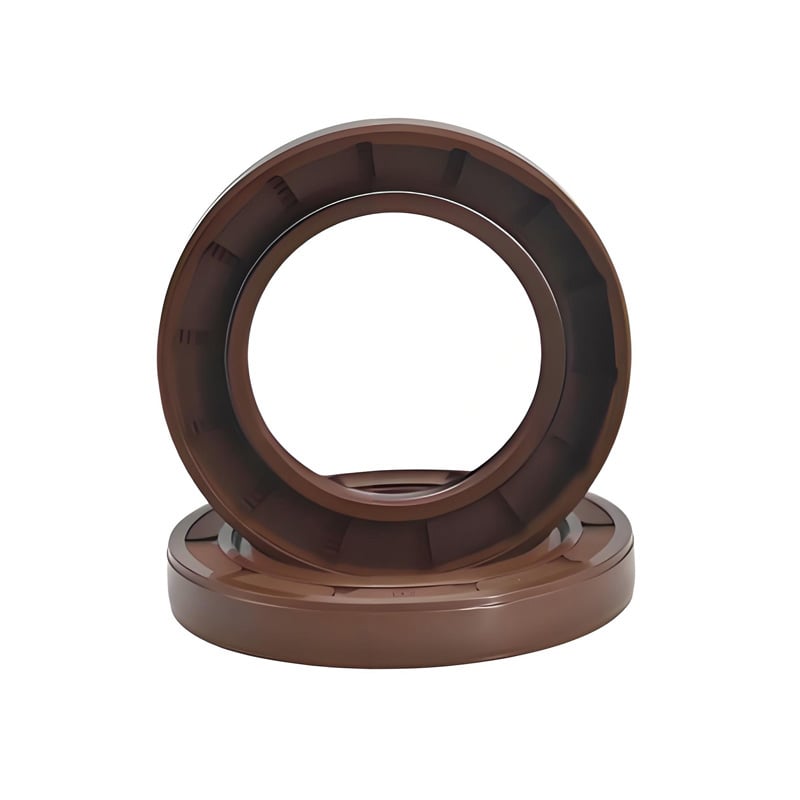
In a typical double-lip rotary shaft seal, the primary lip retains lubricant inside the housing. The secondary lip is positioned on the outside to help prevent dust and other contaminants from reaching the primary sealing area.
This arrangement is useful when the shaft is exposed to dirt, abrasive particles, or other environmental contamination. Agricultural machinery, construction equipment, and outdoor industrial drives are common examples.
However, the auxiliary lip is not necessarily designed to retain the same amount of lubricant as the primary lip. Its function depends on the specific seal profile and design.
When Can an Additional Lip Become a Disadvantage?
Every contact lip can generate friction when it runs against a rotating shaft. The amount of friction depends on contact pressure, shaft speed, material, lubrication, and surface condition.
If the space between the two lips does not receive sufficient lubrication, the secondary lip may experience increased friction and temperature. This deserves attention in applications where shaft speed is high or lubrication is limited.
That does not mean a double-lip seal is unsuitable for high-speed equipment. Some designs are developed for specific speed and lubrication conditions. The important point is to check the manufacturer's operating recommendations rather than assuming that every additional lip improves performance.
Make the Decision Based on the Working Environment
Before specifying an oil seal, ask a practical question: Is external contamination a real concern?
If the shaft operates near dust, mud, or abrasive particles, a double-lip design may provide useful protection. If the environment is clean and minimizing friction is more important, a single-lip design may be worth considering.
Also check shaft speed, lubricant availability, temperature, and the condition of the shaft surface.
A suitable oil seal is not defined by how many lips it has. It is defined by how well its design matches the operating environment.
 Hot News
ShanFeng Special Rubber Products Co., Ltd., operating under brand NQKSF since 1990, is a global leader in the sealing industry.
Copyright © 2026 ShanFeng Special Rubber Products Co., Ltd. All rights reserved. Privacy Policy
 EN