 EN
EN
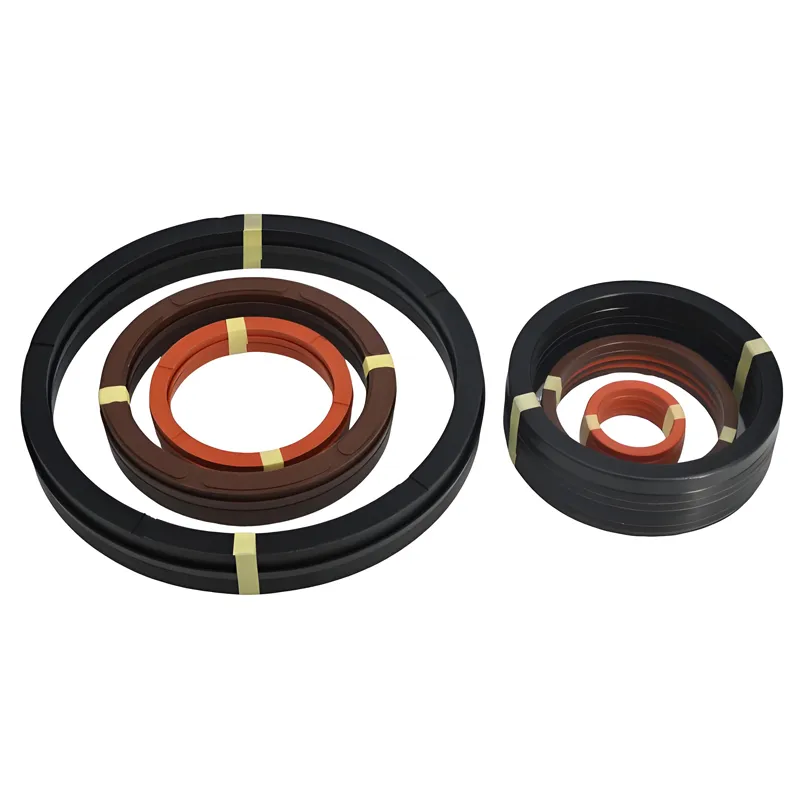
Evaluating the quality standards of global oil seal manufacturers requires a systematic approach that considers manufacturing processes, material selection, testing protocols, and certification compliance. Industrial buyers and procurement professionals face the challenge of identifying reliable suppliers who can deliver consistent performance across demanding applications. Understanding the key evaluation criteria helps ensure that selected manufacturers meet the stringent requirements of modern industrial operations.
The evaluation process involves multiple assessment layers that examine technical capabilities, quality management systems, and operational reliability. Global oil seal manufacturers operate under varying regulatory environments and industry standards, making it essential to establish clear benchmarks for quality assessment. This comprehensive evaluation framework enables informed decision-making when selecting manufacturing partners for critical sealing applications in automotive, aerospace, hydraulic, and industrial equipment sectors.
Manufacturing Process Assessment
Production Technology and Equipment Standards
Modern oil seal manufacturers must demonstrate advanced production capabilities through state-of-the-art equipment and manufacturing processes. The evaluation begins with assessing the technological sophistication of molding equipment, precision tooling, and automated production systems. Leading manufacturers invest in computer-controlled molding presses that ensure consistent dimensional accuracy and material distribution throughout the manufacturing cycle.
Quality-focused oil seal manufacturers typically utilize injection molding systems with precise temperature control, pressure monitoring, and cycle time optimization. These systems enable consistent production of seals with tight tolerances and uniform material properties. The presence of advanced tooling design capabilities, including CAD/CAM integration and rapid prototyping facilities, indicates a manufacturer's commitment to continuous improvement and customization capabilities.
Production capacity and scalability represent critical factors in manufacturer evaluation. Established oil seal manufacturers should demonstrate the ability to handle varying production volumes while maintaining quality standards. This includes flexible manufacturing setups, efficient changeover procedures, and scalable production lines that accommodate both standard and custom seal requirements without compromising quality consistency.
Quality Control Integration
Integrated quality control systems throughout the manufacturing process distinguish superior oil seal manufacturers from basic suppliers. The evaluation should examine real-time monitoring capabilities, statistical process control implementation, and automated inspection systems. Advanced manufacturers employ in-line dimensional measurement systems that continuously verify critical seal parameters during production.
Process validation protocols provide insight into a manufacturer's commitment to quality assurance. Reliable oil seal manufacturers maintain detailed process documentation, including material traceability systems, production parameter recording, and comprehensive batch tracking. These systems enable rapid identification and correction of quality deviations while maintaining complete production history for each manufactured seal.
Environmental controls within manufacturing facilities significantly impact seal quality consistency. Proper climate control, contamination prevention measures, and clean room protocols ensure that seals meet demanding cleanliness and performance requirements. The presence of controlled storage environments for raw materials and finished products demonstrates attention to quality preservation throughout the supply chain.
Material Standards and Testing Protocols
Raw Material Qualification
The evaluation of oil seal manufacturers must include thorough assessment of material sourcing, qualification, and testing procedures. Superior manufacturers maintain stringent supplier qualification programs for elastomer compounds, reinforcement materials, and additives. This includes comprehensive material property testing, aging studies, and chemical compatibility assessments that verify material performance under intended operating conditions.
Material traceability systems enable tracking of raw material lots from suppliers through finished product delivery. Quality-conscious oil seal manufacturers implement barcode or RFID tracking systems that maintain complete material genealogy records. This capability proves essential for investigating quality issues, implementing corrective actions, and ensuring consistent material performance across production batches.
Advanced testing laboratories within manufacturing facilities or through qualified external partners demonstrate commitment to material verification. Reliable oil seal manufacturers conduct comprehensive material testing including tensile strength, elongation, hardness, compression set, and chemical resistance evaluations. These tests verify that materials meet specified performance requirements before production release.
Performance Validation Testing
Comprehensive testing protocols provide crucial insights into manufacturer quality standards and product reliability. Leading oil seal manufacturers conduct extensive performance testing that simulates actual operating conditions including temperature cycling, pressure testing, rotational speed evaluation, and fluid compatibility assessment. These tests validate seal performance under real-world application scenarios.
Accelerated aging tests reveal long-term performance characteristics and help predict seal service life under various operating conditions. Reputable oil seal manufacturers utilize industry-standard aging protocols combined with proprietary testing methods that address specific application requirements. The availability of detailed test data and performance curves indicates sophisticated testing capabilities and technical expertise.
Dynamic testing capabilities distinguish advanced manufacturers from basic seal suppliers. This includes rotary shaft seal testing under various speeds, pressures, and temperatures, as well as reciprocating seal performance evaluation. The presence of specialized test equipment and standardized testing procedures demonstrates commitment to product validation and continuous improvement.
Certification and Compliance Framework
International Quality Standards
Quality management system certifications provide fundamental indicators of manufacturer reliability and process consistency. ISO 9001 certification represents the baseline quality management standard, while more advanced certifications such as ISO/TS 16949 for automotive applications or AS9100 for aerospace sectors indicate specialized quality system implementation. These certifications require regular audits and continuous improvement demonstrations.
Industry-specific certifications reveal manufacturer expertise in specialized applications and regulatory compliance. Oil seal manufacturers serving automotive markets should maintain IATF 16949 certification, while those supplying aerospace applications require AS9100 compliance. Food-grade applications demand FDA or NSF certifications, and medical device manufacturers need ISO 13485 compliance.
Environmental management certifications such as ISO 14001 indicate responsible manufacturing practices and environmental stewardship. Leading oil seal manufacturers often maintain multiple environmental certifications including REACH compliance for European markets, RoHS compliance for electronic applications, and various regional environmental standards that demonstrate commitment to sustainable manufacturing practices.
Regulatory Compliance Documentation
Comprehensive documentation systems support regulatory compliance and provide transparency in manufacturing processes. Reliable oil seal manufacturers maintain detailed documentation including material safety data sheets, compliance declarations, and test certificates for all products. This documentation enables customers to verify regulatory compliance and supports their own quality assurance requirements.
Regulatory compliance extends beyond basic quality standards to include specific industry requirements and regional regulations. Global oil seal manufacturers must demonstrate compliance with various national and international standards including DIN, JIS, ASTM, and ISO specifications. The ability to provide products meeting multiple standard requirements indicates manufacturing flexibility and global market competence.
Third-party testing and validation provide independent verification of product performance and compliance. Established oil seal manufacturers utilize accredited testing laboratories for product validation and maintain relationships with recognized certification bodies. This external validation adds credibility to quality claims and provides customers with confidence in product performance.
Supply Chain and Operational Excellence
Global Manufacturing Network
Evaluating the global presence and manufacturing network of oil seal manufacturers reveals their capacity to support international operations and provide consistent quality across multiple locations. Established manufacturers typically operate multiple production facilities with standardized processes, quality systems, and technical capabilities. This geographic distribution enables local market support while maintaining global quality standards.
Supply chain resilience becomes increasingly important in global manufacturing operations. Quality oil seal manufacturers maintain diverse supplier networks, implement risk management strategies, and establish backup production capabilities. The ability to maintain production continuity during supply disruptions or facility issues demonstrates operational maturity and customer commitment.
Technology transfer capabilities between manufacturing locations indicate process maturity and quality system effectiveness. Leading oil seal manufacturers can replicate production processes, quality standards, and technical capabilities across multiple facilities while maintaining product consistency. This capability proves essential for supporting global customer operations and ensuring supply security.
Customer Support and Technical Services
Technical support capabilities provide insights into manufacturer expertise and customer service orientation. Comprehensive evaluation should examine engineering support services, application assistance, custom design capabilities, and troubleshooting support. Advanced oil seal manufacturers maintain dedicated technical teams with extensive application experience and engineering expertise.
Response time and communication effectiveness reveal operational efficiency and customer priority. Reliable manufacturers establish clear communication protocols, maintain responsive customer service teams, and provide regular project updates. The availability of local technical support and global coordination capabilities demonstrates commitment to customer success and problem resolution.
Value-added services such as inventory management, kanban programs, and supply chain optimization indicate advanced operational capabilities. Leading oil seal manufacturers offer comprehensive supply chain solutions that extend beyond basic product delivery to include logistics optimization, demand forecasting, and integrated planning services.
FAQ
What are the most important certifications to look for when evaluating oil seal manufacturers?
The most critical certifications include ISO 9001 for basic quality management, industry-specific standards such as IATF 16949 for automotive or AS9100 for aerospace applications, and environmental certifications like ISO 14001. Additionally, look for product-specific certifications such as FDA approval for food-grade applications or REACH compliance for European markets. These certifications demonstrate systematic quality management and regulatory compliance capabilities.
How can I verify the testing capabilities of potential oil seal manufacturers?
Request detailed information about testing facilities, equipment specifications, and testing protocols. Ask for examples of test reports, certification documents from testing equipment calibration, and descriptions of accelerated aging procedures. Visit manufacturing facilities when possible to observe testing operations firsthand, and inquire about third-party testing partnerships for specialized or validation testing requirements.
What production capacity indicators should I evaluate when selecting oil seal manufacturers?
Evaluate annual production volumes, number of production lines, shift operations, and scalability capabilities. Assess equipment utilization rates, changeover times between products, and ability to handle both standard and custom orders simultaneously. Consider geographic distribution of manufacturing facilities, backup production capabilities, and capacity expansion plans to ensure long-term supply security.
How important is local presence when evaluating global oil seal manufacturers?
Local presence significantly impacts service quality, response times, and supply chain efficiency. Evaluate the availability of local technical support, inventory management, emergency response capabilities, and cultural understanding of regional business practices. Consider time zone coverage, language capabilities, and local regulatory knowledge when assessing manufacturer suitability for your specific geographic requirements.
Table of Contents
- Manufacturing Process Assessment
- Material Standards and Testing Protocols
- Certification and Compliance Framework
- Supply Chain and Operational Excellence
-
FAQ
- What are the most important certifications to look for when evaluating oil seal manufacturers?
- How can I verify the testing capabilities of potential oil seal manufacturers?
- What production capacity indicators should I evaluate when selecting oil seal manufacturers?
- How important is local presence when evaluating global oil seal manufacturers?