 EN
EN
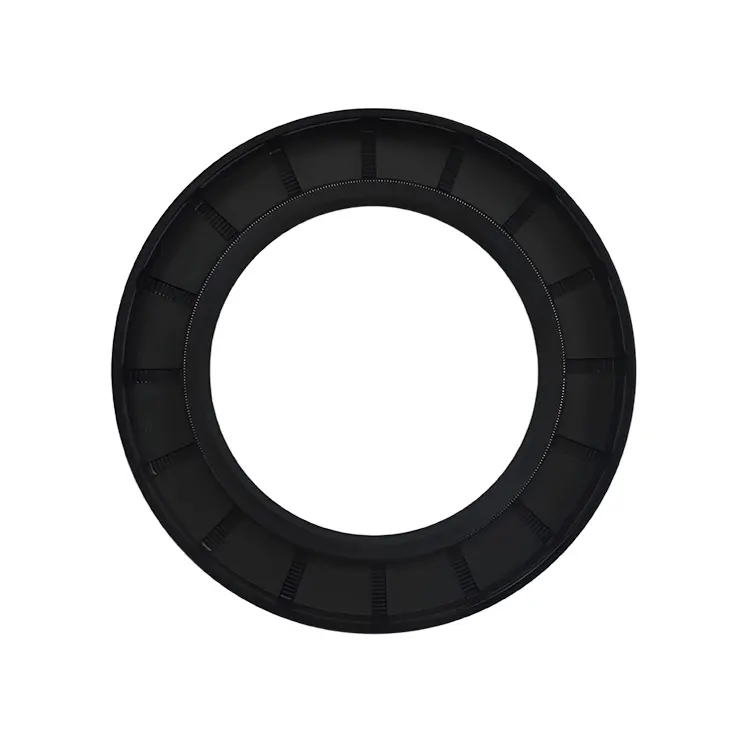
Selecting the right sealing ring for rotary applications requires careful consideration of multiple factors that directly impact equipment performance, maintenance costs, and operational reliability. The effectiveness of any sealing ring in rotating machinery depends on its ability to maintain consistent contact pressure, accommodate shaft movement, resist wear from rotational friction, and withstand the specific operating conditions present in your application.
Among the various sealing ring designs available for rotary equipment, lip seals, mechanical face seals, and V-ring seals each offer distinct advantages for different rotational sealing scenarios. Understanding which sealing ring type delivers optimal performance in your specific rotary application involves analyzing shaft speeds, pressure differentials, temperature ranges, and the nature of fluids or contaminants that must be contained or excluded from the rotating assembly.
Primary Sealing Ring Categories for Rotary Applications
Lip Seal Design Characteristics
Lip seals represent the most widely used sealing ring type for rotary applications due to their versatility and cost-effectiveness. This sealing ring design features a flexible elastomeric lip that maintains contact with the rotating shaft through radial force generated by the seal's interference fit and optional garter spring assistance. The sealing interface relies on hydrodynamic lubrication that develops between the lip and shaft surface during rotation.
The effectiveness of lip-type sealing ring designs stems from their ability to accommodate shaft runout, thermal expansion, and minor surface imperfections while maintaining a reliable seal. Modern lip seals incorporate advanced elastomer compounds that resist chemical degradation, temperature extremes, and abrasive wear that commonly occur in industrial rotary equipment. The sealing ring lip geometry can be optimized for specific applications through variations in lip angle, contact width, and surface finish requirements.
Installation simplicity makes lip seals an attractive sealing ring choice for many rotary applications. Standard lip seals require only a bore and shaft with appropriate tolerances, eliminating the need for complex mounting hardware or precise axial positioning. However, the contact nature of lip seal operation does generate friction and heat, which can limit their effectiveness in high-speed applications or environments with poor lubrication.
Mechanical Face Seal Technology
Mechanical face seals provide superior sealing ring performance for demanding rotary applications where lip seals may prove inadequate. This sealing ring type utilizes two precision-machined faces that rotate against each other with minimal contact pressure, creating a seal through extremely tight clearances rather than interference contact. The rotating and stationary seal faces are typically manufactured from materials like carbon, silicon carbide, or tungsten carbide to withstand high pressures and temperatures.
The primary advantage of mechanical face seals as a sealing ring solution lies in their ability to handle higher pressures, temperatures, and shaft speeds compared to elastomeric alternatives. Face seal designs can operate effectively in applications where system pressures exceed the capabilities of lip seals, making them essential for hydraulic systems, high-pressure pumps, and industrial compressors requiring reliable rotary sealing.
However, mechanical face seals require more precise installation and maintenance procedures compared to simpler sealing ring types. The seal faces must be properly aligned and supported to prevent distortion or premature wear. Additionally, mechanical face seals typically cost significantly more than lip seals, making them most cost-effective in applications where their superior performance characteristics justify the higher initial investment.
V-Ring Seal Applications
V-ring seals offer a unique sealing ring approach for rotary applications requiring exclusion of contaminants rather than retention of internal fluids. This sealing ring design mounts directly on the shaft and rotates with it, creating a labyrinth effect that prevents dirt, moisture, and debris from reaching critical bearing or seal areas. The flexible V-shaped profile allows the seal to accommodate shaft movement while maintaining its protective function.
The effectiveness of V-ring seals as a protective sealing ring makes them particularly valuable in agricultural equipment, construction machinery, and outdoor industrial applications where environmental contamination poses a significant threat to equipment reliability. Unlike primary sealing ring types that must contain pressurized fluids, V-rings focus on exclusion performance and can operate successfully with minimal maintenance requirements.
V-ring seals work best when combined with primary sealing ring elements in multi-seal configurations. The V-ring protects the main seal from contamination while the primary sealing ring handles fluid retention duties. This approach extends the service life of both sealing ring components and improves overall system reliability in challenging operating environments.
Performance Factors Determining Sealing Ring Effectiveness
Rotational Speed Considerations
Shaft rotational speed significantly influences which sealing ring type will deliver optimal performance in rotary applications. Standard lip seals typically perform well at moderate speeds but may experience excessive heat generation and wear at higher velocities due to friction between the sealing ring lip and shaft surface. The heat buildup can cause elastomer degradation and premature seal failure if operating speeds exceed the sealing ring design limits.
High-speed rotary applications often require specialized sealing ring designs or alternative sealing approaches to maintain effectiveness. Low-friction lip seal designs, non-contacting labyrinth seals, or mechanical face seals may provide better solutions when shaft speeds exceed conventional sealing ring capabilities. The relationship between speed and sealing ring performance must be carefully evaluated during the selection process to ensure reliable operation throughout the equipment's service life.
Speed-related sealing ring considerations also include the effects of centrifugal force on seal lip contact pressure and the potential for shaft deflection at high rotational velocities. These factors can affect sealing ring positioning and contact characteristics, potentially compromising seal effectiveness if not properly addressed in the design and installation phases.
Pressure and Temperature Effects
Operating pressure represents another critical factor in determining the most effective sealing ring type for specific rotary applications. Standard elastomeric seals can handle moderate pressure differentials effectively, but high-pressure applications may require specialized sealing ring designs with pressure-energized lips or mechanical face seal technology to maintain reliable sealing performance.
Temperature extremes significantly impact sealing ring material selection and design considerations. High temperatures can cause elastomer hardening, cracking, or chemical breakdown, while low temperatures may result in seal shrinkage and loss of sealing contact. The most effective sealing ring for temperature-sensitive applications requires careful material selection and design optimization to maintain flexibility and sealing effectiveness across the expected temperature range.
Combined pressure and temperature effects create additional challenges for sealing ring performance in rotary applications. High-pressure, high-temperature conditions may require specialized sealing ring materials such as fluoroelastomers or PTFE compounds that maintain their sealing properties under extreme operating conditions. The thermal expansion characteristics of both the sealing ring and surrounding hardware must be considered to ensure proper fit and function across the operating temperature range.
Fluid Compatibility Requirements
Chemical compatibility between the sealing ring material and process fluids determines the long-term effectiveness and reliability of rotary sealing systems. Different elastomer compounds offer varying degrees of resistance to specific chemicals, oils, fuels, and solvents commonly encountered in industrial applications. Selecting an incompatible sealing ring material can result in rapid degradation, swelling, or hardening that compromises seal performance.
Aggressive fluids may require specialized sealing ring materials such as perfluoroelastomers or polytetrafluoroethylene compounds that offer superior chemical resistance compared to standard nitrile or fluorocarbon elastomers. The sealing ring selection process must include thorough evaluation of all fluids that may contact the seal during normal operation, maintenance procedures, or emergency conditions.
Fluid lubrication properties also affect sealing ring performance in rotary applications. Well-lubricated conditions generally extend sealing ring life and improve effectiveness, while dry-running or poorly lubricated applications may require special sealing ring designs or materials that can tolerate boundary lubrication conditions without excessive wear or heat generation.
Application-Specific Sealing Ring Selection Criteria
Industrial Pump Applications
Industrial pumps present unique challenges for sealing ring selection due to their combination of rotational motion, fluid handling requirements, and varying operating conditions. Centrifugal pumps typically benefit from mechanical face seals when handling high-pressure or high-temperature fluids, while positive displacement pumps may use lip-type sealing ring designs for lower-pressure applications with compatible fluids.
The most effective sealing ring choice for pump applications depends on factors including suction pressure, discharge pressure, fluid properties, and maintenance accessibility. Pumps handling abrasive slurries or corrosive chemicals require sealing ring materials and designs specifically engineered to withstand these challenging conditions while maintaining reliable sealing performance over extended operating periods.
Pump sealing ring installations must also accommodate thermal cycling, vibration, and potential cavitation effects that can impact seal positioning and performance. Multi-seal configurations using primary and secondary sealing ring elements may provide enhanced reliability and extended service life in critical pumping applications where seal failure could result in significant operational disruptions or safety concerns.
Gearbox and Transmission Sealing
Gearbox and transmission applications typically require sealing ring designs optimized for oil retention while excluding environmental contaminants. Lip seals represent the most common sealing ring choice for these applications due to their cost-effectiveness, ease of installation, and reliable performance with gear oils under typical operating conditions found in automotive, industrial, and marine power transmission systems.
The effectiveness of sealing ring installations in gearboxes depends on proper shaft surface finish, appropriate bore tolerances, and correct seal orientation to ensure optimal lip contact and oil retention. Advanced sealing ring designs for transmission applications may incorporate multiple lips, integrated dust exclusion features, or specialized materials to enhance performance and service life in demanding operating environments.
High-performance gearboxes operating at elevated speeds or temperatures may require upgraded sealing ring specifications including heat-resistant elastomers, low-friction lip designs, or enhanced spring loading to maintain effective sealing contact under challenging operating conditions. The sealing ring selection process must balance performance requirements with cost considerations and maintenance accessibility throughout the gearbox service life.
Hydraulic System Integration
Hydraulic systems demand sealing ring performance capable of withstanding high system pressures, temperature variations, and aggressive hydraulic fluids while maintaining precise control over internal and external leakage. Rotary hydraulic components such as pumps, motors, and swivel joints require sealing ring designs specifically engineered for high-pressure hydraulic service with minimal friction and reliable long-term performance.
The most effective sealing ring types for hydraulic applications often include pressure-energized designs that use system pressure to enhance sealing contact force, mechanical face seals for extreme conditions, or specialized elastomer compounds that resist hydraulic fluid degradation. Sealing ring selection must consider both steady-state and transient pressure conditions that occur during system startup, shutdown, and normal operation cycles.
Hydraulic sealing ring installations require careful attention to surface finish requirements, installation procedures, and contamination control to ensure optimal performance. Even minor installation errors or contamination can significantly reduce sealing ring effectiveness and system reliability, making proper selection and installation critical for hydraulic system success.
Installation and Maintenance Considerations
Proper Installation Procedures
Correct installation procedures are essential for achieving optimal sealing ring effectiveness in rotary applications regardless of the seal type selected. Improper installation can damage sealing ring lips, create leak paths, or introduce contamination that compromises long-term performance. Standard installation practices include thorough cleaning of sealing surfaces, proper lubrication of sealing ring components, and careful handling to prevent damage during assembly.
Sealing ring installation tools and techniques vary depending on the specific seal design and application requirements. Lip seals typically require installation sleeves or tapered lead-ins to prevent lip damage during shaft insertion, while mechanical face seals demand precise alignment and support to ensure proper face contact. Following manufacturer specifications for installation procedures helps ensure that sealing ring performance meets design expectations throughout the service life.
Pre-installation inspection of both sealing ring components and mating surfaces helps identify potential issues that could affect seal effectiveness. Surface finish requirements, dimensional tolerances, and cleanliness standards must be verified before sealing ring installation to prevent premature failure or performance degradation in rotary applications.
Maintenance and Monitoring Strategies
Effective maintenance programs for rotary sealing ring applications include regular inspection schedules, performance monitoring procedures, and predictive maintenance techniques to identify potential seal issues before they result in equipment failure. Visual inspection of sealing ring areas can reveal early signs of leakage, contamination, or wear that indicate the need for seal replacement or system adjustment.
Advanced monitoring techniques such as vibration analysis, thermal imaging, and oil analysis can provide early warning of sealing ring degradation or related equipment problems in critical rotary applications. These monitoring approaches help optimize maintenance schedules and prevent unexpected failures that could result in costly equipment damage or production interruptions.
Preventive maintenance programs should include sealing ring replacement based on operating hours, cycles, or condition monitoring results rather than waiting for visible failure symptoms. Proactive sealing ring replacement helps maintain system reliability and performance while minimizing the risk of secondary damage that can occur when seals fail during operation.
FAQ
What factors determine the most effective sealing ring type for high-speed rotary applications?
High-speed rotary applications require sealing ring designs that minimize friction heating while maintaining effective sealing contact. Mechanical face seals or specialized low-friction lip seals typically provide the best performance for speeds above 3000 RPM, as standard lip seals may experience excessive wear and heat generation at high rotational velocities.
How do operating pressures affect sealing ring selection for rotary equipment?
Operating pressure directly influences the appropriate sealing ring design, with standard lip seals effective up to about 50 PSI, pressure-energized lip seals handling up to 200 PSI, and mechanical face seals required for higher pressures. The sealing ring must generate sufficient contact force to prevent leakage while withstanding the system pressure without deformation or failure.
Which sealing ring materials work best for aggressive chemical environments?
Aggressive chemical environments typically require specialized sealing ring materials such as perfluoroelastomers, PTFE, or chemically resistant elastomer compounds selected based on the specific chemicals present. Standard nitrile or fluorocarbon sealing ring materials may degrade rapidly when exposed to strong acids, bases, or organic solvents without proper material compatibility verification.
Can multiple sealing ring types be combined in the same rotary application?
Multiple sealing ring types can be effectively combined in rotary applications to optimize performance and reliability. Common combinations include a primary lip seal for fluid retention with a secondary V-ring seal for contamination exclusion, or tandem mechanical face seals for critical high-pressure applications requiring redundant sealing protection.
Table of Contents
- Primary Sealing Ring Categories for Rotary Applications
- Performance Factors Determining Sealing Ring Effectiveness
- Application-Specific Sealing Ring Selection Criteria
- Installation and Maintenance Considerations
-
FAQ
- What factors determine the most effective sealing ring type for high-speed rotary applications?
- How do operating pressures affect sealing ring selection for rotary equipment?
- Which sealing ring materials work best for aggressive chemical environments?
- Can multiple sealing ring types be combined in the same rotary application?