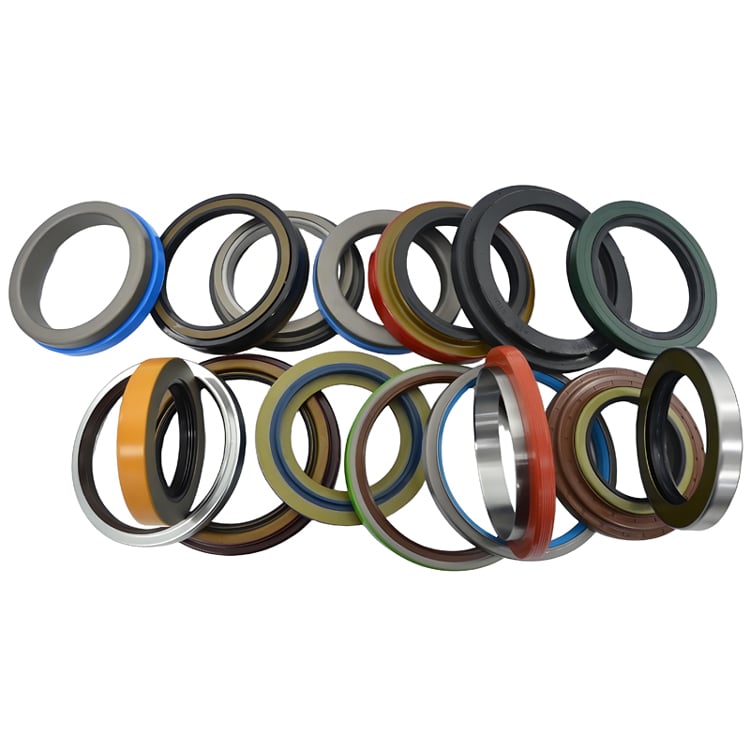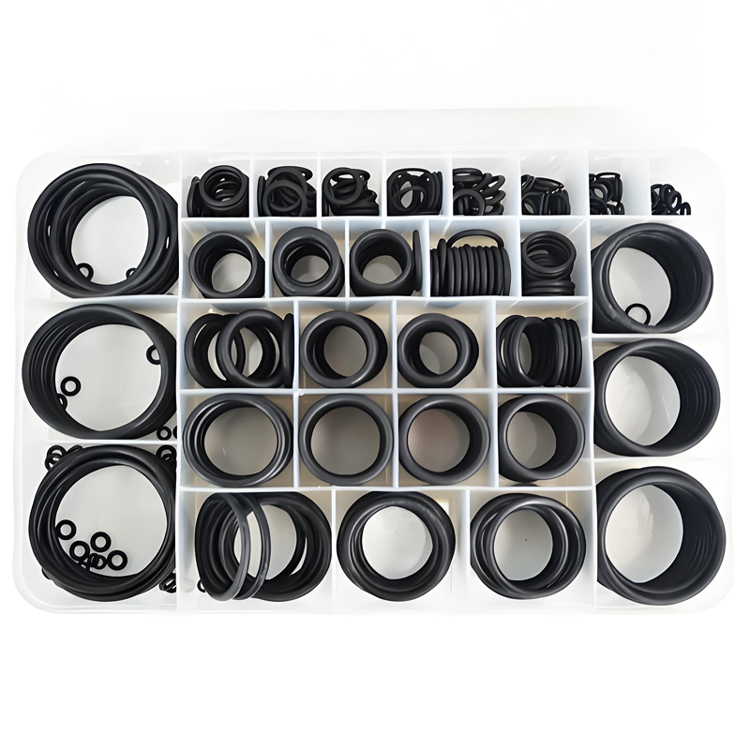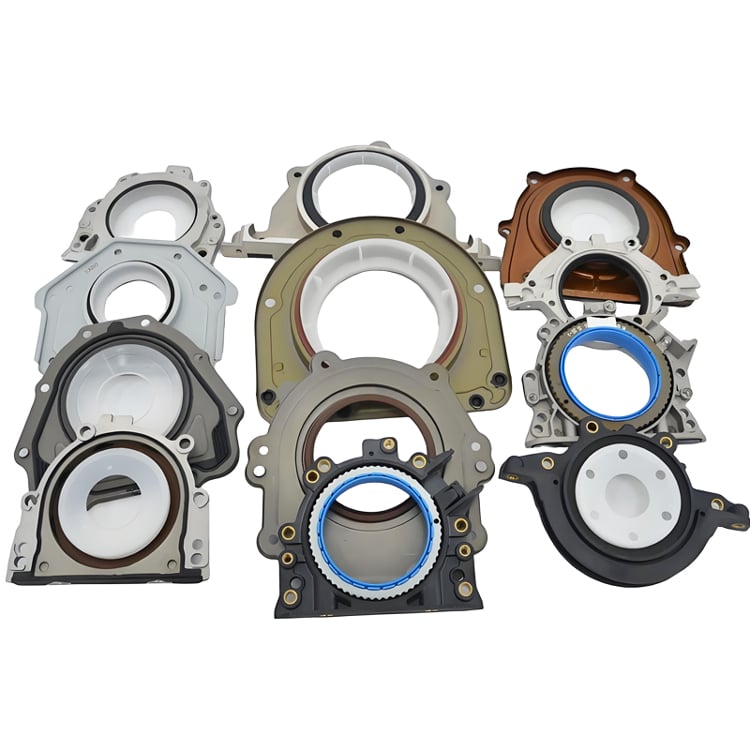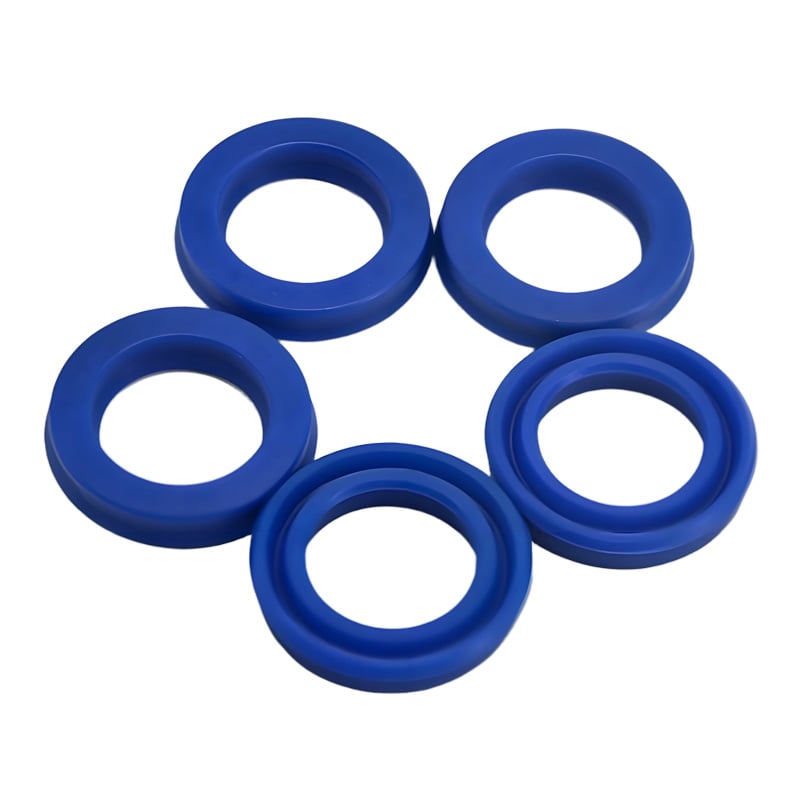

The reliability of an oil seal manufacturer can be judged by how consistently the manufacturer manages specifications, materials, production, inspection, communication, and delivery. A professional website or a competitive quotation may be useful starting points, but they do not provide enough evidence on their own. The stronger approach is to examine what the manufacturer can demonstrate throughout the purchasing process.
Start with the questions they ask you
An interesting way to evaluate a manufacturer is to pay attention to the questions they ask before quoting.
If you provide an oil seal size and the manufacturer immediately gives a price without asking about material, medium, temperature, speed, or application, that may indicate that the quotation is based mainly on dimensions.
For a routine standard seal, this may be acceptable.
For a demanding industrial application, however, the manufacturer should understand the operating conditions before recommending a construction or material.
Good technical communication often starts with good questions.
Check whether product specifications are consistent
A manufacturer should be able to clearly identify the important parameters of the oil seal being offered.
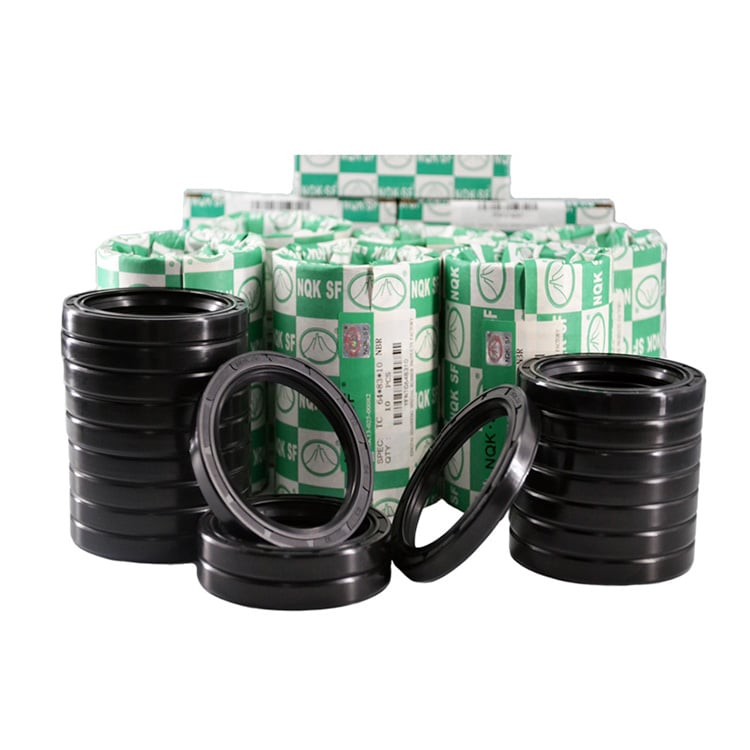
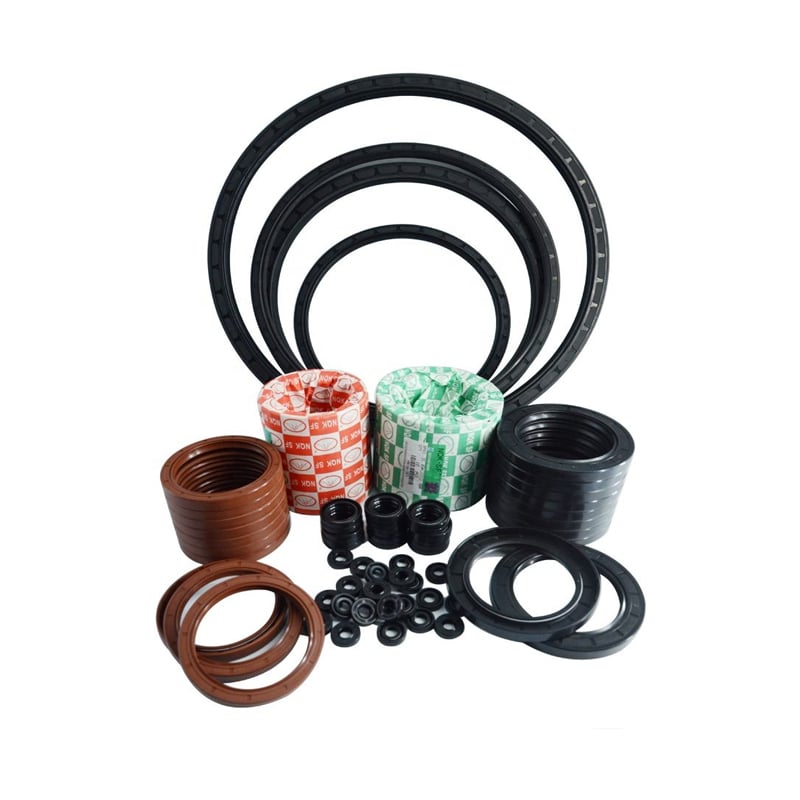
For example, a TC oil seal quotation may need to distinguish dimensions, material, spring configuration, and other relevant specifications.
If two quotations use the same product name but provide different materials or dimensions, comparing only the unit price can be misleading.
The buyer should first confirm that the products are technically equivalent.
Look at how problems are handled
manufacturer reliability becomes much easier to judge when something does not go according to plan.
Suppose a buyer discovers that a batch does not fit the housing correctly. The manufacturer's response can reveal more than a sales presentation.
Does the manufacturer check the drawing?
Does it ask for measurements or photos?
Does it investigate the batch information?
Does it distinguish between a product issue and an installation problem?
A manufacturer that approaches the problem technically is easier to work with over the long term.
Ask about repeat-order control
For many industrial buyers, the important purchase is not the first order. It is the tenth or twentieth.
If a manufacturer changes materials, dimensions, packaging, or manufacturing details between batches without proper communication, the buyer may face unexpected changes in equipment performance.
Therefore, ask how repeat orders are controlled.
Useful areas include product drawings, internal specifications, material identification, production records, inspection requirements, and batch traceability.
The objective is consistency—not simply a good first shipment.
Be careful with vague quality claims
Terms such as “premium quality,” “best performance,” or “long service life” do not tell a buyer much unless they are connected to measurable conditions.
A more useful manufacturer provides information that can be checked.
For example:
Product dimensions
Material designation
Applicable standards
Operating limitations
Inspection criteria
Packaging method
Batch identification
Relevant test or quality documents
Specific information makes technical comparison easier.
Certifications should be checked in context
A manufacturer may mention ISO certification or other quality-related credentials.
These can be useful indicators of an organized quality management system, but certification alone does not prove that every individual oil seal will be suitable for a particular application.
Buyers should verify what the certification covers and whether the supplied product is manufactured under the claimed quality system.
The same principle applies to test reports and material certificates: they are useful when they correspond to the actual product and purchase requirements.
Communication speed is not the same as technical reliability
A salesperson replying within minutes is convenient, but response speed should not be confused with technical capability.
For a simple standard-size oil seal, a quick quotation may be all that is needed.
For a custom or demanding application, what matters more is whether the manufacturer can provide a technically reasoned answer.
A reliable manufacturer should know when to answer directly and when to request additional operating information.
Use the purchasing process as the evaluation tool
Instead of trying to judge a manufacturer from its marketing materials alone, evaluate the entire process:
Inquiry → technical confirmation → quotation → sample → inspection → trial use → repeat order.
Each stage provides evidence.
If the manufacturer maintains consistent specifications, communicates clearly, provides appropriate documentation, handles technical issues responsibly, and delivers according to agreed requirements, confidence can gradually be built from actual purchasing experience.
That is a more practical way to judge manufacturer reliability than relying on claims made before the first order.
 Hot News
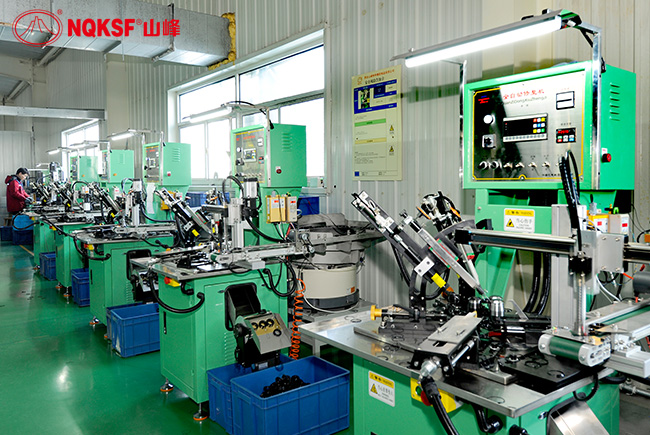
ShanFeng Special Rubber Products Co., Ltd., operating under brand NQKSF since 1990, is a global leader in the sealing industry.
Copyright © 2026 ShanFeng Special Rubber Products Co., Ltd. All rights reserved. Privacy Policy
 EN
EN