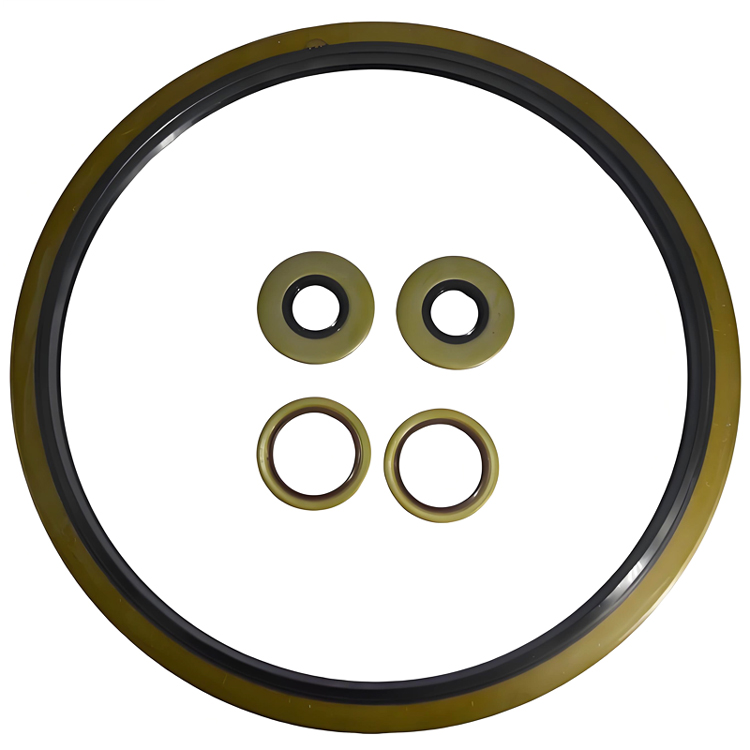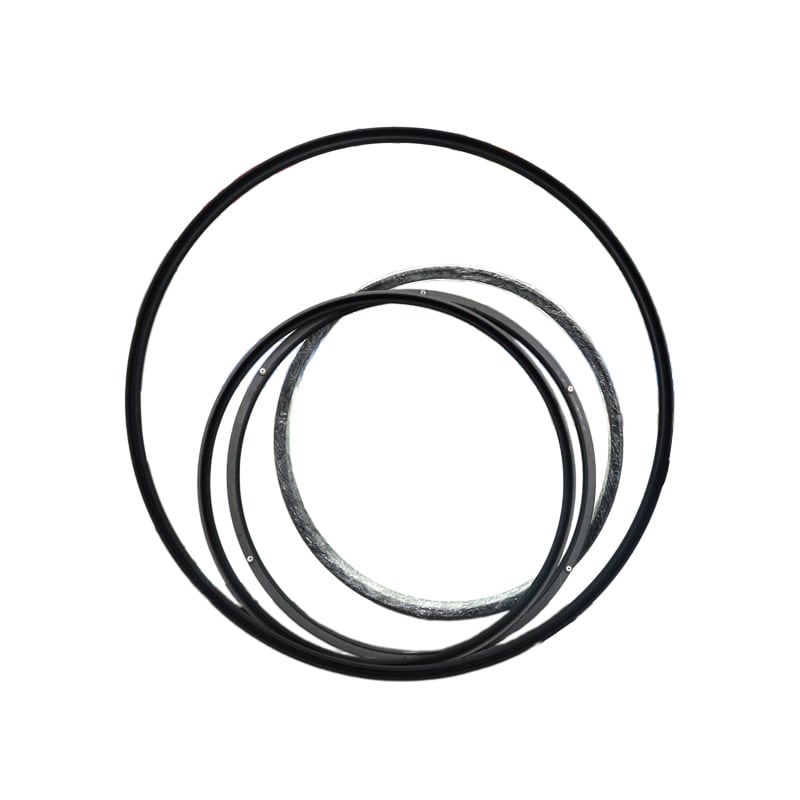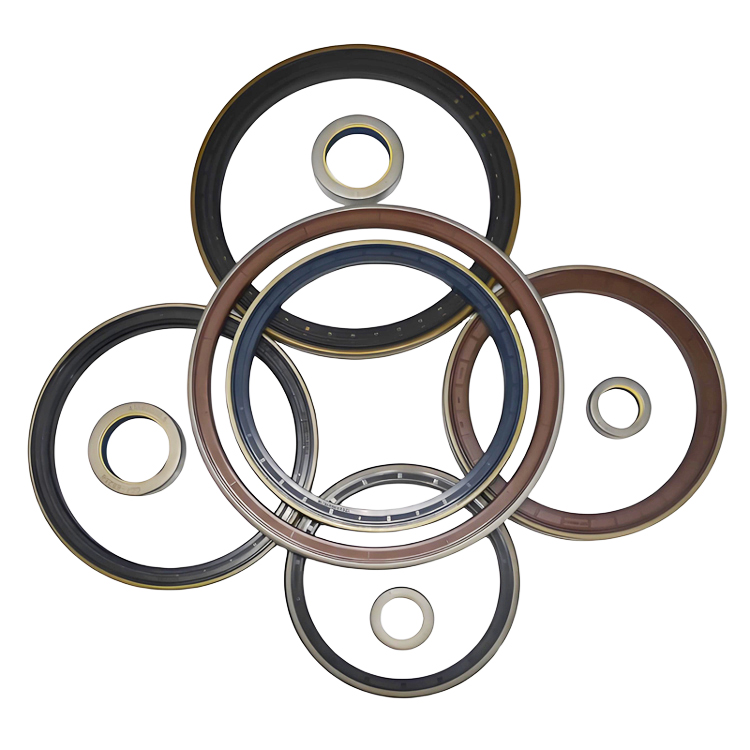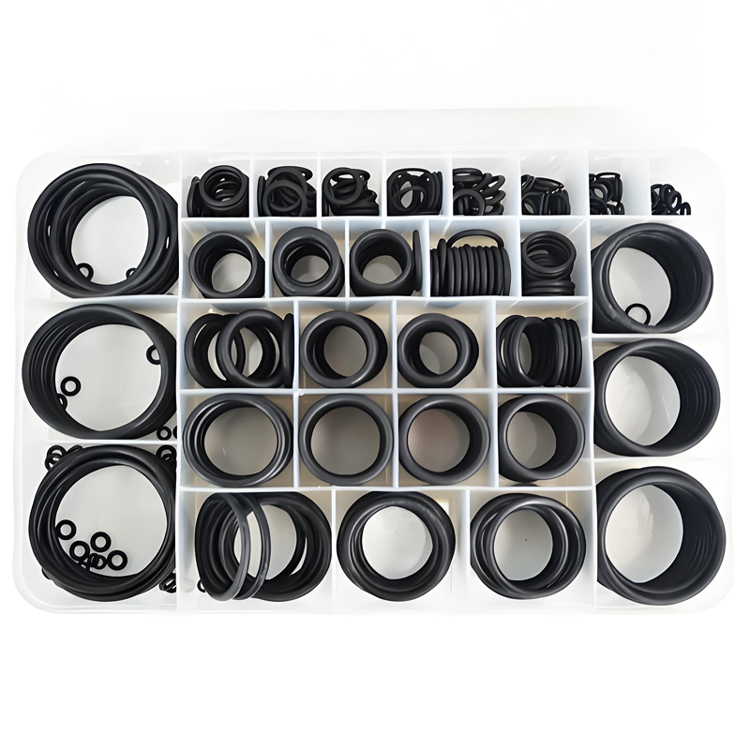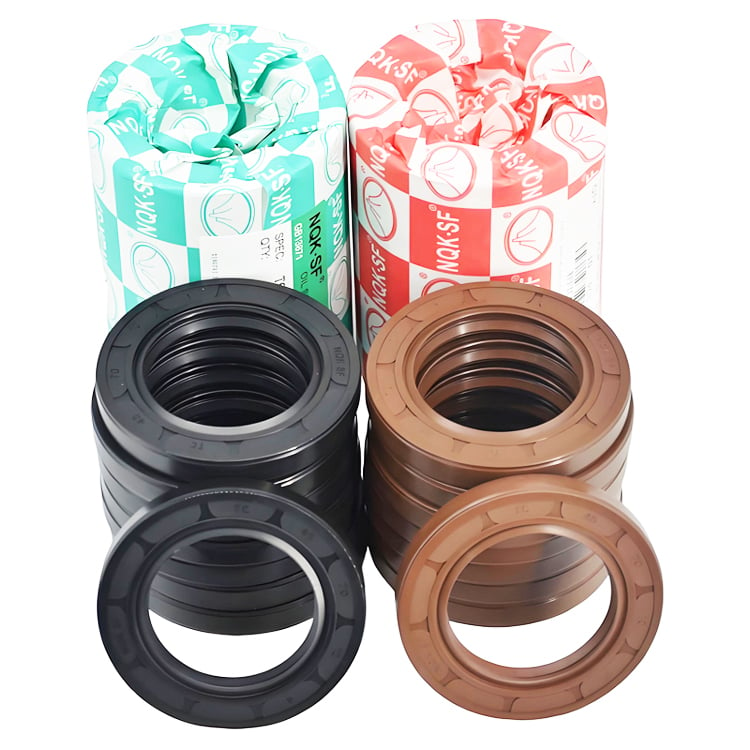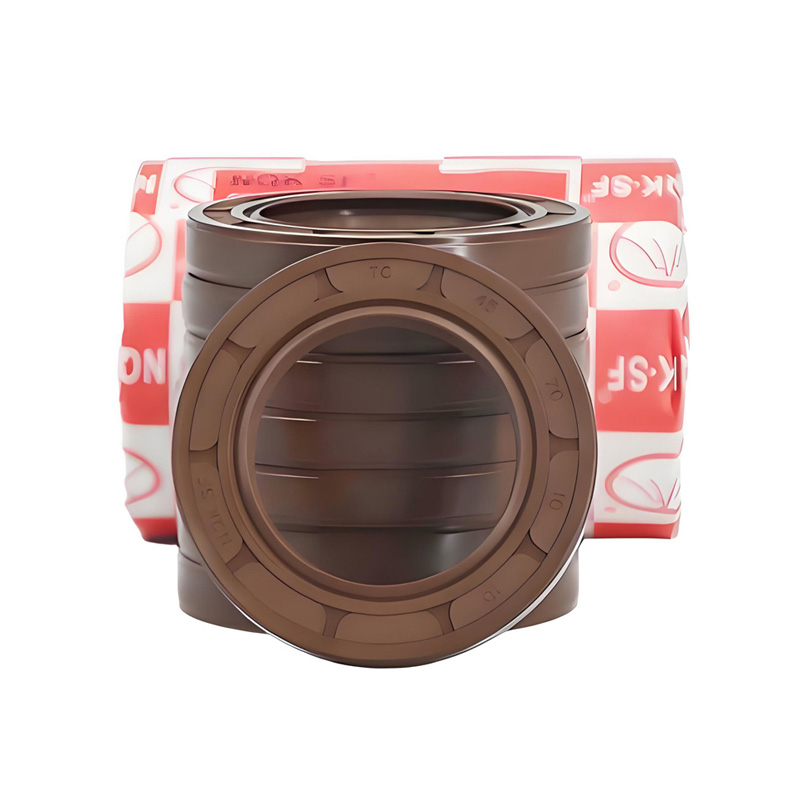

A reliable oil seal supplier should be evaluated through more than product price and catalog size. Industrial buyers should look at manufacturing capability, material control, dimensional consistency, inspection procedures, technical communication, inventory management, and the supplier's ability to maintain stable quality between batches.
For an industrial machine, the real cost of an oil seal is not the purchase price alone. A leaking seal can lead to lubricant loss, contamination, maintenance work, equipment downtime, and repeated replacement.
That changes the way supplier selection should be approached.
Ask what happens before production starts
A supplier's manufacturing process begins before the oil seal enters the molding machine.
Rubber compounds, reinforcing materials, springs, metal cases, and other components need to be controlled according to the product design.
For elastomer seals, compound consistency is particularly important because changes in hardness, elasticity, or fluid resistance can affect sealing behavior.
A useful supplier conversation should therefore include questions about raw material sourcing, compound control, incoming inspection, and traceability.
If the supplier cannot explain how materials are controlled, it becomes difficult for a buyer to assess batch-to-batch consistency.
Look beyond appearance inspection
An oil seal may look perfectly acceptable while still having dimensional or material problems.
Industrial buyers should therefore ask what is inspected after production.
Depending on the product and quality system, inspection may involve dimensions, appearance, spring position, hardness, material characteristics, and other relevant parameters.
The exact inspection items should be connected to the seal design and application rather than presented as a generic checklist.
For example, checking the outer diameter can be important for housing fit, while checking the sealing lip geometry helps control the working interface with the shaft.
Inventory is useful, but inventory alone proves little
A supplier holding common oil seal sizes in stock can be valuable to equipment manufacturers, distributors, and maintenance companies.
Standard TC oil seals, for example, are widely used in rotating equipment and are available in many dimensional combinations.
But a large warehouse does not automatically indicate manufacturing reliability.
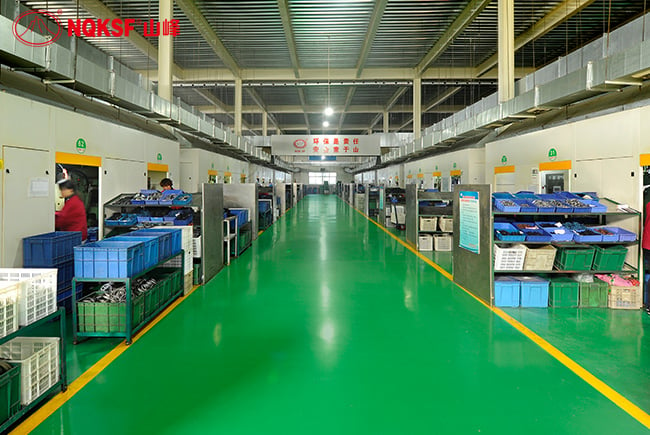
A better question is whether the supplier can maintain consistent quality across both stocked products and newly manufactured orders.
This distinction is particularly important when purchasing large quantities over a long period.
Ask how the supplier handles non-standard requirements
Industrial equipment does not always use catalog dimensions.
A supplier may be asked to provide a different material, special dimensions, alternative lip construction, or a seal designed around a particular operating environment.
This is where technical capability becomes visible.
A supplier with engineering experience should be able to discuss the application conditions and identify whether the requested construction is technically reasonable.
A supplier that simply accepts every requested specification without checking the operating conditions may create more risk than it removes.
Delivery performance is part of supplier reliability
A seal supplier can manufacture a technically acceptable product and still create problems if delivery is unpredictable.
For industrial procurement, buyers should examine:
Production lead time: Can the supplier provide realistic delivery dates?
Stock availability: Are commonly requested sizes actually available?
Order consistency: Can repeat orders maintain the same specifications?
Packaging: Are seals protected from deformation, contamination, and damage during storage and transportation?
These issues may seem commercial rather than technical, but they directly affect maintenance planning and production schedules.
Documentation should support the purchase
For industrial orders, documentation can make quality management easier.
Depending on the product and customer requirements, useful documents may include product specifications, material information, dimensional drawings, inspection records, certificates, or batch identification.
The required documents should correspond to the buyer's quality system rather than being collected simply for appearance.
The most useful test is a small real-world order
Before moving directly into a large-volume purchase, a buyer can evaluate a supplier through a smaller order.
Pay attention to how the supplier handles technical questions, confirms specifications, communicates delivery dates, packages the products, and responds if a dimensional or application issue is discovered.
This provides information that a website or product catalog cannot show.
A reliable oil seal supplier is therefore not defined by one attractive feature. It is a supplier that can connect product design, material control, manufacturing, inspection, delivery, and technical communication into a repeatable process.
That is what industrial buyers should look for when supplier selection moves beyond a simple price comparison.
 Hot News
ShanFeng Special Rubber Products Co., Ltd., operating under brand NQKSF since 1990, is a global leader in the sealing industry.
Copyright © 2026 ShanFeng Special Rubber Products Co., Ltd. All rights reserved. Privacy Policy
 EN
EN